Top Rabbit Toys for Keeping Indoor Rabbits Engaged
Discover the best rabbit toys to keep your indoor rabbits happy and engaged while promoting their physical and mental well-being.

Key takeaways
- Rabbits need stimulation for mental health.
- Natural materials are safer for chewing.
- Interactive toys encourage exercise.
- Rotate toys to maintain interest.
Rabbits are energetic and intelligent animals that require plenty of stimulation to stay happy and healthy. Providing them with engaging toys is essential for their physical and mental well-being. The right toys can prevent boredom, promote exercise, and even help with behavioral issues. In this article, we will explore some of the best rabbit toys for indoor rabbits, ensuring that your furry friends remain entertained and engaged.
Understanding the needs of your indoor rabbit is crucial. Rabbits are naturally curious creatures who enjoy exploring and interacting with their environment. They thrive on play and mental challenges, which can be provided through a variety of toys. From chew toys to interactive puzzles, there is a vast selection available that caters specifically to their needs.
In this guide, we will delve into different types of toys, their benefits, and how to choose the best options for your pet. We will also highlight safety considerations and provide tips on how to keep your rabbit’s interest alive with toy rotation. Let’s jump in and discover how to enrich your rabbit’s indoor life with the best toys!
Types of Rabbit Toys
When it comes to rabbit toys, there are several types that cater to different aspects of play and interaction. Understanding these types can help you make informed choices for your pet.
Chew Toys
Chew toys are essential for rabbits as they help maintain dental health. Rabbits’ teeth are continuously growing, and providing them with appropriate chewing materials is necessary to prevent dental issues.
- Wooden Chew Toys: Natural wood toys made from untreated, rabbit-safe wood can satisfy your rabbit’s urge to chew.
- Hay Balls: These are made from compressed hay and provide both chewing satisfaction and nutritional benefits.
- Cardboard Tubes: Simple and affordable, cardboard tubes can be a great option for rabbits to chew and explore.
Interactive Toys
Interactive toys stimulate your rabbit’s mind and encourage physical activity. These toys can range from simple puzzles to more complex designs that require problem-solving skills.
- Puzzle Feeders: These toys require your rabbit to work for their food, making mealtime more engaging.
- Hide-and-Seek Toys: Toys that allow rabbits to hide treats or toys can encourage natural foraging behavior.
- Ball Toys: Lightweight balls that rabbits can nudge and chase can keep them active and entertained.
Enrichment Toys
Enrichment toys are designed to mimic natural behaviors and provide mental stimulation. These toys can help alleviate boredom and promote a healthy lifestyle.
- Hiding Places: Small hideaways encourage exploration and can be filled with hay or treats.
- Climbing Structures: Small ramps and platforms allow rabbits to exercise and explore vertically.
- Digging Boxes: A box filled with shredded paper or hay can satisfy a rabbit’s natural digging instinct.
Benefits of Rabbit Toys
Investing in the right toys for your indoor rabbit comes with numerous benefits. Understanding these can help you appreciate the importance of playtime.
Mental Stimulation
Rabbit toys provide essential mental stimulation. Engaging toys can prevent boredom, which can lead to destructive behaviors. By challenging your rabbit’s mind, you can promote overall well-being.
Interactive toys, such as puzzle feeders, require rabbits to think critically and solve problems. This type of mental engagement is crucial for their happiness and health.
Physical Activity
Rabbits are naturally active animals that need plenty of exercise. Toys that encourage running, jumping, and digging can help maintain their physical fitness.
Interactive toys that require movement, such as balls and tunnels, can provide the necessary physical activity that indoor rabbits need. Regular playtime helps keep their weight in check and reduces the risk of obesity-related health issues.
Bonding Opportunities
Playing with your rabbit can strengthen the bond between you and your pet. Interactive playtime encourages trust and companionship.
Using toys during play can create positive experiences for your rabbit, making them feel safe and comfortable in their environment. This bonding time is essential for building a strong relationship.
Choosing Safe Toys for Rabbits
Safety should always be a priority when selecting toys for your indoor rabbit. There are several factors to consider to ensure that your pet’s toys are safe and suitable.
Material Considerations
Choose toys made from natural and non-toxic materials. Avoid plastic toys that may contain harmful chemicals. Look for options made from untreated wood, natural fibers, and cardboard.
Many commercially available rabbit toys are made from safe materials, but always check for labels or descriptions that confirm their safety. If you are unsure about a material, consult your veterinarian.
Size Appropriateness
Ensure that the toys are appropriately sized for your rabbit. Small toys can pose a choking hazard, while excessively large toys may not be as engaging.
A good rule of thumb is to choose toys that your rabbit can comfortably carry or manipulate. This will encourage them to interact with the toy without the risk of injury.
Regular Inspections
Regularly inspect your rabbit’s toys for wear and tear. Discard any toys that are damaged or have splinters, as these can pose safety risks.
By maintaining a close eye on your rabbit’s toys, you can ensure they remain safe and enjoyable. Replace toys as needed to keep your rabbit engaged.
Rotating Toys for Ongoing Interest
Rabbits can quickly lose interest in their toys if they are left out for too long. Toy rotation is a simple yet effective strategy to keep your rabbit engaged.
How to Rotate Toys
Start by selecting a few toys to keep out for your rabbit. After a week or two, swap them for a different set. This will create a sense of novelty and intrigue.
Consider incorporating seasonal themes or introducing toys that mimic natural behaviors. This can further enhance your rabbit’s play experience.
Signs of Boredom
Be aware of signs that your rabbit may be bored, such as increased chewing on furniture or lethargy. If you notice these behaviors, it may be time to introduce new toys or rotate existing ones.
Monitor your rabbit’s engagement levels with their toys. If they seem disinterested, a simple rotation could reignite their curiosity and enthusiasm.
DIY Rabbit Toys: Creative and Cost-effective Solutions
Creating your own rabbit toys can be a rewarding and budget-friendly way to keep your pet engaged. With a few simple materials, you can craft toys that cater to your rabbit’s natural instincts to chew, dig, and explore. Here are some DIY toy ideas that are safe and enjoyable for your furry friend.
1. Cardboard Creations
Cardboard is a versatile material that rabbits love to chew and shred. You can easily turn everyday cardboard boxes into exciting toys. Here are some ideas:
- Cardboard Castle: Cut and stack cardboard boxes to create a multi-level castle. Ensure the edges are smooth and safe for your rabbit.
- Toilet Paper Roll Toys: Fill empty toilet paper rolls with hay or treats, then seal the ends with cardboard. This stimulates your rabbit’s foraging instincts.
- Cardboard Maze: Create a maze using larger cardboard pieces. Cut out entry and exit points for your rabbit to navigate through.
Always supervise your rabbit while they play with cardboard to prevent ingestion of large pieces.
2. Nature-Inspired Toys
Utilizing natural materials can provide an enriching and safe play environment for your rabbit. Here are some ideas for nature-inspired toys:
- Willow Balls: These are great for chewing and tossing. You can either purchase them or make your own by weaving willow branches into a ball.
- Himalayan Salt Blocks: Not only do these provide entertainment as a chew toy, but they also fulfill your rabbit’s mineral needs.
- Herb Bundles: Tie together bundles of dried herbs like parsley or basil. This provides both a chew toy and a tasty treat.
Ensure all natural materials are untreated and safe for consumption to avoid any health issues.
3. Upcycled Household Items
Before you throw away old items, consider how they can be repurposed into toys for your rabbit. Many household items can serve as engaging playthings.
- Plastic Containers: Clean and cut them into shapes, or fill them with hay or treats to make a foraging toy.
- Socks: Old socks can be turned into soft chew toys. Fill them with crumpled paper or hay for added texture.
- Wooden Pallets: If you have access to untreated wooden pallets, you can disassemble them to create ramps, chew blocks, or hiding spots.
Always ensure that any upcycled items are free from harmful chemicals and safe for your pet to interact with.
Interactive Playtime: Engaging Activities with Your Rabbit
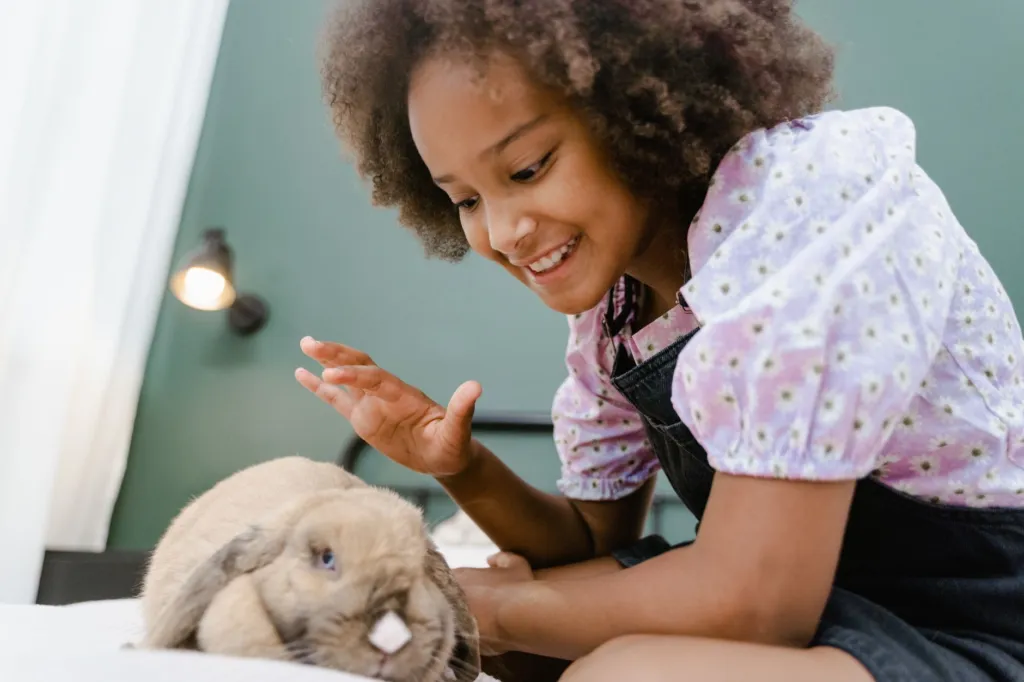
Interactive playtime not only keeps your rabbit physically active but also strengthens the bond between you and your pet. Engaging in structured play can enhance your rabbit’s mental stimulation and promote a happier, healthier lifestyle.
1. Training Games
Training your rabbit to perform simple tricks can be a fun way to engage their mind. Using positive reinforcement, you can teach them commands or tricks that keep them mentally stimulated.
- Target Training: Use a small stick or your finger as a target. Reward your rabbit when they touch it with their nose.
- Obstacle Course: Set up a mini obstacle course using household items. Encourage your rabbit to hop over or crawl under objects.
- Fetch: Some rabbits can learn to play fetch! Use a small ball or toy and teach them to bring it back to you.
Training sessions should be short and positive, lasting no longer than 5-10 minutes at a time to maintain your rabbit’s interest.
2. Socialization Playdates
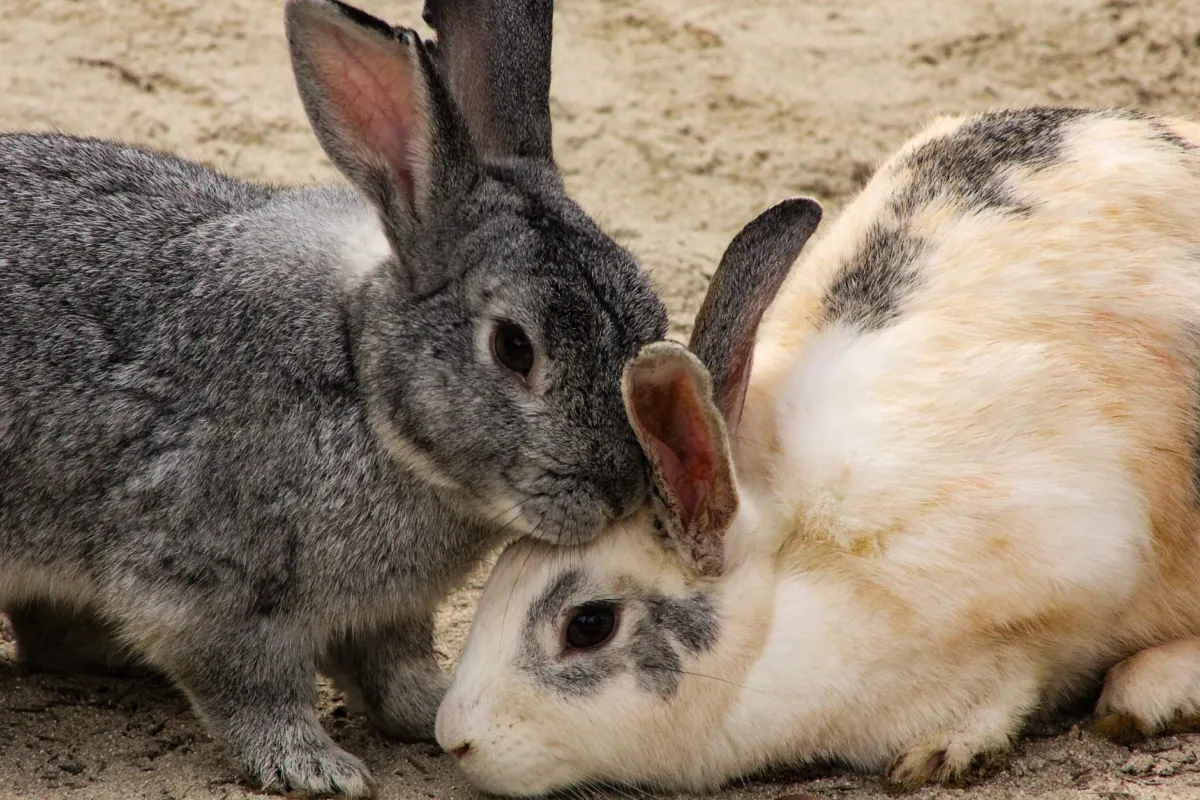
Rabbits are social animals and benefit from interaction with other rabbits. If you have multiple rabbits or friends with bunnies, consider organizing playdates. Here are tips for successful socialization:
- Neutral Territory: Introduce rabbits in a neutral space to reduce territorial behavior.
- Supervised Interaction: Always supervise their interactions to prevent any aggressive behavior or stress.
- Separate Spaces: Have a backup plan to separate them if they show signs of aggression or discomfort.
Socialization can help prevent loneliness and encourage playful behavior in your rabbits.
3. Puzzle Toys for Mental Stimulation
Puzzle toys are an excellent way to provide mental stimulation for your rabbit. These toys challenge them to think and work for their treats. Here are some popular options:
- Hide-and-Seek Toys: Toys that hide treats or hay can encourage your rabbit to dig and search for food.
- Interactive Feeders: These devices require rabbits to manipulate components to access their food, promoting problem-solving skills.
- DIY Puzzle Boxes: Create your own puzzle box by filling a box with holes and treats. Your rabbit will have to figure out how to get to the treats inside.
These toys not only keep your rabbit busy, but they also help prevent boredom and related behavioral issues.
Seasonal Toys and Activities for Year-Round Fun
As the seasons change, so can the type of toys and activities you offer your rabbit. Seasonal enrichment can keep your pet engaged and excited throughout the year.
1. Spring and Summer Activities
During warmer months, outdoor play can be a delightful way for your rabbit to explore and enjoy the fresh air. Here are some ideas:
- Outdoor Playpen: Set up a secure playpen outside, allowing your rabbit to hop around freely while being protected from predators.
- Herb Garden: Create a small herb garden for your rabbit to nibble on. Common herbs like basil and parsley are safe and tasty.
- Water Play: On hot days, provide a shallow dish of water for your rabbit to splash around in. Ensure it’s supervised to prevent accidents.
Always provide shade and fresh water while your rabbit is outside to prevent overheating.
2. Autumn and Winter Cozy Activities
As the weather cools down, indoor activities can offer warmth and comfort for your rabbit. Here are some ideas to keep them engaged during the colder months:
- Cozy Hideaways: Create warm hiding spots using blankets or hay-filled boxes where rabbits can burrow and stay warm.
- Interactive Treat Hiding: Hide treats around the house for your rabbit to find. This encourages exploration and foraging behavior.
- Snuggle Time: Use the colder months as an opportunity for extra bonding time. Spend time cuddling and petting your rabbit, providing comfort and warmth.
Keep in mind that rabbits are sensitive to extreme temperatures, so always ensure their environment is comfortable and safe.
Frequently Asked Questions
What are the best materials for rabbit toys?
The best materials for rabbit toys are untreated wood, natural fibers, and cardboard. Avoid plastic and synthetic materials that may contain harmful chemicals.
How often should I replace my rabbit’s toys?
Replace your rabbit’s toys as needed, depending on their condition. Regular inspections and replacing worn-out toys can ensure safety and continued engagement.
Can I make homemade toys for my rabbit?
Yes, many homemade toys can be made using safe materials. Cardboard boxes, paper towel rolls, and untreated wood can be used to create simple yet engaging toys.
How do I know if a toy is safe for my rabbit?
Check for labels indicating that the toy is rabbit-safe and made from non-toxic materials. If in doubt, consult your veterinarian for recommendations.
The Bottom Line
Providing the best rabbit toys for indoor rabbits is essential for their happiness and health. Choose a variety of toys that stimulate both their mind and body, ensuring that they remain engaged and entertained. Regularly inspect and rotate the toys to maintain interest, and always prioritize safety when selecting materials. By investing in quality toys, you can enhance your rabbit’s indoor life significantly.
Was this article helpful?

Writer at Mad4Pets. Lifelong animal lover who turns research and vet guidance into practical tips for everyday pet parents.