Top Aquarium Fish for Beautiful Planted Tanks
Discover the best aquarium fish for planted tanks. Enhance your aquatic garden with compatible fish that thrive among lush greenery.

Key takeaways
- Choose fish that complement your aquarium plants.
- Prioritize species that are peaceful and community-friendly.
- Consider fish size to ensure a balanced ecosystem.
- Maintain optimal water conditions for plant and fish health.
Creating a planted aquarium is a rewarding endeavor that can bring tranquility and beauty into your home. The lush greenery of aquatic plants not only enhances the aesthetic appeal but also provides essential benefits to fish and the overall aquatic ecosystem. However, choosing the right fish for your planted tank is crucial to maintaining harmony and ensuring a thriving environment.
This guide will help you navigate the world of aquarium fish, focusing on species that thrive in planted tanks. We’ll explore the best options, their compatibility with plants, ideal water conditions, and tips for a successful planted aquarium. By selecting fish that coexist peacefully and benefit from the natural environment created by plants, you can create a vibrant aquatic community.
Whether you’re a novice aquarist or looking to enhance your existing setup, understanding the needs of both fish and plants will lead to a beautiful and sustainable aquarium.
Understanding Planted Tanks
Planted tanks are aquariums that feature live plants alongside fish and other aquatic inhabitants. The plants play a vital role in maintaining water quality, providing oxygen, and serving as hiding spots and territories for fish. When setting up a planted tank, it is essential to consider the compatibility of fish with the selected plant species.
Plants can vary widely in their light, nutrient, and care requirements. Therefore, it is essential to choose fish that will not disturb or eat the plants. Additionally, the fish should thrive in the same water parameters as the plants, such as pH, temperature, and hardness.
Commonly used plants include Anubias, Java Fern, and Amazon Sword. Each of these species offers unique benefits and can support a diverse range of fish. Understanding the specific needs of both your plants and fish will help create a balanced ecosystem.
Top Fish for Planted Tanks
When selecting fish for your planted tank, consider species that are known to be peaceful and compatible with aquatic vegetation. Here are some of the best options:
- Neon Tetras: These small, colorful fish are perfect for community tanks. They thrive in schools and prefer heavily planted environments.
- Betta Fish: While male Betta fish can be territorial, they can thrive in a well-planted tank with plenty of hiding spots.
- Guppies: Guppies are hardy and colorful, making them a great choice for beginners. They thrive in planted tanks where they can hide and explore.
- Cardinal Tetras: Similar to Neon Tetras, Cardinal Tetras are vibrant and peaceful, ideal for community tanks with lush plants.
- Corydoras Catfish: These bottom-dwelling fish are excellent scavengers and help keep the substrate clean while being gentle on plants.
- Rasboras: Species like Harlequin Rasboras are peaceful and enjoy swimming among plants, enhancing the tank’s visual appeal.
- Otocinclus Catfish: Known for their algae-eating habits, Otocinclus are small and peaceful, perfect for a planted setup.
- Endler’s Livebearers: These small fish are colorful and active, making them ideal for a community tank with plants.
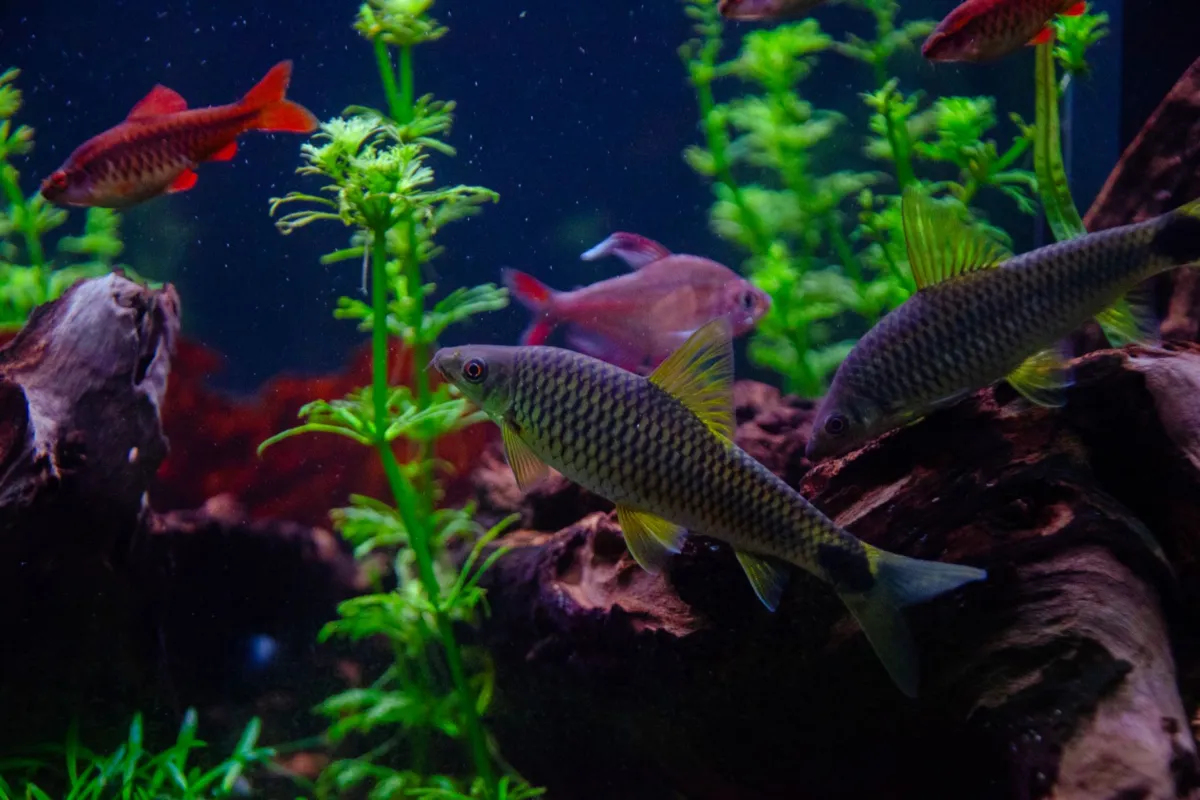
- Cherry Barbs: Cherry Barbs are peaceful and can adapt well to a planted environment, adding a splash of color to your aquarium.
- Apistogramma: These dwarf cichlids are beautiful and can coexist peacefully with plants and other community fish.
Choosing the Right Fish Size
When selecting fish for your planted tank, size matters. Larger fish can uproot or damage plants while competing for space. Smaller fish often work better in planted tanks, as they are less likely to disturb the vegetation.
For nano tanks, consider species that remain small, such as Neon Tetras or Guppies. In larger tanks, you can introduce fish like Apistogramma or even larger species like Rainbowfish, provided there is enough space and plant cover.
Ensuring that all fish have adequate room to swim and hide is vital for their wellbeing. Remember that overcrowding can lead to stress and territorial disputes, negatively impacting both fish and plants.
Water Conditions for Fish and Plants
Maintaining optimal water conditions is crucial for the health of both fish and plants in a planted aquarium. Most aquatic plants thrive in slightly acidic to neutral pH levels (around 6.5 to 7.5), while fish may have varying preferences depending on the species.
Temperature is another critical factor. Most tropical fish and plants do well in a temperature range of 72°F to 78°F (22°C to 26°C). Regular testing of water parameters using reliable kits will help ensure a stable environment.
Additionally, consider the hardness of the water. Soft water is generally preferred for many plant species, while some fish like Guppies may thrive in harder water. Regular water changes can help maintain the desired parameters and keep the ecosystem balanced.
Creating a Balanced Ecosystem
Creating a balanced ecosystem involves more than just selecting the right fish and plants. Proper filtration, lighting, and nutrient supply are essential components of a healthy tank. A good filtration system will help maintain clear water and remove waste products.
Lighting plays a critical role in plant growth. Different plants have varying light requirements, so providing adequate light is key to their health and the overall aesthetics of the tank. Consider using LED lights that are adjustable and energy-efficient.
Nutrients are another crucial aspect. Many aquatic plants require fertilizers to thrive, especially if they are competing with fish for nutrients. Liquid fertilizers or substrate fertilizers can support healthy plant growth without harming fish.
Tank Setup Tips
Setting up a planted aquarium requires careful planning. Start with a good substrate that supports plant growth, such as nutrient-rich soil or gravel. Layering can enhance both aesthetics and plant health.
Position plants in a way that allows for growth and movement. Taller plants should be placed at the back of the tank, and shorter ones in the front. This arrangement creates depth and highlights the beauty of each plant.
Lastly, allow the tank to cycle before adding fish. This process establishes beneficial bacteria that help break down waste, ensuring a stable environment for both fish and plants.
Compatibility of Fish and Plant Species
When setting up a planted aquarium, understanding the compatibility between fish species and plant types is crucial for a thriving aquatic environment. Certain fish may display behaviors that can harm delicate plants, while some plants may require specific water conditions that not all fish can tolerate. Here are key considerations for ensuring compatibility.
Herbivorous vs. Carnivorous Fish
Fish diets play a significant role in their interactions with plants. Herbivorous fish, such as certain types of Tangs and Parrot Cichlids, are more likely to nibble on aquatic plants, which can lead to damage. In contrast, carnivorous fish generally leave plants alone, but they may still require specific tank mates to prevent stress. Understanding the diet of your chosen fish is essential.
- Herbivorous Fish: Tangs, Parrot Cichlids, and certain species of Goldfish.
- Carnivorous Fish: Betta Fish, Gouramis, and various Cichlid species.
Additionally, omnivorous fish, such as Guppies and Platies, can offer a middle ground, as they may occasionally graze on plants but are less likely to cause significant damage. Selecting the right mix of fish can help maintain the health of your planted tank.
Behavioral Traits of Fish
Beyond dietary preferences, the behavioral traits of fish can greatly impact plant health. Some species are known to be more aggressive or territorial, which can lead to disturbances in a planted environment. For instance, aggressive fish like certain Cichlids may uproot or damage plants to establish their territory. Conversely, peaceful species such as Neon Tetras can coexist harmoniously in a planted tank.
- Territorial Fish: Cichlids, Bettas.
- Peaceful Fish: Tetras, Rasboras, and Danios.
When planning your aquarium, it’s essential to choose fish that complement each other’s behaviors. Mixing aggressive and peaceful fish can lead to stress and negatively affect both the fish and plants.
Growth Requirements of Plants
The growth requirements of aquatic plants vary widely and can dictate which fish species can comfortably inhabit the same ecosystem. Fast-growing plants like Hornwort and Water Sprite can thrive with higher light levels and nutrient-rich substrates, often attracting fish that enjoy a more robust environment. On the other hand, slow-growing plants such as Anubias and Java Fern prefer lower light and less disturbance.
- Fast-Growing Plants: Hornwort, Water Sprite, and Duckweed.
- Slow-Growing Plants: Anubias, Java Fern, and Cryptocoryne.
Understanding the growth habits of your plants will help you determine the right fish species. For instance, fish that are known to dig or root through the substrate can uproot slow-growing plants, while those that thrive in heavily planted tanks can promote the growth of faster varieties.
Plant Maintenance and Care with Fish
Maintaining a planted aquarium requires a careful balance of plant care and fish management. Regular maintenance routines ensure that both fish and plants thrive in a harmonious environment. Here are some essential tips for managing your planted tank.
Trimming and Pruning Techniques
Regular trimming and pruning are crucial for keeping plants healthy and promoting new growth. Overgrown plants can block light from reaching other plants, leading to poor health and decay. It is advisable to trim plants regularly, removing dead or yellowing leaves and encouraging bushier growth. For stem plants, cutting above a leaf node will encourage branching.
- Trim plants every 4-6 weeks to prevent overgrowth.
- Use sharp scissors to make clean cuts, minimizing damage.
- Monitor growth patterns to identify which plants require more frequent maintenance.
In addition, consider the impact of fish on plant growth. Some fish may contribute to nutrient cycling in the tank, while others may necessitate more frequent maintenance due to their behaviors.
Fertilization and Nutrient Management
Providing the right nutrients is vital for keeping plants healthy and vibrant. While fish waste can contribute to nutrient levels, it is often not enough to sustain fast-growing plants. Regular fertilization with liquid or substrate fertilizers can help maintain optimal growth. Pay attention to the specific nutrient needs of your plants, as some may require higher levels of macronutrients like nitrogen and phosphorus.
- Use a balanced liquid fertilizer once a week for general plant health.
- Consider root tabs for heavy root feeders like Cryptocoryne.
- Monitor plant growth and adjust fertilization based on visual cues.
Be cautious with fertilizers, as excess nutrients can lead to algae blooms, which can compete with plants and harm the overall balance of the tank.
Lighting and Its Impact on Plant Growth
Lighting is a critical factor in plant health and growth. Different plants have varying light requirements, and choosing the right lighting can greatly influence the overall success of your planted aquarium. Low-light plants can thrive under standard aquarium lighting, while high-light plants may require specialized LED fixtures or fluorescent lights.
- Low-Light Plants: Anubias, Java Fern, and Cryptocoryne.
- High-Light Plants: Amazon Sword, Ludwigia, and Hairgrass.
Understanding the light needs of your plants will help you select compatible fish. For example, fish that prefer shaded areas may thrive better in tanks with low-light plants, while those that enjoy open swimming spaces might be more suited to high-light environments.
Choosing the Right Tank Mates for Your Planted Aquarium
Selecting the right tank mates for your planted aquarium is just as important as choosing the right fish. The interaction between different species can significantly affect plant health and the overall ecosystem of the tank. Here’s how to select harmonious tank mates.
Community vs. Single Species Tanks
Deciding between a community tank and a single species tank can influence the dynamics of your planted aquarium. Community tanks can offer a vibrant display of colors and behaviors but require careful planning to ensure compatibility. In contrast, single species tanks can simplify care and reduce stress on both plants and fish.
- Community Tank: Mix of Tetras, Rasboras, and peaceful Cichlids.
- Single Species Tank: Focused on one type of fish, such as Betta or Discus.
In community tanks, keep an eye on aggressive behaviors, as these can disrupt the peaceful environment necessary for both plants and fish. A single species tank can allow for a more controlled environment, facilitating easier maintenance and care.
Schooling Fish and Their Benefits
Incorporating schooling fish into a planted aquarium can enhance the visual appeal and create a more dynamic environment. Schooling fish, such as Neon Tetras or Harlequin Rasboras, thrive better in groups and exhibit more natural behaviors. Their active movement can also encourage plant growth by creating water movement that benefits nutrient distribution.
- Recommended Schooling Fish: Neon Tetras, Harlequin Rasboras, and Cardinal Tetras.
- Benefits of Schooling: Reduced stress, increased activity, and enhanced tank aesthetics.
Providing adequate space and hiding spots is crucial for schooling fish, as it allows them to feel secure and reduces stress, which can otherwise lead to unhealthy interactions with plants.
Bottom Dwellers and Their Role
Bottom dwellers, such as Corydoras Catfish and Otocinclus, play an essential role in maintaining the health of a planted tank. These fish help keep the substrate clean by scavenging for leftover food and algae, which can otherwise compete with plants for nutrients. Introducing bottom dwellers can enhance the overall ecosystem of your aquarium.
- Recommended Bottom Dwellers: Corydoras Catfish, Otocinclus, and Amano Shrimp.
- Benefits of Bottom Dwellers: Clean substrate, algae control, and diverse tank ecosystem.
When adding bottom dwellers, ensure that they are compatible with your other fish and that they have enough space to thrive without disturbing the plants.
Frequently Asked Questions
What are the best fish for beginner planted tanks?
For beginners, species like Neon Tetras, Guppies, and Corydoras Catfish are excellent choices due to their hardiness and low maintenance needs.
Can I keep Betta fish in a planted tank?
Yes, Betta fish can thrive in planted tanks. Ensure there are plenty of hiding spots and that they are not kept with aggressive species.
How many fish can I have in my planted tank?
The number of fish depends on the tank size and species. A good rule of thumb is one inch of fish per gallon of water, but consider the specific needs of each species.
Do plants help improve water quality in aquariums?
Yes, plants can help improve water quality by absorbing excess nutrients, providing oxygen, and offering a natural habitat for fish.
The Bottom Line
Choosing the best aquarium fish for planted tanks requires careful consideration of both fish and plant needs. By selecting compatible species and maintaining optimal water conditions, you can create a thriving aquatic ecosystem that benefits both fish and plants. With patience and proper setup, your planted aquarium can flourish, bringing joy and tranquility to your space.
Was this article helpful?

Writer at Mad4Pets. Lifelong animal lover who turns research and vet guidance into practical tips for everyday pet parents.