Best Aquarium Plants for Betta Fish: Top Picks & Care
Discover the best aquarium plants for betta fish that enhance their habitat and well-being. Create a vibrant and healthy environment with our top picks.

Key takeaways
- Betta fish thrive in well-planted aquariums.
- Aquarium plants provide shelter and reduce stress.
- Choose plants that are easy to care for and betta-friendly.
- Proper plant selection can enhance water quality.
Creating a suitable habitat for your betta fish involves more than just the right tank size and water conditions; it also requires an understanding of how plants can enhance their environment. The best aquarium plants for betta fish not only beautify the tank but also offer essential benefits that improve the overall well-being of your aquatic pet.
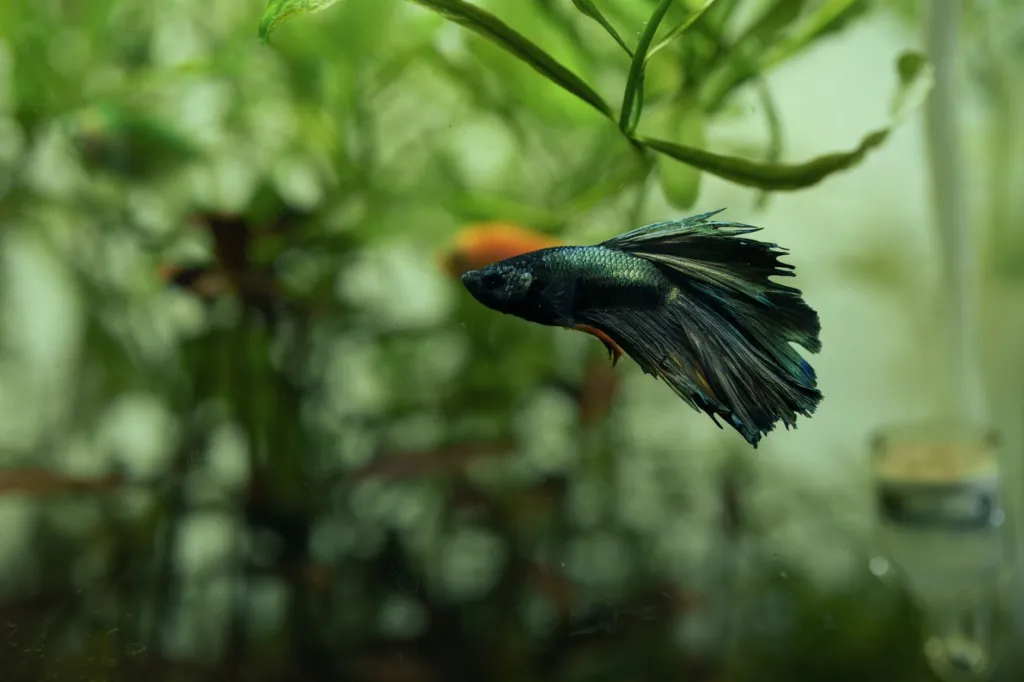
Betta fish are known for their vivid colors and flowing fins, but they also have specific needs when it comes to their living space. Adding the right plants can provide shelter, reduce stress, and promote natural behaviors. This guide will delve into the top choices for plants that flourish in a betta’s aquarium while ensuring a harmonious environment.
Whether you are a seasoned aquarium enthusiast or a beginner, understanding the best aquarium plants for betta fish can help you create a thriving aquatic ecosystem. Let’s explore the top plant options and their unique benefits.
Why Plants are Essential for Betta Fish
Plants play a crucial role in maintaining a healthy aquarium. They provide several benefits for betta fish, which can enhance their quality of life and promote longevity.
Firstly, plants offer shelter and hiding spots. Betta fish can be territorial and may feel stressed in an open environment. With the right plants, they can find places to retreat, which helps them feel safe. Additionally, plants can reduce aggression by breaking the line of sight between competing fish.
Secondly, plants contribute to improved water quality. They absorb carbon dioxide during the day and release oxygen, creating a more balanced ecosystem. This process not only benefits the bettas but also supports beneficial bacteria that help break down waste products in the tank.
Top Aquarium Plants for Betta Fish
Here are some of the best aquarium plants for betta fish, each with unique characteristics that make them ideal for your tank:
- Anubias: A hardy plant that can thrive in low light. It grows slowly and can be attached to rocks or driftwood.
- Java Fern: Another low-maintenance option that prefers low to moderate light. It also provides excellent hiding spots for bettas.
- Amazon Sword: A taller plant that offers a lush background. It needs moderate light and ample nutrients.
- Marimo Moss Balls: These unique algae balls are easy to care for and can float or be placed on the substrate, providing both visual interest and shelter.
- Water Sprite: A fast-growing plant that provides coverage and can help absorb excess nutrients, preventing algae growth.
- Cryptocoryne: Known for its variety of shapes and colors, this plant adapts well to different conditions and is relatively easy to care for.
Choosing the Right Plants
When selecting plants, consider the specific needs of your betta fish and the aquarium environment. Some plants require more light and nutrients than others, so it’s essential to assess your tank’s conditions.
For beginners, low-light plants like Anubias and Java Fern are excellent choices as they do not require special equipment and are less likely to lead to algae problems. Meanwhile, if you are more experienced and can provide the right conditions, plants like Amazon Sword and Water Sprite can thrive and provide stunning visuals.
Additionally, ensure that the plants you choose are safe for betta fish. Avoid thorny or sharp plants that may harm their delicate fins or bodies. Always introduce new plants slowly and monitor your betta’s behavior during the adjustment period.
Plant Care Tips for Betta Fish Tanks
Once you have selected the appropriate plants, proper care is crucial to ensure they thrive in your aquarium. Here are some essential tips for maintaining healthy aquarium plants:
- Lighting: Ensure that your plants receive adequate light based on their needs. Low-light plants can thrive in standard aquarium lighting, while others may require more intense light for optimal growth.
- Fertilization: Regularly fertilize your plants using liquid fertilizers or root tabs based on their specific nutrient requirements. This is especially important for heavy feeders like Amazon Sword.
- Water Quality: Maintain good water quality by performing regular water changes and monitoring parameters such as pH, ammonia, and nitrate levels. Healthy plants contribute to cleaner water.
Common Issues with Aquarium Plants
While many plants are hardy, some may encounter issues that can affect their health and appearance. Common problems include algae overgrowth, yellowing leaves, and stunted growth.
Algae can be a sign of excess nutrients or light exposure. To combat this, consider reducing the light duration or increasing the presence of live plants, which can absorb the nutrients that algae thrive on.
Yellowing leaves often indicate a nutrient deficiency, particularly a lack of nitrogen, iron, or potassium. Adjusting your fertilization routine can help resolve this issue. Stunted growth may result from inadequate light or poor water quality, so ensure both are optimal for plant health.
Combining Plants with Betta Fish Decor
When setting up your aquarium, balancing plants with other decor is essential for creating an aesthetically pleasing environment. Combining plants with items such as rocks, driftwood, and substrate can enhance the overall look of your tank.
For example, pairing tall plants like Amazon Sword with lower-lying plants such as Java Fern creates visual layers in the tank. This not only looks attractive but also provides various hiding spots for your betta. Additionally, using natural materials like driftwood can add texture and encourage beneficial bacteria growth.
It’s also essential to create open swimming spaces. Bettas enjoy exploring their environment, so ensure there is enough room for them to swim freely without feeling trapped. This balance will lead to a healthier and happier betta.
Understanding the Role of Lighting in Plant Growth
Types of Aquarium Lighting
Lighting plays a crucial role in the health of both aquarium plants and betta fish. Selecting the right type of lighting can promote plant growth and create a visually appealing habitat for your betta. There are several types of aquarium lighting to consider:
- LED Lights: Energy-efficient and long-lasting, LED lights are ideal for aquariums. They come in a variety of colors and spectrums, which can enhance plant growth.
- Fluorescent Lights: Traditionally used for aquarium lighting, fluorescent bulbs provide a broad spectrum of light. They are suitable for low to medium-light plants.
- Metal Halide Lights: These are powerful lights that provide intense illumination. They are best for high-light plants but can generate significant heat.
When choosing lighting, consider the needs of your plants and how much light they require daily. Most aquatic plants benefit from about 10 to 12 hours of light per day. A timer can help maintain a consistent lighting schedule, which is essential for plant health and minimizes algae growth.
Light Intensity and Duration
The intensity of light affects the rate of photosynthesis in aquarium plants. Low-light plants, such as Anubias and Java Fern, thrive under moderate lighting conditions, while high-light plants, like Ludwigia and Glossostigma, require more intense light. It’s important to balance light intensity to avoid algae blooms, which can compete with your plants for nutrients and space.
In addition to intensity, the duration of light exposure is critical. Too much light can lead to algae growth, while too little can stunt plant development. A good practice is to start with shorter light cycles and gradually increase them while observing plant responses.
Utilizing Natural Light
While artificial lighting is common, some aquarium owners choose to utilize natural light. Positioning your aquarium near a window can provide adequate sunlight. However, be cautious as direct sunlight can overheat the tank and promote excessive algae growth. If natural light is an option, consider using a sheer curtain to diffuse the light.
Keep a close eye on water temperature and algae levels, adjusting your setup as needed to maintain a balanced environment for both your betta fish and plants.
Creating a Balanced Ecosystem with Fish and Plants
The Benefits of a Planted Aquarium
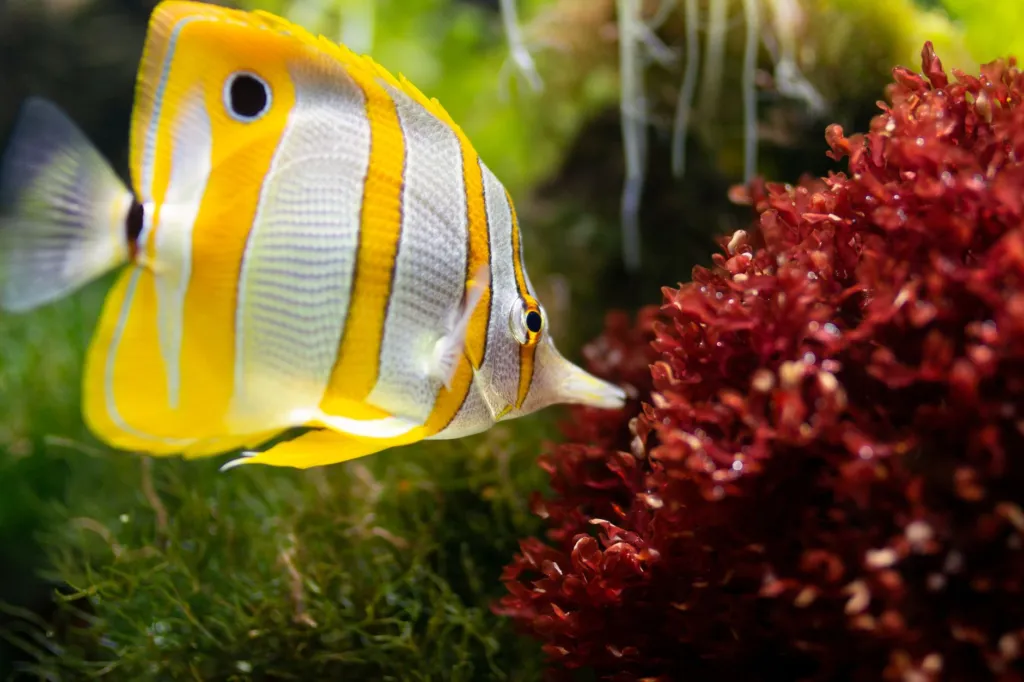
A planted aquarium is not only visually stunning but also beneficial to the ecosystem. Plants provide oxygen, absorb carbon dioxide, and help maintain water quality by absorbing excess nutrients. When properly integrated, plants can reduce stress for your betta fish.
In addition, plants create hiding spots and territories, allowing bettas to exhibit natural behaviors. This can lead to a more active and healthier fish. A balanced ecosystem can also help prevent common diseases associated with poor water quality.
Choosing Compatible Fish with Bettas
When introducing other fish into a planted tank with a betta, it’s vital to choose species that are compatible. Some suitable tank mates include:
- Corydoras Catfish: Peaceful bottom dwellers that keep the substrate clean.
- Neon Tetras: Small, colorful schooling fish that generally stay out of the betta’s territory.
- Snails: Such as Nerite or Mystery Snails, which help control algae and are unlikely to provoke the betta.
Be cautious with fish that have long fins or bright colors, as these may provoke aggression from your betta. Monitor interactions carefully to ensure a harmonious tank environment.
Maintaining Water Parameters
Maintaining stable water parameters is essential for both plant health and fish well-being. Regularly check pH levels, temperature, and ammonia, nitrite, and nitrate levels. Most aquatic plants thrive in a pH range of 6.5 to 7.5, while bettas prefer slightly acidic to neutral water.
Frequent water changes can help keep nitrate levels low, benefiting both plants and fish. A weekly change of 10-20% of the water is recommended to maintain a healthy balance. Utilizing a high-quality water conditioner can also remove harmful chemicals and provide essential nutrients for plant growth.
Advanced Plant Care Techniques for Enthusiasts
Fertilization Strategies for Optimal Growth
Plants in an aquarium require nutrients to thrive, and this is where fertilization comes into play. While some nutrients can come from fish waste, supplemental fertilizers are often needed, especially in a densely planted aquarium.
There are two main types of fertilizers:
- Liquid Fertilizers: Easy to apply and can be dosed according to the needs of your plants. They provide an immediate boost of nutrients.
- Root Fertilizers: These can be added to the substrate and release nutrients slowly, providing a steady supply for root-feeding plants.
Research the specific nutrient requirements of your plants, as different species may have varying needs. A general guideline is to fertilize every two weeks, adjusting based on plant growth and appearance.
Propagation Techniques for Home Aquarists
Propagation is a rewarding way to expand your aquarium garden without purchasing new plants. Many aquatic plants can be propagated through cuttings or division. For example, stem plants like Bacopa and Rotala can be trimmed and replanted to encourage new growth.
Here are some common propagation methods:
- Cuttings: Take a healthy stem cutting and replant it in the substrate. Ensure it has at least a few leaves to support growth.
- Division: Gently separate clumps of plants like Cryptocoryne and Java Fern, ensuring each section has roots.
Propagation can help create a more lush environment for your betta while saving money. Additionally, it allows you to experiment with different layouts in your aquarium.
Dealing with Common Plant Issues
Even the most experienced aquarists may encounter issues with their aquarium plants. Understanding these problems early can prevent them from affecting your entire tank.
Common issues include:
- Algae Growth: Excess nutrients and light can cause algae blooms. Reducing light exposure and nutrient levels can help control this.
- Leaf Rot: Caused by insufficient light or nutrients, yellowing leaves indicate a problem. Increase light and consider adding fertilizers.
- Stunted Growth: This may occur if plants are not receiving adequate nutrients or if the water parameters are off. Regular testing can help identify the cause.
By being proactive and observant, you can maintain a thriving aquarium that is healthy for both your plants and your betta fish.
Frequently Asked Questions
Can betta fish live with live plants?
Yes, betta fish can thrive in tanks with live plants. Plants provide shelter, improve water quality, and create a more natural environment.
Are there any plants to avoid for betta fish?
Avoid sharp or thorny plants as they can injure betta fish. Plants like plastic decorations should also be avoided due to potential damage to their fins.
How often should I change the water in a planted betta tank?
Regular water changes are essential. Aim for 10-20% weekly changes to maintain water quality, especially in a heavily planted tank.
What is the best substrate for aquarium plants with betta fish?
Use nutrient-rich substrates designed for planted aquariums. These substrates provide essential nutrients for plant roots while ensuring a suitable environment for betta fish.
The Bottom Line
Choosing the best aquarium plants for betta fish can significantly enhance their living environment. Plants not only provide shelter and reduce stress but also improve water quality. By selecting the right species and properly caring for them, you can create a vibrant, healthy aquarium that benefits both your betta and the plants. With the right knowledge and tools, you can enjoy the beauty and tranquility of a well-planted betta tank.
Was this article helpful?

Writer at Mad4Pets. Lifelong animal lover who turns research and vet guidance into practical tips for everyday pet parents.