How to Choose Safe Aquarium Decorations for Your Fish
Learn how to choose safe aquarium decorations for your fish. This guide covers materials, types, and tips for a healthy aquatic environment.

Key takeaways
- Select non-toxic materials for your aquarium.
- Consider the size and shape of decorations.
- Regularly clean and maintain decorations.
Creating a beautiful aquarium is more than just adding fish and water. The decorations you choose play a vital role in the health and happiness of your aquatic pets. Understanding how to choose safe aquarium decorations is essential for both aesthetic appeal and the well-being of your fish.
This guide will walk you through various aspects of selecting safe decorations, from materials to types, ensuring your aquarium is a safe haven for your fish. With a little knowledge, you can create a stunning underwater world that is both visually pleasing and safe for your inhabitants.
As you embark on decorating your aquarium, remember that the safety of your fish should always come first. Let’s dive into the important factors to consider when selecting aquarium decorations.
Understanding Materials
The materials used in aquarium decorations can significantly impact the health of your fish. It’s crucial to understand which materials are safe and which should be avoided.
Common materials for aquarium decorations include:
- Plastic: Generally safe if labeled aquarium-safe. Avoid cheap plastics that may leach chemicals.
- Glass: Non-toxic and durable, glass decorations can enhance the beauty of your aquarium without risking harm to your fish.
- Natural materials: Wood and stone can be great additions, but ensure they are untreated and sourced from safe environments.
When choosing materials, always look for products labeled as non-toxic or aquarium-safe. This label indicates that the item has been tested and is deemed safe for aquatic life. Avoid items made from harmful substances like lead or painted materials that may chip and contaminate the water.
Types of Aquarium Decorations
There are numerous types of decorations you can use to create a vibrant aquarium. Each type serves different purposes and can cater to the needs of various fish species.
Here are some popular types of aquarium decorations:
- Plants: Live plants provide hiding spots and help with water quality. Artificial plants can also be used, but ensure they have no sharp edges.
- Rocks and caves: Natural rocks or specially designed caves offer shelter and breeding spots for fish, promoting a healthy environment.
- Statues and ornaments: These add personality to your aquarium. Ensure they are made from non-toxic materials and do not have sharp edges.
Choosing the right combination of these decorations can create a balanced ecosystem. For instance, a mix of live plants and rocks can provide both aesthetics and functional benefits for your fish.
Size and Scale Considerations
When selecting decorations, consider the size and scale of both your aquarium and your fish. Overly large ornaments can take up valuable swimming space and make your fish feel cramped.
To determine the right size, consider the following factors:
- Aquarium size: A larger tank can accommodate bigger decorations, while a small tank requires smaller, less intrusive items.
- Fish size: Ensure that decorations do not overwhelm smaller fish or pose a risk of injury to them.
- Swimming space: Leave enough open space for fish to swim comfortably. Decorations should enhance the tank, not hinder movement.
Maintaining a good balance of open space and decorated areas will reduce stress for your fish, promoting a healthier environment.
Cleaning and Maintenance of Decorations
Regular cleaning of your aquarium decorations is essential for maintaining a healthy environment. Algae and debris can accumulate, affecting both aesthetics and water quality.
Here are some tips for cleaning and maintaining your decorations:
- Remove decorations: Take decorations out of the tank during water changes. This allows for thorough cleaning.
- Use a soft brush: A soft-bristled brush can help remove algae without damaging the decorations.
- Rinse with water: Always rinse decorations with water before placing them back in the aquarium. Avoid using soap or chemicals, as these can be harmful to fish.
Establish a routine for cleaning your decorations, ideally during regular water changes. This practice will help keep your aquarium looking its best while ensuring a safe habitat for your fish.
Choosing Non-Toxic Decorations
In addition to understanding materials and maintenance, it is crucial to choose non-toxic decorations. Some decorations may seem harmless but could leach harmful chemicals into the water.
To ensure safety, follow these guidelines:
- Research brands: Look for reputable brands that specialize in aquarium products. Customer reviews can also guide your choices.
- Check for certifications: Products with certifications indicating they are safe for aquatic life are generally a better choice.
- Avoid painted items: Paint can chip and release toxins into the water. Opt for natural or unpainted options whenever possible.
Choosing safe, non-toxic decorations will help create a thriving environment for your fish and prevent potential health issues.
Special Considerations for Specific Fish Types
Different species of fish have varying needs and preferences when it comes to decorations. Understanding these needs can help ensure your fish feel secure and comfortable.
Here are some considerations based on fish types:
- Community fish: Fish that live in groups thrive in environments with plenty of hiding spots. Consider using plants and caves.
- Aggressive species: Fish known for territorial behavior may require more defined boundaries. Use larger decorations or dividers to create space.
- Small fish: Ensure that decorations do not pose a risk. Small fish can easily get stuck or injured in gaps or sharp edges.
Take the time to research the specific needs of your fish species when selecting decorations. This approach will help create a harmonious tank environment.
Understanding the Impact of Colors on Fish Behavior
Color Psychology in Aquatic Environments
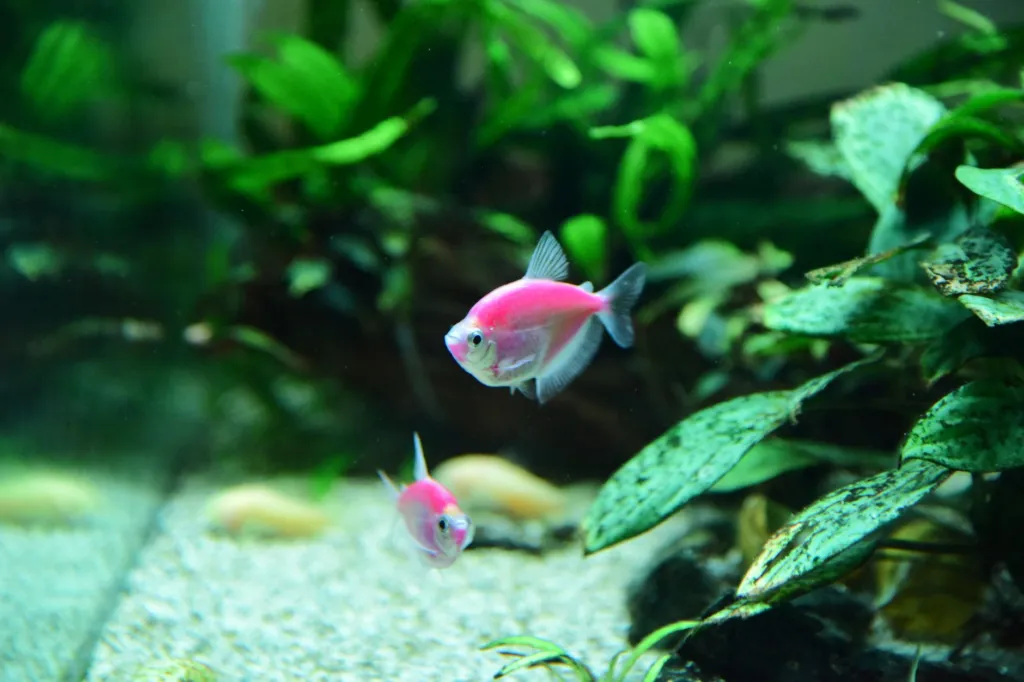
The colors of decorations in an aquarium can significantly influence the behavior and well-being of fish. Different colors evoke various responses in aquatic animals, similar to how they can affect human emotions. For instance, warm colors like red and orange can stimulate activity and aggression, while cool colors such as blue and green tend to have a calming effect. This means that the choice of decorations not only contributes to the aesthetic appeal of the aquarium but can also play a vital role in the mental health of the fish.
When selecting decorations, consider how colors may impact your fish’s behavior:
- Warm Colors: Encourage exploration and excitement.
- Cool Colors: Promote relaxation and reduce stress.
- Neutral Colors: Help create a balanced environment.
Creating a Balanced Color Palette
To create a harmonious environment, it’s essential to balance the color palette of your aquarium. A mix of warm and cool colors can help ensure that fish have both stimulating and calming areas to retreat to. When planning your aquarium’s color scheme, consider using natural elements like rocks and plants that mimic the fish’s natural habitat. This not only enhances the visual appeal but also contributes to the fish’s comfort and security.
Some tips for achieving a balanced color palette include:
- Use a variety of decorations in different colors to promote diversity.
- Incorporate plants that provide natural shades and textures.
- Consider the lighting in your aquarium, as it can enhance or alter the appearance of colors.
Assessing the Structural Safety of Decorations
Evaluating Edges and Surfaces
When choosing aquarium decorations, safety should be a top priority. Sharp edges or rough surfaces can pose a risk to fish, potentially causing injuries. Fish are often curious and may rub against decorations, so it is crucial to evaluate the structural integrity of each piece. Look for items that are smooth and free from any sharp protrusions.
To assess the safety of decorations, consider the following:
- Check for Sharp Edges: Run your fingers over the surface to identify any potentially harmful areas.
- Inspect for Stability: Ensure that decorations are stable and won’t easily tip over, as this could injure fish.
- Consider the Size: Larger decorations should not have hidden crevices where fish could become trapped.
Choosing the Right Material for Structural Integrity
The material of aquarium decorations contributes significantly to their structural integrity. Materials such as ceramic and resin are typically safer and more durable compared to glass or plastic, which can shatter or degrade over time. It is essential to choose decorations made from high-quality materials that are designed specifically for aquarium use. These materials are often tested to ensure they do not leach harmful substances into the water.
Here are some materials to consider:
- Ceramic: Durable and safe, often used for plants and figures.
- Resin: Non-toxic and versatile, available in various shapes and styles.
- Natural Stone: Provides a natural look but must be tested for harmful substances.
Enhancing Aquatic Habitat with Functional Decorations
Providing Hiding Spots and Shelters
Functional decorations are essential for creating a healthy and stress-free environment for fish. Many species require hiding spots and shelters to feel secure. This is especially true for shy or territorial fish, which may become stressed if they do not have adequate places to retreat. Decorations like caves, tunnels, and dense plant arrangements serve as vital hiding spots.
Incorporating functional decorations can lead to a more balanced ecosystem:
- Hiding Spots: Use caves or hollow logs for fish to hide in.
- Vertical Space: Opt for decorations that utilize vertical space to create layers.
- Plant Coverage: Combine hardscape with live plants to provide natural hiding spots.
Encouraging Natural Behavior
Functional decorations can also encourage natural behaviors in fish, such as spawning, foraging, and territory establishment. For example, certain decorations can mimic rocks and plants found in natural habitats, which can stimulate breeding behaviors in some species. The presence of varied decorations can promote exploration and reduce aggression by allowing fish to establish their territories without conflict.
To support natural behaviors, consider these strategies:
- Varied Terrain: Create different levels and structures to encourage exploration.
- Natural Decor: Use decorations that imitate the natural environment of the fish.
- Groupings: Arrange decorations in clusters to create distinct territories.
Understanding the Importance of Water Chemistry
How Decorations Influence pH Levels
Many aquarium decorations can alter the pH levels of the water, which is crucial for maintaining a healthy environment for your fish. For instance, natural decorations made from limestone can raise the pH, making the water more alkaline. Conversely, driftwood can lower the pH, creating a more acidic environment. It is essential to monitor these changes, as drastic fluctuations can stress fish and lead to health problems.
Effects of Chemical Leaching
Some decorations, especially those not specifically designed for aquariums, may leach harmful chemicals into the water. This leaching can come from paints, glues, or other materials used in the decoration’s construction. Regularly testing your water for harmful substances can help you identify any issues arising from your decorations. Always choose aquarium-safe products and do thorough research on any new additions.
- Avoid materials with unknown chemicals.
- Opt for decorations labeled as non-toxic.
- Consider using aquarium-safe sealants if necessary.
Creating a Stress-Free Environment
Hiding Places for Fish
Providing hiding spots within the aquarium is essential for reducing stress among your fish. Decorations that offer shelter, such as caves or dense plants, allow fish to retreat and feel safe. This is particularly important for shy species or those that are more territorial. Ensure that these hiding spots are easily accessible and don’t create barriers that could trap or harm your fish.
Avoiding Sharp Edges
When selecting decorations, it’s vital to check for sharp edges that could injure your fish. Fish are often curious and may rub against decorations. Decorations made from smooth materials or those designed with rounded edges can prevent injuries. Regularly inspect your decorations to ensure they remain safe over time, especially after cleaning or if they have been disturbed.
- Inspect decorations before adding them to the tank.
- Sand down any sharp edges if necessary.
- Replace damaged decorations promptly.
Integrating Natural Elements
The Role of Live Plants
Integrating live plants into your aquarium can enhance both the aesthetic and biological aspects of the environment. Live plants contribute to oxygen production and provide natural hiding spaces for fish. They also help absorb excess nutrients, reducing the risk of algae growth. Choose species that are compatible with your fish and the conditions of your tank.
Natural Decor vs. Artificial Decor
While artificial decorations can be visually appealing and require less maintenance, they do not provide the same benefits as natural elements. Natural decorations, like rocks and driftwood, can promote beneficial bacteria growth, which is crucial for maintaining water quality. When selecting between the two, consider the balance between visual appeal and the health benefits for your fish.
- Evaluate the specific needs of your fish.
- Consider the maintenance requirements of live plants.
- Research natural decor options that suit your aquarium’s ecosystem.
Frequently Asked Questions
Can I use any type of plastic decoration in my aquarium?
No, only use plastics that are labeled aquarium-safe. Cheap plastics may leach harmful chemicals into the water.
Are live plants better than artificial ones?
Live plants can improve water quality and provide oxygen, but they require maintenance. Artificial plants are easier to care for but lack the benefits of live plants.
How often should I clean aquarium decorations?
It’s best to clean decorations during regular water changes, typically every two weeks. This routine helps prevent algae buildup and keeps your tank healthy.
What should I avoid when choosing aquarium decorations?
Avoid decorations with sharp edges, painted surfaces, or materials that are not designed for aquarium use. These can harm your fish or compromise water quality.
The Bottom Line
Choosing safe aquarium decorations is essential for the health and happiness of your fish. Focus on non-toxic materials, appropriate sizes, and the specific needs of your fish species. Regular maintenance will ensure your aquarium remains a beautiful and safe environment. By following these guidelines, you can create a stunning underwater world that both you and your fish will enjoy.
Was this article helpful?

Writer at Mad4Pets. Lifelong animal lover who turns research and vet guidance into practical tips for everyday pet parents.