How to Train a Horse to Accept a Saddle Effectively
Learn how to train a horse to accept a saddle with these effective methods, ensuring a comfortable and enjoyable experience for both you and your horse.


Key takeaways
- Start with groundwork to build trust.
- Introduce the saddle gradually to avoid stress.
- Use positive reinforcement techniques throughout training.
Training a horse to accept a saddle is a crucial step in preparing for riding. This process can be a rewarding experience for both the horse and the rider. However, it is essential to approach this training with care and understanding. Horses are sensitive animals, and sudden changes can lead to anxiety or resistance.
Before beginning the training, it’s important to establish a trusting relationship with your horse. This rapport will make the process smoother and more enjoyable. The goal is to ensure that the horse views the saddle as a normal part of its routine, rather than a source of discomfort or fear.
In this guide, we will explore effective strategies to help your horse accept a saddle calmly and confidently. From groundwork to the final saddling, each step plays a vital role in the training process.
Understanding Your Horse’s Behavior
Before you start training, it’s crucial to understand your horse’s behavior. Horses communicate through body language, and recognizing these signs can help you gauge their comfort level throughout the process.
Common signs of stress in horses include:
- Fidgeting or moving away when approached.
- Pinning ears back or swishing tail.
- Raising their head or becoming tense in their body.
- Trying to kick or bite when a saddle is introduced.
Identifying these behaviors early can help you adjust your training methods to better suit your horse’s needs. Remember, patience is key; rushing the process can lead to negative associations with the saddle.
Recognizing Comfort Zones
Every horse has its own comfort zone regarding handling and equipment. Pay attention to how your horse reacts to different stimuli, including touch, sounds, and objects. This awareness will guide you in creating a training plan that respects their limits.
Start by working in a safe, familiar environment where your horse feels at ease. Gradually introduce the saddle and other equipment in a way that feels non-threatening. Allow your horse to investigate the saddle at their own pace.
Preparing for Saddling
Preparation for saddling involves more than just the physical act of putting the saddle on the horse. It includes mental and emotional readiness for both you and your horse.
Begin with groundwork exercises to build trust and respect. These exercises can include:
- Leading the horse in a calm manner.
- Practicing haltering and groundwork commands.
- Desensitizing the horse to touching different areas of the body.
Groundwork strengthens your bond and helps your horse associate your presence with positive experiences. This foundation is vital for a successful saddling process.
Desensitization Techniques
Desensitization is the process of gradually exposing your horse to the saddle and related equipment. The goal is to help your horse become accustomed to the sensations and sounds associated with saddling.
Start by placing the saddle on the ground near your horse. Allow them to explore it at their own pace. Once they seem comfortable, you can gently touch them with the saddle pad or girth. Gradually increase the level of exposure over time.
During this process, consistently reward your horse for calm behavior. This can be done using treats, praise, or gentle pats. Reinforcement will help create a positive association with the saddle.
Introducing the Saddle
Once your horse is comfortable with the saddle pad, it’s time to introduce the saddle itself. This step should be approached slowly and carefully.
Follow these steps for effective saddling:
- Position the saddle near your horse and allow them to sniff it.
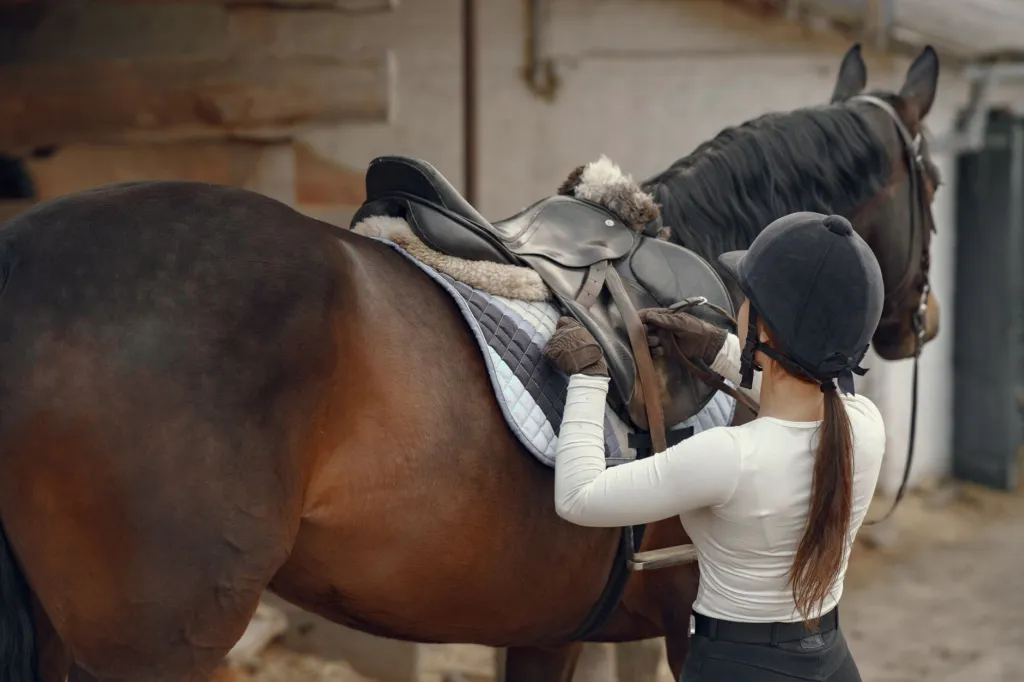
- Gently place the saddle on the horse’s back, ensuring it is balanced and secure.
- Adjust the girth gradually, allowing your horse to feel the pressure without forcing it.
- Monitor your horse’s reactions closely and be ready to remove the saddle if they show signs of distress.
Throughout this process, keep your horse relaxed by speaking softly and maintaining a calm demeanor. If they seem uncomfortable, take a step back and allow them to adjust.
Gradual Exposure to Movement
After the saddle is securely placed, it’s time to introduce movement. Start by walking your horse in a controlled environment. This allows them to experience the saddle while remaining calm.
Observe how your horse reacts to the movement. If they seem anxious, reduce the amount of time you’re walking or return to standing still. Gradually increase the duration of the exercise as your horse becomes more comfortable.
As they adapt to wearing the saddle, start incorporating light groundwork commands, such as turning or stopping. This will help them associate movement with the saddle in a positive way.
Positive Reinforcement and Consistency
Positive reinforcement is an essential element of horse training. By rewarding desired behaviors, you encourage your horse to repeat those actions in the future.
Use treats or verbal praise whenever your horse remains calm during saddling. This reinforcement will strengthen their trust in you and reduce anxiety over time.
Consistency in your training routine is also crucial. Regular practice will help your horse acclimate to the saddle more efficiently. Aim for short, positive training sessions several times a week rather than lengthy sessions that may overwhelm the horse.
Building a Routine
Creating a consistent saddling routine can help your horse feel more secure. Establish specific cues or commands that signal it’s time for saddling. This predictability can help reduce anxiety.
Consider the following when building your routine:
- Choose a quiet time and place for training.
- Use the same equipment consistently to create familiarity.
- Introduce other horses to the process, if possible, to help with social reinforcement.
Over time, your horse will develop a sense of normalcy around the saddling process, making it easier for both of you.
Common Challenges and Solutions
While training a horse to accept a saddle can be rewarding, challenges may arise. Understanding common issues can help you address them effectively.
Some typical challenges include:
- Resistance to the saddle due to discomfort or pain.
- Fear of the saddle’s movement or noise.
- Lack of trust in the handler.
To address these challenges, consider the following solutions:
- If you suspect discomfort, consult a veterinarian to rule out any physical issues.
- Introduce the saddle gradually, allowing time for exploration and adjustment.
- Reinforce trust by spending quality time with your horse outside of training sessions.
Always be patient and ready to modify your approach based on your horse’s reactions.
Maintaining a Positive Relationship
Building a relationship based on trust and respect is key in any training process. Regular interaction outside of training can strengthen this bond.
Consider incorporating grooming sessions and gentle handling into your routine. These activities foster a sense of safety and comfort for your horse.
As your horse becomes more comfortable with the saddle, continue to engage them in various activities. This could include light riding, ground exercises, or simply spending time together in the pasture.
Long-term Training Goals
It’s important to view the training process as an ongoing journey. Your horse may continue to develop their comfort level with the saddle over time.
Set long-term goals that include:
- Regularly checking saddle fit to ensure comfort.
- Continually reinforcing positive experiences through varied activities.
- Monitoring your horse’s behavior to identify any potential stressors.
By maintaining a focus on positive training and relationship-building, you and your horse can enjoy a fulfilling and enjoyable riding experience.
Choosing the Right Saddle
Understanding Saddle Types
When selecting a saddle, it is essential to understand the various types available. Each saddle is designed for different riding styles, horse builds, and rider preferences. For example, English saddles are typically lighter and allow for closer contact with the horse, while Western saddles offer more security and a larger seat. It is important to consider your horse’s build and the type of riding you plan to do when choosing a saddle.
Here are some common saddle types:
- English Saddle: Ideal for dressage, show jumping, and eventing.
- Western Saddle: Suitable for trail riding, cattle work, and rodeo events.
- Endurance Saddle: Lightweight and designed for long-distance rides.
- Treeless Saddle: Offers flexibility and comfort for both horse and rider.
Fitting the Saddle Properly
Once you have chosen a saddle type, ensuring a proper fit is crucial for your horse’s comfort and performance. An ill-fitting saddle can lead to pain, behavioral issues, and even long-term injuries. To assess the fit, place the saddle on your horse’s back without a pad and check for the following:
- The saddle should sit evenly on both sides of the horse’s back.
- There should be adequate clearance over the withers and spine.
- The saddle should not sit too far forward or backward.
Involving a professional saddle fitter can be beneficial in achieving the best fit for your horse. They can provide insights on adjusting the saddle’s tree, panels, and girth to ensure optimal comfort.
Monitoring Saddle Fit Over Time
As your horse grows, changes shape, or gains or loses weight, it is important to regularly check the fit of the saddle. Frequent adjustments may be needed, especially in young horses or those undergoing significant training. Signs of an ill-fitting saddle include:
- Changes in behavior during saddling or riding.
- White hair or sore spots on the horse’s back.
- Difficulty maintaining a good riding position.
Regularly assess the fit, preferably after each significant riding session or training milestone, to ensure your horse remains comfortable and willing to accept the saddle.
Developing a Saddling Routine
Creating a Consistent Pre-ride Routine
Establishing a consistent pre-ride routine can help your horse become more accustomed to the saddling process. Horses thrive on routine and predictability, which can reduce anxiety associated with saddling. Consider incorporating the following steps into your pre-ride routine:
- Grooming: A thorough grooming session not only helps your horse feel comfortable but also reinforces trust.
- Groundwork: Spend time on groundwork exercises to build focus and respect before introducing the saddle.
- Desensitization: Gradually introduce your horse to saddle-related equipment, such as pads and girths, before actual saddling.
This routine, when performed consistently, allows your horse to anticipate the saddling process, reducing stress and improving acceptance.
Incorporating Positive Associations
To further enhance your horse’s acceptance of the saddle, consider incorporating positive associations during each saddling session. Use treats, verbal praise, or gentle scratches in areas where your horse enjoys being touched. By associating the saddling process with positive experiences, you can help foster a more willing attitude. Here are some ways to create positive associations:
- Offer treats immediately after saddling to reinforce good behavior.
- Use a calm and soothing voice to reassure your horse during the process.
- Allow your horse time to explore the saddle and sniff it before placing it on their back.
Gradual Integration of Riding
Once your horse has accepted the saddle, it’s time to begin integrating riding into the process. Start slowly, allowing your horse to adjust to the weight and feel of the rider. Begin with short sessions, focusing on maintaining a relaxed atmosphere. Gradually increase the duration of rides over time, as your horse becomes more comfortable. Important aspects to consider include:
- Riding in familiar areas or environments to reduce distractions.
- Incorporating breaks and rewards during rides to reinforce positive behavior.
- Gradually introducing new maneuvers or challenges as your horse builds confidence.
This gradual integration will help ensure that your horse associates riding with positive experiences and comfort.
Maintaining Equipment and Hygiene
Regular Saddle Maintenance
Maintaining your saddle is crucial for both your horse’s comfort and the longevity of the equipment. Regular cleaning and conditioning can prevent damage from dirt and sweat buildup. To maintain your saddle effectively, follow these steps:
- Clean the saddle with a damp cloth after each ride.
- Use a saddle soap to remove dirt and grime, followed by a leather conditioner to keep the leather supple.
- Inspect the saddle regularly for signs of wear, including broken stitching and hardware.
By keeping your saddle in good condition, you ensure that it remains comfortable for your horse and safe for riding.
Hygiene Practices for Tack and Equipment
In addition to saddle maintenance, hygiene practices for all tack and equipment are essential for preventing skin issues and infections. Here are some hygiene practices to implement:
- Clean girths and pads regularly to remove sweat and debris.
- Store tack in a clean, dry environment to prevent mold and mildew.
- Check for and address any signs of fungus or skin irritation as soon as they arise.
Monitoring Your Horse’s Skin Health
While training your horse to accept a saddle, keep a close eye on their skin health. Regular grooming is essential, as it allows you to check for any signs of irritation or discomfort that may arise from saddling. Some signs to watch for include:
- Redness or swelling around the saddle area.
- Changes in coat condition or texture.
- Behavioral changes, such as flinching or moving away when the saddle is approached.
If you notice any concerning signs, consult with a veterinarian to address potential issues promptly. Maintaining your horse’s skin health is fundamental to their overall well-being and successful saddling.
Frequently Asked Questions
How long does it take to train a horse to accept a saddle?
The time it takes varies from horse to horse. Some horses may accept the saddle within a few sessions, while others may need weeks or months. Patience is key.
What if my horse refuses to accept the saddle?
If your horse is resistant, revisit the desensitization process. Ensure they are comfortable with the saddle and try to identify any potential discomfort or fear triggers.
Can I saddle a horse that has never been trained before?
Yes, but it is essential to start with groundwork and desensitization techniques before attempting to saddle. Take your time to build comfort and trust.
Is it safe to saddle a young horse?
Yes, but ensure the horse is physically and mentally mature enough for saddling. Consulting with an experienced trainer can help in making this decision.
The Bottom Line
Training a horse to accept a saddle is a vital step for any rider. Through patience, understanding, and consistent positive reinforcement, you can help your horse become comfortable with this essential equipment. Remember to focus on building a strong relationship and recognizing your horse’s individual needs throughout the training process.
Was this article helpful?

Writer at Mad4Pets. Lifelong animal lover who turns research and vet guidance into practical tips for everyday pet parents.