Essential Guide to Choosing a Horse Grooming Kit
Learn how to choose the perfect horse grooming kit with our comprehensive guide to essential tools and tips for every horse owner.

Key takeaways
- Understand the essential tools for grooming.
- Choose the right grooming kit for your horse's needs.
- Consider your horse's coat type and sensitivity.
- Regular grooming promotes health and bonding.
Choosing the right horse grooming kit is an essential part of maintaining your horse’s health and appearance. A well-groomed horse not only looks good but also feels better and is generally healthier. Grooming helps to remove dirt, debris, and loose hair, while also facilitating skin health by improving circulation. In this guide, we will explore the various tools included in a grooming kit, how to choose the right one for your horse, and some best practices for grooming.
Whether you are a seasoned equestrian or a new horse owner, understanding the components of a grooming kit is vital. A good grooming routine can enhance your horse’s overall well-being and strengthen the bond between you and your equine friend. Let’s delve into the essentials of selecting a grooming kit and how to effectively use it.
Before we dive into the specifics, it’s important to note that every horse is different. Factors such as breed, coat type, and individual temperament should all be considered when assembling a grooming kit. This guide aims to provide you with the knowledge necessary to make informed decisions for your horse’s grooming needs.
Understanding the Essential Tools
A horse grooming kit typically includes several essential tools, each serving a specific purpose. Familiarizing yourself with these tools can help you choose a kit that meets your horse’s needs.
1. Brushes
Brushes are fundamental tools in any grooming kit. Different types of brushes serve various purposes:
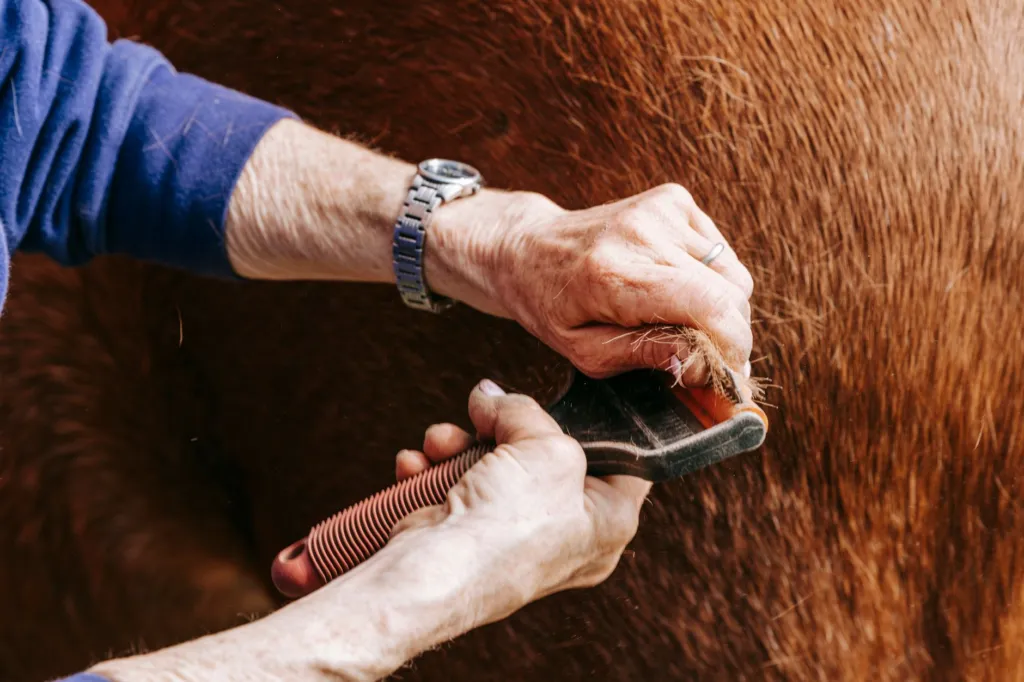
- Currying Brush: Used to loosen dirt and hair, this brush has a rubber or plastic base with short bristles.
- Dandy Brush: Often made of stiff bristles, this brush is used after the curry to remove the dirt and debris that have been lifted.
- Body Brush: This softer brush is used for the final touch, providing a shine to the coat and removing finer dirt.
2. Hoof Care Tools
Taking care of your horse’s hooves is just as important as grooming its coat. Essential hoof care tools include:
- Hoof Pick: A must-have for removing dirt and stones from the hooves.
- Brush: A softer brush specifically designed for cleaning the hoof wall.
- Hoof Oil: To keep hooves moisturized and prevent cracking.
3. Mane and Tail Care
Proper care for the mane and tail is essential for maintaining your horse’s overall appearance:
- Mane Comb: A wide-toothed comb helps to detangle the mane without causing damage.
- Tail Brush: A brush with softer bristles is ideal for the tail.
- Detangler Spray: This can help make the grooming process smoother and less painful for the horse.
Choosing the Right Grooming Kit
When it comes to selecting a grooming kit, consider your horse’s specific needs. Different horses may require different tools based on their coat type, environment, and health. Here are some factors to consider:
1. Coat Type
Your horse’s coat type significantly affects the grooming tools you should choose. For instance:
- Short Hair: Horses with short coats may need stiffer brushes for effective grooming.
- Long Hair: Longer-haired horses often require softer brushes and combs to avoid pulling.
- Special Considerations: Horses with sensitive skin may benefit from softer materials to prevent irritation.
2. Horse’s Activity Level
A horse that is active in competitions or trails may accumulate more dirt and sweat, necessitating a more robust grooming kit:
- Frequent Riders: Consider a kit with a variety of brushes and hoof care tools.
- Less Active Horses: A basic kit may suffice for horses with a more sedentary lifestyle.
3. Storage and Portability
Grooming kits come in various forms, from simple bags to organized boxes:
- Size: Consider how many tools you need and how much space you have.
- Portability: If you travel often with your horse, a portable option may be beneficial.
- Organization: Look for kits that allow easy access to tools and help you keep everything tidy.
Best Practices for Grooming
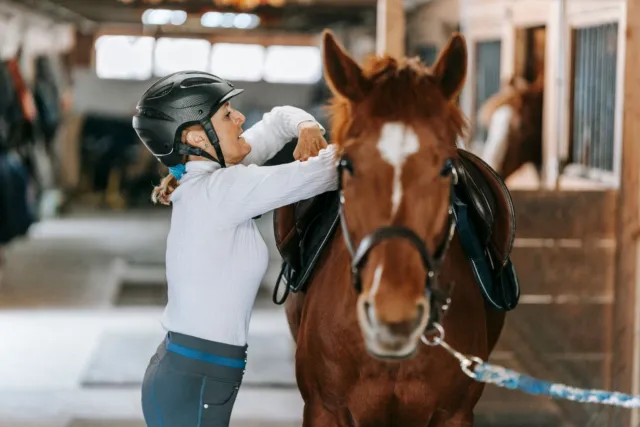
Once you’ve selected the right grooming kit, it’s essential to establish a grooming routine. Regular grooming not only helps maintain your horse’s cleanliness but also serves as a bonding experience.
1. Create a Routine
Establishing a grooming routine can help you and your horse become accustomed to the process:
- Consistency: Aim to groom your horse at the same time each day.
- Calm Environment: Choose a quiet location free from distractions.
- Positive Reinforcement: Use treats or praise to create a positive association with grooming.
2. Be Mindful of Sensitivity
Some horses may have sensitive areas that require extra care:
- Test Sensitivity: Always start grooming in less sensitive areas and observe your horse’s reactions.
- Adjust Pressure: Be gentle in areas where your horse may flinch or move away.
- Watch for Signs: Signs of discomfort may include pinned ears or tail swishing.
3. Focus on Health
Grooming is also an opportunity to check your horse’s health:
- Skin Condition: Look for signs of irritation, parasites, or wounds.
- Hoof Inspection: Regularly check for cracks, chips, or any signs of thrush.
- Overall Condition: Grooming can help you assess your horse’s overall health and well-being.
Understanding Different Coat Types
Before selecting a grooming kit, it’s essential to understand your horse’s coat type. Horses can have a variety of coat types, including smooth, coarse, long, or thin. Each type requires different grooming tools and techniques to maintain their coat health and appearance.
Smooth Coats
Smooth-coated horses, such as Thoroughbreds, have short, fine hair that lies flat against the skin. Grooming these horses typically involves tools that remove dirt and loose hair without damaging the coat. A rubber curry comb is excellent for this purpose as it effectively loosens dirt and debris while being gentle on the skin.
- Rubber curry comb
- Slicker brush
- Soft bristle brush
When grooming smooth coats, it is crucial to use a soft bristle brush after the curry comb to polish the coat and enhance its shine. Regular grooming not only keeps the coat looking its best but also promotes healthy skin by stimulating natural oil production.
Long Coats
Horses with long coats, such as those with a heavy winter coat or breeds like the Fjord, require more specialized tools. A wide-toothed comb can help detangle the hair without pulling. Additionally, a mane and tail brush can help keep these areas free from knots and tangles.
- Wide-toothed comb
- Mane and tail brush
- De-shedding tool
Grooming long coats can be time-consuming, but it’s essential for preventing skin issues and maintaining a healthy coat. Pay special attention to areas where dirt and debris tend to accumulate, like the belly and legs.
Coarse and Curly Coats
Some horse breeds, like the Gypsy Vanner, have coarse or curly coats. These coats require more robust grooming tools, as they can trap dirt and moisture more easily. A metal curry comb can be beneficial for loosening dirt and hair, while a stiff bristle brush can help remove debris effectively.
- Metal curry comb
- Stiff bristle brush
- De-shedding tool
When grooming coarse or curly coats, be sure to work in sections and use gentle, steady pressure to avoid irritating the skin. Regular grooming will help prevent matting, which can lead to skin irritation and discomfort.
Seasonal Grooming Considerations
Grooming needs can vary significantly depending on the season. Horses go through natural shedding cycles, and their coats change in response to temperature and environmental conditions. Being aware of these seasonal changes can help you select the right grooming tools and practices.
Spring Shedding
In spring, many horses shed their winter coats, which can lead to an increased amount of loose hair around the stable. A shedding blade or de-shedding tool can be particularly helpful during this time. These tools are designed to catch and remove loose hair efficiently.
- Shedding blade
- De-shedding tool
- Rubber curry comb
It’s also a good idea to increase your grooming frequency during shedding season to help your horse shed out more comfortably. Regular grooming can prevent the buildup of loose hair, which can contribute to skin issues.
Summer Care
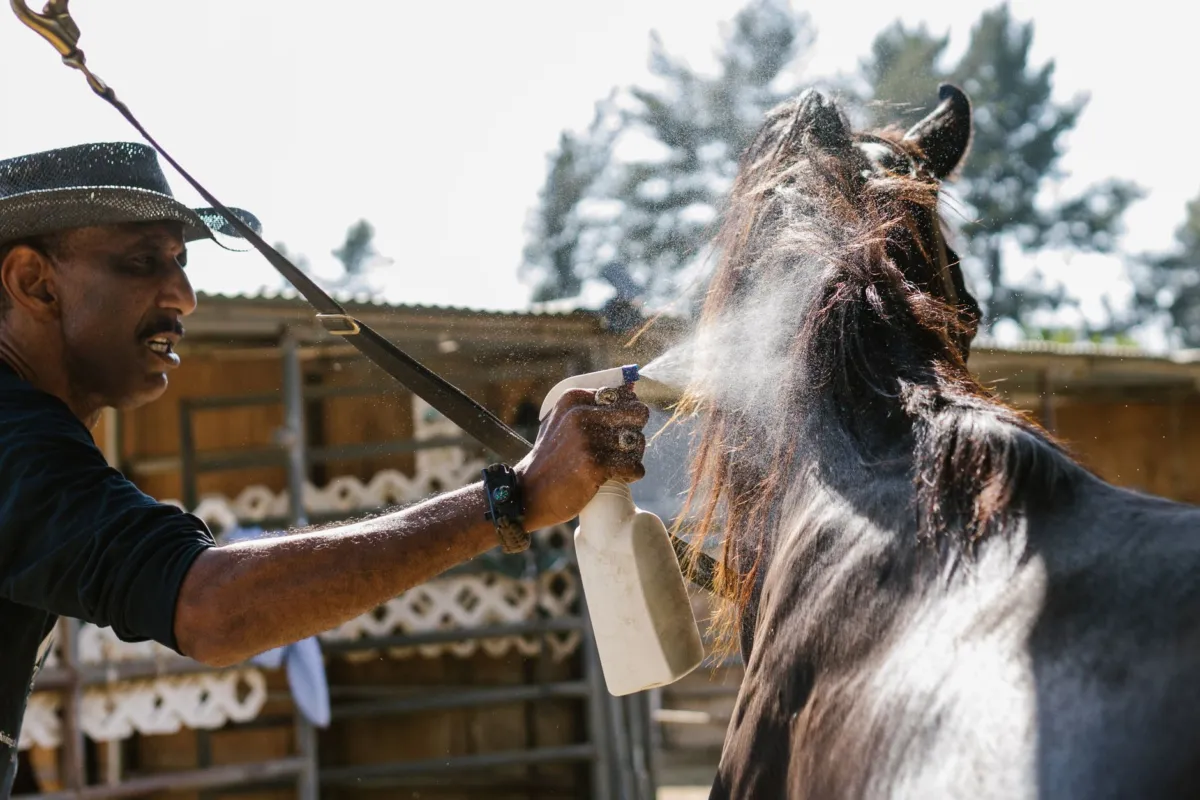
During the summer months, horses are more prone to sweat and insect bites. Grooming becomes essential for maintaining hygiene and comfort. A fly spray or a grooming tool with insect-repellent properties can be a valuable addition to your kit.
- Insect-repellent spray
- Soft bristle brush
- Waterproof grooming mitt
Regularly grooming your horse in the summer helps keep their coat clean and free from sweat, which can lead to skin irritations. Pay close attention to areas where sweat accumulates, such as under the saddle and near the girth.
Winter Grooming
In winter, horses tend to grow thicker coats, which can trap moisture and dirt. Using a stiff bristle brush helps to remove mud and debris effectively. A good quality blanket can also play a crucial role in maintaining your horse’s coat during this time.
- Stiff bristle brush
- Waterproof blanket
- Horse shampoo suitable for winter
Winter grooming should focus on keeping your horse dry and clean. Regular checks for any skin irritations or sores are essential as well, as the winter coat can sometimes hide underlying issues.

Special Grooming Techniques for Specific Needs
Some horses may have specific grooming needs based on their age, health status, or breed characteristics. Understanding these needs can help you provide the best care possible.
Grooming Older Horses
Older horses may have more sensitive skin and less flexibility, which can affect their grooming routine. Using softer brushes and gentle grooming techniques is essential. A grooming mitt can be beneficial as it provides a gentler approach to removing dirt while allowing you to feel for any lumps or bumps.
- Soft grooming mitt
- Gentle curry comb
- Moisturizing coat conditioner
Pay close attention to the areas around the joints and under the belly, as older horses may experience stiffness that makes grooming these areas uncomfortable. Regular grooming can help maintain mobility and skin health.
Horses with Sensitive Skin
Some horses have sensitive skin and may react to certain grooming tools or products. In such cases, it’s important to choose hypoallergenic grooming products and tools with soft bristles. A natural bristle brush can be an excellent choice for these horses.
- Natural bristle brush
- Hypoallergenic grooming wipes
- Gentle shampoo
Always monitor your horse for any signs of irritation during grooming and adjust your techniques or products accordingly. Regular grooming can help condition the skin and minimize the likelihood of allergic reactions.
Grooming Show Horses
Show horses require meticulous grooming to maintain a polished appearance. This includes using specialized tools like finishing brushes and coat conditioners to enhance shine. A good grooming kit for show horses should include a variety of tools tailored to achieve a sleek finish.
- Finishing brush
- Shine-enhancing coat spray
- Tail comb
Show horses often need extra attention to their manes and tails, which may require braiding or special detangling products. Regular grooming is essential not only for appearance but also for building a strong bond between the horse and handler.
Frequently Asked Questions
What should I look for in a grooming kit?
Look for a kit that includes a variety of brushes, hoof care tools, and products suitable for your horse’s coat type and activity level. Quality materials and organization are also important.
How often should I groom my horse?
Grooming frequency can vary, but most horses benefit from daily grooming. This helps maintain coat health and provides an opportunity to monitor your horse’s skin and overall condition.
Can I use human grooming tools on my horse?
While some human grooming tools may be suitable, it is advisable to use tools specifically designed for horses. Horse tools are tailored to their unique needs and will be more effective.
How can I make grooming more enjoyable for my horse?
Make grooming a positive experience by providing treats, speaking softly, and taking your time. Building trust and creating a routine can also enhance your horse’s comfort during grooming.
The Bottom Line
Choosing the right horse grooming kit is essential for maintaining your horse’s health and appearance. By understanding the necessary tools, considering your horse’s needs, and establishing a regular grooming routine, you can ensure your horse remains clean, healthy, and happy. Proper grooming not only enhances your horse’s aesthetic appeal but also fosters a stronger bond between you and your equine companion.
Was this article helpful?

Writer at Mad4Pets. Lifelong animal lover who turns research and vet guidance into practical tips for everyday pet parents.