Essential Tips for Caring for Your Pet Rat Successfully
Discover essential tips for caring for a pet rat, from habitat setup to nutrition and health care, ensuring your furry friend thrives.

Key takeaways
- Provide a spacious and stimulating cage for your rat.
- Feed a balanced diet with fresh fruits and vegetables.
- Regular health checks are vital for early illness detection.
- Social interaction is crucial for a happy pet rat.
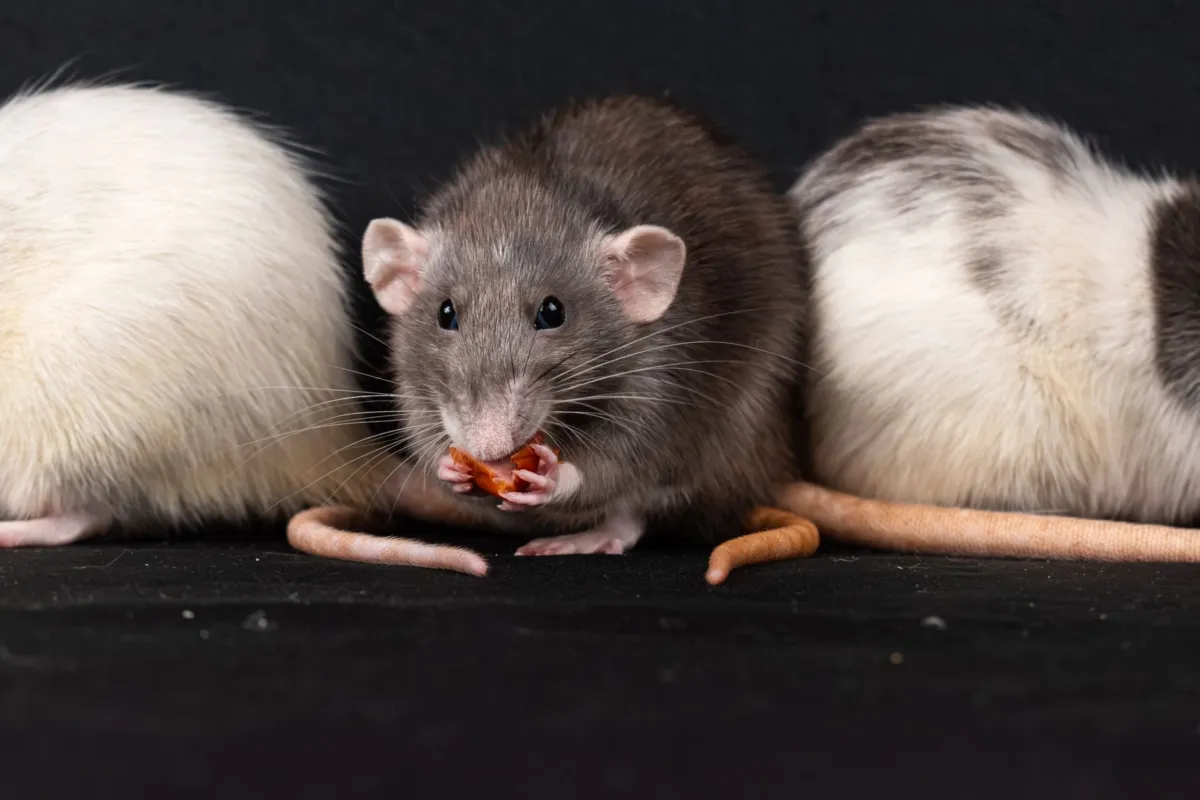
Rats are often overlooked as pets, yet they can be remarkably affectionate and intelligent companions. Caring for a pet rat involves understanding their unique needs and creating an environment that promotes their health and happiness. With the right care, a pet rat can thrive and live a fulfilling life alongside you.
This guide will provide thorough insights into how to care for a pet rat, covering everything from housing and diet to health care and socialization. Understanding these aspects will help you create a nurturing home for your new furry friend.
Whether you are a first-time rat owner or considering adding a rat to your household, this article is designed to equip you with the knowledge you need to provide the best care possible.
Understanding Your Pet Rat’s Needs
Rats are social creatures that require a stimulating environment. They thrive when they have ample space to explore and interact. Understanding their needs will set the foundation for a happy and healthy life.
Rats are naturally curious and intelligent animals. They require mental stimulation through toys, climbing opportunities, and social interaction. Moreover, they are highly social animals, so it is recommended to adopt them in pairs or groups to prevent loneliness and boredom.
It is also crucial to consider their environment. A well-ventilated, spacious cage with appropriate bedding, toys, and hiding places will contribute significantly to their well-being. This setup mimics their natural habitat and encourages natural behaviors.
Choosing the Right Cage
When selecting a cage for your pet rat, size and design are paramount. A suitable cage should provide adequate space for them to move around, play, and sleep comfortably.
Ideal Cage Size
The ideal cage size for a pair of rats is at least 24 inches long, 18 inches wide, and 24 inches tall. More space is always better, as it allows for more enrichment and exploration.
Cage Design Features
- Multi-levels: Look for cages with multiple levels to provide climbing spaces.
- Bar spacing: Ensure the bars are close enough together (about 1/2 inch) to prevent escapes.
- Easy access: Cages with large doors facilitate easy cleaning and handling.
Recommended Cage Accessories
To create a comfortable environment, consider adding the following accessories:
- Hammocks for sleeping
- Climbing toys and tubes
- Hideouts for privacy and security
Nutrition for Pet Rats
Feeding your pet rat a balanced diet is crucial for their health. Rats require a mix of commercial rat food and fresh foods to meet their nutritional needs.
Commercial Rat Food
Choose a high-quality lab block or pellet diet specifically formulated for rats. These diets provide essential nutrients and should make up the bulk of their diet. Avoid seed mixes, as they often lack balanced nutrition.
Fresh Foods
In addition to commercial food, you can offer fresh fruits and vegetables. Here’s a list of safe options:
| Fruits | Vegetables |
|---|---|
| Apples (no seeds) | Carrots |
| Bananas | Broccoli |
| Berries | Peas |
Foods to Avoid
Some foods can be harmful to rats. Avoid the following:
- Chocolate
- Caffeine
- Onions and garlic
- Processed foods
Health Care for Your Pet Rat
<pRegular health care is essential for maintaining your rat's well-being. This includes routine checks, vaccinations, and recognizing signs of illness.
Routine Health Checks
<pPerform regular health checks on your pet rat. Look for signs of illness such as lethargy, changes in appetite, or unusual behavior. Check their fur for any signs of parasites and ensure their teeth are not overgrown.
Veterinary Visits
<pSchedule annual veterinary check-ups for your rats. A veterinarian can provide vaccinations and help monitor their health. If you notice any concerning symptoms, consult your vet promptly.
Common Health Issues
Some common health issues in pet rats include:
- Respiratory infections
- Abscesses
- Tumors
- Dental problems
Being proactive about health care can prevent many issues from becoming serious.
Socialization and Interaction
<pRats are social animals that thrive on interaction with their owners and other rats. Proper socialization is crucial for their emotional well-being.
Handling Your Pet Rat
<pStart handling your rat gently from a young age. Allow them to explore your hands and gradually pick them up. Use treats to encourage positive associations with handling.
Playtime and Enrichment
<pCreate a stimulating environment by providing toys and opportunities for play. Some ideas include:
- Obstacle courses made from cardboard boxes
- Interactive toys that dispense food
- Time outside the cage in a safe, enclosed area
Bonding with Your Rat
<pSpend time with your rat daily. This includes talking to them softly, allowing them to explore your lap, and engaging in play. Building a bond will foster trust and reduce stress.
Grooming Your Pet Rat
<pRats are generally clean animals that groom themselves. However, regular grooming is still essential to keep their coats healthy and to check for any abnormalities.
Brushing and Bathing
<pGently brush your rat’s fur with a soft toothbrush or a rat-specific brush. Bathing is rarely necessary, but if your rat becomes particularly dirty, use a damp cloth to clean them.
Nail Trimming
<pRegular nail trimming is necessary to prevent overgrowth. Use small animal nail clippers and be cautious not to cut into the quick. If unsure, consult a veterinarian for guidance.
Ear and Teeth Care
<pCheck your rat's ears for dirt and wax build-up. Use a soft cloth to clean them gently. Monitor their teeth to ensure they are not overgrown. If they appear too long, a vet visit may be necessary.
Creating an Enriching Environment
Understanding Environmental Enrichment
Environmental enrichment is crucial for the mental and physical well-being of your pet rat. Rats are intelligent and curious creatures that thrive in stimulating environments. Providing various forms of enrichment can prevent boredom and destructive behaviors. This concept encompasses everything from toys and tunnels to social interactions and mental challenges. A well-enriched environment can lead to a happier and healthier pet.
Consider incorporating the following elements into your pet rat’s habitat:
- Variety of toys: Chew toys, climbing structures, and puzzle feeders.
- Hiding spots: Boxes, tunnels, and hammocks that allow for exploration and safety.
- Interactive play: Time outside the cage in a safe space to explore and socialize.
Types of Enrichment Activities
Engaging your rats in a variety of activities can significantly enhance their quality of life. Rats enjoy both physical and mental challenges, and there are numerous ways to provide these activities. Regularly introducing new toys or rotating existing ones can keep their environment fresh and exciting.
Some effective enrichment activities include:
- Obstacle courses: Use household items to create a safe course for them to navigate.
- Foraging games: Hide treats around their cage or play area to encourage natural foraging behaviors.
- Interactive toys: Invest in toys that require problem-solving, such as treat-dispensing balls.
Creating a Safe Exploration Space
When allowing your rats to explore outside of their cage, safety is paramount. Designate a specific area for exploration that is free from hazards. Remove anything that could pose a risk, such as electrical cords or small objects that could be swallowed. A playpen designed for small animals can be a great option, allowing them to explore while keeping them contained and safe.
Make sure that the environment is also comfortable, with soft bedding or blankets, and provide some toys or climbing structures to keep them engaged. Always supervise their playtime to ensure their safety and prevent any accidents.
Understanding Rat Behavior and Body Language
Common Behaviors of Pet Rats
Understanding your pet rat’s behaviors is essential for effective care. Rats communicate through various behaviors and body language cues, which can indicate their mood, needs, or health status. Recognizing these signals can help you build a stronger relationship with your pet and respond to their needs appropriately.
Some common behaviors to observe include:
- Chirping or squeaking: A sign of excitement or happiness.
- Grooming: Indicates comfort or contentment within their environment.
- Hiding: Can suggest stress or a need for solitude.
Reading Body Language
Rats express their feelings through body language, which can be quite subtle. Paying attention to their posture and movements can provide valuable insight into their emotional state. For example, a relaxed rat will have a loose body posture, while a frightened rat may freeze or hunch their body low to the ground.
Key body language signals to watch for include:
- Tail position: An upright tail often indicates excitement, while a low or tucked tail can signify fear.
- Ear positioning: Ears facing forward show curiosity, while ears pinned back can indicate irritation or fear.
- Vocalizations: Different sounds can convey a range of emotions from happiness to distress.
Understanding Social Dynamics
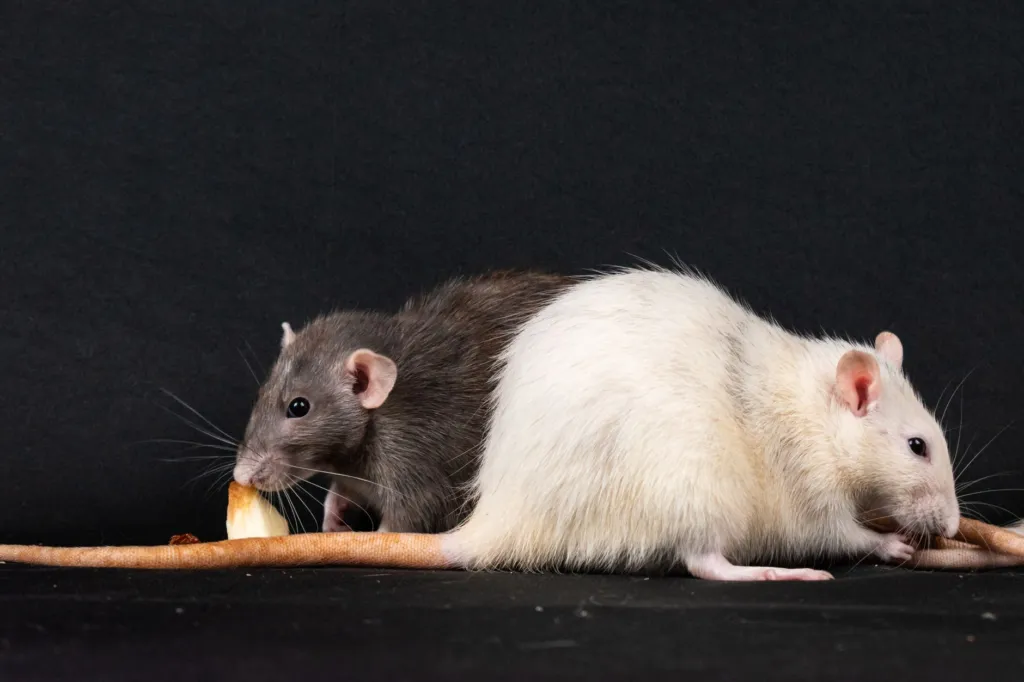
Rats are highly social animals and thrive in groups. When introducing new rats to an existing group, it is vital to understand their social dynamics to prevent conflicts. Introduce new rats gradually and observe their interactions closely during the process. This can help ensure a harmonious living environment.
Social behaviors to note include:
- Grooming each other: Indicates bonding and trust.
- Play fighting: A normal behavior that helps establish hierarchy without real aggression.
- Chasing: Can be a playful interaction or a sign of territorial behavior.
The Importance of Bonding with Your Pet Rat
Building Trust Through Interaction
Bonding with your pet rat is essential for their well-being and can enhance your experience as a pet owner. Building trust takes time and patience, but the rewards of a strong bond are well worth the effort. Start by spending quiet time near their cage, allowing them to become comfortable with your presence.
Engage in gentle interactions, such as offering treats or allowing them to sniff your hand. Over time, you can gradually introduce handling sessions, ensuring they feel secure and relaxed throughout the process. Always approach your rat calmly and avoid sudden movements that may startle them.
Interactive Playtime for Bonding
Interactive playtime is a fantastic way to strengthen your bond with your pet rat. This can involve spending time outside their cage in a safe space where they can explore and engage with you. Use toys, tunnels, and treats to create an engaging play environment that encourages interaction and trust.
Some activities to consider include:
- Training sessions: Teach your rat simple tricks using positive reinforcement.
- Free-roaming play: Allow them to explore in a safe, controlled environment.
- Puzzle solving: Use toys that stimulate their problem-solving skills while rewarding them with treats.
Recognizing Signs of Affection
As you build a bond with your rat, you will begin to notice signs of affection. Rats express their feelings differently than other pets, so it’s essential to recognize their unique forms of affection. They may cuddle with you, nuzzle your hand, or even lick you as a sign of affection.
Additional signs of a strong bond include:
- Curiosity about you: Your rat actively seeks your attention and wants to explore you.
- Following you: They may follow you around during playtime, showing their desire to be near you.
- Calm demeanor: Your rat is relaxed and comfortable in your presence, displaying confidence around you.
Understanding Rat Enrichment Activities
Types of Enrichment Toys
Providing your pet rat with a variety of enrichment toys is crucial for their mental stimulation. Rats are intelligent creatures that thrive on challenges and play. Here are some popular types of enrichment toys you can consider:
- Tunnels: Rats love to explore, and tunnels provide them with a safe space to scurry and hide.
- Chew Toys: Wooden chew toys or untreated cardboard can help satisfy their natural chewing instinct.
- Foraging Toys: Toys that require them to work for their treats can keep their minds engaged.
Rotating these toys regularly can help maintain their interest and prevent boredom.
Outdoor Exploration
Supervised outdoor exploration can be a fantastic way for your pet rat to experience new environments and stimuli. Ensure that the area is safe and free from potential hazards such as cats or dogs. Use a secure harness or a small, enclosed area to keep them safe. Outdoor exploration can lead to new smells, textures, and sights that enrich their lives.
Interactive Playtime Techniques
Engaging with your pet rat through interactive playtime strengthens your bond and encourages physical activity. Consider the following techniques:
- Hide and Seek: Hide treats around the play area and let your rat find them.
- Obstacle Courses: Set up a simple obstacle course with items like cardboard boxes and tunnels.
- Training Sessions: Teach your rat simple tricks using positive reinforcement, such as clicker training.
These activities not only keep your rat physically active but also mentally stimulated.
Common Myths About Pet Rats
Rats Are Dirty Animals
One of the most persistent myths about pet rats is that they are dirty animals. In reality, rats are quite clean and spend a significant amount of their time grooming themselves. They have a natural instinct to keep their environment tidy, often designating specific areas for eating and sleeping. Regular cage cleaning and proper hygiene can help maintain a healthy habitat.
Rats Bite Frequently
Many people believe that rats are aggressive and will bite at any opportunity. However, biting is typically a sign of stress or fear rather than aggression. Proper handling and socialization from a young age can significantly reduce the likelihood of biting. Always be gentle and approach your rat calmly to build trust.
Rats Don’t Form Bonds
Contrary to popular belief, pet rats can form strong bonds with their owners. They are highly social animals that thrive on interaction. Spending quality time with your rat, offering treats, and engaging in play can foster a deep, affectionate relationship.
Creating a Safe Environment for Your Pet Rat
Identifying Hazards
Before bringing your pet rat home, it’s essential to identify potential hazards in your living space. Common hazards include:
- Wires and Cords: Rats love to chew, so keep electrical cords and wires out of reach.
- Toxic Plants: Many houseplants can be toxic to rats, so research any plants you have.
- Small Objects: Items like rubber bands, coins, or small toys can pose choking hazards.
Regularly check your home for these hazards and make necessary adjustments to ensure your rat’s safety.
Providing a Secure Space
In addition to removing hazards, providing a secure space for your pet rat is vital. Ensure their cage is escape-proof and that all doors and openings are securely fastened. If allowing your rat to roam in a play area, supervise them closely to prevent accidents or escapes.
Temperature and Environment Control
Rats are sensitive to extreme temperatures, so maintaining a comfortable environment is crucial. Keep their cage in a temperature-controlled room away from direct sunlight or drafts. Ideal temperatures range from 68°F to 72°F. Additionally, ensure they have access to clean water and fresh bedding to create a cozy habitat.
Frequently Asked Questions
How many rats should I adopt?
It is recommended to adopt at least two rats, as they are social animals and thrive in pairs or groups.
What do I need to set up a rat cage?
A suitable rat cage should include bedding, multiple levels, toys, hideouts, and a water bottle.
How often should I clean my rat’s cage?
Spot clean daily and perform a thorough cleaning once a week to maintain hygiene.
Can rats be litter trained?
Yes, rats can be litter trained. Use a litter box filled with safe litter and place it in their preferred corner.
The Bottom Line
Caring for a pet rat involves understanding their needs and creating a nurturing environment. By providing proper housing, nutrition, health care, and social interaction, you can ensure your pet rat leads a happy and healthy life. Remember, building a relationship with your rat takes time and patience, but the rewards of companionship are well worth the effort.
Was this article helpful?

Writer at Mad4Pets. Lifelong animal lover who turns research and vet guidance into practical tips for everyday pet parents.