Essential Guide to Caring for Your Tortoise at Home
Learn how to care for a tortoise with this essential guide, featuring habitat, diet, health care, and more for your shelled companion.

Key takeaways
- Tortoises require a spacious habitat with natural sunlight.
- A proper diet is essential for their health and longevity.
- Regular veterinary check-ups help prevent health issues.
- Understanding their specific needs ensures a happy tortoise.
Caring for a tortoise can be a rewarding experience that requires understanding and commitment. These fascinating reptiles have unique needs that differ significantly from other pets. As a potential tortoise owner, it’s crucial to prepare yourself for their long lifespan and specific care requirements.
Tortoises are known for their slow and steady demeanor, but they also need a stimulating environment to thrive. This guide will help you navigate the essentials of tortoise care, including habitat setup, dietary needs, health considerations, and more. By following these guidelines, you can ensure a happy and healthy life for your shelled friend.
Whether you’re a first-time tortoise owner or looking to improve your care techniques, this comprehensive guide on how to care for a tortoise will equip you with the knowledge necessary for responsible pet ownership.
Understanding Tortoise Types
Before diving into care specifics, it’s essential to recognize that not all tortoises are the same. Various species have unique requirements based on their natural habitats. Some common tortoise species include:
- Russian Tortoise: Small and hardy, they thrive in dry environments.
- Desert Tortoise: Native to arid regions, they require plenty of sunlight and a high-fiber diet.
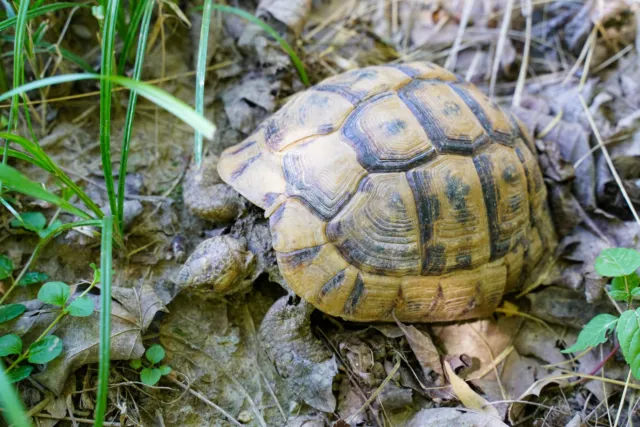
- Greek Tortoise: Known for their stunning shell patterns, they are adaptable but need a varied diet.
- Red-footed Tortoise: These tropical tortoises enjoy humid environments and a diverse diet that includes fruits.
Choosing the right species for your lifestyle and environment is crucial. Research each type’s specific needs, including size, diet, and habitat preferences.
Setting Up the Right Habitat
The first step in tortoise care is creating a comfortable and safe habitat. A well-planned enclosure mimics their natural environment, promoting well-being and reducing stress. Consider the following factors:
Indoor Habitat
If your tortoise will live indoors, they require sufficient space to move around. A tortoise enclosure should be at least 4 feet long for smaller species, while larger tortoises may need even more space. Here’s what to include:
- Bedding: Use substrate like coconut coir or aspen shavings for comfort.
- Heating: Provide a heat lamp to maintain a basking area around 95°F.
- Lighting: UVB lighting is essential for shell health and calcium absorption.
- Hiding Spots: Include caves or wooden hides to offer security.
Outdoor Habitat
If you have the option to house your tortoise outdoors, create a secure, fenced area that allows for natural sun exposure and exploration. Ensure the following:
- Shade: Provide shaded areas to prevent overheating.
- Water Source: A shallow dish for drinking and soaking is crucial.
- Escape Proof: Ensure the enclosure is secure to prevent escapes or predator attacks.
Dietary Requirements
Nutrition plays a vital role in your tortoise’s health. Understanding their dietary needs is essential for maintaining their well-being.
Basic Dietary Guidelines
Most tortoises are herbivorous, thriving on a diet of leafy greens, grasses, and vegetables. Here are some suitable food options:
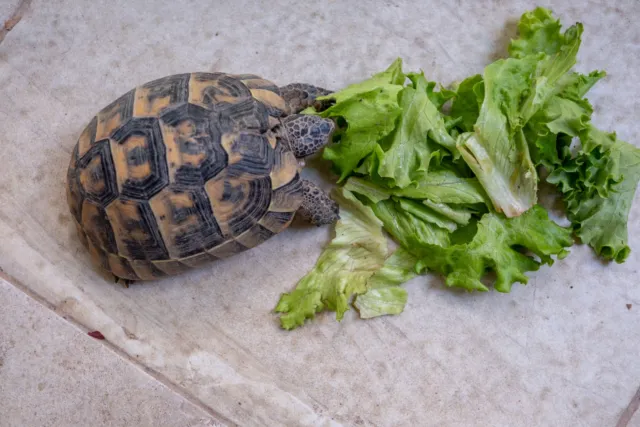
- Leafy Greens: Kale, collard greens, and dandelion greens are excellent choices.
- Grasses: Timothy hay or grass hay can be a staple.
- Vegetables: Zucchini, bell peppers, and carrots in moderation.
- Fruits: Offer fruits like strawberries and bananas occasionally as treats.
Feeding Schedule
Establishing a feeding schedule will help regulate your tortoise’s eating habits. Generally, young tortoises should be fed daily, while adults can be fed every other day. Monitor their eating habits and adjust portions as necessary to avoid obesity.
Health Care and Veterinary Visits
Regular health checks are crucial for your tortoise’s long-term well-being. Here’s what to consider:
Signs of a Healthy Tortoise
A healthy tortoise will exhibit the following characteristics:
- Active Behavior: They should be alert and active, especially during feeding times.
- Clear Eyes: Eyes should be bright and free of discharge.
- Healthy Shell: The shell should be hard and free from cracks or soft spots.
Common Health Issues
Tortoises can face various health problems, including respiratory infections, shell rot, and metabolic bone disease. Awareness of these issues can help in early detection:
- Respiratory Infections: Look for labored breathing or nasal discharge.
- Shell Rot: Soft, discolored areas on the shell can indicate infection.
- Metabolic Bone Disease: Symptoms include soft shells, lethargy, and deformities.
Socialization and Handling
While tortoises are not typically social animals, they can still benefit from gentle handling and interaction with their owners.
Handling Your Tortoise
When handling your tortoise, it’s important to be gentle and supportive. Here are some tips:
- Support Their Body: Always support both the front and back of the tortoise.
- Limit Handling Time: Short sessions are best to avoid stress.
- Avoid Picking Up by the Shell: This can cause discomfort or injury.
Observation of Behavior
Regular observation helps you understand your tortoise’s personality and preferences. Each tortoise may react differently to handling and socialization, so be patient and approach them slowly.
Environmental Enrichment
To keep your tortoise mentally and physically stimulated, provide various enrichment activities in their habitat.
Enrichment Ideas
Consider adding the following elements to their enclosure:
- Plants: Non-toxic plants for grazing can mimic their natural environment.
- Obstacle Courses: Create areas for climbing and exploring.
- Foraging Opportunities: Hide food in different locations to encourage searching behavior.
Seasonal Changes
As seasons change, adjust your tortoise’s habitat accordingly. For instance, during colder months, ensure they have a warm indoor space, while in warmer months, provide plenty of outdoor time for sunbathing and exercise.
Understanding Tortoise Behavior
Tortoises exhibit a variety of behaviors that can be crucial for their well-being. Understanding these behaviors can help you provide a better environment and care for your pet tortoise. Observing your tortoise regularly can help you learn their habits and preferences.
Common Behaviors of Tortoises
Tortoises are generally slow-moving and deliberate creatures, but they do have interesting behaviors that can indicate their mood or health. Some common behaviors include:
- Basking: Tortoises will often bask under a heat source to regulate their body temperature.
- Burrowing: Many tortoises enjoy digging and burrowing into the substrate, which is a natural behavior.
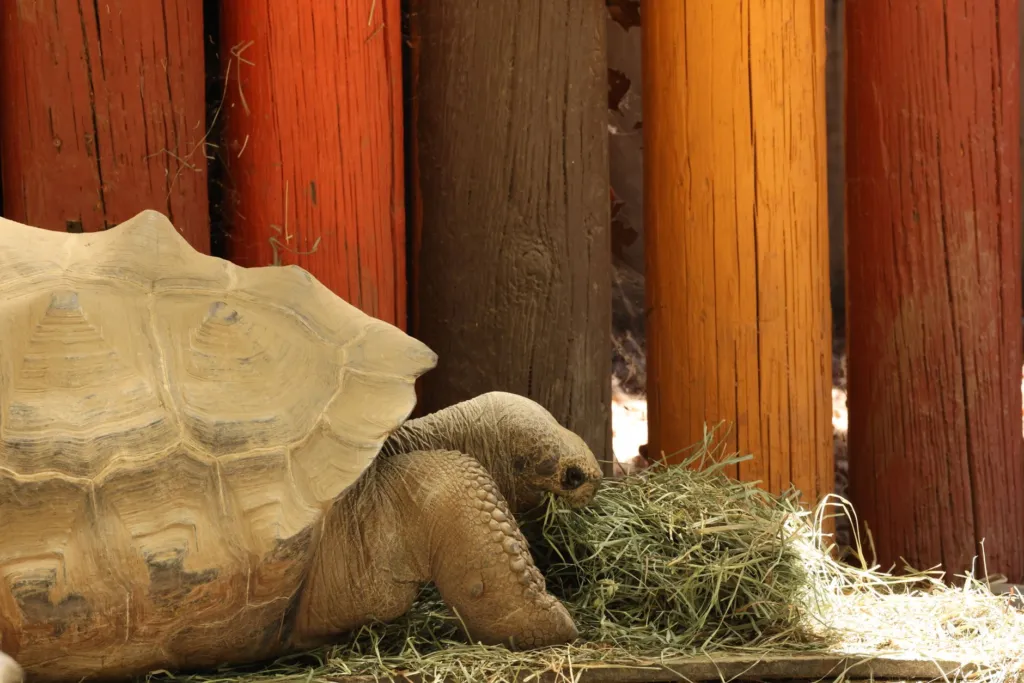
- Feeding Habits: Tortoises may display different feeding behaviors such as foraging, nibbling, or voracious eating.
Understanding these behaviors can help you recognize when your tortoise is comfortable and when they might be stressed or unwell.
Signs of Stress in Tortoises
Like any pet, tortoises can experience stress, which can lead to health issues if not addressed. Common signs of stress in tortoises include:
- Hiding more than usual
- Refusing to eat
- Rapid breathing or lethargy
If you notice any of these signs, it’s essential to evaluate their environment and routine. Changes in habitat, such as temperature shifts, inappropriate substrate, or lack of hiding spots, can contribute to their stress levels.
Creating a Comfortable Environment
To ensure your tortoise feels secure and comfortable, provide a habitat that mimics their natural surroundings. This includes:
- A warm basking area and a cooler shaded spot
- Naturalistic substrate such as soil or coconut coir
- Hiding places using rocks or logs
By catering to these needs, you can help minimize stress and promote a healthier, happier tortoise.
Seasonal Care Considerations
Just like many reptiles, tortoises have seasonal care requirements that vary according to the time of year. Understanding these seasonal changes can significantly impact their health and well-being.
Summer Care Tips
During the summer, tortoises are typically more active, and their dietary needs may change. Here are some tips for summer care:
- Increase the amount of fresh greens and vegetables, focusing on those high in moisture.
- Ensure they have access to a shallow water dish for hydration and soaking.
- Monitor their basking time to prevent overheating.
It’s important to keep an eye on their behavior during the hotter months, as they can become dehydrated quickly.
Winter Care Tips
Winter months may require different care, particularly for species that hibernate. Here are several strategies for winter care:
- For tortoises that do not hibernate, reduce feeding and maintain a warm environment.
- If your tortoise is hibernating, ensure they are in a safe, cool place with minimal disturbances.
- Regularly check their weight and condition if they are hibernating to ensure they are healthy.
Understanding your tortoise’s species and their hibernation requirements is critical during this season.
Spring Awakening
As spring arrives, tortoises emerge from hibernation, and their care should reflect this change. Here are some tips for spring care:
- Gradually increase their basking time to help them acclimate to warmer temperatures.
- Introduce fresh greenery and weeds into their diet to help with hydration and nutrients.
- Monitor their activity levels to ensure they are returning to normal.
Proper care during this transition is vital for their health as they awaken from a long sleep.
Understanding Tortoise Lifespan and Longevity
Tortoises are known for their impressive lifespans, which can often exceed several decades. Understanding their longevity can help you prepare for the long-term commitment involved in tortoise care.
Factors Influencing Lifespan
Numerous factors can affect the lifespan of a tortoise, including:
- Species: Different tortoise species have varying life expectancies, with some living over 100 years.
- Diet: A balanced diet rich in fiber, vitamins, and minerals is essential for longevity.
- Environment: A safe, enriched habitat contributes to a longer, healthier life.
By ensuring that these factors are well-managed, you can help extend the life of your tortoise.
Preparing for Longevity
Owning a tortoise is a long-term commitment, so it is crucial to prepare for their longevity. Consider these aspects:
- Plan for your tortoise’s care in the event of life changes, such as moving or changes in family circumstances.
- Educate yourself and family members about tortoise care to ensure they are supported throughout their lives.
- Consider setting aside funds for veterinary care and habitat upgrades as needed.
By planning ahead, you can provide a stable and loving environment for your tortoise throughout its lifetime.
Monitoring Health as They Age
As tortoises age, their health needs may change, requiring more vigilant care. Monitor for signs of aging such as:
- Changes in activity levels
- Weight fluctuations
- Altered feeding habits
Regular veterinary check-ups become increasingly important as they age to catch any potential health issues early. Keeping a close eye on their behavior and health will ensure they live a long and fulfilling life.
Common Health Issues in Tortoises
Recognizing Symptoms
Understanding the signs of common health issues is crucial for the well-being of your tortoise. Symptoms such as lethargy, lack of appetite, and abnormal shell growth can indicate underlying health problems. Tortoises may also exhibit respiratory issues, characterized by wheezing or nasal discharge. Regular observation of your tortoise’s behavior and physical appearance can help you catch these symptoms early.
Additionally, changes in excrement, such as diarrhea or unusually firm stools, can signal dietary or health problems. It’s important to monitor these signs closely and document any changes to discuss with your veterinarian.
Preventive Health Care
To maintain your tortoise’s health, preventive care is essential. This includes regular veterinary check-ups that can help identify issues before they become serious. Vaccinations, when applicable, should also be part of your tortoise’s health regime. Additionally, a proper diet rich in vitamins and minerals can prevent common deficiencies that lead to health issues.
- Schedule annual veterinary check-ups.
- Provide a balanced diet with a variety of leafy greens, vegetables, and occasional fruits.
- Ensure access to clean, fresh water at all times.
Common Ailments
Among the most common health issues tortoises face are shell rot, metabolic bone disease, and respiratory infections. Shell rot is often caused by poor habitat conditions, such as excess moisture or inadequate ventilation. Metabolic bone disease can arise from a lack of calcium and UVB exposure, leading to weak bones and deformities.
Respiratory infections are often linked to improper temperatures and humidity levels in the habitat. Maintaining optimal environmental conditions is key to preventing these ailments.
Daily Care Routines
Feeding Schedule
A consistent feeding schedule is important for the health of your tortoise. Adult tortoises typically benefit from being fed every other day, while younger tortoises may require daily feedings. When preparing meals, consider the nutritional needs specific to your tortoise’s species. This may include a variety of leafy greens, vegetables, and occasional protein sources.
Always ensure that any food offered is fresh and free from pesticides. Portion control is also vital to prevent obesity, which can lead to health issues.
- Feed adult tortoises every other day.
- Provide a mix of vegetables and greens to ensure balanced nutrition.
- Monitor food intake to avoid overfeeding.
Cleaning and Maintenance
Daily cleaning of your tortoise’s habitat is necessary to prevent the buildup of waste and bacteria. Remove any uneaten food and spot clean any waste. A thorough cleaning of the enclosure should be conducted weekly, which includes disinfecting surfaces and replacing substrate as needed.
Regular maintenance of the habitat helps to provide a safe and hygienic environment for your tortoise, promoting good health and overall well-being.
Interaction and Exercise
Daily interaction with your tortoise is crucial for mental stimulation and bonding. Allowing your tortoise supervised time outside its enclosure can provide essential exercise. Ensure that the area is safe and free from potential hazards, such as toxic plants or predators.
Engaging your tortoise in gentle play, such as encouraging it to follow you or exploring its environment, can promote healthy activity levels and prevent boredom.
Understanding Tortoise Breeding
Breeding Basics
Breeding tortoises requires a thorough understanding of their reproductive behaviors and needs. Not all tortoise species are easy to breed; some may require specific environmental conditions or diets to stimulate reproduction. It is crucial to research the specific requirements of your tortoise species before attempting to breed.
Successful breeding can also involve creating a suitable nesting area where females can lay their eggs. This should mimic their natural habitat, providing warmth and softness to encourage egg-laying.
Managing Hatchlings
Once eggs are laid, it is important to monitor them closely. Incubation conditions should be controlled, maintaining proper humidity and temperature. After hatching, the care of hatchlings is different from that of adults, requiring specific attention to diet and habitat to ensure healthy growth.
- Provide a safe and warm nesting area for egg-laying.
- Monitor incubation conditions closely to ensure successful hatching.
- Care for hatchlings with appropriate food and habitat tailored to their needs.
Ethical Considerations
When considering breeding tortoises, ethical considerations must be taken into account. Overbreeding can lead to population issues and should be avoided. Additionally, it is vital to ensure that there are homes ready for the offspring, as many tortoises can outlive their initial owners.
Always check local laws and regulations regarding the breeding and sale of tortoises, as various species may be protected or regulated.
Frequently Asked Questions
What is the average lifespan of a tortoise?
Many tortoise species can live for 50 years or more, with some even reaching 100 years. Proper care is crucial for longevity.
Do tortoises need water?
Yes, tortoises need access to fresh water daily. It’s important to provide a shallow dish for soaking and drinking.
Can tortoises eat fruit?
Fruits can be offered as treats but should not make up more than 10% of their diet. Moderation is key.
How often should I take my tortoise to the vet?
Regular veterinary check-ups are recommended at least once a year, but more frequent visits may be necessary if there are health concerns.
The Bottom Line
Caring for a tortoise requires dedication and knowledge. By understanding their habitat needs, dietary requirements, and health care, you can ensure your tortoise leads a fulfilling life. With proper care, your tortoise can be a delightful companion for many years to come.
Was this article helpful?

Writer at Mad4Pets. Lifelong animal lover who turns research and vet guidance into practical tips for everyday pet parents.