Essential Winter Care for Your Tortoise at Home
Learn how to care for a tortoise in winter with practical tips on habitat, diet, and health to keep your pet safe and happy during cold months.

Key takeaways
- Ensure proper temperature in tortoise habitat.
- Adjust diet for winter months.
- Monitor health closely during hibernation.
- Consult a veterinarian for health concerns.
Tortoises are remarkable animals that require specific care throughout the year, especially during the winter months. The cold weather poses unique challenges, and understanding how to care for a tortoise in winter is essential for their well-being. These reptiles are ectothermic, meaning their body temperature depends on the environment, making them more vulnerable during the colder season.
Many tortoise owners may wonder how to ensure their pets remain healthy and comfortable when temperatures drop. This guide will provide practical insights into habitat adjustments, dietary needs, health monitoring, and much more to ensure your tortoise thrives during winter.
As a responsible pet owner, it is crucial to stay informed and proactive. By following the tips outlined in this guide, you can help your tortoise navigate winter safely and comfortably.
Understanding Tortoise Hibernation
Hibernation is a natural behavior for many tortoise species. During winter, they enter a state of dormancy to conserve energy. This process is influenced by environmental factors such as temperature and light. Understanding when and how your tortoise should hibernate is vital for its health.
Not all tortoises hibernate. Some species, particularly those native to warmer climates, may remain active throughout the winter. It is essential to know your tortoise’s species to determine the best approach. If your tortoise is one that hibernates, proper preparation is crucial.
Before hibernation, ensure your tortoise is healthy. A vet check is recommended to rule out any underlying health issues. If they are not in optimal health, hibernation can exacerbate problems.
Signs Your Tortoise is Ready to Hibernate
- Decreased Activity: Your tortoise may become less active as temperatures drop.
- Reduced Appetite: A noticeable decrease in food intake can indicate readiness for hibernation.
- Temperature Sensitivity: If your tortoise seeks out warmer areas, it may be preparing for dormancy.
Preparing for Hibernation
- Gradual Temperature Decrease: Slowly lower the temperature in the habitat to mimic natural seasonal changes.
- Diet Adjustment: Provide a nutritious diet rich in fiber for several weeks before hibernation.
- Clean Habitat: Ensure the tortoise’s environment is clean and free from parasites.
- Monitor Health: Keep an eye on your tortoise’s health leading up to hibernation.
Creating a Comfortable Habitat
Your tortoise’s habitat needs adjustments during winter to maintain a safe environment. This includes regulating temperature and providing adequate light. A comfortable habitat is essential for your tortoise’s health and well-being.
Consider the following factors when setting up your tortoise’s winter habitat:
Temperature Regulation
Tortoises require specific temperature ranges to thrive. During winter, it’s important to maintain a warm area where your tortoise can bask. The basking area should be around 85-90°F (29-32°C), while the cooler area should be between 70-75°F (21-24°C).
Lighting Considerations
Proper lighting is crucial as well. UVB lighting is essential for tortoise health, especially in the winter when natural sunlight is limited. Ensure your tortoise has access to UVB light for 10-12 hours a day to help with calcium metabolism.
Humidity Levels
Maintaining appropriate humidity levels is also important. Too dry an environment can lead to dehydration. Use a hygrometer to monitor and adjust humidity levels, aiming for around 40-60%. Misting the habitat or adding a shallow water dish can help maintain moisture.
Dietary Needs in Winter
Feeding your tortoise appropriately during winter is essential for its health. As their metabolism slows down, their dietary needs will change. However, it remains crucial to provide a balanced diet.
Here are some dietary considerations for tortoises during winter:
Adjusting Food Quantity
As tortoises prepare for hibernation, you may notice a decrease in their appetite. This is normal. Provide smaller meals, focusing on nutrient-dense foods to ensure they store energy for hibernation.
Recommended Foods
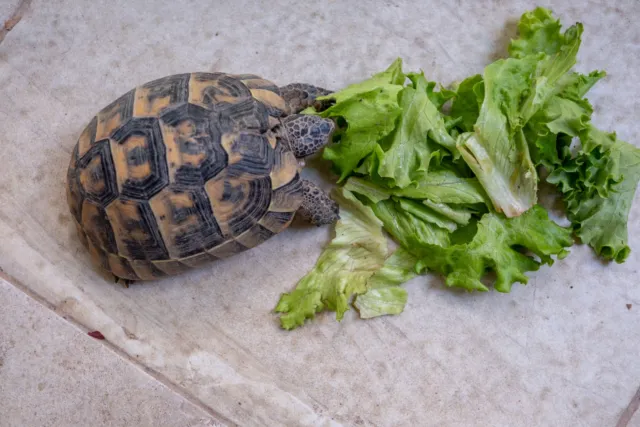
- Leafy Greens: Offer dark, leafy greens such as collard greens, dandelion greens, and kale.
- Vegetables: Carrots, squash, and bell peppers can be included in their diet.
- Fruits: Treats like berries or melons can be given in moderation.
- Calcium Supplements: Ensure your tortoise receives adequate calcium, especially if they are not getting enough from their diet.
Hydration
Hydration is vital, even in winter. Ensure your tortoise has access to fresh water at all times. You may find that they drink less during this period, but it is still important to offer water regularly. Consider providing a shallow dish for soaking to encourage hydration.
Monitoring Health During Winter
Health monitoring is crucial for tortoises, particularly during winter when they may be more vulnerable. Regular check-ups can help catch any potential health issues before they become serious.
Some key aspects of health monitoring include:
Behavioral Changes
Pay attention to your tortoise’s behavior. If they become lethargic or exhibit unusual signs, such as not eating or drinking, it may indicate a health problem. Regular observation will help you identify these changes promptly.
Physical Examination
Conduct a physical check regularly. Look for signs of respiratory distress, shell problems, or abnormal droppings. If you notice any of these signs, it is essential to consult a veterinarian.
Veterinary Visits
Schedule a veterinary check-up before the hibernation period. A vet can provide valuable guidance on your tortoise’s health and offer recommendations for care during the winter months.
Winter Enrichment Activities for Your Tortoise
While tortoises may slow down during winter, providing enrichment activities can help maintain their mental and physical health. It’s essential to create an environment that encourages movement and exploration, even when outdoor conditions are not suitable.
Interactive Foraging
Foraging is a natural behavior for tortoises and can be simulated indoors during winter. Scatter a variety of safe, leafy greens such as dandelion greens, kale, or romaine in their enclosure. This encourages them to search for food, which not only stimulates their mind but also promotes natural behaviors.
- Use a mix of greens, vegetables, and occasional fruits to increase variety.
- Avoid feeding them too much fruit, as it can be high in sugar and may lead to health issues.
- Change location of the food daily to keep their interest piqued.
Obstacle Courses
Creating a small obstacle course in your tortoise’s habitat can provide both physical exercise and mental stimulation. Use safe, non-toxic materials such as cardboard boxes, tunnels, or low ramps to encourage your tortoise to navigate through the course. This activity can help prevent obesity and promote muscle tone.
- Ensure all materials are safe and free from sharp edges.
- Monitor your tortoise during these activities to prevent any accidents.
- Vary the setup to keep the activity engaging and challenging.
Seasonal Sensory Experiences
Introduce seasonal sensory experiences to keep your tortoise engaged. This could involve using scents from safe herbs like basil or parsley, which can stimulate their olfactory senses. You can also introduce items with different textures, such as leaves or grass clippings, to encourage exploration.
- Rotate the sensory items weekly to maintain interest.
- Observe your tortoise’s reactions to different scents and textures.
- Avoid any toxic plants or materials that could harm your tortoise.
Heating and Lighting Considerations for Winter
Providing adequate heating and lighting during winter is crucial for your tortoise’s health and well-being. As cold-blooded reptiles, tortoises rely on their environment to regulate their body temperature, making it vital to create a suitable indoor climate.
Choosing the Right Heat Source
There are several options for heating your tortoise’s habitat during winter. Heat bulbs, ceramic heat emitters, and under-tank heating pads can all be effective. Each option has its pros and cons, depending on the specific needs of your tortoise species.
- Heat bulbs provide light and warmth but can be hot to the touch, so position them safely out of reach.
- Ceramic heat emitters offer heat without light, ideal for nocturnal habitats.
- Under-tank heating pads can provide supplemental warmth but should be used with caution to avoid overheating.
Establishing a Day/Night Cycle
Maintaining a consistent light cycle is fundamental for your tortoise’s well-being. Tortoises need UVB light to synthesize vitamin D3, which is essential for calcium absorption. In winter, indoor lighting can help replicate natural conditions.
- Provide 10-12 hours of UVB light daily using a quality UVB bulb.
- Use timers to regulate the lighting schedule for consistency.
- Monitor the distance between the UVB light and the basking area to ensure your tortoise receives adequate exposure.
Monitoring Temperature Gradients
Creating a temperature gradient within the habitat is essential for your tortoise’s thermal regulation. This allows them to choose their preferred temperature zone, which is necessary for their metabolic processes.
- Keep the basking area between 85-95°F (29-35°C).
- Ensure a cooler side of the habitat is around 70-75°F (21-24°C).
- Use a reliable thermometer to regularly check temperature levels.
Understanding Tortoise Behavior in Winter
During winter, your tortoise’s behavior may change significantly. Understanding these changes can help you provide better care and respond to their needs effectively.
Signs of Reduced Activity
It is common for tortoises to become less active during winter due to the cooler temperatures. If your tortoise spends more time hiding or resting, it may be a normal response to seasonal changes. However, it’s essential to monitor their behavior closely.
- Increased burrowing or hiding behavior can indicate a desire for warmth.
- Reduced appetite is also typical during colder months; offer food less frequently.
- Keep an eye on hydration, as they still need access to fresh water.
Social Interaction and Handling
Winter may be a time when your tortoise prefers solitude, but they still benefit from gentle social interaction. Handling your tortoise should be limited to short periods to avoid stressing them. Always approach them calmly and avoid sudden movements.
- Limit handling to once or twice a week, ensuring it is a calm experience.
- Use handling time to check for any signs of illness or health issues.
- Maintain a warm environment during handling to prevent chilling.
Behavioral Changes to Monitor
Being vigilant about any changes in your tortoise’s behavior can help you catch potential health issues early. If you notice unusual signs, it’s best to consult a veterinarian who specializes in reptiles.
- Look for signs of lethargy, such as prolonged inactivity.
- Monitor for any changes in eating habits or refusal of food.
- Be aware of any unusual shell discoloration or changes in urination patterns.
Winter Hydration Needs
Importance of Hydration
During winter, many tortoise owners may overlook the hydration needs of their pets. However, it is crucial to ensure your tortoise remains properly hydrated, especially if they are less active. Dehydration can lead to serious health issues, including kidney problems and metabolic disorders. Regularly checking the moisture levels in your tortoise’s substrate can help gauge if they are drinking enough water.
Providing Water Sources
Offering fresh, clean water is essential during the winter months. It’s best to provide a shallow water dish that is easily accessible. Consider the following options for hydration:
- Shallow water bowls that prevent drowning
- Soaking dishes for warm water baths
- Watering systems that keep water clean and fresh
Change the water daily to prevent contamination and encourage drinking. Additionally, using a humidifier or misting the enclosure can help maintain overall humidity levels.
Winter Health Monitoring
Signs of Illness
Monitoring your tortoise’s health during winter is vital, as they are more susceptible to illness during colder months. Look for signs such as lethargy, lack of appetite, or abnormal behaviors. Regularly check their eyes, mouth, and shell for any unusual symptoms or signs of respiratory distress.
Regular Weigh-Ins
Weighing your tortoise regularly can help detect any unexpected weight loss, which could indicate health issues. A digital scale is ideal for this purpose. Keep a record of their weight to track any changes over time. If you notice a significant weight loss, consult your veterinarian for further evaluation.
Temperature Regulation
Ensure that the temperature within their habitat remains stable throughout winter. Sudden temperature changes can stress your tortoise and compromise their immune system. Use a thermometer to monitor the ambient temperature, and be aware of signs of overheating or chilling.
Socialization and Mental Stimulation
Importance of Interaction
Even during winter, socialization is important for your tortoise’s mental health. Interacting with your tortoise can prevent boredom and promote a happier disposition. Spend time observing their behavior, and gently handle them to strengthen your bond.
Creating a Safe Exploration Space
If your tortoise is awake and active, consider setting up a safe space for exploration outside of their enclosure. Ensure the area is free from hazards and has appropriate temperature control. This can be a small room or a designated area in your home.
Interactive Toys and Activities
Provide stimulation through interactive toys that encourage your tortoise to explore and play. Here are some ideas:
- Hide food in various locations to encourage foraging
- Use cardboard boxes or tunnels for exploration
- Introduce safe plants for them to interact with
Engaging your tortoise in these activities will help keep their mind sharp and alleviate stress during the slower winter months.
Frequently Asked Questions
Can all tortoises hibernate?
No, not all tortoise species hibernate. Species from warmer climates may remain active during winter, while others, particularly those from temperate regions, will enter hibernation.
How long should my tortoise hibernate?
The hibernation period can vary but typically lasts between 6 to 12 weeks. Monitor your tortoise for signs of well-being during this time.
What if my tortoise doesn’t want to hibernate?
If your tortoise is not displaying signs of readiness to hibernate, consult a veterinarian for advice. Forcing a tortoise into hibernation can be harmful.
How can I tell if my tortoise is healthy?
A healthy tortoise will have clear eyes, a robust shell, and active behavior. Regular check-ups and observation will help ensure their health.
The Bottom Line
Caring for a tortoise in winter requires an understanding of their unique needs. By adjusting their habitat, diet, and monitoring their health, you can ensure they remain safe and comfortable throughout the colder months. Always consult a veterinarian if you have concerns about your tortoise’s health, and enjoy the rewarding experience of being a tortoise owner.
Was this article helpful?

Writer at Mad4Pets. Lifelong animal lover who turns research and vet guidance into practical tips for everyday pet parents.