What Do Tortoises Eat? A Complete Feeding Guide
Learn what tortoises eat, including essential foods, dietary needs, and feeding tips to keep your pet healthy and happy.

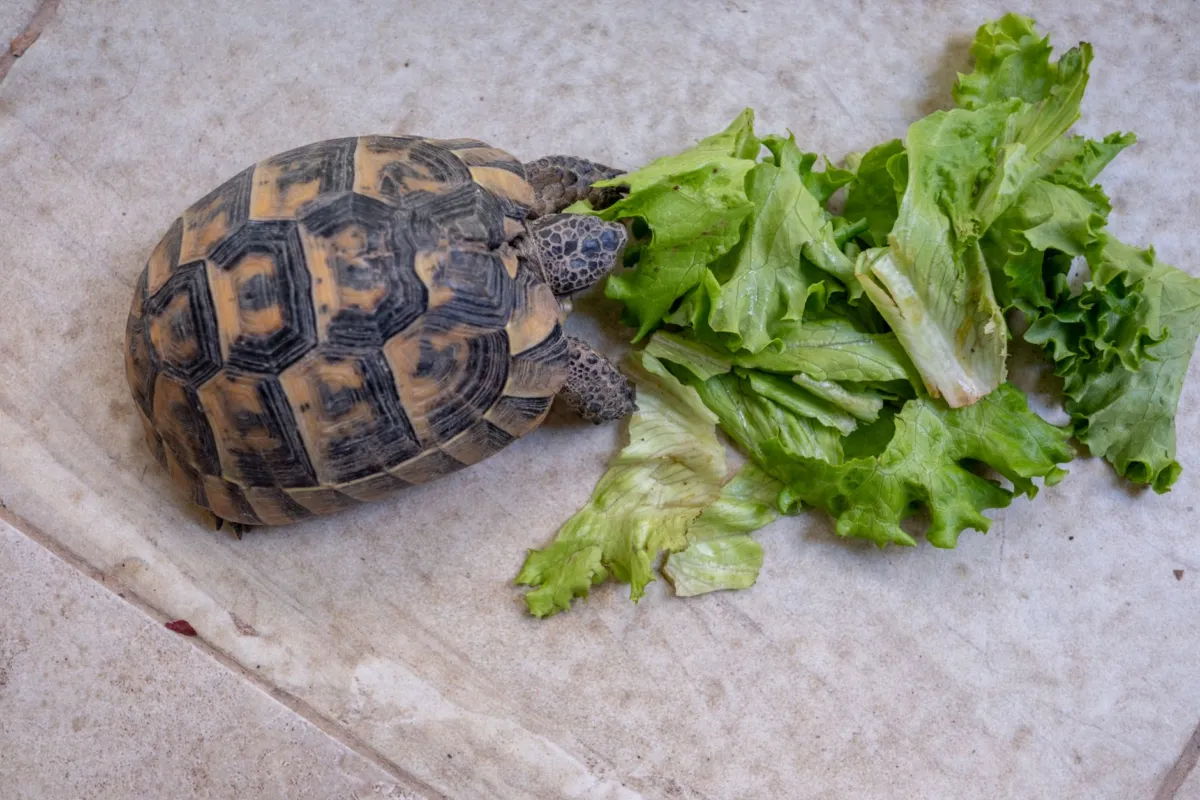
Key takeaways
- Tortoises require a herbivorous diet.
- Leafy greens and vegetables are crucial.
- Avoid high-protein foods for tortoises.
- Fresh water should always be available.
Tortoises are fascinating creatures that bring joy to many households. As a pet owner, one of your primary responsibilities is to ensure that your tortoise receives a balanced diet. Understanding what tortoises eat is crucial for their health and longevity. In this guide, we will explore the dietary needs of tortoises, including the types of food they require, how often to feed them, and tips for maintaining a healthy diet.
Unlike many other pets, tortoises are herbivores, which means they thrive on a plant-based diet. Their natural diet consists of a variety of greens, fruits, and vegetables, which not only provide essential nutrients but also promote healthy digestion. With the right knowledge, you can create a feeding plan that meets your tortoise’s needs and keeps them happy.
This article will delve into the specifics of tortoise nutrition, including what foods to include, what to avoid, and how to prepare meals. Let’s get started on the path to ensuring your tortoise enjoys a balanced and nutritious diet!
Understanding Tortoise Dietary Needs
Tortoises have specific dietary requirements that vary depending on their species. However, most tortoises share some common nutritional needs. Understanding these needs is essential for providing the right balance of nutrients.
Generally, tortoises should have a diet rich in fiber and low in protein. High fiber helps in digestion, while a low protein diet is crucial to prevent health issues such as kidney damage. A good rule of thumb is to provide a diet composed of at least 80% fibrous greens and vegetables.
Here is a breakdown of the essential nutrients that should be included in a tortoise’s diet:
- Fiber: Necessary for healthy digestion and preventing gastrointestinal issues.
- Vitamins: Important for overall health, particularly vitamins A, D, and E.
- Minerals: Calcium and phosphorus are vital for shell and bone health.
- Water: Fresh water should always be available to keep your tortoise hydrated.
Best Foods for Tortoises
Choosing the right foods for your tortoise is essential for their health. Here is a list of the best foods to include in their diet:
- Leafy Greens: Kale, collard greens, and dandelion greens are excellent choices. They are high in fiber and provide essential vitamins.
- Vegetables: Carrots, squash, and bell peppers can be given in moderation for variety.
- Weeds and Wild Plants: Many tortoises enjoy eating dandelions, clover, and other wild plants.
- Fruits: Fruits should be offered sparingly due to their sugar content. Safe options include strawberries, melons, and apples.
- Commercial Tortoise Food: Some owners opt for commercial diets formulated for tortoises, but these should not be the sole component of their diet.
It’s important to introduce new foods gradually to prevent digestive upset. Observing your tortoise’s preferences can also help you tailor their diet effectively.
Foods to Avoid
While many foods are beneficial for tortoises, some can be harmful or even toxic. It’s vital to know what to avoid when feeding your tortoise:
- High-Protein Foods: Avoid feeding tortoises meats, dog food, or high-protein commercial pellets.
- Spinach and Rhubarb: These contain oxalates, which can bind calcium and lead to kidney stones.
- Citrus Fruits: Oranges and lemons can upset their digestive systems.
- Processed Foods: Foods high in preservatives and artificial ingredients should be avoided.
Maintaining a diet that avoids these harmful foods will contribute to the overall well-being of your tortoise. If you are ever unsure, consult your veterinarian.
Feeding Frequency and Portion Sizes
How often you feed your tortoise and the portion sizes are important factors in their diet. Generally, adult tortoises can be fed every other day, while younger tortoises may require daily feeding. The exact frequency can depend on the species and individual health.
When it comes to portion sizes, a good rule of thumb is to provide a quantity of food equivalent to the size of your tortoise’s shell. This can help ensure they receive enough nutrition without overeating. Monitor their weight and health regularly to make adjustments as needed.
Here’s a general guideline for feeding tortoises:
| Age | Feeding Frequency | Portion Size |
|---|---|---|
| Hatchlings | Daily | 1/2 to 1 cup of food |
| Juveniles | Daily | 1 to 2 cups of food |
| Adults | Every other day | 2 to 4 cups of food |
Supplementing the Diet
In addition to a balanced diet, tortoises may require supplements to ensure they receive adequate vitamins and minerals. Calcium is especially important for shell health. Regularly dusting their food with a calcium supplement can be beneficial.
Vitamin D3 is also essential, particularly if your tortoise does not have access to natural sunlight. If you are using UV lighting in their habitat, it can help synthesize vitamin D3, but supplementation may still be necessary.
Always consult your veterinarian before introducing supplements to your tortoise’s diet, as over-supplementation can lead to health issues.

Hydration Needs
Hydration is a critical aspect of tortoise care. Tortoises can be prone to dehydration, especially if kept in dry environments. Always provide fresh and clean water in a shallow dish that is easy for them to access.
In addition to providing water, soaking your tortoise in shallow, lukewarm water a couple of times a week can help ensure they stay hydrated. This practice is particularly beneficial for desert tortoises, which may not drink as much water.
Monitor your tortoise for signs of dehydration, such as sunken eyes or lethargy, and consult a veterinarian if you have concerns.
Common Feeding Mistakes
Even experienced tortoise owners can make mistakes when it comes to feeding. Here are some common pitfalls to avoid:
- Feeding too much fruit: While fruits can be a treat, they should not make up a large portion of the diet due to high sugar content.
- Ignoring species-specific needs: Different tortoise species have different dietary requirements. Research your specific tortoise to ensure you are meeting their needs.
- Overlooking hydration: Always ensure that fresh water is available and consider regular soaking.
- Relying solely on commercial diets: While they can supplement, they should not replace fresh greens and vegetables.
By being aware of these common mistakes, you can provide a better diet that promotes health and longevity.
Seasonal Dietary Adjustments
Understanding Seasonal Changes
Tortoises are ectothermic animals, meaning their body temperature and metabolism are influenced by external temperature. During different seasons, their dietary needs can change significantly. For instance, in warmer months, tortoises tend to be more active, requiring a higher intake of food. Conversely, during colder months, they may enter a state of brumation, a form of hibernation, which drastically reduces their food intake.
It’s essential to monitor the temperature and adjust your tortoise’s diet accordingly. During warmer months, you might find that your tortoise enjoys a variety of fresh vegetables, while in cooler months, they may prefer more fibrous and high-calcium foods to support their health.
Spring and Summer: Fresh Greens
As temperatures rise in spring and summer, tortoises thrive on a diet rich in fresh greens. This is the time to introduce a variety of leafy vegetables such as:
- Dandelion greens
- Collard greens
- Mustard greens
- Bok choy
- Romaine lettuce
These greens are not only nutritious but also provide the hydration that tortoises need during the warmer months. Additionally, it’s crucial to ensure that these greens are free from pesticides and herbicides, as tortoises are sensitive to chemical residues.
Fall and Winter: Focus on Fiber
As temperatures begin to drop, tortoise dietary needs shift towards more fibrous foods. High-fiber foods such as hay and grasses become essential during the fall and winter months. Options include:
- Timothy hay
- Orchard grass
- Bermudagrass
These fibrous foods help maintain digestive health and ensure that tortoises receive adequate nutrition even when they are less active. It’s also advisable to reduce the variety of greens offered and focus on more substantial, bulkier foods that will keep their digestive system functioning properly during brumation.
Impact of Age on Diet
Dietary Needs of Hatchlings
Hatchling tortoises, typically less than six months old, have unique dietary requirements compared to adult tortoises. They require a diet that is higher in protein to support their rapid growth and development. Commercial hatchling tortoise diets are available, but you can also provide natural foods such as:
- Grated carrots
- Shredded zucchini
- High-quality commercial pellets specifically designed for young tortoises
It’s essential to offer a variety of foods to ensure a balanced intake of vitamins and minerals. Hatchlings should be fed small amounts multiple times a day to support their energy needs.
Juvenile Tortoises: Transitioning to Adult Diet
As tortoises grow into juveniles, their dietary needs begin to transition. The focus should shift from high-protein foods to a more balanced diet that includes a mix of greens, vegetables, and limited fruits. At this stage, begin to introduce:
- Leafy greens
- Vegetables like bell peppers and squash
- Limited amounts of fruit such as strawberries or melon
Juvenile tortoises should be fed daily, and it’s important to monitor their growth to ensure they are developing correctly. A well-balanced diet will help avoid growth-related health issues in adulthood.
Adult Tortoises: Maintaining Health
Adult tortoises have different dietary requirements, focusing primarily on a high-fiber, low-protein diet. This not only helps in maintaining a healthy weight but also aids in preventing obesity-related issues. Adult tortoises should primarily eat:
- Leafy greens
- Grasses and hays
- Vegetables with low sugar content
It’s crucial to avoid high-protein foods such as animal proteins or commercial pellets meant for young tortoises. Regularly providing calcium supplements will also help support shell health and prevent metabolic bone disease.
Regional Diet Variability
Understanding Native Diets
Different species of tortoises have evolved to thrive in specific habitats, which influences their natural diets. For instance, desert tortoises primarily consume grasses, cacti, and other drought-resistant plants, while tropical tortoises may eat a wider variety of fruits and leafy greens. Understanding the native diet of your specific tortoise species can help you provide a more natural and beneficial diet.
Research the natural habitat of your tortoise to ensure that you are mimicking its natural diet as closely as possible. For example, a sulcata tortoise, native to the African savannah, should be fed a diet rich in fibrous grasses, while a red-footed tortoise, found in the rainforests of South America, may enjoy a mix of leafy greens and fruits.
Regional Availability of Food Items
Depending on where you live, the availability of certain food items may vary. It’s essential to adapt your tortoise’s diet based on what is locally available while ensuring nutritional balance. If you live in an area where fresh greens are not readily available, consider growing your own or sourcing from local farms. Some food items that may be harder to find include:
- Specific native weeds
- Certain types of hay
- Local fruits like mulberries or pawpaw
By understanding the regional availability, you can create a more sustainable feeding routine that benefits your tortoise’s health while being economical.
Adapting Diet for Climate
Climate also plays a significant role in a tortoise’s diet. Tortoises kept in arid climates may require more water-rich food items, such as cucumbers or zucchini, while those in humid climates may benefit from a broader range of fruits and leafy greens. Additionally, consider how temperature fluctuations can affect metabolism; in cooler climates, tortoises may need more fibrous foods to help with digestion and overall health.
In summary, understanding how regional factors impact dietary needs can help tortoise owners provide the best possible nutrition for their pets. Always aim to create a diet that aligns with their natural habitat and regional conditions.
Frequently Asked Questions
What vegetables can I feed my tortoise?
Safe vegetables for tortoises include kale, collard greens, carrots, and squash. Always ensure the vegetables are fresh and free from pesticides.
Can tortoises eat fruits?
Yes, tortoises can eat fruits, but they should be offered in moderation due to their high sugar content. Safe options include strawberries, melons, and apples.
How do I know if my tortoise is getting enough food?
Monitor your tortoise’s weight and activity level. A healthy tortoise should be active and have a well-rounded shell. If you notice weight loss or lethargy, consult a veterinarian.
How often should I feed my tortoise?
Adult tortoises can be fed every other day, while juvenile tortoises may require daily feeding. Adjust based on your tortoise’s specific needs and health status.
The Bottom Line
Feeding your tortoise a balanced and nutritious diet is essential for their health and happiness. Focus on providing a variety of leafy greens, vegetables, and occasional fruits while avoiding harmful foods. Regular monitoring and consultation with a veterinarian will ensure your tortoise thrives in your care.
Was this article helpful?

Writer at Mad4Pets. Lifelong animal lover who turns research and vet guidance into practical tips for everyday pet parents.