Discover the Best Small Pets for Apartment Living
Explore the best small pets for apartments, perfect for limited space and easy care. Find the right companion for your lifestyle today.

Key takeaways
- Small pets are ideal for apartment living.
- Consider care needs and space requirements.
- Choose pets that are social and interactive.
- Always consult a vet for health concerns.
Living in an apartment can be a joy, but it often comes with limitations, particularly when it comes to space. Many people wonder what pets are suitable for such compact living arrangements. Fortunately, there are several small pets that thrive in apartments, offering companionship without overwhelming your living space.
When selecting a pet for an apartment, it’s essential to consider several factors, including space requirements, noise levels, and care needs. The right pet can bring joy and comfort to your home without being disruptive. In this guide, we will explore some of the best small pets for apartments, taking into account their personalities, space requirements, and care needs.
From fluffy bunnies to lively hamsters, each pet has unique characteristics that can make them a great fit for your lifestyle. Let’s dive into the top contenders and see which small pets might be the perfect match for your apartment living.
1. Hamsters
Hamsters are one of the most popular choices for small pet enthusiasts. They are small, relatively low-maintenance, and come in various breeds, including Syrian, Dwarf, and Roborovski hamsters. Their compact size makes them ideal for apartment living.
These little creatures are nocturnal, which means they are most active at night. This can be advantageous for those who work during the day, as your hamster will be lively and engaging when you are home. However, their nighttime activities, such as running on wheels, can sometimes be noisy, so consider this if you are a light sleeper.
When setting up a habitat for your hamster, choose a spacious cage with multiple levels and hiding spots. They enjoy climbing and burrowing, so enrich their environment with tunnels, toys, and chewable materials. Regular cleaning and proper diet are essential to keep your hamster healthy and happy.
2. Guinea Pigs
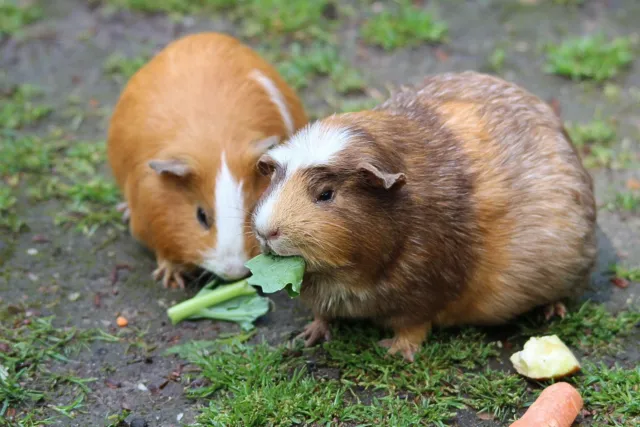
Guinea pigs are social animals that thrive on companionship. They are friendly, easy to handle, and can be very interactive with their owners. These little furballs love to vocalize, and their chirps and squeaks can bring joy to your home.
In terms of space, guinea pigs need a larger enclosure than hamsters, ideally a minimum of 7.5 square feet for two guinea pigs. They require a habitat that allows them to move around freely, explore, and play. A multi-level cage can provide additional space and stimulation.
Guinea pigs are herbivores and require a diet rich in hay, fresh vegetables, and pellets. Regular grooming is also necessary, especially for long-haired breeds. Their social nature means they thrive best in pairs or small groups, so consider adopting more than one.
3. Rabbits
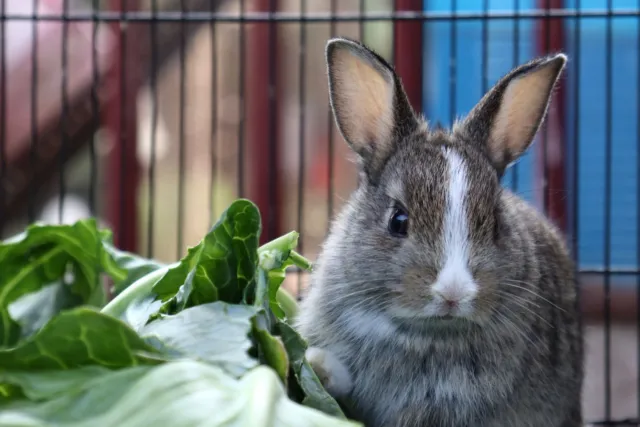
Rabbits are wonderful companions that can adapt well to apartment living, provided they have enough space to hop around and explore. They are social creatures, known for their playful and affectionate nature. Unlike hamsters, rabbits are generally active during the day and enjoy spending time with their owners.
When housing a rabbit, it’s important to provide a large, secure area for them to roam. A pen or a dedicated room can work well. Additionally, rabbits need a litter box, as they can be trained to use one, making cleanup easier.
Rabbits require a diet rich in hay, fresh vegetables, and a small amount of pellets. Routine health checks are crucial, as they can be prone to dental and digestive issues. Regular interaction and enrichment through toys are necessary to keep your rabbit happy and engaged.
4. Ferrets
Ferrets are playful and curious animals that can add a lot of joy to your apartment. They are social creatures that thrive on interaction and playtime. Ferrets are known for their mischievous behavior and require a lot of stimulation to keep them entertained.
While ferrets are small, they need a spacious cage with multiple levels and plenty of toys. They are quite active and require daily playtime outside of their cage to get exercise and explore their surroundings. Ensuring that your home is ferret-proofed is essential, as they can squeeze into tight spaces and are known for getting into mischief.
Diet is also an important consideration for ferrets. They are obligate carnivores, meaning they require a meat-based diet. Consult with your veterinarian to ensure they are receiving the right nutrients for their health.
5. Mice and Rats
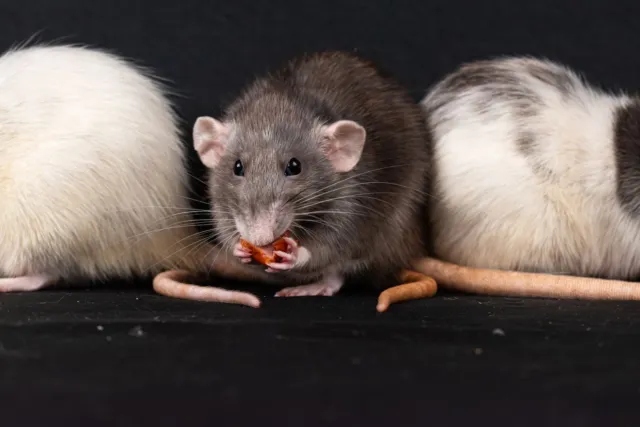
Mice and rats are often overlooked as pets, but they can be fantastic companions for apartment dwellers. They are small, relatively low-maintenance, and have engaging personalities. Rats, in particular, are known for their intelligence and ability to bond with their owners.
When housing mice or rats, a spacious cage with enough room for climbing and exploration is essential. Enrich their environment with tunnels, toys, and hiding spots. They are social animals and do best in pairs or small groups.
Both mice and rats require a balanced diet that includes pellets, fresh fruits, and vegetables. Regular handling and socialization are important for developing a bond with your pet.

6. Considerations for Apartment Living
Before bringing a small pet into your apartment, there are several considerations to keep in mind. First, assess your living space. Ensure that you have enough room for the pet’s habitat and that it will not obstruct pathways or living areas.
Noise levels are another important aspect. While some pets are quieter than others, all animals can be vocal at times. Make sure to choose a pet that fits your lifestyle and won’t disrupt your daily routine or that of your neighbors.
Additionally, consider your time commitment. Some pets require more attention and care than others. Evaluate your schedule to ensure that you can provide adequate time for socialization, play, and care. If you travel frequently or work long hours, a pet with lower social needs might be a better fit.
7. Enrichment and Care
Proper care for small pets involves more than just feeding and cleaning their habitats. Enrichment is vital for their mental and physical well-being. Small pets benefit from toys, tunnels, and interaction with their owners.
Regular handling and playtime contribute to a pet’s happiness. Make time each day to engage with your pet, whether it’s through play or simply spending time together. This interaction helps to build a bond and keeps your pet stimulated.
Additionally, regular veterinary check-ups are critical. Even though small pets might seem low-maintenance, they can be prone to specific health issues. Consult your veterinarian for guidance on diet, vaccinations, and preventive care to ensure your pet remains healthy.
Chinchillas: The Unique and Cuddly Companions
Understanding Chinchilla Behavior
Chinchillas are known for their playful and curious nature. They are nocturnal animals, meaning they are most active during the night. This can be a plus for apartment dwellers who work during the day but want a pet that is interactive in the evenings. Chinchillas are social creatures that thrive on companionship, either from their owners or fellow chinchillas, making them ideal for those who can dedicate time to their care.
When introducing a chinchilla to your home, it is vital to create a safe environment. They have a tendency to chew on objects, so providing them with chew toys and appropriate bedding is essential. A sturdy cage with multiple levels and hiding spots will help keep them entertained and allow them to exercise.
Housing Requirements for Chinchillas
Chinchillas require a spacious and well-ventilated cage. A minimum size of 24 inches by 24 inches is recommended, with vertical space for climbing. Wire cages are preferable as they provide better airflow. Here are some crucial elements to consider for your chinchilla’s living space:
- Multiple shelves or platforms for climbing.
- Hiding places such as igloos or tunnels.
- A dust bath area, as they need to bathe in volcanic ash to keep their fur clean.
- Accessible food and water containers that are secure and spill-proof.
Diet and Nutrition for Chinchillas
Feeding your chinchilla the right diet is essential for their health. Chinchillas require a high-fiber diet primarily consisting of hay, specifically timothy or orchard grass hay. You can supplement their diet with chinchilla pellets and occasional treats, such as dried fruits or vegetables, but these should be given sparingly to avoid obesity. Here is a simple feeding guide:
- Unlimited hay daily.
- 1-2 tablespoons of high-quality chinchilla pellets.
- Small amounts of dried fruits or veggies as treats.
Small Birds: Colorful and Charming Pets
Popular Small Bird Species for Apartments
When it comes to small birds, species such as parakeets (budgies), canaries, and finches are excellent choices for apartment living. These birds are compact, often friendly, and require relatively little space compared to larger birds. Parakeets are particularly social and can even learn to mimic sounds and words, making them entertaining companions.
Canaries are known for their beautiful singing, while finches are charming little flutters that enjoy socializing in pairs. It is important to research each species to determine which best fits your lifestyle and living situation.
Creating a Bird-Friendly Environment
Providing a comfortable habitat for your small bird is crucial. A cage that is at least 18 inches wide and 18 inches deep is ideal, with vertical space being important for flight. Add perches of varying widths to promote foot health, and include toys for mental stimulation. Here’s a checklist for setting up a bird’s environment:
- Spacious cage with horizontal bars for climbing.
- Multiple perches made from natural wood.
- Toys like swings, mirrors, and bells.
- Food and water dishes that are easy to clean.
Feeding and Care for Small Birds
The diet for small birds varies by species but generally includes high-quality seed mixes, fresh fruits, and vegetables. Ensure to provide clean, fresh water daily. Here’s a general diet guideline for small birds:
- High-quality seed or pellet mix specific to the species.
- Fresh vegetables like spinach, carrots, and bell peppers.
- Occasional fruit treats such as apples or berries.
Gerbils: The Playful Little Burrowers
Behavior and Social Needs of Gerbils
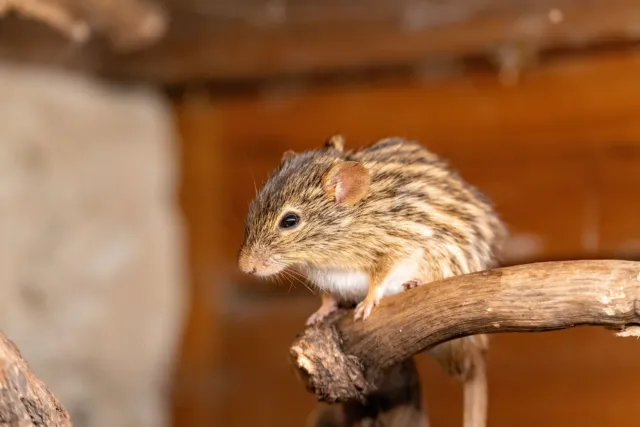
Gerbils are active and curious rodents that are perfect for apartment living. They are known for their playful antics and love to dig and burrow, which can be entertaining to watch. Gerbils are social animals and do best when housed in pairs, so consider adopting a pair from the same litter to ensure they get along.
These small pets are relatively low-maintenance and can adapt well to life in an apartment. However, they do require mental stimulation and exercise to keep them happy and healthy. Providing a variety of tunnels, toys, and a proper habitat will keep them engaged.
Setting Up a Gerbil Habitat
Gerbils need a well-ventilated cage that allows for burrowing. A glass aquarium or a wire cage with a solid bottom is ideal. The enclosure should be spacious, with at least 10 gallons of space for a pair of gerbils. Here are some essential elements to include in their habitat:
- Deep bedding for burrowing, such as aspen shavings or paper-based bedding.
- Hiding spots like wooden tunnels or cardboard boxes.
- Toys for chewing and climbing, such as wooden blocks or ladders.
Gerbil Nutrition and Care
Gerbils thrive on a balanced diet that includes commercial gerbil pellets, fresh vegetables, and occasional treats. It is important to avoid feeding them sugary or fatty foods. Here’s a simple feeding guideline:
- High-quality gerbil pellets as the primary food source.
- Fresh vegetables like carrots and broccoli in moderation.
- Occasional seeds or nuts as treats.
Frequently Asked Questions
What small pets are best for apartments?
The best small pets for apartments include hamsters, guinea pigs, rabbits, ferrets, and rats. Each of these pets has characteristics that make them suitable for limited living spaces.
How much space do small pets need?
Space requirements vary by species. For example, hamsters need a cage of at least 360 square inches, while guinea pigs require a minimum of 7.5 square feet for two. Always ensure your pet has enough room to move and explore.
Are small pets noisy?
Some small pets, like hamsters and guinea pigs, can be noisy, especially at night. Others, like rabbits, tend to be quieter. Consider your tolerance for noise when selecting a pet.
How do I care for a small pet?
Caring for small pets involves providing a suitable habitat, a balanced diet, regular cleaning, and daily social interaction. It’s also important to schedule routine veterinary visits.
The Bottom Line
Choosing the right small pet for your apartment can enhance your life while ensuring that your new companion is happy and healthy. Consider factors such as space, care requirements, and your lifestyle when making your decision. With the right planning and commitment, you can enjoy the companionship of a small pet in your apartment without any hassle.
Was this article helpful?

Writer at Mad4Pets. Lifelong animal lover who turns research and vet guidance into practical tips for everyday pet parents.