Recognizing Common Bird Health Emergencies
Learn to identify and respond to common bird health emergencies to ensure your feathered friend's well-being.


Key takeaways
- Understand signs of distress in birds.
- Know when to seek veterinary help.
- Learn about common bird health issues.
- Prepare for potential emergencies in advance.
Birds are beautiful, intelligent creatures that require attentive care and observation. As a bird owner, it is essential to understand the potential health emergencies that can arise. Knowing how to recognize the signs of distress and what actions to take can make a significant difference in your pet’s health and well-being.
This guide will delve into common bird health emergencies, helping you learn how to identify and respond to them effectively. From respiratory distress to trauma, being prepared can be the key to ensuring your feathered friend receives timely care.
By familiarizing yourself with the symptoms and necessary responses to various bird health emergencies, you empower yourself to act swiftly and appropriately. Early intervention can save your bird’s life, so let’s explore the most critical situations that every bird owner should be aware of.
Respiratory Distress in Birds
Respiratory issues are among the most common health emergencies in birds. Signs of respiratory distress may include labored breathing, wheezing, coughing, or open-mouth breathing. These symptoms can indicate serious conditions such as pneumonia, infections, or even allergies to environmental factors.
When you notice these signs, it is crucial to act quickly. Bird respiratory systems are delicate, and any obstruction or illness can escalate rapidly. Ensure that your bird is in a calm environment, as stress can exacerbate breathing issues.
If you suspect your bird is experiencing respiratory distress, here are the steps to take:
- Check for environmental triggers: Remove any potential allergens like smoke, strong perfumes, or cleaning products from the area.
- Assess your bird’s behavior: Observe if your bird is lethargic or displaying unusual postures.
- Seek veterinary care: Contact your veterinarian immediately for guidance and potential emergency treatment.
Trauma and Injury
Trauma is another critical health emergency that can occur, often resulting from falls, attacks from other pets, or accidents during handling. Signs of trauma may include bleeding, limping, or an inability to move a particular limb.
Injuries can lead to severe complications, such as internal bleeding or fractures, so prompt assessment is vital. Here are some common signs of trauma to watch for:
- Visible wounds: Cuts, scrapes, or puncture wounds.
- Behavioral changes: Increased aggression, hiding, or fluffed feathers.
- Mobility issues: Limping or reluctance to perch.
If you observe any of these signs, follow these steps:
- Keep your bird calm: Speak softly and avoid sudden movements.
- Control bleeding: Apply gentle pressure with a clean cloth if you see bleeding.
- Visit the vet: Transport your bird securely to the veterinarian for professional evaluation.
Digestive Emergencies
Birds can also experience digestive emergencies, which may present as vomiting, lethargy, or changes in droppings. These symptoms can signal various issues, from simple dietary indiscretion to more severe conditions like gastrointestinal blockages or infections.
Common signs of digestive distress include:
- Vomiting: Excessive regurgitation or throwing up food.
- Diarrhea: Watery droppings or changes in color.
- Anorexia: Refusal to eat or drink.
Here’s what to do if you suspect a digestive emergency:
- Monitor food intake: Keep track of whether your bird is eating or drinking.
- Check droppings: Note any changes in color or consistency.
- Consult your vet: Seek immediate veterinary attention if symptoms persist for more than a few hours.
Neurological Issues
Neurological problems in birds can manifest as seizures, disorientation, or inability to perch. These issues may arise from infections, exposure to toxins, or underlying health conditions. Recognizing these symptoms early is crucial for effective treatment.
Signs of neurological distress include:
- Seizures: Uncontrolled muscle movements or convulsions.
- Lack of coordination: Difficulty balancing or standing.
- Behavioral changes: Increased aggression or abnormal vocalizations.
If you observe any of these symptoms, take the following actions:
- Keep your environment safe: Remove any objects that could cause injury during a seizure.
- Limit stimulation: Provide a quiet space for your bird to recover.
- Contact a veterinarian: Immediate veterinary consultation is necessary for proper diagnosis and treatment.
Heat Stress and Hyperthermia
Birds are particularly sensitive to heat, and exposure to high temperatures can lead to heat stress or hyperthermia. This condition can be life-threatening, especially for small birds or those with dense feathers.
Signs of heat stress include:
- Excessive panting: Open-mouth breathing and increased respiratory rate.
- Fluffed feathers: Birds may fluff their feathers to cool down.
- Lethargy: Reduced activity and a lack of interest in surroundings.
If you suspect your bird is experiencing heat stress, here’s what to do:
- Move to a cooler area: Find a shaded or air-conditioned space.
- Provide water: Ensure your bird has access to fresh, cool water.
- Seek veterinary assistance: If symptoms do not improve quickly, contact your vet.
Common Toxins
Birds are susceptible to various toxins, including household items, certain foods, and plants. Common toxic substances include chocolate, avocado, and some houseplants like philodendrons. Understanding what is harmful to your bird is essential for prevention.
Signs of poisoning can vary but often include:
- Vomiting or regurgitation: Sudden onset of these symptoms can indicate toxin ingestion.
- Diarrhea: Unusual droppings may signify gastrointestinal distress.
- Behavioral changes: Lethargy or seizures may also occur.
If you suspect your bird has been exposed to a toxin:
- Identify the toxin: If possible, determine what your bird may have ingested.
- Remove the source: Ensure that all potential toxins are out of reach.
- Contact your vet: Immediate veterinary care is necessary to manage poisoning.
Behavioral Changes as Indicators of Health Issues
Understanding Normal Bird Behavior
Birds are known for their vibrant personalities and unique behaviors. Understanding what constitutes normal behavior for your specific species of bird is crucial for identifying potential health issues. Birds typically exhibit social behaviors, vocalizations, and certain movement patterns that indicate their well-being. For instance, a healthy parakeet may chirp and interact playfully with its environment.
Common signs of a healthy bird include:
- Active movement and exploration of their cage or environment.
- Consistent vocalizations such as singing or chattering.
- Engagement with toys and social interactions with their owners.
Recognizing Subtle Changes in Behavior
Even small deviations from a bird’s normal behavior can signal health problems. A sudden loss of interest in play, decreased vocalization, or changes in appetite can be early warning signs of illness. It is essential for bird owners to observe their pets closely and note any changes that persist for more than a day or two.
Some behavioral changes to watch for include:
- Increased aggression or irritability, which could indicate pain or discomfort.
- Isolation from other birds or people, a sign of distress or illness.
- Excessive sleeping or lethargy, which may suggest underlying health issues.
When to Seek Veterinary Care
If you notice any concerning behavioral changes in your bird that last longer than 24 hours, it is essential to consult with a veterinarian who specializes in avian care. Early intervention can often lead to better outcomes. During your veterinary visit, be prepared to provide detailed observations about your bird’s behavior, diet, and any other symptoms you have noticed.
Key points to discuss with your vet may include:
- Changes in vocalization patterns.
- Alterations in feeding habits or water intake.
- Any unusual interactions with other pets or people.
Common Avian Infectious Diseases
Identifying Symptoms of Infectious Diseases
Infectious diseases can pose significant health risks to birds, and early identification of symptoms is crucial for successful treatment. Common infectious diseases include avian influenza, psittacosis, and Newcastle disease. Symptoms often overlap but can provide vital clues for diagnosis.
Typical signs of infection may include:
- Respiratory issues such as coughing or nasal discharge.
- Changes in plumage, including feather loss or a dull appearance.
- Digestive disturbances such as diarrhea or changes in droppings.
Preventative Measures for Infectious Diseases
Preventing infectious diseases is often more effective than treating them after they occur. Regular veterinary check-ups, proper hygiene, and vaccination where applicable can help keep your bird healthy. Ensuring that your bird’s environment is clean and free from potential pathogens is critical.
Here are some preventative measures:
- Regularly clean and disinfect your bird’s cage and accessories.
- Avoid contact with wild birds, which can carry infectious diseases.
- Keep your bird’s diet well-balanced to support their immune system.
Understanding Treatment Options
If your bird is diagnosed with an infectious disease, treatment will depend on the specific illness. Some infections can be treated with antibiotics, while others may require more intensive care. It is essential to follow your veterinarian’s instructions closely and complete any prescribed medication course.
Common treatment protocols may include:
- Antibiotics for bacterial infections.
- Antiviral medications for specific viral infections.
- Supportive care such as hydration and nutrition management.
Signs of Pain and Discomfort in Birds
Recognizing Pain Indicators
Birds are masters at masking pain, a trait that stems from their natural instincts. However, there are several signs that may indicate your bird is suffering. Recognizing these signs early can lead to prompt intervention and treatment, ultimately improving your bird’s quality of life.
Common indicators of pain in birds include:
- Changes in posture, such as hunching or puffing up feathers.
- Altered vocalizations, including excessive squawking or silence.
- Reluctance to engage in normal activities such as flying or climbing.
Identifying Specific Types of Pain
Pain in birds can arise from various sources, including injury, illness, or chronic conditions. Knowing the type of pain can help guide treatment options. Common sources of pain include:
- Musculoskeletal pain from fractures or arthritis.
- Abdominal pain due to gastrointestinal issues or organ dysfunction.
- Neuropathic pain related to nerve damage or infections.
Seeking Relief for Your Bird
If you suspect your bird is in pain, it is essential to consult with an avian veterinarian immediately. The veterinarian will perform a thorough examination and may recommend pain management strategies tailored to your bird’s needs. Treatment options may include:
- Non-steroidal anti-inflammatory drugs (NSAIDs) for pain relief.
- Physical therapy to improve mobility and reduce discomfort.
- Environmental modifications to minimize stress and promote healing.
Signs of Dehydration in Birds
Understanding Dehydration
Dehydration is a critical condition that can quickly escalate in birds, particularly in hot weather or after periods of illness. Unlike mammals, birds may not show obvious signs of dehydration until they are significantly affected. It is essential for bird owners to regularly monitor their pets for early signs of dehydration.
Common causes of dehydration in birds include inadequate water intake, excessive heat, and certain health conditions such as kidney disease. Recognizing these causes can help prevent dehydration before it becomes severe.
Identifying Symptoms
Birds may exhibit several symptoms when they are dehydrated. These can include:
- Dry mouth and tongue
- Sunken eyes
- Loss of skin elasticity
- Increased lethargy
- Panting or increased respiratory rate
Regularly checking your bird’s hydration levels is vital. Gently pinch the skin on the back of their neck; if it does not return to its original position quickly, this may indicate dehydration. Additionally, monitoring droppings for consistency can provide insight into their hydration status.
Preventative Measures and Treatment
To prevent dehydration, ensure your bird has constant access to fresh, clean water, particularly during hot weather. Providing water-rich foods, such as fruits and vegetables, can also help maintain hydration levels. If dehydration is suspected, seek veterinary advice promptly, as severe dehydration may require medical intervention, including rehydration fluids administered by a professional.
Recognizing Avian Skin Conditions
Common Skin Issues in Birds
Birds can suffer from various skin conditions that may indicate underlying health concerns. Common issues include feather plucking, dry skin, and infections. Skin conditions can be caused by parasitic infestations, allergies, or environmental factors.
For instance, feather plucking can be a sign of stress, boredom, or nutritional deficiencies. It is crucial for bird owners to identify the cause of such behaviors to address them effectively.
Symptoms of Skin Problems
Birds suffering from skin conditions may exhibit the following symptoms:
- Redness or inflammation of the skin
- Loss of feathers or abnormal feather growth
- Visible parasites (mites or lice)
- Excessive scratching or rubbing
- Changes in behavior, such as increased aggression or withdrawal
Regularly inspecting your bird’s skin and feathers can help identify any potential issues before they escalate. Pay attention to any changes in behavior or appearance, as these can be indicators of distress.
Treatment and Prevention
Treatment for avian skin conditions will depend on the underlying cause. Consulting with a veterinarian is essential for diagnosing and treating skin issues. Preventative measures include maintaining a clean environment, providing a balanced diet rich in essential nutrients, and ensuring your bird has opportunities for mental and physical stimulation to reduce stress.
Understanding Avian Weight Issues
The Importance of Weight Monitoring
Maintaining a healthy weight is crucial for a bird’s overall health and well-being. Both obesity and underweight conditions can lead to severe health problems, including heart disease, diabetes, and decreased lifespan. Regular weight monitoring should be part of your bird’s health routine.
Recognizing Weight Problems
Bird owners should be aware of the signs indicating weight issues. Symptoms of obesity may include:
- Difficulty flying or increased reluctance to fly
- Prominent breastbone due to fat deposits
- Changes in behavior, such as lethargy
Signs of being underweight can include:
- Prominent bones, especially the breastbone
- Loss of muscle mass
- Increased vocalization or begging for food
Strategies for Maintaining Healthy Weight
To help your bird maintain a healthy weight, provide a balanced diet tailored to their species, including pellets, seeds, and fresh produce. Regular exercise is also important; consider providing toys and space for play. Regular veterinary check-ups can help monitor weight changes and prevent health complications.
Frequently Asked Questions
What are the signs of a bird health emergency?
Signs include difficulty breathing, visible wounds, vomiting, or sudden changes in behavior. Always monitor your bird closely for any unusual symptoms.
When should I take my bird to the vet?
If you notice any severe symptoms, such as respiratory distress, trauma, or signs of poisoning, it is essential to seek veterinary care immediately.
How can I prepare for a bird health emergency?
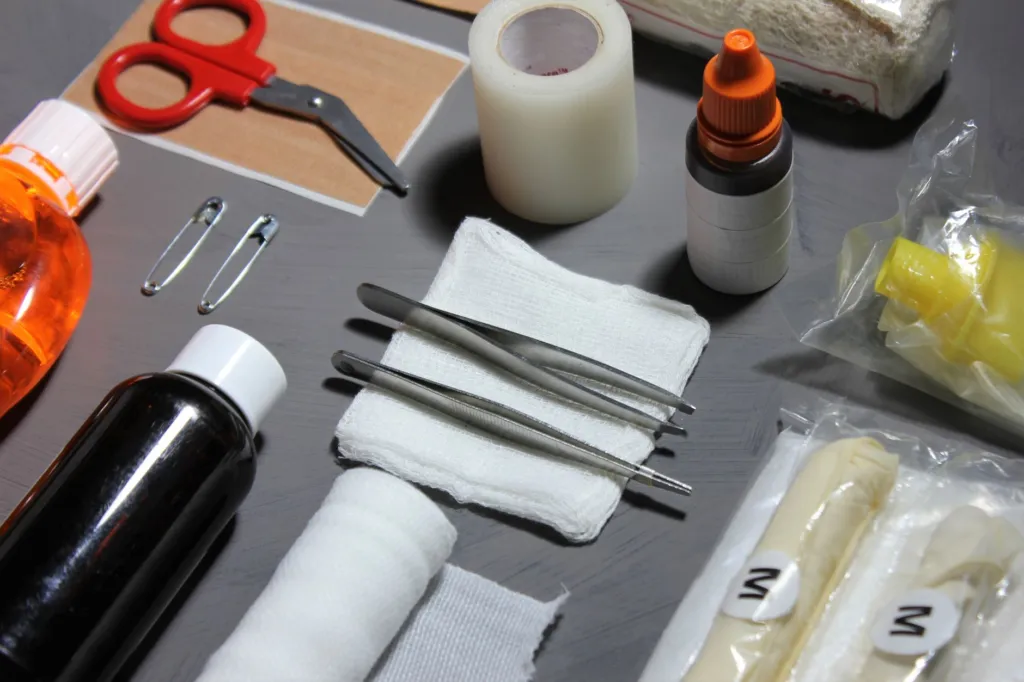
Keep a first-aid kit ready with essentials, maintain a list of emergency contacts, and ensure you know the location of the nearest avian veterinarian.
Can I treat my bird at home for health emergencies?
While some minor issues can be managed at home, serious health emergencies require professional veterinary attention. Always err on the side of caution.
The Bottom Line
Understanding common bird health emergencies is crucial for every bird owner. By recognizing symptoms and knowing the appropriate responses, you can protect your feathered friend from potential harm. Always prioritize timely veterinary care as necessary, and maintain a prepared mindset to ensure your bird remains healthy and safe.
Was this article helpful?

Writer at Mad4Pets. Lifelong animal lover who turns research and vet guidance into practical tips for everyday pet parents.