What Do Parakeets Eat? Seeds, Pellets, Fruits and Veggies
What do parakeets eat? How to balance seeds, pellets, fresh vegetables and fruit, safe treats, and the foods that are toxic to parakeets.

Key takeaways
- Parakeets require a balanced diet of seeds, pellets, fruits, and vegetables.
- Fresh foods are crucial for hydration and vitamins.
- Avoid toxic foods like avocado and chocolate.
- Consult a veterinarian for dietary concerns.
Understanding Parakeets’ Nutritional Needs
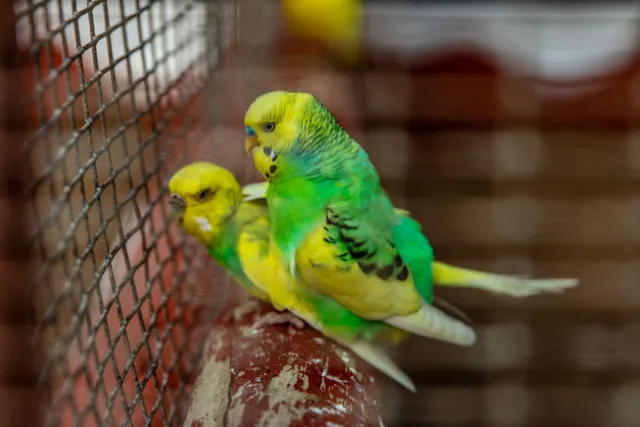
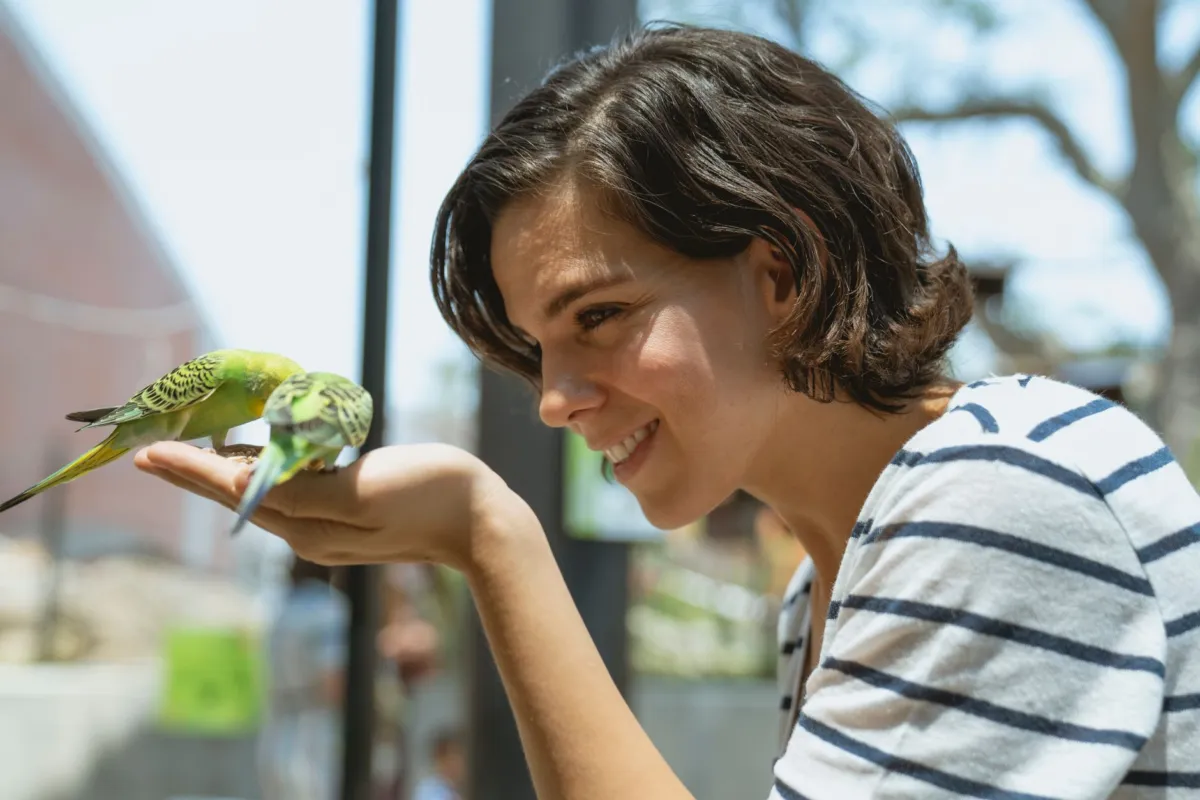
Parakeets, also known as budgerigars or budgies, are popular pet birds known for their vibrant colors and friendly personalities. Providing the right diet is essential for their health and well-being. In the wild, parakeets primarily feed on seeds, fruits, and vegetables, and replicating this diet at home is crucial for their happiness.
When considering what to feed your parakeet, it’s important to understand their natural dietary habits. A well-balanced diet should mimic what they would eat in the wild, encompassing a variety of foods that provide essential nutrients. This guide will delve into the various food types suitable for parakeets, their nutritional benefits, and how to serve them effectively.
A balanced diet for a parakeet should consist of seeds, pellets, fresh fruits, and vegetables. Each of these components plays a vital role in ensuring that your parakeet remains healthy and active. Let’s explore these dietary elements in detail.
Seeds: The Foundation of a Parakeet’s Diet
Seeds are often the primary component of a parakeet’s diet and are readily available in pet stores. They provide a source of energy but should be given in moderation. Parakeet seed mixes typically include a variety of seeds such as millet, canary seed, and sunflower seeds. While seeds provide essential fats and proteins, they are also high in calories.
When selecting seeds for your parakeet, consider the following:
- Seed Quality: Always choose high-quality seeds that are free from mold and contaminants. Look for reputable brands that maintain high standards in their products.
- Seed Mix Variety: Opt for a seed mix that includes a variety of seeds to ensure your parakeet receives different nutrients. A mix that contains both small and large seeds can be beneficial.
- Moderation: Although seeds form the bulk of their diet, they should not be the only food source. Over-reliance on seeds can lead to obesity and health issues.
Pellets: A Nutritional Alternative
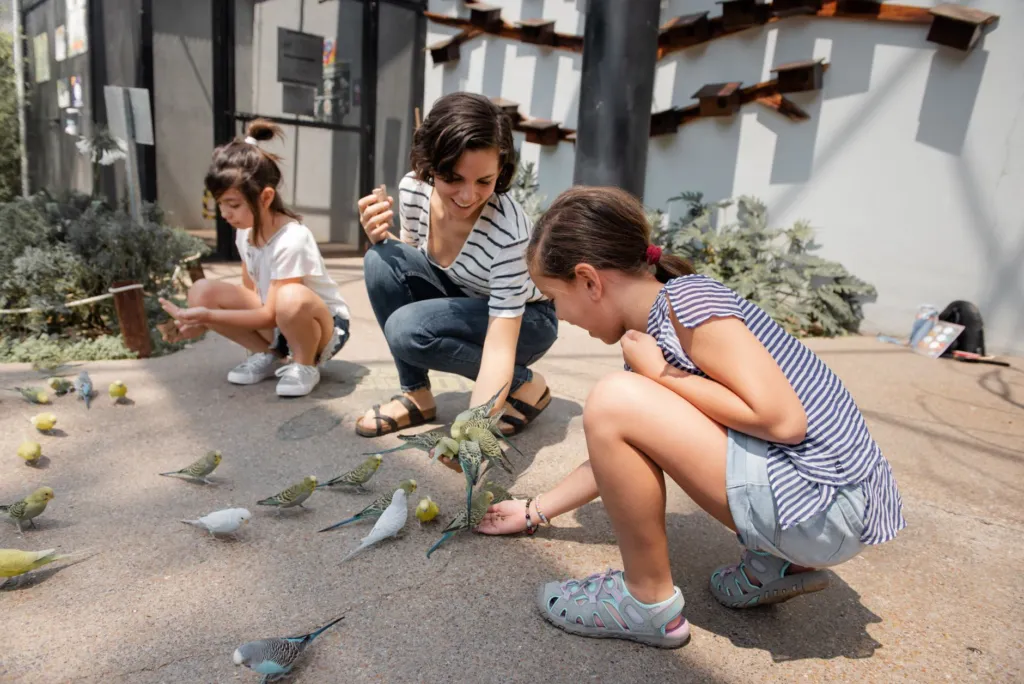
Pellets are specially formulated bird food that provides a balanced diet for parakeets. They are designed to ensure that birds receive all the essential nutrients they need. Unlike seeds, pellets are less likely to allow for selective eating, where a bird picks only its favorite seeds and ignores others.
When choosing pellets for your parakeet, consider the following:
- Ingredient Quality: Look for pellets made from natural ingredients without artificial colors or preservatives. The first few ingredients should be whole grains and vegetables.
- Size Appropriate: Ensure that the pellet size is suitable for your parakeet. Smaller pellets are typically better for budgies.
- Transitioning: If your parakeet is used to seeds, transition slowly to pellets by mixing them in with the seeds until your bird is comfortable with the new food.
Pellets can be an excellent supplement to seeds, helping to prevent nutritional deficiencies.
Fresh Fruits: A Sweet Treat for Parakeets
Fresh fruits are a delightful addition to a parakeet’s diet, providing essential vitamins and hydration. Fruits like apples, bananas, berries, and grapes are favored by many parakeets. It’s important to wash all fruits thoroughly and remove any seeds, as some seeds can be toxic.
Here are some fruits that are safe and nutritious for your parakeet:
- Apples (remove seeds)
- Bananas
- Berries (strawberries, blueberries, raspberries)
- Grapes
- Pear (remove seeds)
When feeding fruits, moderation is key. Too much fruit can lead to excessive sugar intake, which is not ideal for your bird’s health. Offer small pieces a few times a week to keep things interesting and nutritious.
Vegetables: Essential for a Balanced Diet
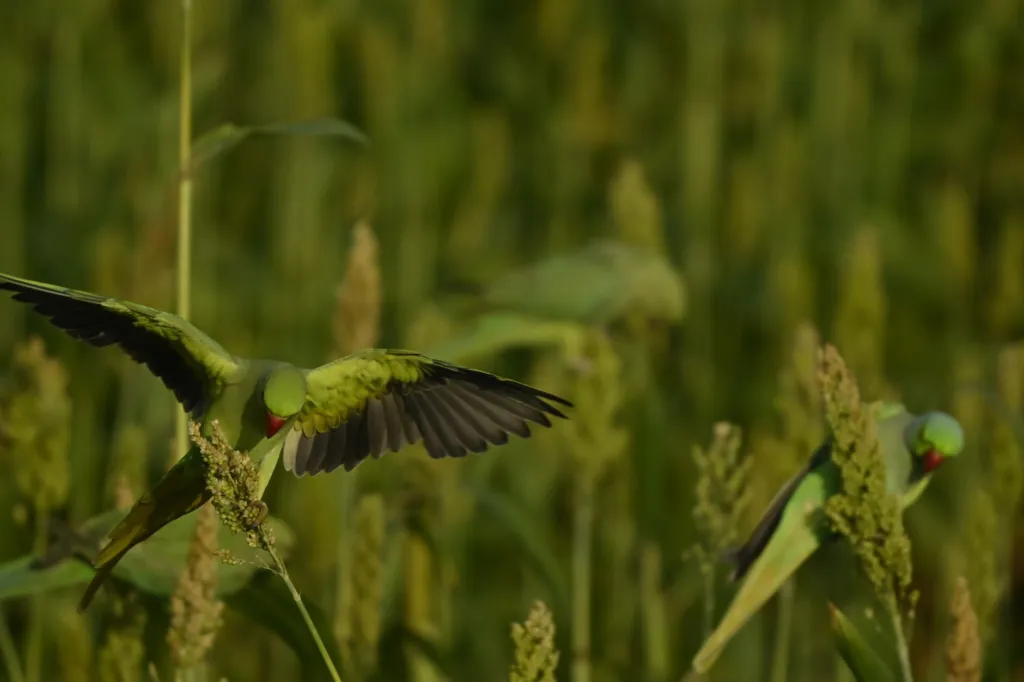
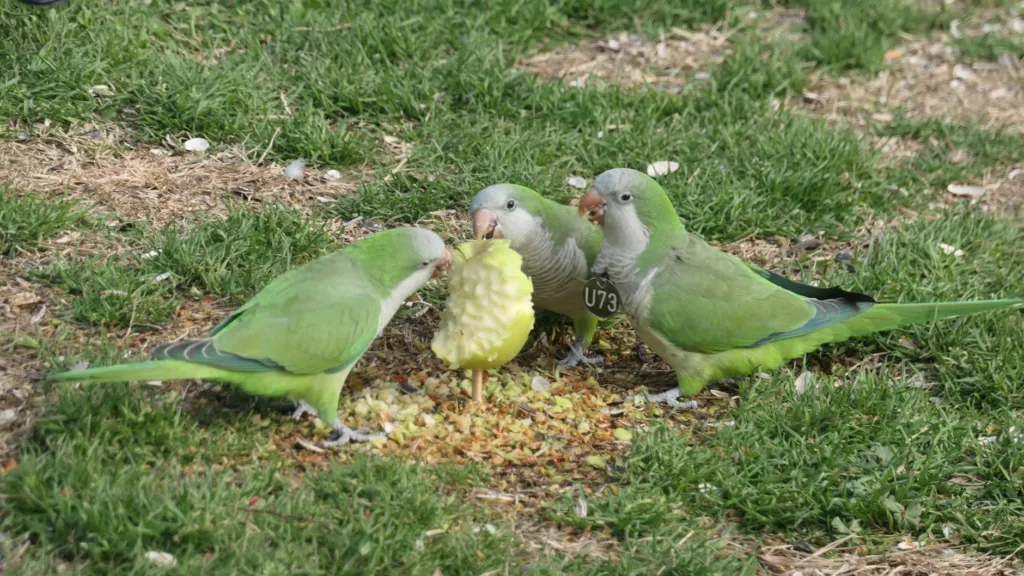
Vegetables are another vital part of a parakeet’s diet and should be offered daily. They provide a range of vitamins, minerals, and fiber. Leafy greens such as kale, spinach, and romaine lettuce are particularly beneficial. Other vegetables like carrots, bell peppers, and broccoli can also be included.
Here are some healthy vegetables you can offer your parakeet:
- Kale
- Spinach
- Carrots (shredded)
- Bell peppers
- Broccoli
Introduce new vegetables gradually to see which ones your parakeet enjoys. Always wash vegetables thoroughly, and chop them into small, manageable pieces for your bird.
Foods to Avoid
While many foods are safe for parakeets, some can be harmful or even toxic. It’s crucial to be aware of these dangerous foods to keep your pet safe.
Here’s a list of foods to avoid:
- Avocado: Contains persin, which is toxic to birds.
- Chocolate: Can cause serious health issues.
- Caffeine: Found in coffee and tea, harmful to birds.
- Alcohol: Toxic and can be fatal.
- Salt: High sodium levels can lead to health problems.
If you ever suspect your parakeet has ingested something toxic, contact a veterinarian immediately.
Feeding Tips and Best Practices
Feeding your parakeet requires some knowledge and planning. Here are some practical tips to ensure your bird receives a balanced diet:
- Regular Schedule: Establish a feeding schedule. Fresh food should be provided daily, and seeds or pellets should be available at all times.
- Portion Control: Offer appropriate portion sizes to avoid wastage. Monitor how much your parakeet eats and adjust accordingly.
- Cleanliness: Regularly clean food dishes to prevent bacterial growth. Remove uneaten fresh food after a few hours to ensure it stays fresh.
Understanding the Role of Protein in a Parakeet’s Diet
Sources of Protein
Protein is an essential nutrient that plays a critical role in the overall health and well-being of parakeets. It supports growth, feather development, and the maintenance of bodily functions. There are various sources of protein that can be safely included in a parakeet’s diet. Common sources include:
- Cooked Eggs: Scrambled or boiled eggs are an excellent source of protein. Ensure they are cooked without any additives like salt or oil.
- Legumes: Cooked lentils and beans can provide a plant-based protein source. Make sure these are thoroughly cooked and cooled before offering them to your bird.
- Nuts and Seeds: Certain nuts, such as almonds or walnuts, can be given in moderation. They are not only protein-rich but also provide healthy fats.
How Much Protein Do Parakeets Need?
Determining the right amount of protein for your parakeet is crucial for maintaining their health. While the specific protein needs can vary based on their age, size, and activity level, a balanced diet should include protein sources as part of their daily intake. A general guideline is to ensure that protein makes up about 12-15% of their total diet. This can be achieved by combining various protein sources throughout the week.
Monitoring your parakeet’s health can also give indications of their protein needs. If your bird is molting or appears lethargic, it may require additional protein. Always consult a veterinarian for personalized advice based on your parakeet’s individual needs.
Signs of Protein Deficiency
A lack of adequate protein can lead to several health issues. Some signs that your parakeet may be experiencing protein deficiency include:
- Feather plucking or poor feather condition
- Weight loss or difficulty maintaining weight
- Weakness or lethargy
- Decreased activity or playfulness
Addressing protein deficiency through dietary adjustments can significantly improve your parakeet’s health and vitality.
Hydration: The Often Overlooked Aspect of Parakeet Care
The Importance of Fresh Water
Hydration is crucial for parakeets, as it impacts their digestion, energy levels, and overall health. Fresh, clean water should be available to your parakeet at all times. Change the water daily to prevent bacterial growth and ensure it remains free from contaminants.
Parakeets can also obtain some hydration through the fruits and vegetables they consume. However, this should not replace their need for fresh water. It is essential to monitor their water intake, especially in hot weather or during periods of increased activity.
Signs of Dehydration
Recognizing the signs of dehydration in parakeets is vital for their health. Some common symptoms include:
- Dry or sunken eyes
- Decreased energy and lethargy
- Loss of appetite
- Sticky beak or dry feathers
If you notice any of these symptoms, it is crucial to take immediate action by providing fresh water and consulting a veterinarian if symptoms persist.
Creative Ways to Encourage Hydration
Some parakeets may be reluctant to drink water. To encourage hydration, consider the following methods:
- Water Bottles: Some birds prefer drinking from a water bottle rather than an open dish. Experiment to see what your parakeet prefers.
- Fruit-Infused Water: Adding a small slice of fruit to the water can entice your bird to drink more.
- Hydration Fruits: Offer water-rich fruits like watermelon or cucumber, which can help supplement their hydration needs.
Ensuring your parakeet stays well-hydrated will contribute to their overall health and happiness.
Feeding Young Parakeets: Special Considerations
Dietary Needs of Baby Parakeets
Young parakeets, especially those that are still being weaned, have different dietary requirements than adult birds. While they will eventually transition to a standard parakeet diet, their initial needs focus primarily on easily digestible foods. A quality hand-feeding formula specifically designed for baby birds is recommended during the weaning process.
Once they begin to eat on their own, introduce a variety of foods to help develop their palate and ensure balanced nutrition. Suitable options include:
- Soft Fruits: Mashed bananas, applesauce, and pureed pears.
- Cooked Grains: Softened rice or oatmeal can be introduced as they start to eat solid food.
- Vegetable Purees: Blended peas, carrots, or sweet potatoes can provide essential nutrients.
Transitioning to Solid Foods
As baby parakeets grow, they will naturally transition to solid foods. This process usually begins around the age of 4-6 weeks. During this period, it is essential to offer a variety of seeds, pellets, fruits, and vegetables to ensure they receive the necessary nutrients for growth. Monitor their eating habits closely, as some young birds may be picky eaters.
Introducing new foods gradually can help ease this transition. Start by mixing small amounts of new foods with the familiar ones to encourage them to try different options. Always ensure that the foods are fresh and appropriately sized for their beaks.
Monitoring Growth and Health
Regularly monitoring the growth and health of young parakeets is essential. Healthy growth can be observed through:
- Regular weight checks
- Active and playful behavior
- Bright, vibrant plumage
- Clear and alert eyes
If you notice any abnormalities in their growth or behavior, consult with a veterinarian specializing in avian care. Early intervention can prevent long-term health issues and ensure your young parakeet develops into a healthy adult.
Frequently Asked Questions
Can parakeets eat seeds only?
No, while seeds can form a significant part of a parakeet’s diet, they should not be the only food offered. A balanced diet includes pellets, fruits, and vegetables.
How often should I feed my parakeet fresh fruits and vegetables?
Fresh fruits and vegetables should be offered daily, but in moderation. A small portion is adequate to provide essential nutrients without overloading on sugar or calories.
What are the signs of a poor diet in parakeets?
Signs of a poor diet can include weight gain or loss, dull feathers, lethargy, and decreased activity levels. Always monitor your parakeet’s health and consult a vet if you notice any changes.
Is it safe to feed my parakeet table scraps?
Feeding table scraps is generally not recommended, as many human foods can be unhealthy or toxic for birds. Stick to foods that are known to be safe for parakeets.
The Bottom Line
Feeding your parakeet a varied and balanced diet is essential for its health and happiness. A combination of seeds, pellets, fresh fruits, and vegetables will provide the nutrients necessary for a long and fulfilling life. Always be mindful of foods to avoid and consult a veterinarian if you have any concerns about your bird’s diet.
Was this article helpful?

Writer at Mad4Pets. Lifelong animal lover who turns research and vet guidance into practical tips for everyday pet parents.