Can Birds Eat Fruits and Vegetables Safely?
Explore whether birds can eat fruits and vegetables safely, along with tips for introducing them into their diet.

Key takeaways
- Fruits and vegetables can be beneficial for birds.
- Not all fruits and vegetables are safe for birds.
- Introduce new foods gradually to monitor reactions.
- Consult a veterinarian for dietary concerns.
Many pet owners wonder about the dietary needs of their feathered friends. A common question that arises is whether birds can eat fruits and vegetables. These food groups are often seen as healthy additions to a pet’s diet, promoting vibrant health and wellbeing. However, not all fruits and vegetables are created equal, and some can even be harmful to birds.
Understanding the nutritional requirements of your bird, including the types of fruits and vegetables that are safe to include in their diet, is essential for responsible pet ownership. This comprehensive guide will explore the benefits of fruits and vegetables for birds, how to introduce them to your pet’s diet, and which items to avoid.
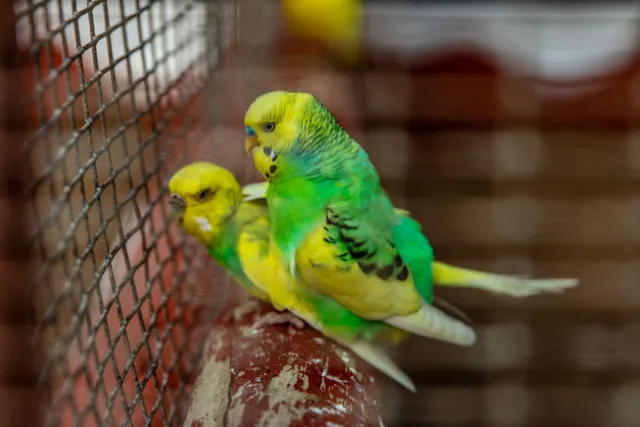
Whether you have a small budgie or a larger parrot, this article will equip you with the necessary information to ensure your bird enjoys a varied and balanced diet.
Benefits of Feeding Fruits and Vegetables to Birds
Fruits and vegetables can provide numerous health benefits for birds. These natural foods are often rich in vitamins, minerals, and other essential nutrients that contribute to overall health. Here are some of the key benefits:
- Vitamins and Minerals: Fruits and vegetables are excellent sources of essential vitamins like Vitamin A, C, and various B vitamins. These nutrients support immune function, skin health, and metabolic processes.
- Antioxidants: Many fruits and vegetables are loaded with antioxidants, which help combat oxidative stress and reduce the risk of chronic diseases.
- Fiber: Dietary fiber from fruits and vegetables aids in digestion, promoting a healthy gut and preventing issues like constipation.
- Hydration: Fresh produce has a high water content, which can help keep your bird hydrated.
Incorporating fruits and vegetables into your bird’s diet can enhance their overall health, vitality, and longevity. It’s important to offer a variety of options to ensure a well-rounded intake of nutrients.
Safe Fruits and Vegetables for Birds
When considering fruits and vegetables for your bird, it is essential to choose safe options. Here is a list of fruits and vegetables that most birds can enjoy:
Fruits
- Apples: Remove seeds, as they contain cyanide.
- Bananas: Nutritious and easy to eat.
- Blueberries: Packed with antioxidants and vitamins.
- Strawberries: High in vitamin C and fiber.
- Pears: Sweet and hydrating; seeds should be removed.
- Grapes: Good source of hydration; cut in half for smaller birds.
- Mango: Rich in vitamins, but ensure skin is removed.
Vegetables
- Carrots: High in beta-carotene; served raw or cooked.
- Spinach: Packed with vitamins and minerals.
- Broccoli: Rich in vitamin C; can be served raw or steamed.
- Sweet Potatoes: Cooked and mashed, they are nutritious.
- Zucchini: Low in calories and high in water content.
- Bell Peppers: Excellent source of vitamin C; all colors are safe.
These fruits and vegetables can be offered fresh, chopped, or pureed to make them easier for your bird to consume. Always ensure that they are thoroughly washed to remove pesticides and other contaminants.
How to Introduce Fruits and Vegetables to Your Bird
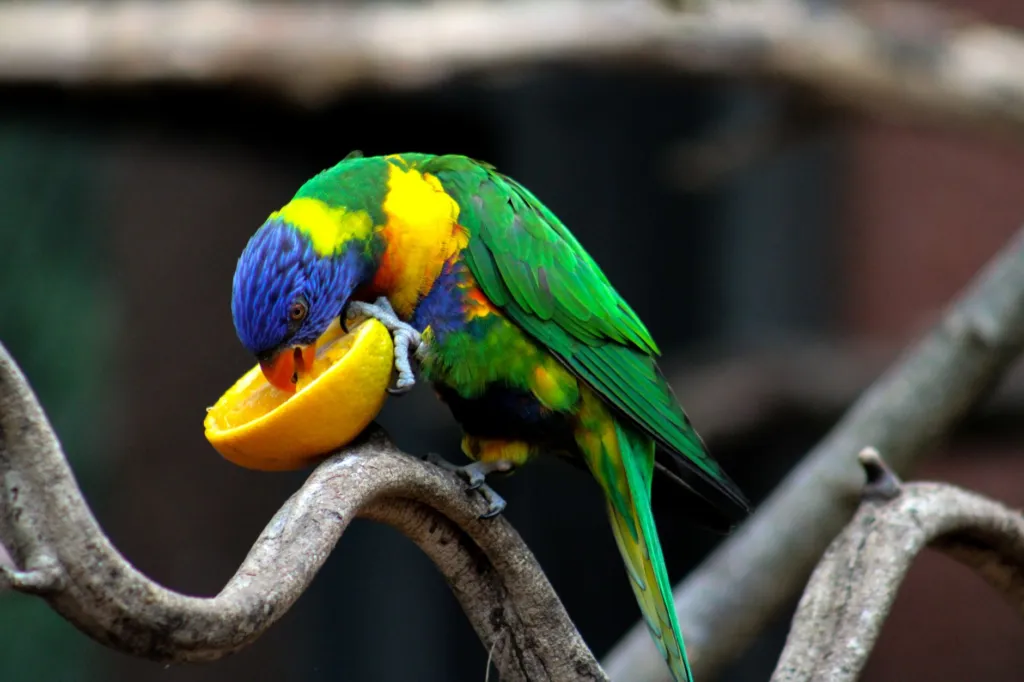
Introducing new foods to your bird’s diet should be done gradually. Birds can be cautious eaters, and sudden changes in their diet can lead to stress or dietary issues. Here are some practical steps to follow:
- Start Small: Begin with a tiny piece of fruit or vegetable. Observe how your bird reacts to the new taste and texture.
- Monitor Reactions: Watch for signs of interest or aversion. If your bird shows disinterest, try a different item.
- Mix with Favorites: Combine new fruits or vegetables with their preferred foods to encourage them to try the new addition.
- Consistency is Key: Offer the new food regularly, but in small amounts. This helps your bird get used to it over time.
By taking a patient and gradual approach, you can successfully expand your bird’s palate and improve their diet.
Potential Risks and Foods to Avoid
While many fruits and vegetables are safe for birds, some can be toxic or harmful. It is crucial to be aware of these risks to protect your pet’s health.
Toxic Foods
- Avocado: Contains persin, which is toxic to birds.
- Caffeine: Found in coffee and tea, it can be harmful.
- Chocolate: Highly toxic; should never be fed to birds.
- Onions and Garlic: Can cause digestive issues and anemia.
- Fruit Pits and Seeds: Contain cyanogenic compounds; remove before feeding.
Consult your veterinarian if you are unsure about a particular food item. It is always better to err on the side of caution when it comes to your bird’s diet.

Best Practices for Feeding Fruits and Vegetables
To ensure your bird enjoys a healthy and safe diet, here are some best practices to follow:
- Freshness Matters: Always choose fresh, organic produce when possible. Wilted or spoiled items should be discarded.
- Preparation: Wash fruits and vegetables thoroughly to remove pesticides. Cut them into manageable pieces for your bird.
- Variety is Vital: Rotate different fruits and vegetables to provide a range of nutrients and flavors.
- Limit Sugary Fruits: Some fruits are high in sugar. Offer these in moderation to avoid obesity.
- Observe Portion Sizes: Depending on your bird’s size, adjust the portion sizes accordingly to prevent waste.
Adhering to these practices will not only keep your bird healthy but also make mealtime enjoyable.
Understanding Nutritional Needs of Different Bird Species
Species-Specific Dietary Requirements
Birds, like all pets, have specific dietary requirements that can vary significantly between species. For example, seed-eating birds such as finches may have different needs compared to fruit-eating parrots. Understanding these differences is crucial for providing a balanced diet.
Parrots, for instance, thrive on a diet rich in fruits and vegetables due to their high metabolic rates. In contrast, canaries and budgerigars may require a higher proportion of seeds but can still benefit from occasional fruits and vegetables. It’s important to research the specific needs of your bird species to ensure you are providing adequate nutrition.
Age and Health Considerations
The age and health of your bird can also influence its dietary needs. Young birds often require more protein and energy for growth, while older birds may need a diet that supports their health conditions, such as obesity or liver disease. Fruits and vegetables can be tailored to meet these varying needs.
- Young Birds: Focus on high-energy fruits like bananas and soft vegetables like cooked carrots.
- Adult Birds: Introduce a variety of greens such as kale and spinach for balanced nutrition.
- Senior Birds: Offer low-calorie options such as cucumbers and zucchini to manage weight.
Seasonal Changes and Freshness
Another factor to consider is the seasonality of fruits and vegetables. Many fruits and vegetables are more nutritious when they are in season and locally sourced. For example, berries in summer are often more flavorful and richer in vitamins than those imported from distant sources in winter.
Freshness is key; wilted or spoiled produce can be harmful to birds. Always inspect fruits and vegetables carefully before feeding them to your bird. Opt for organic options when possible to avoid pesticide residues.
Creative Ways to Serve Fruits and Vegetables
Cooking Techniques to Maximize Nutritional Value
While many birds enjoy raw fruits and vegetables, cooking can enhance the digestibility and nutrient absorption for certain foods. Steaming vegetables like broccoli or carrots can help retain their vitamins while making them softer and easier for birds to consume.
Be mindful of cooking methods; avoid frying or using excessive oils, as these can be harmful to birds. Here are some recommended cooking techniques:
- Steaming: Retains nutrients while softening the texture.
- Boiling: Quick method, but may lead to nutrient loss if overcooked.
- Baking: Great for sweet potatoes or squash, making them palatable and nutritious.
Making Fruits and Vegetables Appealing
Presentation matters when it comes to feeding birds. Birds are naturally curious, and an attractive presentation can encourage them to try new foods. Consider mixing different colors, textures, and shapes to create visually appealing dishes.
You can also use skewers or attach fruits and veggies to branches to mimic their natural foraging behavior. This not only makes eating more fun but also stimulates their minds, keeping them engaged and happy.
Bird-Safe Treats and Snacks
In addition to regular meals, you can incorporate fruits and vegetables into bird-safe treats and snacks. Homemade birdie cookies using mashed bananas and oats, or frozen fruit cubes made from pureed fruits, can provide exciting alternatives to standard food offerings.
- Birdie Cookies: Combine ripe bananas, oats, and a touch of honey.
- Frozen Fruit Cubes: Blend fruits like strawberries and freeze in small portions.
- Vegetable Pops: Puree cooked vegetables and freeze them for a refreshing treat.
Monitoring Your Bird’s Response to Fruits and Vegetables
Behavioral Changes and Preferences
As you introduce fruits and vegetables into your bird’s diet, pay attention to any behavioral changes or preferences. Some birds may take to new foods quickly, while others may be more hesitant. It’s essential to observe their reactions to determine what they enjoy.
Keep a journal of your bird’s food preferences and note any changes in behavior, such as increased vocalization or activity levels. This can help you identify which fruits and vegetables are most beneficial and enjoyable for your bird.
Signs of Allergic Reactions or Digestive Issues
While fruits and vegetables are generally safe for birds, some may develop allergies or experience digestive issues. Watch for signs such as excessive droppings, changes in appetite, or lethargy after introducing new foods.
- Common Allergic Reactions: Swelling around the beak, changes in feather condition.
- Digestive Issues: Diarrhea, vomiting, or changes in droppings.
- Consult a Veterinarian: If you notice persistent symptoms, seek professional advice.
Adjusting Diet Based on Observations
Based on your observations, be prepared to adjust your bird’s diet accordingly. If certain fruits or vegetables seem to cause issues, it may be best to eliminate them from their menu. Conversely, if your bird thrives on specific foods, you can incorporate them more regularly.
Maintaining a flexible approach allows you to tailor your bird’s diet to their unique needs, ensuring they remain healthy and happy while enjoying a variety of fruits and vegetables.
Frequently Asked Questions
Can all birds eat the same fruits and vegetables?
While many fruits and vegetables are safe for a variety of bird species, individual dietary needs can vary significantly. It’s essential to know your specific bird’s requirements and consult with a veterinarian for tailored advice.
How often should I feed fruits and vegetables to my bird?
Fruits and vegetables should make up about 20% of your bird’s overall diet. Offer fresh produce daily, but ensure that the remaining diet consists of seeds, pellets, and other necessary nutrients.
What are signs that my bird is having digestive issues?
Signs of digestive issues in birds may include changes in droppings, lethargy, loss of appetite, or unusual behaviors. If you notice any of these symptoms, consult a veterinarian promptly.
Can I feed my bird dried fruits and vegetables?
Dried fruits can be offered in moderation, but they often contain added sugars and preservatives. Always check for additives, and opt for unsweetened varieties when possible. Dried vegetables can also be offered but should not replace fresh produce.
The Bottom Line
Feeding fruits and vegetables to your bird can be a delightful addition to their diet, promoting health and happiness. Always prioritize safety by choosing appropriate foods and introducing them gradually. By following best practices and consulting a veterinarian when in doubt, you can ensure your feathered friend enjoys a balanced and nutritious diet.
Was this article helpful?

Writer at Mad4Pets. Lifelong animal lover who turns research and vet guidance into practical tips for everyday pet parents.