Best Bird Perches for Healthy Feet and Happy Birds
Explore the best bird perches for healthy feet that ensure your bird's comfort and well-being. Discover essential tips for the perfect perch.

Key takeaways
- Choosing the right perch promotes healthy feet.
- Natural materials are better for your bird's feet.
- Variety in perch sizes aids foot strength.
- Regular cleaning of perches is essential.
When it comes to caring for our feathered friends, the perches they use are often overlooked. However, the right bird perch is crucial for maintaining their foot health. Birds spend a significant portion of their day perched, so it’s essential to provide them with comfortable and suitable perches.
Choosing the best bird perches for your pet can help prevent foot problems such as bumblefoot, which can be painful and require veterinary attention. In this guide, we will explore various types of bird perches and how they contribute to your bird’s overall health.
With a variety of materials and designs available, finding the right perch can be an enjoyable task. This article will provide detailed information to help you make informed decisions about your bird’s perches.
Why Perches Matter for Bird Health
Birds are naturally adapted to grasping and perching on various surfaces. The type, size, and material of the perch can significantly influence their foot health. Providing a variety of perches can prevent foot-related issues and contribute to your bird’s physical fitness.
Specific foot conditions, such as bumblefoot, can arise from improper perching options. Bumblefoot is a bacterial infection that can occur when a bird’s foot receives too much pressure or friction on a flat or hard surface. By ensuring your bird has the best perches, you can help avoid these health complications.
Moreover, perches play a role in your bird’s mental stimulation. Different textures and sizes encourage exploration and activity, which can reduce boredom and stress.
Types of Bird Perches
Understanding the various types of perches available is key to promoting your bird’s health. Each type serves different purposes and can benefit your bird in unique ways. Here are some common types of perches:
- Wooden Perches: These natural perches provide a comfortable grip for your bird and can help prevent foot problems.
- Cement Perches: Ideal for keeping nails trimmed, cement perches can also provide a rough texture for better foot health.
- Plastic Perches: Often easy to clean, plastic perches come in various shapes and sizes, although they may not provide the best grip.
- Natural Branch Perches: Made from untreated branches, these perches offer a variety of diameters and textures, mimicking a bird’s natural environment.
- Multi-Level Perches: These perches allow for vertical movement and can help promote exercise and exploration.
Wooden Perches
Wooden perches are a popular choice among bird owners. They provide excellent grip and comfort, helping to prevent foot-related issues. Natural wood is ideal, as it offers different textures and diameters. Some common types of wood used for bird perches include:
- Manzanita: Very durable and resistant to chewing.
- Birch: Soft and easy on the feet.
- Apple: Provides natural chewing opportunities.
Cement Perches
Cement perches are useful for helping maintain nail length. The rough texture encourages birds to exercise their feet, promoting healthy circulation. However, they should not be the only type of perch in your bird’s cage, as they can lead to foot fatigue if used exclusively.
Natural Branch Perches
Natural branch perches mimic the environment birds would encounter in the wild. They offer a variety of widths and textures, which can help strengthen foot muscles. When choosing natural branch perches, ensure they are untreated and free from pesticides.
Choosing the Right Size and Shape
The size and shape of the perch are crucial for your bird’s comfort and health. A perch that is too thin can cause foot strain, while one that is too thick can be difficult for your bird to grip. Here are a few considerations:
- Diameter: For small birds, a perch diameter of 0.5 to 1 inch is ideal, while larger birds may require perches that are 1 to 2 inches in diameter.
- Shape: Providing perches with different shapes can encourage foot exercise. Look for perches that have varying widths and contours.
- Height: Ensure that perches are placed at different heights within the cage to promote climbing and movement.
Materials to Consider for Bird Perches
Different materials can impact your bird’s foot health. It’s important to choose perches made from safe and non-toxic materials. Here is a breakdown of some common perch materials:
| Material | Benefits | Considerations |
|---|---|---|
| Wood | Comfortable grip, natural feel | Must be untreated and pesticide-free |
| Cement | Helps trim nails, rough texture | Can cause foot fatigue if overused |
| Plastic | Easy to clean, various designs | May not provide ideal grip |
| Natural Branch | Mimics natural habitat, different sizes | Must be free from chemicals |
Maintenance and Cleaning of Bird Perches
Keeping your bird’s perches clean is essential for their overall health. Dirty perches can harbor bacteria and lead to infections. Here are some tips for maintaining clean perches:
- Regular Cleaning: Wash perches weekly with warm, soapy water. Rinse thoroughly to remove any soap residue.
- Inspect for Damage: Regularly check perches for wear and tear. Replace any perches that show signs of splintering or excessive chewing.
- Disinfecting: Occasionally disinfect perches with a solution of vinegar and water to help eliminate bacteria.
Using Multiple Perches
Providing multiple perches in your bird’s cage can encourage exercise and prevent boredom. Here are some benefits of using various perches:
- Encourages Movement: Multiple perches at different heights promote climbing and movement within the cage.
- Variety in Textures: Offering perches made from different materials and textures can stimulate your bird’s feet.
- Social Interaction: If you have more than one bird, multiple perches can allow for social interaction in a more comfortable setting.
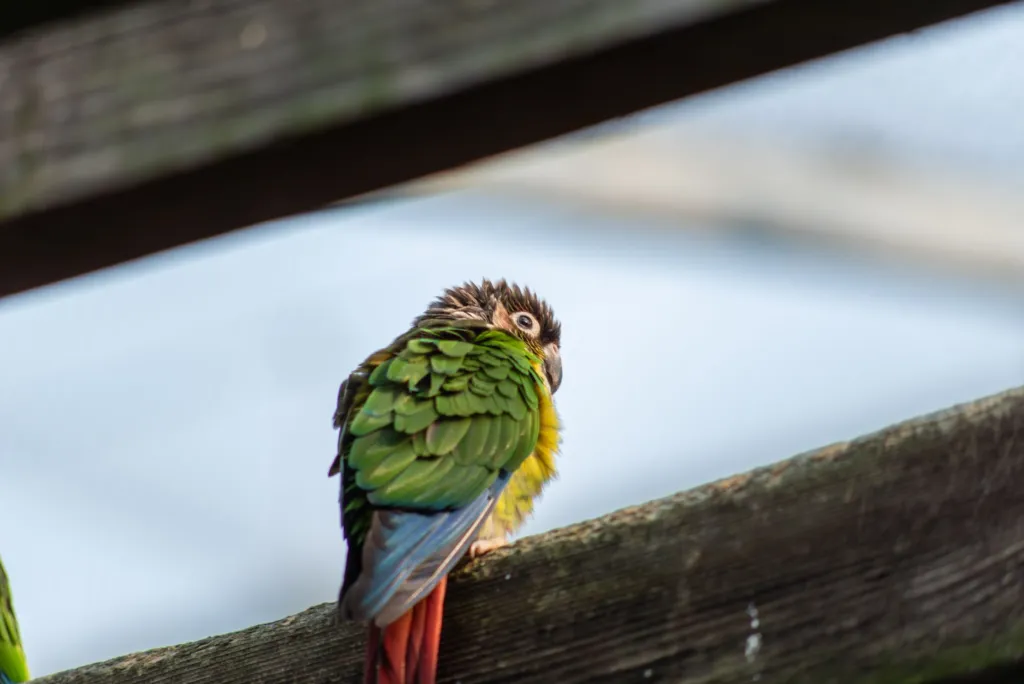
Customizing Perches for Different Bird Species
Understanding Species-Specific Needs
Different bird species have unique requirements when it comes to their perching preferences. For instance, small birds like canaries may prefer thinner perches that mimic natural branches, while larger birds such as macaws benefit from sturdier, thicker perches that provide adequate support. Understanding the specific needs of your bird species is essential for their comfort and health. This customization ensures that the perch not only fits their size but also caters to their natural behaviors, such as climbing and preening.
Creating a Varied Perch Environment
Birds thrive in environments that stimulate their senses and encourage exercise. By providing a variety of perches, you can create a more engaging habitat. Consider incorporating different heights, diameters, and textures. For instance, you might include:
- Natural wood perches with bark for grip.
- Sandblasted perches that help with nail maintenance.
- Rope perches that allow for climbing and swinging.
This variety not only keeps your bird entertained but also helps to prevent foot problems and promotes overall well-being.
Adjusting Perch Placement
The placement of perches within the bird’s cage is just as crucial as the perches themselves. Birds prefer perches that are positioned at different heights to mimic their natural environment. It is beneficial to have perches located both near the food and water sources and in quieter areas where they can retreat. Additionally, placing perches at various levels encourages flying and hopping, which are vital activities for their physical health. Always ensure that perches are securely placed to prevent accidents.
Enhancing Perches with Accessories
Adding Foot Toys and Enrichment
Enhancing bird perches with foot toys can stimulate your bird’s curiosity and encourage play. Foot toys are small items that birds can grasp and manipulate with their feet, providing both mental and physical stimulation. Consider introducing items such as:
- Small bells that make sounds when touched.
- Colorful blocks that can be chewed on.
- Hanging toys that sway with movement.
Integrating these accessories will keep your bird engaged and promote healthy foot exercise, reducing the risk of foot-related ailments.
Incorporating Natural Elements
Integrating natural elements into your bird’s environment can enhance their perching experience. For example, consider using branches from safe, non-toxic trees like willow or birch. These natural perches provide texture and variety that synthetic materials cannot replicate. Additionally, adding leaves or small branches can mimic a natural habitat, encouraging foraging behaviors and providing mental stimulation.
Utilizing Perch Covers
Perch covers are another innovative way to enhance your bird’s perching experience. These covers can be made from various materials, such as fabric or textured grip tape, and are designed to fit over existing perches. They provide a softer surface for your bird’s feet, which can be beneficial for older birds or those with existing foot problems. When using perch covers, ensure they are easily removable for cleaning and do not pose a choking hazard.
Understanding Foot Health in Birds
Common Foot Problems in Birds
Birds can experience a range of foot health issues, often related to their perching habits. Common problems include bumblefoot, which is an infection that can occur due to pressure sores, and pododermatitis, which is inflammation of the foot pads. These conditions can be exacerbated by inappropriate perch types and placements. Regularly inspecting your bird’s feet for signs of swelling, redness, or lesions can help catch issues early.
Signs of Discomfort or Pain
Birds are known to hide their pain well, making it crucial for owners to observe any changes in behavior. Signs that your bird may be experiencing foot discomfort include:
- Limping or favoring one foot.
- Excessive preening of the feet.
- Refusal to perch or play.
If you notice any of these signs, it is important to consult with a veterinarian to determine the underlying cause and appropriate treatment.
Preventive Measures for Healthy Feet
Preventing foot problems in birds can often be achieved through the proper selection and maintenance of perches. Ensure that the perches have varied textures and diameters to promote healthy foot muscles and avoid pressure sores. Additionally, regular foot care, including trimming nails and monitoring foot health, can help prevent issues from developing. Providing a balanced diet rich in vitamins and minerals also contributes to overall foot health, as strong bones and soft tissues are crucial for foot function.
Natural Perches vs. Commercial Options
Benefits of Natural Perches
Natural perches, made from tree branches, offer numerous advantages for birds. These perches often vary in diameter and texture, allowing birds to exercise their feet in a natural way. The irregular surfaces provide stimulation and help prevent foot problems, such as bumblefoot. Additionally, natural perches can be infused with the scents of the trees they come from, creating a more enriching environment.
- Encourages natural behaviors
- Varied textures promote foot health
- Environmentally friendly
Commercial Perches: Pros and Cons
While natural perches have their benefits, commercial perches made of synthetic materials also serve a purpose. They are often designed with specific shapes and textures to cater to the needs of particular bird species. However, some may lack the natural feel and can lead to foot health issues if not chosen wisely. It’s essential to evaluate the materials used and ensure they are non-toxic and safe for your bird.
- Pros: Consistent shape and size
- Cons: Limited texture variety
- Pros: Often easy to clean and maintain
Innovative Perch Designs for Enrichment
Activity Perches
Activity perches are designed to engage birds physically and mentally. These perches often incorporate elements such as swings, ladders, or even toys that encourage climbing and exploration. This type of enrichment is crucial for preventing boredom and promoting overall well-being in pet birds. Birds that engage in activities are less likely to develop behavioral issues related to stress or inactivity.
- Encourages exercise
- Stimulates mental engagement
- Reduces stress-related behaviors
Adjustable Perches
Adjustable perches allow you to customize the height and angle to suit your bird’s preferences and needs. This flexibility can be particularly beneficial for birds with mobility issues or for those that are still learning to navigate their environment. Customizability also means that as your bird grows or changes, you can adapt the perch to fit their requirements, thus prolonging its usefulness.
- Customizable heights
- Adaptable for different birds
- Encourages exploration
DIY Perches: Crafting Safe and Fun Options
Choosing Safe Materials
When creating DIY perches, selecting safe and non-toxic materials is vital. Avoid any woods that are treated with chemicals, as these can be harmful to birds. Safe options include untreated pine, apple, or willow. Always ensure that the materials are free from mold, pesticides, and other toxins to maintain your bird’s health.
- Untreated pine
- Apple wood
- Willow branches
Construction Tips for DIY Perches
Building a perch can be an enjoyable project. Start by measuring your bird’s cage to determine the appropriate length and diameter for the perch. Use a sturdy branch or wood dowel, and sand down any rough spots to prevent injury. You can also create fun shapes or add attachments like toys to make the perch more engaging and stimulating for your bird.
- Measure your cage
- Choose sturdy materials
- Sand down rough edges
Frequently Asked Questions
What types of perches are safe for birds?
Safe perches for birds include those made from natural wood, natural branches, and cement. Ensure that all materials are untreated and free from chemicals.
How often should I replace my bird’s perches?
Inspect perches weekly for signs of damage. Replace perches that are splintered or excessively chewed to ensure your bird’s safety.
Can I use only cement perches?
While cement perches are beneficial for maintaining nail length, they should not be the only perches used. Mixing different types of perches will provide comfort and prevent foot fatigue.
How can I tell if my bird has foot problems?
Watch for signs of discomfort such as limping, swelling, or changes in perching behavior. If you notice any issues, consult a veterinarian for advice.
The Bottom Line
Choosing the best bird perches is essential for ensuring your bird’s foot health and overall happiness. By selecting the right materials, sizes, and shapes, and maintaining cleanliness, you can provide a safe and stimulating environment for your feathered friend. Remember to consult with your veterinarian for personalized recommendations tailored to your bird’s specific needs.
Was this article helpful?

Writer at Mad4Pets. Lifelong animal lover who turns research and vet guidance into practical tips for everyday pet parents.