Pet Bird Species Compared: Personality, Noise and Lifespan
Compare popular pet bird species side by side, from budgies and cockatiels to parrots, with personality, noise level, lifespan and care needs.


Key takeaways
- Budgerigars are friendly and easy to care for.
- Cockatiels are known for their affectionate nature.
- Canaries are low-maintenance and great for singing.
- Conures are playful and social, ideal for active owners.
Birds make delightful companions and can bring joy and color to your home. For those looking to welcome a feathered friend into their lives, understanding which species are best suited for beginners is essential. Different bird species come with varying care requirements, temperaments, and social needs. This guide will explore popular pet bird species that are perfect for novice bird owners.
When choosing a pet bird, consider factors such as the bird’s size, personality, lifespan, and care needs. Some birds are more social and require more interaction, while others are more independent. This article will help you make an informed decision to ensure a happy and healthy relationship with your new pet.
Let’s dive into some of the most popular bird species for beginners, taking a closer look at their characteristics, care requirements, and why they might be the perfect fit for your home.
Budgerigars (Budgies)
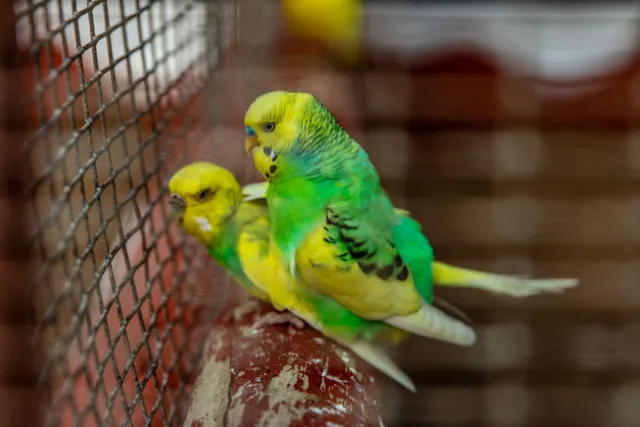
Budgerigars, commonly known as budgies or parakeets, are one of the most popular pet birds worldwide. Their friendly nature and vibrant colors make them an appealing choice for beginners. Budgies are small, typically measuring around 7 inches in length, and can live for 5 to 15 years with proper care.
These birds are social creatures and thrive on interaction. They can be kept alone, but having a companion budgie can help reduce loneliness and boredom. Budgies are also known for their ability to mimic sounds and words, making them entertaining pets.
Care Requirements
Budgerigars require a spacious cage and should be provided with toys to stimulate their minds. A diet consisting of high-quality pellets, fresh fruits, and vegetables is essential for their health. Regular baths or misting can help keep their feathers clean.
- Cage Size: Minimum 18x18x24 inches.
- Diet: Pellets, seeds, fruits, and vegetables.
- Social Needs: Daily interaction and playtime.
Budgies are relatively low-maintenance but require regular vet check-ups to ensure their health. With the right care, these charming birds can become loving companions.

Cockatiels
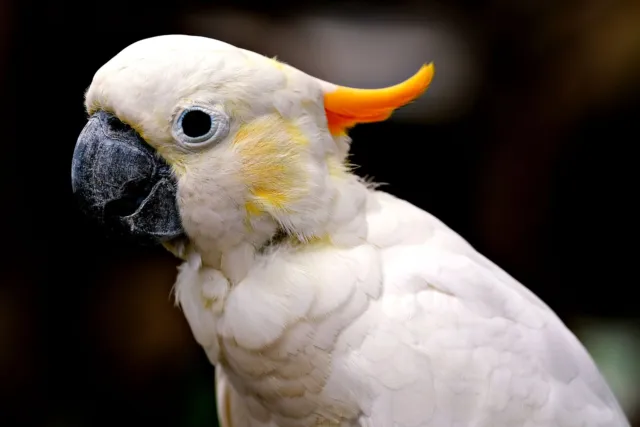
Cockatiels are another excellent choice for beginner bird owners. These medium-sized birds, measuring about 12 to 14 inches in length, are known for their affectionate nature and entertaining personalities. They typically live for 15 to 25 years, making them a long-term commitment.
Cockatiels are sociable and enjoy human interaction. They can be quite vocal, often whistling tunes or mimicking sounds. Their friendly demeanor makes them suitable for families and individuals alike.
Care Requirements
Providing a spacious cage is crucial for cockatiels, as they need room to move and play. A varied diet that includes pellets, seeds, and fresh produce is vital for their well-being. Regular social interaction is necessary to keep them happy.
- Cage Size: Minimum 24x24x36 inches.
- Diet: Pellets, seeds, fruits, and vegetables.
- Social Needs: Daily interaction and mental stimulation.
Regular vet visits are also important for cockatiels to monitor their health. They are known to form strong bonds with their owners, making them delightful companions.
Canaries
Canaries are popular for their beautiful singing and bright colors. These small birds are generally easy to care for and can thrive in various environments, making them ideal for beginners. Canaries typically measure around 5 to 6 inches in length and have a lifespan of 10 to 15 years.
Unlike budgies and cockatiels, canaries are generally solitary and do not require social interaction with other birds. They are known for their melodious songs, which can vary greatly depending on the breed. Male canaries are typically the singers, while females are quieter.
Care Requirements
Canaries require a clean, spacious cage with plenty of perches. Their diet should primarily consist of high-quality seed mixes, supplemented with fruits and vegetables. Fresh water should always be available.
- Cage Size: Minimum 20x20x30 inches.
- Diet: High-quality seed mix, fruits, and vegetables.
- Social Needs: Minimal; can be kept alone.
Providing enrichment through toys and changing their environment regularly can help keep canaries stimulated. They require minimal handling compared to other species, making them suitable for those who prefer a less interactive pet.
Conures
Conures are known for their playful and social nature. These medium-sized birds, ranging from 10 to 20 inches in length, can live for over 20 years with proper care. Their vibrant colors and charismatic personalities make them appealing to many bird enthusiasts.
Conures are highly social and thrive on interaction with their owners. They enjoy playtime and can be quite vocal, often making a range of sounds. Their playful behavior can be entertaining and they often enjoy toys that challenge them mentally.
Care Requirements
Conures require a spacious cage filled with toys to keep them busy. A balanced diet of pellets, seeds, fruits, and vegetables is essential for their health. Regular social interaction is critical for their happiness.
- Cage Size: Minimum 24x24x36 inches.
- Diet: Pellets, seeds, fruits, and vegetables.
- Social Needs: High; daily interaction and mental stimulation.
Conures can be very affectionate and may even develop a bond with their owners. It is essential to provide them with ample attention and care, as they can become bored and destructive if left alone for extended periods.

Lovebirds
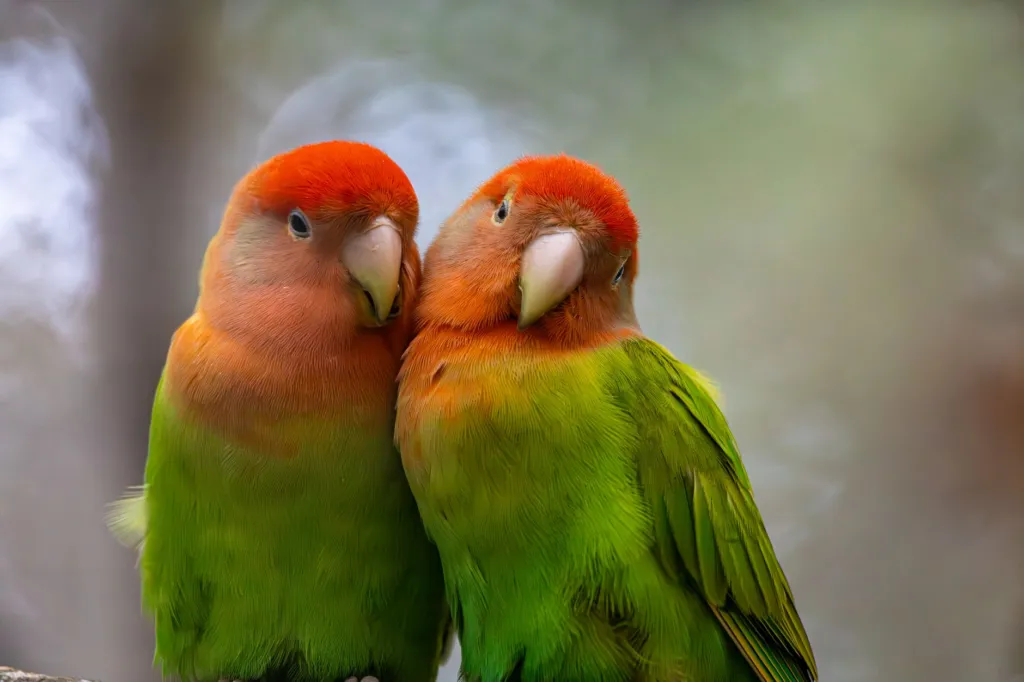
Lovebirds are small, affectionate birds that are often kept in pairs. They are known for their strong pair bonds and playful personalities. Typically measuring around 5 to 7 inches in length, lovebirds can live for 10 to 15 years when properly cared for.
These birds are social and thrive on interaction, both with their owners and with each other. They are playful and curious, often getting into everything in their environment. Lovebirds can be quite vocal, and their chatter can fill your home with joy.
Care Requirements
Providing a spacious cage is essential, especially if you are keeping a pair of lovebirds. Their diet should consist of high-quality pellets, seeds, and fresh fruits and vegetables. Regular interaction and mental stimulation are important for their happiness.
- Cage Size: Minimum 24x24x30 inches for a pair.
- Diet: Pellets, seeds, fruits, and vegetables.
- Social Needs: High; recommended to keep in pairs.
Lovebirds are known to bond closely with their owners, making them affectionate companions. However, they can become territorial, especially if they feel their space is threatened.
Finches
Finches are small, colorful birds that are relatively easy to care for, making them excellent for beginners. They typically measure around 4 to 5 inches in length and can live for 5 to 10 years. Finches are social birds that thrive in groups, so it is recommended to keep them in pairs or small flocks.
These birds are known for their delightful songs and cheerful disposition. Finches are active and enjoy flying, which is why a spacious cage is essential. They are generally less demanding than other species and require minimal handling.
Care Requirements
Finches need a large, well-ventilated cage with plenty of branches and perches for climbing. Their diet should consist of high-quality seed mixes, along with fresh fruits and vegetables. Fresh water should always be available.
- Cage Size: Minimum 30x18x18 inches for a pair.
- Diet: High-quality seed mix, fruits, and vegetables.
- Social Needs: High; best kept in pairs or groups.
Regular vet check-ups are recommended to ensure their health. Finches can be delightful to watch as they interact with each other and their environment.
Quaker Parrots
Quaker parrots, also known as monk parakeets, are small, intelligent birds that are known for their playful personalities. Measuring about 10 to 12 inches in length, these birds can live for 15 to 20 years with proper care. Quakers are social and thrive on interaction.
These birds are known for their strong vocal abilities and can learn to mimic sounds and words. Their playful and curious nature makes them entertaining companions. They are also known to form strong bonds with their owners.
Care Requirements
Quaker parrots require a spacious cage and plenty of toys to keep them engaged. A balanced diet of pellets, seeds, fruits, and vegetables is crucial for their health. Regular interaction and mental stimulation are necessary to keep them happy.
- Cage Size: Minimum 24x24x36 inches.
- Diet: Pellets, seeds, fruits, and vegetables.
- Social Needs: High; daily interaction is essential.
Quaker parrots can be quite affectionate and may exhibit playful behavior. They require a lot of attention, so potential owners should be prepared for their social needs.
Considerations for Housing Pet Birds
Choosing the Right Cage
When selecting a cage for your pet bird, size and material are crucial. A spacious cage allows for movement and exercise, which are vital for your bird’s physical health. Ideally, the cage should be at least two times the wingspan of your bird when it is fully extended, allowing room for flapping and climbing.
Materials also matter. Opt for sturdy, non-toxic metals like stainless steel or powder-coated iron to ensure safety. Avoid cages with lead or zinc, as these can be harmful to your bird. Additionally, the bar spacing should be appropriate for your bird’s size to prevent escape or injury.
- Size: Minimum two times wingspan
- Material: Non-toxic metals
- Bar spacing: Safe for the species
Environmental Enrichment
Birds are intelligent creatures that require mental stimulation. Environmental enrichment can help prevent boredom and associated behavioral issues. Consider adding perches of varying thickness, textures, and heights to encourage climbing and exploration.
Interactive toys that challenge your bird’s problem-solving skills are essential. Toys that can be shredded, foraged, or manipulated will keep your bird entertained. Rotate toys regularly to maintain interest and provide new challenges.
- Perches: Vary thickness and texture
- Toys: Interactive and engaging
- Rotation: Change frequently to maintain excitement
Health Care Essentials for Pet Birds
Regular Veterinary Check-ups
Birds, like all pets, require regular veterinary check-ups. Annual wellness exams can help catch potential health issues early. During these visits, a veterinarian can conduct a physical examination and perform necessary tests to check for common avian diseases.
It’s also essential to discuss nutrition with your veterinarian, as dietary needs can vary widely among species. Your vet can recommend the right pellets, seeds, and fresh foods to keep your bird healthy.
- Annual exams: Vital for early disease detection
- Nutrition consultation: Tailored dietary advice
- Vaccinations: Discuss availability with your vet
Signs of Illness
Understanding the signs of illness in birds is critical for timely intervention. Birds are skilled at hiding discomfort, so subtle changes in behavior can indicate health problems. Watch for changes in appetite, activity level, and droppings, as these can be early warning signs.
If your bird is fluffed up, lethargic, or has difficulty breathing, seek veterinary care immediately. Regularly handling your bird allows you to spot changes in their condition that may require attention.
- Changes in appetite: Eating less or more
- Behavior: Increased aggression or withdrawal
- Droppings: Changes in color, consistency, or frequency
Socialization and Training for Pet Birds
Building Trust with Your Bird
Establishing a trusting relationship with your bird is essential for a harmonious pet-owner dynamic. Spend time near the cage, talking softly and offering treats to help your bird associate your presence with positive experiences. Once your bird is comfortable, you can begin to handle them gently.
Patience is key; allow your bird to approach you at their own pace. Using a calm and gentle voice can help ease any fear and encourage your bird to interact with you. The goal is to create a safe environment where your bird feels secure.
- Time: Spend daily time near the cage
- Treats: Use positive reinforcement
- Patience: Let your bird set the pace
Basic Training Techniques
Training your bird can enhance your bond and provide mental stimulation. Start with simple commands like ‘step up’ to encourage your bird to perch on your finger. Using a clicker can also be effective in reinforcing positive behaviors.
Consistency is important; use the same commands and cues during training sessions. Keep sessions short and engaging to maintain your bird’s attention. Incorporate tricks or fun tasks to keep your bird interested and excited about learning.
- Commands: Start with basic ones like ‘step up’
- Clicker training: Reinforces positive behavior
- Short sessions: Maintain focus and interest
Frequently Asked Questions
What is the best bird for a beginner?
Budgerigars and cockatiels are often recommended as the best birds for beginners due to their friendly nature and relatively low care requirements.
How much space do pet birds need?
The cage size varies by species, but generally, larger cages are better. A minimum of 18x18x24 inches is recommended for small birds like budgies, while larger birds like cockatiels require even more space.
Can I keep multiple birds together?
Many bird species, such as finches and lovebirds, thrive in pairs or small groups. However, some species may require more space or may be territorial, so it’s essential to research specific requirements.
How can I tell if my bird is healthy?
Healthy birds are alert, active, and have bright, clear eyes. They should have smooth feathers and exhibit normal eating and drinking habits. Regular vet check-ups are essential to monitor their health.
The Bottom Line
Choosing a pet bird can be a rewarding experience for beginners. With so many species to consider, it’s essential to find a bird that fits your lifestyle and care capabilities. Budgerigars, cockatiels, canaries, and conures are excellent choices for novice bird owners, each offering unique traits and care requirements. By understanding their needs and providing a loving environment, you can enjoy many happy years with your feathered friend.
Regular vet check-ups are crucial for maintaining your pet bird’s health and well-being.[/m4p_tip>
Was this article helpful?

Writer at Mad4Pets. Lifelong animal lover who turns research and vet guidance into practical tips for everyday pet parents.