Creating a Bird Play Area: Tips for Happy, Healthy Birds
Learn how to create an engaging bird play area that promotes physical activity and mental stimulation for your feathered friends.


Key takeaways
- A bird play area enhances your pet's quality of life.
- Choose safe materials and stimulating toys for playtime.
- Regularly clean and maintain the play area for health.
Creating a bird play area is essential for the mental and physical well-being of your feathered friends. Birds are naturally active creatures, requiring space to explore, play, and socialize. A well-designed play area not only provides entertainment but also encourages exercise, which is vital for a bird’s overall health.
In this guide, you will discover how to set up an engaging bird play area that is both safe and stimulating. We will cover the materials needed, the types of toys that promote physical activity, and tips for maintaining a clean environment. Whether you have a parakeet, cockatiel, or a larger parrot, the principles remain the same, and your birds will thank you for it.
By investing in a play area, you are not only enhancing your pet’s quality of life but also fostering a strong bond between you and your bird. Let’s dive into the details of how to create an ideal play area for your avian companions.
Choosing the Right Location
The first step in creating a bird play area is selecting the right location in your home. Consider areas with ample natural light, as this helps to boost your bird’s mood and energy levels. Ensure that the spot is away from drafts, direct sunlight, and heat sources, which can create uncomfortable conditions for your birds.
Accessibility is another important factor. The play area should be easily reachable for both you and your bird. This encourages regular interaction and playtime. If you have multiple birds, ensure that the area is spacious enough to accommodate them comfortably without overcrowding.
Lastly, consider the proximity to family activities. Birds are social animals and enjoy being part of the household. A location where they can observe daily happenings can help keep them mentally stimulated and engaged.
Factors to Consider
- Lighting: Preferably natural light, but avoid direct sunlight.
- Temperature: Maintain a comfortable and stable climate away from drafts.
- Space: Ensure sufficient room for your birds to move around freely.
- Social Interaction: Position near family activities to encourage engagement.
Materials for a Safe Play Area
Building a safe play area starts with choosing the right materials. Birds are curious and tend to chew on various surfaces, so it’s essential to use non-toxic, bird-safe materials. Avoid anything that could splinter or break easily, as this can pose a choking hazard.
Consider using natural wood, which is a great choice for constructing platforms and perches. It’s essential to ensure the wood is untreated and free from harmful chemicals. Additionally, you can incorporate safe plastic or stainless steel items for durability and ease of cleaning.
Make sure to avoid materials like untreated fabrics, which can harbor bacteria or mold, and any painted items that may contain toxins. Opt for bird-safe finishes if you’re using treated materials.
Recommended Materials
| Material | Safety | Comments |
|---|---|---|
| Natural untreated wood | Safe | Great for perches and platforms. |
| Stainless steel | Safe | Durable and easy to clean. |
| Plastic (bird-safe) | Safe | Good for toys and accessories. |
| Painted wood | Unsafe | May contain toxins; avoid. |
| Untreated fabrics | Unsafe | Can harbor mold and bacteria. |
Choosing Toys for Your Birds
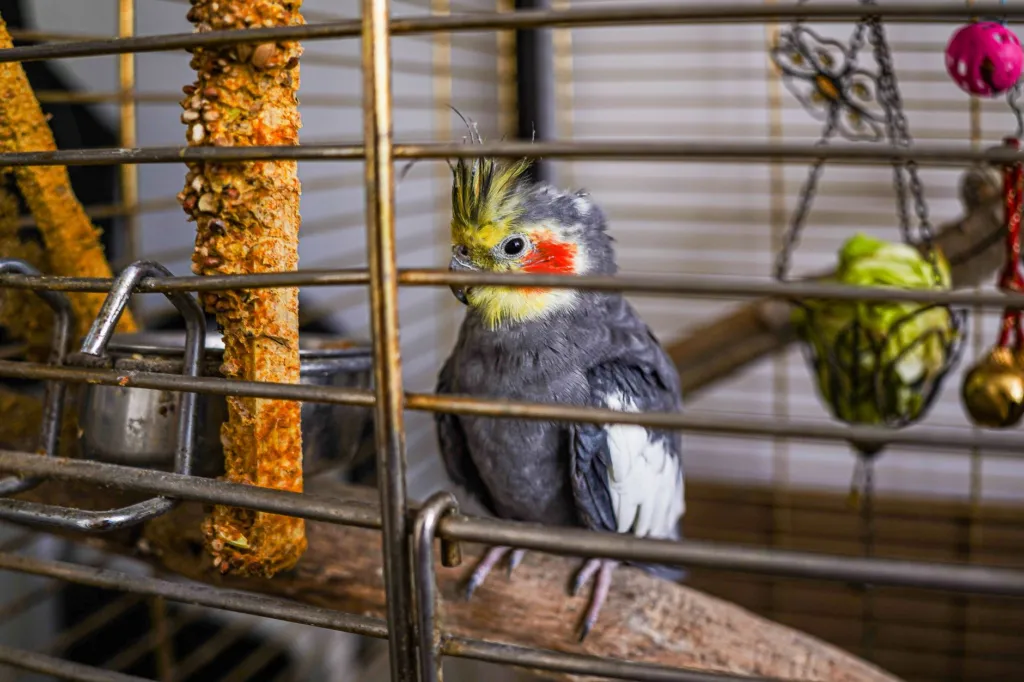
Birds thrive on interaction and mental challenges, making toys an integral part of their play area. When selecting toys, consider your bird’s size, personality, and preferences. Some birds prefer chewing and shredding, while others enjoy climbing or swinging.
Rotating toys regularly can keep your bird engaged and prevent boredom. Ensure that the toys are designed specifically for birds and are made from non-toxic materials. Always supervise your birds during playtime to ensure they do not chew off and ingest small parts.
Include a variety of toys that provide different types of stimulation, such as foraging toys, hanging toys, and climbing structures. This variety will cater to your bird’s natural instincts and encourage active play.
Types of Toys to Include
- Chewing Toys: Made of safe wood or paper for shredding.
- Foraging Toys: Encourage birds to search for treats and engage their minds.
- Climbing Toys: Ropes, ladders, and branches for physical activity.
- Interactive Toys: Toys that move or make noise to stimulate curiosity.
Setting Up the Play Area
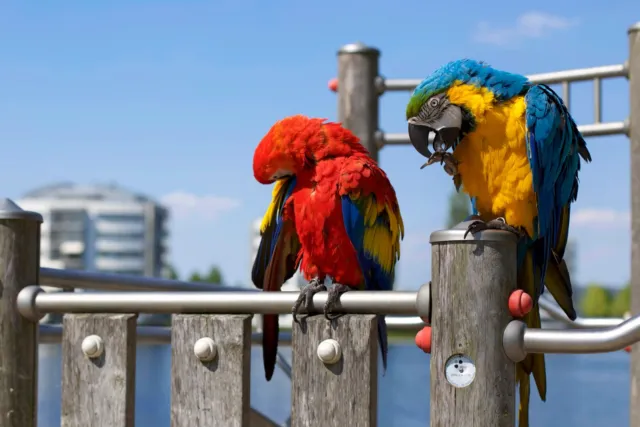
Now that you have chosen the location, materials, and toys, it’s time to set up the play area. Start by arranging the space to make it visually appealing and functional. Consider using multiple levels with perches and platforms, which can mimic a bird’s natural habitat.
Ensure that the play area is stable and secure. Use sturdy bases to prevent tipping and make sure everything is anchored properly. Additionally, you can use mats or floor coverings to make cleaning easier and provide a soft landing for your birds.
Incorporate elements that mimic nature, such as branches and leaves, to create a stimulating environment. You can also add mirrors to provide visual stimulation, but make sure they are securely placed to avoid accidents.
Steps to Create the Play Area
- Choose a safe and suitable location.
- Gather non-toxic materials and bird-safe toys.
- Arrange levels with perches and platforms.
- Incorporate natural elements for a stimulating environment.
- Ensure everything is stable and secure.
Maintaining the Play Area
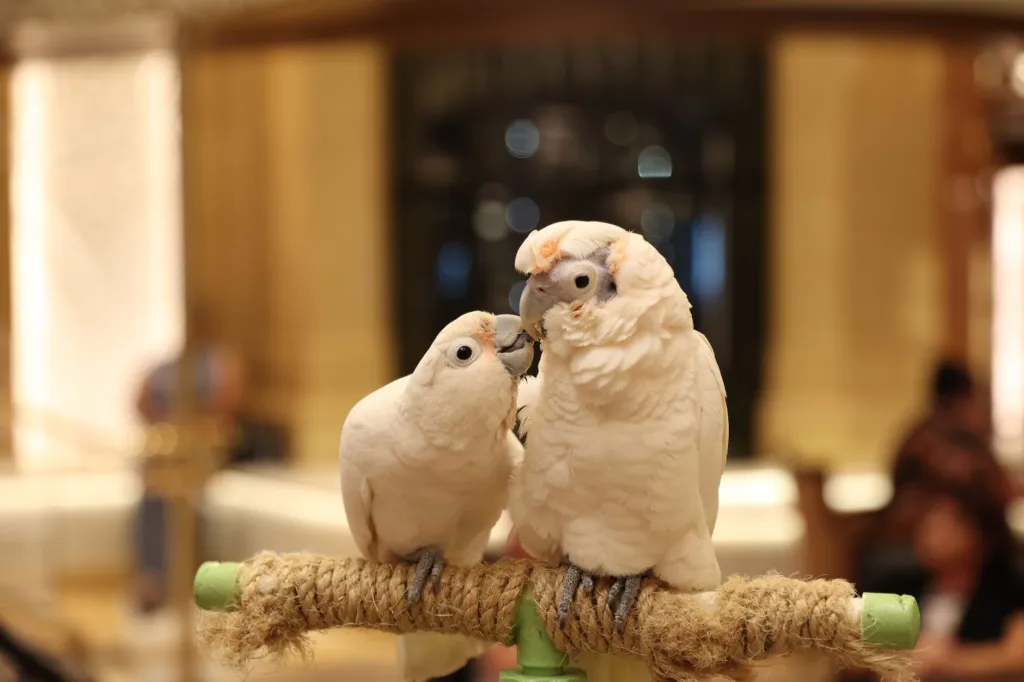
Regular maintenance of the bird play area is crucial for your pet’s health and happiness. Birds can be messy, and their play area should be cleaned frequently to prevent the buildup of waste and bacteria. This not only keeps the area hygienic but also promotes a healthy living environment.
Start by removing any uneaten food, soiled materials, and droppings daily. Clean the surfaces with safe, bird-friendly disinfectants or warm soapy water. Avoid using harsh chemicals that can harm your birds.
Check toys and perches regularly for wear and tear. Replace any items that are damaged or have small parts that could pose a choking hazard. Keeping the play area fresh and safe will ensure your birds enjoy their time out of the cage.
Maintenance Checklist
- Clean daily: Remove droppings and uneaten food.
- Disinfect surfaces weekly: Use safe cleaning agents.
- Inspect toys and perches: Replace damaged items.
- Rotate toys: Keep the environment stimulating.
Understanding Your Bird’s Behavioral Needs
Social Interaction
Birds are highly social creatures and thrive on interaction, both with their human companions and with other birds. Providing opportunities for social engagement is crucial for their mental well-being. Consider spending at least an hour each day interacting with your birds, engaging them in play, and encouraging them to explore their surroundings. You can also set up play dates with other pet birds to fulfill their social needs.
Here are some ways to enhance social interaction:
- Talk to your birds regularly to build a bond.
- Encourage your birds to mimic sounds or words, which can stimulate their minds.
- Use treat rewards to promote positive interactions.
Environmental Enrichment
Creating an environment that mimics their natural habitat can significantly enhance your bird’s quality of life. This includes providing a variety of textures, colors, and activities that stimulate their senses. Incorporating elements such as branches, leaves, and natural perches encourages natural behaviors like climbing and foraging.
Consider the following enrichment ideas:
- Introduce safe, non-toxic plants to their play area.
- Rotate toys and perches regularly to maintain novelty.
- Use foraging toys that require your bird to work for their food.
Safe Exploration
Allowing your birds to explore their play area freely is essential for physical and mental stimulation. However, it’s important to ensure that the environment is safe for exploration. Birds are naturally curious and may encounter hazards if not closely monitored. Ensure that all items in the play area are non-toxic, and remove any small objects that could be swallowed.
To promote safe exploration, consider these tips:
- Supervise your birds while they are out of their cage.
- Remove any hazardous plants or chemicals from the area.
- Provide a variety of climbing structures to encourage movement and exploration.
Crafting a Seasonal Play Area
Spring and Summer Activities
During the warmer months, the play area can be expanded to include outdoor elements that allow birds to experience fresh air and sunshine. Outdoor play can significantly boost their mood and overall health. Ensure that outdoor play sessions are supervised and that your birds are protected from predators and extreme temperatures.
Here are some activities to consider for spring and summer:
- Set up a shaded outdoor play area with perches and toys.
- Incorporate a shallow water dish for bathing and cooling.
- Use natural branches for climbing and exploration.
Fall and Winter Adaptations
As the temperatures drop, adjustments to the play area are necessary to keep your birds comfortable and engaged. Indoor play areas should focus on warmth and entertainment during the colder months. Bring in elements that stimulate indoor activity and provide warmth without overheating.
Consider implementing the following strategies:
- Use heat sources like ceramic heaters or heat lamps, ensuring they are safe for pets.
- Incorporate more toys that encourage movement, such as swings and ladders.
- Provide cozy hideaways or nesting boxes for extra warmth and security.
Seasonal Sensory Experiences
Providing seasonal sensory experiences can enhance your bird’s play area. Seasonal changes can introduce new sights, sounds, and even smells that pique your bird’s interest and stimulate their natural curiosity. Use natural materials that align with the seasons to maintain a fresh and engaging environment.
For seasonal sensory experiences, consider:
- Adding seasonal decorations that are safe for birds, such as pine cones in winter.
- Bringing in fresh branches and leaves from safe trees during spring and summer.
- Using bird-safe herbs and spices to introduce different scents and tastes.
Integrating Technology in Bird Care
Utilizing Bird Cameras
Modern technology can enhance the monitoring of your bird’s play area, allowing you to observe their behavior even when you are not present. Bird cameras can provide insights into your bird’s interactions and play habits, helping you identify what activities they enjoy the most. This information can be invaluable in tailoring their play area to meet their specific needs.
When selecting a bird camera, look for features such as:
- High-definition video quality for clear monitoring.
- Two-way audio to communicate with your birds.
- Mobile app connectivity for remote access.
Interactive Play Systems
Interactive play systems can also provide a dynamic experience for your birds. These systems may include automated toys that respond to your bird’s movements or electronic foraging devices that dispense treats when your bird engages with them. Such technology can help keep birds mentally stimulated and encourage exercise.
Consider these features when looking for interactive systems:
- Adjustable difficulty levels to cater to your bird’s skill set.
- Durable materials that withstand beak and claw activity.
- Easy-to-clean designs for maintenance.
Online Communities and Resources
Joining online communities of bird enthusiasts can provide additional support and inspiration for enhancing your bird’s play area. These forums often share tips, experiences, and creative ideas for play spaces tailored to various species of birds. Learning from others can help you build a more enriching environment for your feathered friends.
To make the most of online resources, consider:
- Participating in discussions about play area setups.
- Sharing your own experiences and photos for feedback.
- Following avian veterinarians and experts for professional advice.
Frequently Asked Questions
How often should I clean the bird play area?
It’s best to clean the bird play area daily to remove droppings and uneaten food. A more thorough cleaning should be done weekly to disinfect surfaces and inspect toys.
What types of toys do birds prefer?
Birds have different preferences, but most enjoy chewing toys, foraging toys, and climbing structures. It’s beneficial to offer a variety to keep them engaged.
Can I use regular household items in the play area?
Only use household items that are confirmed to be safe for birds. Avoid anything painted, treated, or that could splinter. Always prioritize bird-safe materials.
How do I know if my bird is enjoying the play area?
Signs of enjoyment include active play, vocalizations, and interaction with toys. A happy bird will be curious and engaged, exploring its surroundings.
The Bottom Line
Setting up a bird play area is a rewarding investment in your pet’s health and happiness. By choosing the right location, materials, and toys, you can create a stimulating environment that encourages exercise and exploration. Regular maintenance ensures a safe and clean space for your birds to thrive. With a little effort, your feathered friends will enjoy their playtime to the fullest.
Was this article helpful?

Writer at Mad4Pets. Lifelong animal lover who turns research and vet guidance into practical tips for everyday pet parents.