Best Fish for a Beginner Saltwater Aquarium
Discover the best fish for a beginner saltwater aquarium, ensuring a vibrant and healthy underwater environment for your new hobby.

Key takeaways
- Start with hardy fish that are easy to care for.
- Research compatibility to avoid aggressive tank mates.
- Regular maintenance and water quality checks are crucial.
- Consider the tank size and its inhabitants wisely.
Starting a saltwater aquarium can be an exhilarating experience. The vibrant colors and diverse species of marine life are captivating, making it a rewarding hobby. However, the initial setup and care can be daunting for beginners. Choosing the right fish is crucial for creating a thriving underwater ecosystem.
This guide aims to help you select the best fish for a beginner saltwater aquarium. We will cover essential factors to consider, compatible species, and tips on maintaining a healthy environment for your aquatic pets. With the right knowledge, you can enjoy a beautiful and successful saltwater aquarium.
As you embark on this journey, it is important to remember that each species has unique needs and behaviors. Understanding these can make all the difference in your success. Let’s dive into the world of beginner saltwater aquarium fish.
Understanding Saltwater Aquariums
Saltwater aquariums are different from freshwater setups in various ways. The primary difference lies in the salinity levels and the types of fish and invertebrates that thrive in these environments. Saltwater fish typically require specific water conditions, including salinity, temperature, and pH levels. These parameters are critical for maintaining their health.
Before adding fish to your aquarium, it’s vital to establish a stable environment. This means cycling your tank to build beneficial bacteria that help break down waste. A well-cycled aquarium will reduce the risk of ammonia spikes, which can be harmful to fish.
Moreover, saltwater fish can be more sensitive to water quality than freshwater species. Regular monitoring of water parameters is essential to keep your fish happy and healthy. Investing in a good quality test kit will help you track these levels effectively.
Choosing Hardy Fish for Beginners
When selecting fish for your first saltwater aquarium, opting for hardy species is advisable. Hardy fish are more resilient to fluctuations in water parameters and can adapt better to new environments. Here are some beginner-friendly fish to consider:
- Clownfish: Known for their bright colors and friendly nature, clownfish are often the first choice for beginners. They are easy to care for and typically do well in community tanks.
- Damselfish: These fish are robust and can tolerate a range of water conditions. However, they can be territorial, so it’s best to keep them in larger tanks or with non-aggressive species.
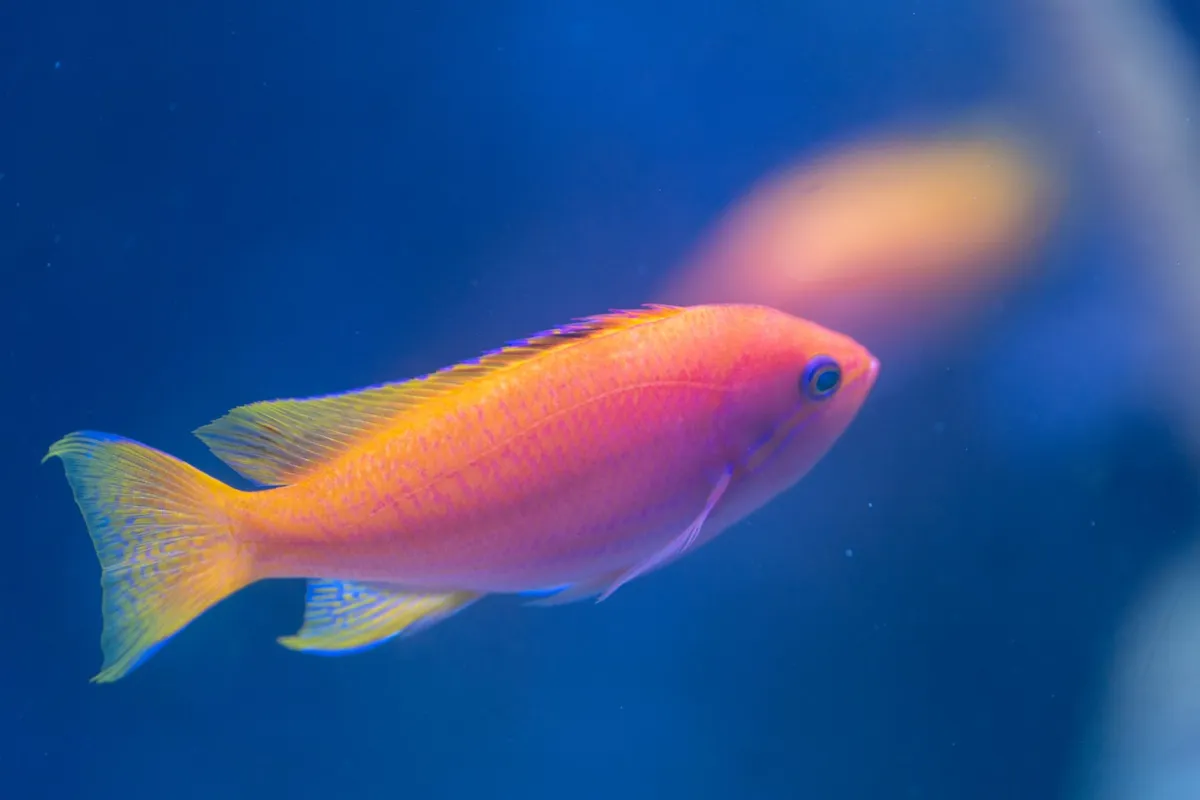
- Royal Gramma: This small, colorful fish is peaceful and adds a splash of color to your aquarium. They are also relatively easy to care for, making them suitable for beginners.
These species not only thrive in a beginner’s aquarium but also provide a vibrant display. As you gain experience, you can explore more delicate species.
Compatibility and Social Behavior
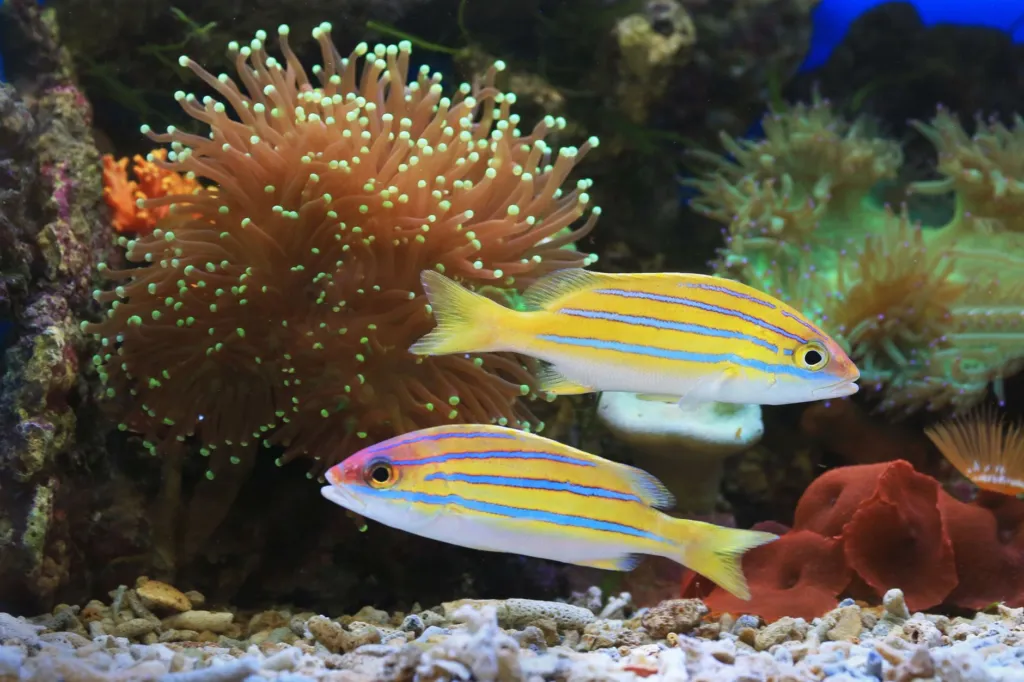
When setting up your aquarium, compatibility between species is vital. Some fish are more aggressive and territorial, which can lead to stress or even fatalities among tank mates. It’s essential to research the behavior of each species before introducing them into your aquarium.
For example, while clownfish are generally peaceful, damselfish can be quite aggressive. It’s best to house them with similarly sized, non-territorial species. Always consider the size of your tank; overcrowding can exacerbate territorial behaviors.
Here is a list of compatible fish species for a beginner saltwater aquarium:
- Clownfish
- Royal Gramma
- Cardinalfish
- Firefish
- Gobies
By choosing compatible species, you will foster a more harmonious environment, reducing stress for both you and your fish.
Essential Care Tips for Saltwater Fish
Proper care is crucial for the health and longevity of your saltwater fish. Here are some essential care tips:
- Regular Water Testing: Monitor water parameters such as pH, salinity, ammonia, nitrite, and nitrate levels regularly. This helps ensure a stable environment for your fish.
- Feeding: Feed your fish a balanced diet appropriate for their species. Overfeeding can lead to water quality issues, so feed small amounts that they can consume within a few minutes.
- Tank Maintenance: Perform regular water changes to keep the aquarium clean. Aim for 10-20% changes weekly, depending on the tank’s bioload.
By adhering to these care tips, you will create a thriving habitat for your fish and enjoy the beauty of your underwater world.
Setting Up Your Saltwater Aquarium
Setting up a saltwater aquarium requires careful planning and execution. Start by selecting an appropriate tank size. A larger tank is often easier to manage in terms of water quality than a smaller one. A 20-gallon tank is a good starting point for beginners.
Next, you will need to add essential equipment, including a filtration system, heater, and lighting. A high-quality filter is vital for maintaining water clarity and quality. A heater will help maintain a stable temperature, typically between 75°F and 80°F for most saltwater fish.
Once the equipment is set up, you can add substrate and decorations. Live rock is a popular choice as it provides both aesthetic appeal and beneficial bacteria for filtration. After setting up, cycle the tank before introducing fish to ensure a stable environment.
Common Mistakes to Avoid
As a beginner, it’s easy to make mistakes that can harm your fish or aquarium. Here are some common pitfalls to avoid:
- Adding Fish Too Soon: Always cycle your tank before adding fish. Introducing fish too early can lead to stress and illness.
- Overstocking: Avoid adding too many fish at once. Overstocking can lead to poor water quality and increased aggression.
- Neglecting Water Quality: Regularly test and maintain your water parameters. Neglecting this can lead to health issues for your fish.
By being aware of these common mistakes, you can better prepare for a successful aquarium experience.
Understanding the Nitrogen Cycle in Saltwater Aquariums
One of the most critical aspects of maintaining a healthy saltwater aquarium is understanding the nitrogen cycle. This natural process involves the conversion of toxic ammonia into less harmful substances through beneficial bacteria. For beginners, comprehending how this cycle works is essential for the successful establishment and maintenance of a saltwater aquarium.
The Steps of the Nitrogen Cycle
The nitrogen cycle comprises several key stages. Each stage plays a vital role in ensuring that your aquarium remains a healthy environment for your fish.
- Ammonia Production: Fish waste, uneaten food, and decaying plant matter produce ammonia, which is toxic to fish.
- Nitrosomonas Bacteria: These beneficial bacteria convert ammonia into nitrite, which is also harmful but less so than ammonia.
- Nitrobacter Bacteria: Another type of beneficial bacteria, Nitrobacter, converts nitrite into nitrate, which is less toxic and can be managed through water changes.
- Nitrate Removal: Nitrate can be removed through regular water changes, the use of live plants, or specialized filtration systems.
Establishing the Cycle
To establish the nitrogen cycle in your new saltwater aquarium, you can use either a fishless cycle or a fish-in cycle approach. The fishless cycle method is often recommended for beginners as it avoids exposing fish to harmful ammonia levels.
To initiate a fishless cycle, you can add a source of ammonia, such as pure ammonia solution, directly into your aquarium. Monitor the ammonia and nitrite levels using a reliable testing kit until they drop to zero, indicating that the cycle has fully established. This process can take anywhere from a few weeks to a couple of months.
Monitoring Water Parameters
Regularly monitoring your water parameters is crucial during the cycling process. Testing for ammonia, nitrite, and nitrate levels will help you keep track of the cycle’s progress. Aim for the following ranges:
- Ammonia: 0 ppm
- Nitrite: 0 ppm
- Nitrate: Below 20 ppm for optimal fish health
Once your aquarium is fully cycled and stable, you can begin to gradually introduce your first fish. Proper cycling will not only provide a safer environment for your fish but also contribute to the long-term stability of your saltwater aquarium.
Choosing the Right Equipment for Your Saltwater Aquarium
Investing in the right equipment is crucial for maintaining a healthy saltwater aquarium. Unlike freshwater tanks, saltwater setups often require specialized gear to ensure optimal conditions for marine life. Understanding the essential components can help beginners make informed decisions.
Filtration Systems
A quality filtration system is the backbone of any saltwater aquarium. It helps to maintain water clarity and quality by removing waste and toxins. There are multiple types of filtration systems available:
- Canister Filters: These are versatile and can handle large water volumes. They provide mechanical, chemical, and biological filtration.
- Hang-On Back (HOB) Filters: Easy to install and maintain, HOB filters are suitable for smaller aquariums.
- Protein Skimmers: Essential for saltwater tanks, protein skimmers remove organic waste before it breaks down into ammonia.
When selecting a filtration system, consider the size of your aquarium and the type of fish you plan to keep. A good rule of thumb is to aim for a filter rated for at least double the volume of your tank.
Lighting Options
Lighting is another essential component that affects both the aesthetics of your aquarium and the health of your fish and corals. Different types of lighting serve various purposes:
- LED Lighting: Energy-efficient and long-lasting, LEDs can be adjusted for brightness and color, making them suitable for reef tanks.
- Fluorescent Lighting: These lights provide a good spectrum for fish and are typically less expensive than LEDs but may need more frequent replacement.
- Metal Halide Lights: These are powerful and provide excellent light penetration, suitable for deep tanks with corals.
Choose lighting based on the specific needs of your tank inhabitants, especially if you plan to keep live corals, which require specific light spectrums for growth.
Heating and Temperature Control
Maintaining a stable temperature is vital for the well-being of saltwater fish. Most marine species thrive in temperatures between 75°F and 80°F. An aquarium heater is essential for keeping the water warm, especially in colder climates or during winter months.
When selecting a heater, consider the wattage required for your tank size. A general guideline is to use 5 watts per gallon of water. Additionally, adding a reliable thermometer will help you monitor the temperature effectively.
For added safety, consider investing in a heater with an automatic shut-off feature, preventing overheating.

Creating a Healthy Environment with Live Rock and Substrates
In a saltwater aquarium, creating a natural environment is essential for the health and happiness of your fish. Live rock and substrates play crucial roles in establishing a thriving ecosystem.
The Role of Live Rock
Live rock serves as both a decorative element and a biological filter in saltwater aquariums. It is home to beneficial bacteria that aid in the nitrogen cycle and provide a habitat for various marine organisms.
When selecting live rock, consider the following:
- Quality: Look for rock that is free from pests and algae. High-quality live rock can significantly enhance your tank’s biodiversity.
- Variety: Different shapes and sizes of live rock can create interesting landscapes and hiding spots for fish.
- Weight: Aim for 1 to 2 pounds of live rock per gallon of water for adequate filtration and habitat.
Introduce live rock gradually to avoid overwhelming your aquarium’s ecosystem.
Choosing the Right Substrate
The substrate you choose can impact water chemistry and the overall aesthetic of your aquarium. Common substrate options for saltwater aquariums include:
- Aragonite Sand: This sand is ideal for reef tanks, as it helps maintain stable pH levels and provides a natural look.
- Crushed Coral: This substrate offers good drainage but may trap waste and debris if not properly maintained.
- Live Sand: Similar to live rock, live sand contains beneficial bacteria that help kickstart the nitrogen cycle.
When choosing a substrate, consider the specific needs of your fish and any potential invertebrates you plan to keep. A depth of 1 to 2 inches is generally suitable for most aquariums.
Maintaining Aquascape
Creating an appealing aquascape not only enhances the visual appeal of your aquarium but also provides essential hiding spots and territories for your fish. Regularly rearranging rocks and plants can prevent algae buildup and promote a healthy environment.
When designing your aquascape, remember to:
- Ensure open swimming spaces for fish.
- Provide hiding spots to reduce stress among timid fish.
- Consider the growth potential of live plants and corals when planning your layout.
By incorporating various elements like live rock, sand, and plants, you create a dynamic ecosystem that supports the health and wellbeing of your aquarium inhabitants.
Frequently Asked Questions
What is the best size tank for beginners?
A 20-gallon tank is often recommended for beginners. It provides a stable environment and allows for a variety of fish species.
How often should I feed my saltwater fish?
Feed your fish small amounts once or twice a day, ensuring they consume the food within a few minutes to prevent overfeeding.
Can I keep coral with my beginner fish?
Some beginner fish can coexist with coral, but always research specific species’ compatibility and care requirements before introducing them.
What should I do if my fish gets sick?
If your fish shows signs of illness, consult with a veterinarian or an experienced aquarist for guidance on treatment options.
The Bottom Line
Creating a beginner saltwater aquarium can be a rewarding experience. By selecting hardy fish, understanding their compatibility, and maintaining a stable environment, you can enjoy the beauty of marine life in your home. Remember to invest time in learning about the needs of your fish and the specifics of saltwater care. With patience and dedication, your aquarium can thrive for years to come.
Was this article helpful?

Writer at Mad4Pets. Lifelong animal lover who turns research and vet guidance into practical tips for everyday pet parents.