Best Fish for a Small Aquarium: Top Picks for Beginners
Discover the best fish for a small aquarium that are beginner-friendly and easy to care for. Create a vibrant aquatic environment with our top picks.


Key takeaways
- Small aquariums can thrive with the right fish.
- Choose fish that are compatible and easy to care for.
- Consider the water parameters for your fish selection.
- Proper tank maintenance enhances fish health and tank aesthetics.
Setting up a small aquarium can be an enriching experience, bringing a slice of nature into your home. When it comes to choosing fish for such a setup, it is essential to select species that not only thrive in limited space but also complement each other. This guide will help you explore the best fish for a small aquarium, ensuring your aquatic environment is both beautiful and harmonious.
Small aquariums, typically ranging from 5 to 20 gallons, present unique challenges and opportunities. The limited space means that careful consideration must be given to the fish’s size, temperament, and compatibility with other species. By choosing the right fish, you can create a vibrant ecosystem that is both manageable and enjoyable to maintain.
In this article, we will delve into the characteristics of ideal fish for small aquariums, provide a list of top recommendations, and offer critical tips for their care and maintenance. Whether you are a novice or looking to refresh your current setup, this guide will serve as an invaluable resource.
Understanding Aquarium Size and Fish Selection
The size of your aquarium plays a vital role in determining which fish can thrive within it. A smaller tank naturally limits the number of fish you can keep, as overcrowding can lead to stress and health problems. Additionally, the water parameters in small aquariums can fluctuate more rapidly than in larger tanks, necessitating careful monitoring.
When selecting fish, consider their adult size, as some species may appear small initially but grow significantly over time. It is crucial to research the eventual size of fish before purchasing them to avoid potential overcrowding in the future.
Moreover, the temperament of the fish is essential. Choose species that are known to be peaceful and can coexist without aggressive behavior. Some fish are territorial and may not do well in confined spaces, so it is important to understand the social dynamics of the species you are considering.
Key Factors to Consider
- Tank Size: Ensure the fish will have enough space to swim and grow.
- Water Conditions: Research the specific requirements for temperature, pH, and hardness.
- Compatibility: Select species that can live together peacefully.
Top Fish for Small Aquariums
Here are some of the best fish suited for small aquariums, known for their hardiness and peaceful nature. Each entry includes a brief description of care requirements and compatibility.
1. Betta Fish
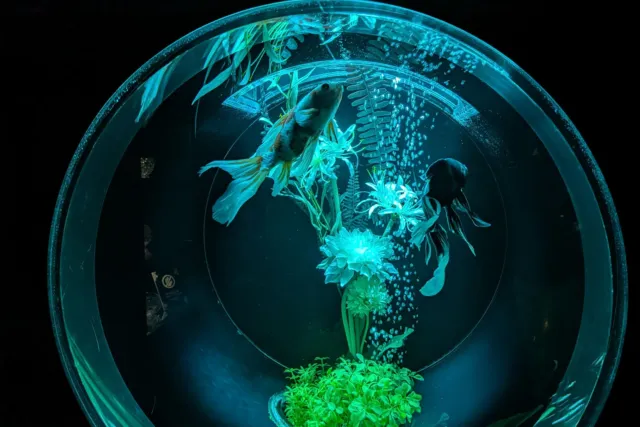
Betta fish, or Siamese fighting fish, are popular for their vibrant colors and flowing fins. They thrive in a minimum of 5 gallons of water and prefer a warm environment. While males can be aggressive towards each other, females tend to be more social.
Betta fish are known for their unique personalities and can even recognize their owners.
2. Neon Tetra
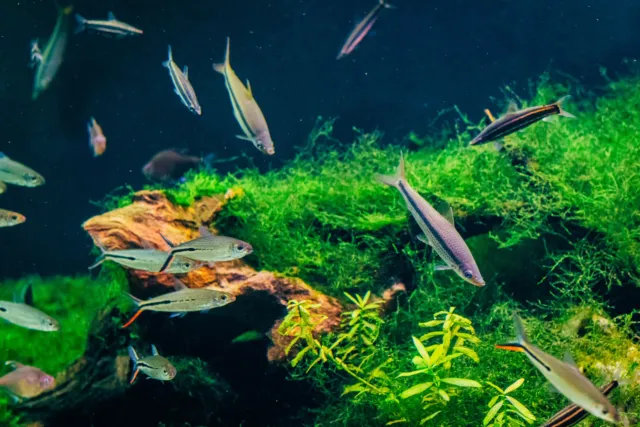
Neon tetras are small, colorful schooling fish that do well in groups of six or more. They prefer a well-planted aquarium and thrive in soft, slightly acidic water. Neon tetras are peaceful and can be kept with various other fish.
3. Guppy
Guppies are hardy fish that come in a range of colors and patterns. They are livebearers, meaning they give birth to live young, making them exciting to watch. Guppies prefer a tank with plenty of vegetation and can live comfortably in small groups.
4. Corydoras Catfish
Corydoras are small bottom-dwelling fish that help keep the aquarium clean by scavenging leftover food. They are social creatures and should be kept in groups of at least four. Corydoras thrive in schools, making them a delightful addition to a community tank.
5. Zebra Danio
Zebra danios are active and hardy fish that are great for beginners. They can adapt to a range of water conditions and prefer to be in groups. Their playful nature adds liveliness to the aquarium, making them entertaining to observe.
6. Cherry Shrimp
While not fish, cherry shrimp are colorful and beneficial additions to small aquariums. They help control algae and can coexist peacefully with most small fish. Cherry shrimp thrive in planted tanks and can reproduce quickly if conditions are right.
| Fish Species | Tank Size (Minimum) | Schooling Needs | Water Type |
|---|---|---|---|
| Betta Fish | 5 gallons | No | Soft, warm |
| Neon Tetra | 10 gallons | Yes (6+) | Slightly acidic |
| Guppy | 10 gallons | Yes (4+) | Varied |
| Corydoras Catfish | 10 gallons | Yes (4+) | Soft, warm |
| Zebra Danio | 10 gallons | Yes (5+) | Varied |
| Cherry Shrimp | 5 gallons | No | Soft, warm |
Maintaining a Healthy Environment
Proper maintenance is key to keeping your fish healthy and your aquarium looking its best. Regular water changes, monitoring water parameters, and ensuring a balanced ecosystem are essential steps.
Start by performing partial water changes of about 10-20% weekly. This helps maintain stable water conditions and removes waste products. Use a water conditioner to remove harmful chemicals from tap water before adding it to the tank.
Additionally, invest in a good water testing kit to monitor ammonia, nitrite, nitrate, pH, and hardness levels. Each species has specific requirements, and keeping these parameters in check will enhance the well-being of your fish.
Feeding Your Fish
A balanced diet is crucial for the health of your fish. Most small aquarium fish thrive on high-quality flakes or pellets designed for their specific dietary needs. It’s important to vary their diet with occasional treats such as frozen or live foods.
Overfeeding is a common mistake among beginners. Feed your fish small amounts, typically what they can consume within 2-3 minutes, once or twice a day. This helps maintain water quality and prevents excess waste buildup.
Observe your fish during feeding times to ensure they are eating well. If you notice any fish being bullied during feeding, consider adjusting the tank layout or adding more hiding spots to help reduce stress.

Creating a Suitable Habitat
A well-planted aquarium not only enhances the beauty of your tank but also provides a natural environment for your fish. Live plants can help oxygenate the water and offer hiding spots, which are essential for reducing stress.
Choose plants that are suitable for small aquariums, such as Java fern, Anubias, or Amazon sword. Make sure to provide proper lighting to support plant growth and consider using a substrate that encourages rooting.
In addition to plants, incorporate decorations like rocks, driftwood, and caves to create a stimulating environment. These structures will give your fish places to explore and feel secure.
Understanding Fish Compatibility
The Importance of Compatibility
When setting up a small aquarium, selecting fish that can coexist peacefully is crucial. Fish species have varying temperaments, aggression levels, and habitat needs. Beginners should prioritize compatibility to avoid stress and potential fatalities among their aquatic pets. Compatibility refers to how well different species can live together in the same environment without conflict.
For instance, some fish are territorial and may attack others if they feel their space is being invaded. Others might be more social and thrive in community tanks. Understanding the behavioral traits of potential fish species can help in crafting a harmonious aquarium environment.
Community Tank vs. Species-Specific Tanks
Deciding between a community tank and a species-specific setup is essential for beginners. Community tanks include a variety of fish species that can coexist peacefully. This setup offers a vibrant display and can be very rewarding. However, it requires careful selection of fish that have similar needs in terms of size, temperament, and water conditions.
On the other hand, species-specific tanks focus on one type of fish, which can reduce stress levels and aggression. This approach allows beginners to learn about the specific needs and behaviors of one species, making it easier to maintain the aquarium. It’s essential to research whether the chosen fish thrive better in a community or a species-specific environment.
- Research fish temperaments before mixing species.
- Consider the swimming levels of each fish species.
- Monitor fish behavior regularly for signs of stress or aggression.
Recommended Compatible Fish Pairs
Creating a compatible fish community can be an enjoyable challenge. Here are some recommended fish pairs that typically coexist well in small aquariums:
- Neon Tetras and Corydoras Catfish
- Guppies and Endlers
- Rasboras and Small Gouramis
- Cherry Shrimp and Snails
- Betta Fish (with caution) and Small Peaceful Fish
Each of these pairs has been noted for their generally peaceful nature and ability to thrive in smaller tanks, making them excellent choices for beginners. It’s crucial to monitor interactions and be prepared to separate fish if conflicts arise.
Choosing the Right Aquarium Equipment
Essential Equipment for Small Aquariums
Equipping your small aquarium with the right tools is vital for the health and well-being of your fish. Essential equipment includes a reliable filtration system, a heater (if necessary), and lighting. A good filter helps maintain water quality by removing debris and harmful substances, while a heater ensures the water temperature remains stable, especially for tropical fish.
Lighting, although often overlooked, plays a crucial role in the health of your aquarium. Proper lighting supports plant growth, if you’re incorporating live plants, and helps showcase the beauty of your fish. It also establishes a day-night cycle, which is important for the fish’s natural behaviors.
- Filter type: Choose a filter appropriate for your tank size.
- Heater: Use an adjustable heater to maintain the right temperature.
- Lighting: Select LED lights for energy efficiency and longevity.
Optional Accessories to Enhance Your Aquarium
Beyond the essentials, various optional accessories can enhance your aquarium setup. Adding decorations, such as rocks, plants, and caves, not only beautifies the tank but also provides hiding spots and territory for your fish. This can reduce stress and mimic their natural habitat.
Another optional accessory is an aquarium air pump, which can help increase oxygen levels in the water. This is particularly beneficial if you have a densely stocked tank. Additionally, you may consider adding a substrate that encourages beneficial bacteria growth, contributing to a healthier aquatic environment.
- Decorations: Use natural materials to create hiding spots.
- Air pump: Consider for oxygenation in densely stocked tanks.
- Substrate: Choose gravel or sand that suits your fish’s needs.
Regular Equipment Maintenance
Proper maintenance of your aquarium equipment is critical for optimal performance. Regularly check your filter and replace cartridges as needed, typically every month. Clean the heater to prevent mineral buildup and ensure it operates efficiently.
Lighting should also be maintained, with bulbs replaced every 6-12 months, depending on the type. Regularly test water parameters using an aquarium test kit to ensure that the filtration system maintains appropriate levels of ammonia, nitrites, and nitrates.
- Monthly filter maintenance is essential.
- Check heater functionality regularly.
- Replace lighting as per manufacturer recommendations.
Exploring Freshwater Plant Options
Benefits of Live Plants in Your Aquarium
Incorporating live plants into your small aquarium can significantly enhance the environment for your fish. Live plants provide oxygen, help absorb harmful nutrients, and contribute to the overall aesthetic appeal of the tank. They also offer hiding spots for shy fish, creating a more secure environment.
Plants can also help maintain water quality by acting as natural filters. They can absorb excess nitrates and phosphates, reducing the likelihood of algae blooms. Additionally, plants contribute to the ecological balance of the aquarium, creating a more stable environment for the fish.
- Improve water quality by absorbing excess nutrients.
- Provide hiding spots and reduce fish stress.
- Create a natural habitat that mimics fish’s wild environment.
Best Beginner-Friendly Freshwater Plants
For beginners, selecting easy-to-care-for freshwater plants is essential. Some popular options include:
- Java Fern: Thrives in low light and does not require substrate.
- Anubias: Hardy and adaptable, great for small tanks.
- Amazon Sword: A fast-growing plant that provides cover.
- Marimo Moss Balls: Unique and easy to maintain, they help improve water quality.
These plants not only enhance the visual appeal of your aquarium but also contribute to a healthier environment for your fish. They require minimal care and can thrive in a variety of conditions, making them perfect for beginners.
Plant Care Tips for Beginners
Caring for live plants is straightforward but requires some attention. Ensure that the plants receive adequate light, typically around 8-10 hours per day. Monitor the water parameters, as high levels of nitrates and phosphates can lead to algae growth.
Regularly trim and clean your plants to promote healthy growth. Remove any dead or decaying leaves, as they can pollute the tank. If you notice any signs of nutrient deficiency, consider using a liquid fertilizer specifically designed for aquarium plants to boost their health.
- Provide 8-10 hours of light daily.
- Monitor water quality to prevent algae.
- Regularly trim dead leaves and use fertilizers if needed.
Frequently Asked Questions
What size aquarium is best for beginners?
A 10-gallon tank is often recommended for beginners as it provides enough space for a small community of fish while being manageable for maintenance.
Can I mix different species of fish?
Yes, but it is crucial to research the compatibility of different species. Some fish are territorial and may not get along with others, so choose peaceful species to minimize aggression.
How often should I feed my fish?
Feed your fish once or twice daily, providing only as much food as they can consume in a few minutes to avoid overfeeding.
How do I know if my fish are healthy?
Healthy fish are active, have vibrant colors, and show no signs of distress or illness. Regular observation is key to identifying any health issues early on.
The Bottom Line
Choosing the best fish for a small aquarium involves careful consideration of size, temperament, and compatibility. By selecting hardy, peaceful species and maintaining a clean and healthy environment, you can create a thriving aquatic ecosystem. Enjoy the beauty and tranquility that a small aquarium can bring to your home, and remember that proper care and attention will lead to happy, healthy fish.
Was this article helpful?

Writer at Mad4Pets. Lifelong animal lover who turns research and vet guidance into practical tips for everyday pet parents.