Best Fish for Community Aquariums: Top 10 Choices
Discover the best fish for community aquariums, ensuring compatibility, vibrant colors, and peaceful environments for your aquatic setup.

Key takeaways
- Compatibility is key for community tanks.
- Choose peaceful species to avoid aggression.
- Vibrant colors enhance aquarium aesthetics.
- Proper care ensures a thriving aquatic community.
Setting up a community aquarium can be one of the most rewarding experiences for a pet owner. The vibrant colors, diverse species, and the tranquil sound of water create a serene environment in your home. However, choosing the best fish for community aquariums requires careful consideration to ensure compatibility and a healthy ecosystem.
In this guide, we will explore the best fish options for community aquariums. We’ll discuss their characteristics, care requirements, and what makes them ideal for mixed-species tanks. Whether you are a seasoned aquarist or a beginner, this information will help you create a thriving aquatic community.
Community aquariums are not just about aesthetics; they also provide a habitat where various species can coexist peacefully. Understanding the needs and behaviors of different fish is crucial to achieving this balance.
Factors to Consider When Choosing Community Fish
Before diving into specific fish species, it’s essential to understand the factors that influence the selection of fish for your community aquarium. These factors ensure that your fish live harmoniously and thrive in their environment.
1. Compatibility
Compatibility among species is the most critical factor when selecting fish for a community aquarium. Some fish are territorial, while others are more docile. To create a peaceful environment, consider the following:
- Temperament: Choose fish with similar temperaments. Aggressive fish can stress out more peaceful species.
- Size: Avoid pairing very small fish with larger predatory species that may see them as food.
- Habitat needs: Ensure all chosen fish thrive in similar water conditions such as pH, temperature, and hardness.
2. Tank Size
The size of your aquarium plays a significant role in determining which fish can coexist. Overcrowding can lead to stress, aggression, and health issues. Here are some considerations:
- Space requirements: Research the space needs of each species and ensure your tank can accommodate them.
- Swimming space: Fish need room to swim freely. Avoid overstocking to maintain a healthy environment.
- Filtration and oxygenation: A larger tank typically supports better filtration and oxygen levels, which are essential for fish health.
3. Social Behavior
Understanding the social behavior of fish is crucial for a successful community aquarium. Some fish prefer to be in schools, while others may be solitary.
- Schooling fish: Species like tetras and rasboras thrive in groups and should be kept in schools.
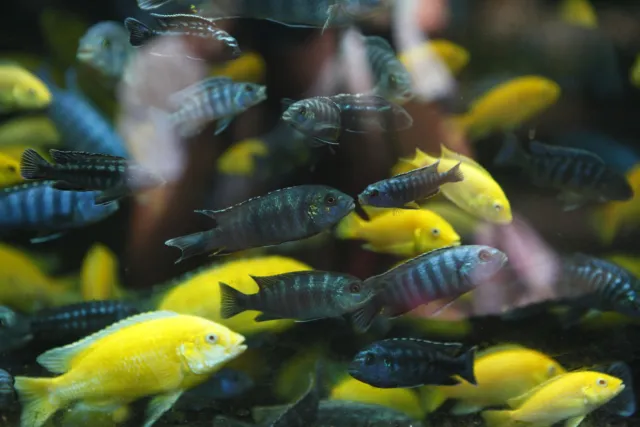
- Territorial fish: Some fish like cichlids may require their space and can be more aggressive.
- Peaceful species: Look for species known for being calm and compatible with various fish.
Top 10 Best Fish for Community Aquariums
Now that you understand the key factors to consider, let’s explore the best fish for community aquariums. Each of these species is known for its peaceful nature and compatibility with other fish.
1. Neon Tetra
The Neon Tetra is a popular choice for community aquariums due to its small size and vibrant blue and red coloration. They are peaceful fish that thrive in schools of six or more.
- Size: Approximately 1.5 inches long.
- Water conditions: Prefer soft, slightly acidic water (pH 6.0-7.0).
- Tank mates: Compatible with other small fish like guppies and rasboras.
2. Guppy
Guppies are colorful, hardy fish that are easy to care for, making them great for beginners. They come in various colors and patterns, adding beauty to any tank.
- Size: Around 1-2 inches long.
- Water conditions: Tolerant of a wide range of water conditions.
- Tank mates: Can coexist with tetras, endlers, and other small fish.
3. Corydoras Catfish
Corydoras Catfish are bottom-dwellers that help keep the aquarium clean by scavenging leftover food. They are peaceful and prefer to be in groups.
- Size: Typically 2-4 inches long depending on the species.
- Water conditions: Adaptable to various water conditions.
- Tank mates: Safe with many community fish, including tetras and livebearers.
4. Zebra Danio
Zebra Danios are lively fish that add energy to community tanks. They are hardy and can tolerate a variety of water conditions.
- Size: About 2 inches long.
- Water conditions: Prefer stable conditions, pH 6.5-7.5.
- Tank mates: Good with most small fish like guppies and barbs.
5. Betta Fish (Male)
While male Betta fish are known for their aggression towards their own kind, they can live harmoniously in community tanks with non-aggressive species. Care should be taken to avoid fin-nipping species.
- Size: Approximately 3 inches long.
- Water conditions: Prefers slightly acidic to neutral pH (6.5-7.5).
- Tank mates: Best with peaceful fish such as neon tetras and corydoras.
6. Platies
Platies are another vibrant choice for community aquariums. They are peaceful and can adapt to various water conditions, making them a favorite among aquarists.
- Size: About 2-3 inches long.
- Water conditions: Tolerant of a range of pH levels.
- Tank mates: Compatible with guppies, swordtails, and other peaceful species.
7. Rainbowfish
Rainbowfish are known for their striking colors and active nature. They do well in schools and thrive in well-planted tanks.
- Size: Ranges from 2 to 4 inches depending on the species.
- Water conditions: Prefer slightly alkaline water (pH 7.0-8.0).
- Tank mates: Good with tetras, barbs, and other community fish.
8. Endlers Livebearers
Endlers are small, colorful fish that are similar to guppies but are generally more peaceful. They are easy to care for and thrive in community tanks.
- Size: About 1-1.5 inches long.
- Water conditions: Adaptable but prefer soft, slightly acidic water.
- Tank mates: Can coexist with other small, non-aggressive fish.
9. Cherry Barbs
Cherry Barbs are peaceful and can add a splash of color to your aquarium. They are best kept in groups and are hardy fish.
- Size: Approximately 2 inches long.
- Water conditions: Prefer slightly acidic to neutral pH (6.0-7.0).
- Tank mates: Compatible with tetras, rasboras, and other peaceful species.
10. Swordtails
Swordtails are lively and colorful fish that are relatively easy to care for. They are known for their distinctive tail shape and peaceful nature.
- Size: Ranges from 3 to 5 inches long.
- Water conditions: Tolerate various pH levels but prefer slightly alkaline water.
- Tank mates: Safe with guppies, platies, and other community fish.
Care Requirements for Community Fish
When keeping community fish, it’s essential to understand their care requirements to ensure a healthy and thriving aquarium. Here are some considerations for maintaining your community tank.
1. Water Quality
Maintaining high water quality is critical for the health of your fish. Regular water changes and monitoring parameters is essential. Here are tips to achieve this:
- Regular Testing: Use water test kits to monitor pH, ammonia, nitrite, and nitrate levels.
- Frequent Water Changes: Change 10-25% of the water weekly to maintain quality.
- Filtration: Use a quality filter that suits the size of your aquarium to keep the water clean.
2. Feeding
Providing a balanced diet is crucial for the overall health of your fish. Different species may have specific dietary needs, so consider the following:
- Diverse Diet: Offer a variety of foods, including flakes, pellets, frozen, and live foods.
- Portion Control: Feed only what your fish can consume in a few minutes to avoid overfeeding.
- Specialized Diet: Research specific dietary needs for species like herbivores or carnivores.
3. Tank Environment
Creating a suitable environment for your community fish enhances their well-being. Consider these aspects:
- Plants and Decor: Include live or artificial plants and decorations for hiding places and territory.
- Lighting: Use appropriate lighting to mimic natural conditions and support plant growth.
- Temperature Control: Maintain a stable temperature suitable for the species you are keeping.
Compatibility with Other Species
Understanding Aggression Levels
When selecting fish for a community aquarium, understanding the aggression levels of potential species is crucial. Some fish can be territorial, especially during breeding seasons. For instance, while many cichlids are popular, they can exhibit aggressive behaviors that may disrupt a tranquil community tank. It’s essential to research each species’ behavioral traits and consider how they interact with other fish.
In general, schooling fish like tetras and danios are less aggressive and thrive in groups, making them excellent companions for a variety of species. Conversely, fish such as bettas and certain cichlids may require careful monitoring to ensure they do not disrupt the harmony of your aquarium.
- Research species compatibility: Refer to aquarist guides and forums.
- Observe behavior before finalizing selections: Consider a trial period in a quarantine tank.
- Group dynamics matter: Ensure that schooling fish are kept in adequate numbers to reduce stress and aggression.
Size Considerations
Fish size can play a significant role in community tank dynamics. Larger fish may inadvertently harm smaller species through bullying or accidental nips. For example, keeping a large angelfish with small neon tetras may result in the latter being outcompeted for food or even eaten.
A good rule of thumb is to ensure that the size differences between species are not extreme. While some fish can live peacefully together despite size disparities, others may not. Always strive for a mix of fish that are relatively similar in size to maintain a balanced ecosystem.
- Consider potential adult sizes: Research how large each species can grow.
- Monitor interactions regularly: Watch for signs of stress or aggression.
- Adjust fish stock: Be prepared to relocate or rehome species if necessary.
Feeding Behavior and Diets
Diverse Diets for Diverse Species
In a community aquarium, providing a balanced diet that caters to the needs of various species can be a challenge. Different fish have different dietary requirements; some are herbivores, while others are carnivores or omnivores. For instance, goldfish thrive on plant-based foods, while bettas require protein-rich diets to flourish.
To avoid competition during feeding times, consider offering a mix of high-quality flakes, pellets, and freeze-dried or frozen foods. It may be beneficial to have designated feeding areas in the tank to ensure every fish gets its fair share. Additionally, using sinking pellets for bottom-dwellers can help reduce food scarcity among different species.
- Assess dietary needs: Know the specific requirements of each fish.
- Rotate food types: Introduce variety to prevent dietary deficiencies.
- Monitor feeding behavior: Ensure all fish are accessing food without stress.
Feeding Techniques for Community Tanks
Feeding techniques can also influence the health and well-being of your community aquarium. For example, using a slow-release feeder can help distribute food evenly throughout the tank, ensuring that all fish can access nutrients without overcrowding during feeding times.
Another effective method is to feed at different times. For instance, feed surface feeders like guppies first, followed by mid-water species, and lastly, bottom feeders. This staggered approach allows all species to feed comfortably and reduces competition.
- Consider using a feeding ring: This can keep food contained and allow for easier access.
- Observe feeding patterns: Adjust feeding times based on when fish are most active.
- Limit overfeeding: Provide only what your fish can consume in a few minutes to maintain water quality.
Tank Environment and Setup
Creating Natural Habitats
Creating a suitable environment for your community aquarium can significantly impact the health and happiness of your fish. Incorporating live plants, rocks, and driftwood can create hiding spots and territories that mimic natural habitats. This setup not only provides shelter for timid species but also helps reduce stress levels.
When designing your tank, consider the needs of all species. For example, some fish prefer open swimming spaces, while others thrive in densely planted areas. A well-thought-out aquascape can enhance the aesthetic appeal of your aquarium and support the natural behaviors of your fish.
- Research natural habitats: Understand where your fish originate from.
- Choose appropriate plants: Select species that are compatible with your fish.
- Balance open spaces and hiding spots: Create a varied environment to cater to all species.
Lighting and Water Parameters
Lighting and water parameters are vital components of a thriving community aquarium. Different fish have varying preferences for light intensity; for instance, some species thrive in dimly lit environments, while others prefer brighter settings. Adjusting your lighting setup can help replicate their natural habitats.
Additionally, maintaining stable water parameters such as temperature, pH, and hardness is essential. Regular testing of water quality ensures that all species remain healthy and reduces stress. Use a quality water conditioner and perform regular water changes to keep parameters within acceptable ranges.
- Choose adjustable lighting: Consider LED lights with dimming capabilities.
- Regularly test water: Use reliable test kits for accurate readings.
- Stay informed: Keep up with the specific water needs for each species.
Frequently Asked Questions
What is a community aquarium?
A community aquarium is a tank setup that houses multiple species of fish that can coexist peacefully. The goal is to create a balanced ecosystem where different species thrive together.
Can aggressive fish be kept in a community aquarium?
Generally, aggressive fish are not suitable for community tanks. It’s essential to choose peaceful species to avoid stress and aggression among tank inhabitants.
How many fish can I keep in a community aquarium?
The number of fish you can keep depends on the size of your tank and the species you choose. A common rule is one inch of fish per gallon of water, but this can vary based on species and their needs.
What should I do if my fish are fighting?
If you notice signs of aggression, it’s crucial to separate the aggressive fish from the others. You may need to provide more hiding spots or rearrange the tank to reduce territorial disputes.
The Bottom Line
Choosing the best fish for community aquariums involves careful consideration of compatibility, tank size, and social behavior. By selecting peaceful species and maintaining high water quality, you can create a thriving aquatic environment that brings joy to your home. With the right knowledge and preparation, your community aquarium can flourish with vibrant colors and lively interactions.
Was this article helpful?

Writer at Mad4Pets. Lifelong animal lover who turns research and vet guidance into practical tips for everyday pet parents.