Best Aquarium Fish for Beginners: Easy Species by Tank Size
The best aquarium fish for beginners: hardy, peaceful species sorted by tank size, with care tips and how to keep your aquarium water healthy.

Key takeaways
- Choose hardy fish that thrive in various conditions.
- Understand the importance of tank size and setup.
- Research compatibility among different species.
- Regular maintenance is key to a healthy aquarium.
Starting an aquarium can be a rewarding and enjoyable hobby for beginners. Watching colorful fish swim gracefully in their environment can provide relaxation and joy. However, selecting the right species is crucial for your success as a novice aquarist. Choosing hardy fish that can adapt to a range of conditions will set you on the right path.
In this guide, we will explore the best aquarium fish for beginners, their care requirements, compatibility with other species, and how to create a healthy environment for them. By the end of this article, you will have the knowledge to choose the perfect fish for your new aquarium.
Before diving into specific species, it’s essential to understand some basic concepts about aquarium care. Factors such as tank size, water parameters, and filtration play a vital role in the health of your fish.
Understanding Aquarium Basics
Before you select your first fish, it’s important to grasp the fundamentals of aquarium care. This includes understanding tank size, water quality, and the cycling process.
Tank Size
Choosing the right tank size is crucial for the health of your fish. A larger tank provides a more stable environment, which is beneficial for beginners. Here are some points to consider:
- 5 Gallon Tank: Suitable for small species like Betta fish or a few shrimp.
- 10 Gallon Tank: Ideal for a small community tank with several small fish.
- 20 Gallon Tank: Provides more room for growth and allows for a wider variety of species.
Water Quality
Maintaining good water quality is essential for a thriving aquarium. Regular testing and adjustments are key. Here are some parameters you should monitor:
- pH Level: Aim for a pH between 6.5 and 7.5 for most freshwater fish.
- Ammonia and Nitrite: Keep these levels at 0 ppm as they are toxic to fish.
- Nitrate: Should be kept below 20 ppm for a healthy environment.
The Cycling Process
Before adding fish, the aquarium must undergo a cycling process to establish beneficial bacteria that break down waste. This process can take 4 to 6 weeks. Here are the steps:
- Set up your tank with substrate, decorations, and filter.
- Add a source of ammonia, such as fish food or pure ammonia.
- Test water parameters regularly to monitor the cycling process.
- Once ammonia and nitrite levels drop to 0, your tank is cycled and ready for fish.
Top Fish Species for Beginners
Now that you understand the basics, let’s explore some of the best fish species for beginners. These fish are known for their hardiness and ease of care.
1. Betta Fish
Betta fish, also known as Siamese fighting fish, are popular among beginners for several reasons:
- Colorful Appearance: Available in a variety of colors and fin types.
- Low Maintenance: They can thrive in smaller tanks and require minimal care.
- Interactive Behavior: Bettas are known to recognize their owners and can be quite engaging.
2. Neon Tetra
Neon Tetras are small, schooling fish that are perfect for community tanks. Here’s why they are a great choice:
- Peaceful Nature: They are friendly and can coexist with many other species.
- Vibrant Colors: Their striking blue and red coloration adds visual appeal to the tank.
- Schooling Behavior: They thrive in groups of six or more, which enhances their natural behavior.
3. Guppies
Guppies are another fantastic option for beginners. They are known for their adaptability and lively behavior:
- Variety of Colors: Available in a multitude of colors and patterns.
- Hardy Fish: They are resilient and can tolerate varying water conditions.
- Breeding Potential: Guppies breed easily, which can be an exciting aspect for aquarists.
4. Zebra Danio
Zebra Danios are an active and hardy fish that are perfect for beginners:
- Resilient Species: They can adapt to a variety of water conditions.
- Social Fish: They enjoy the company of their own kind and should be kept in groups.
- Active Swimmers: Their energetic behavior adds liveliness to the aquarium.
5. Corydoras Catfish
Corydoras Catfish are bottom-dwellers that help keep the tank clean. Here’s why they are beneficial:
- Peaceful Nature: They are non-aggressive and coexist well with other species.
- Bottom Feeders: They help clean up leftover food and debris from the substrate.
- Schooling Behavior: Best kept in groups, which enhances their natural behavior.
Setting Up the Perfect Aquarium
Having the right setup is crucial for the well-being of your fish. Here are essential components to consider when setting up your aquarium.
Filtration System
A good filtration system is vital for maintaining water quality. Here’s what you need to know:
- Types of Filters: Choose between hang-on-back, canister, or sponge filters based on your tank size.
- Filter Maintenance: Clean or replace filter media regularly to prevent buildup of waste.
- Flow Rate: Ensure the filter’s flow rate is suitable for the fish species you are keeping.
Heating and Lighting
Depending on the fish species you choose, you may need a heater to maintain optimal water temperatures:
- Heater: Set the heater to the recommended temperature for your fish species.
- Lighting: Use appropriate lighting to support plant growth and create a natural day-night cycle.
- Duration: Aim for 10-12 hours of light per day to keep fish and plants healthy.
Substrate and Decorations
Choosing the right substrate and decorations can enhance your aquarium’s aesthetics and provide hiding places for fish:
- Substrate: Use gravel or sand depending on the type of fish and plants you want to keep.
- Decorations: Include rocks, plants, and caves to create a natural habitat.
- Plant Life: Live plants can help filter the water and provide oxygen.
Maintaining Your Aquarium
Regular maintenance is essential for a healthy aquarium. Here are key tasks every aquarist should perform:
Water Changes
Regular water changes help maintain water quality by removing toxins and replenishing essential minerals:
- Frequency: Perform water changes of 10-15% weekly for small tanks and 20-25% bi-weekly for larger tanks.
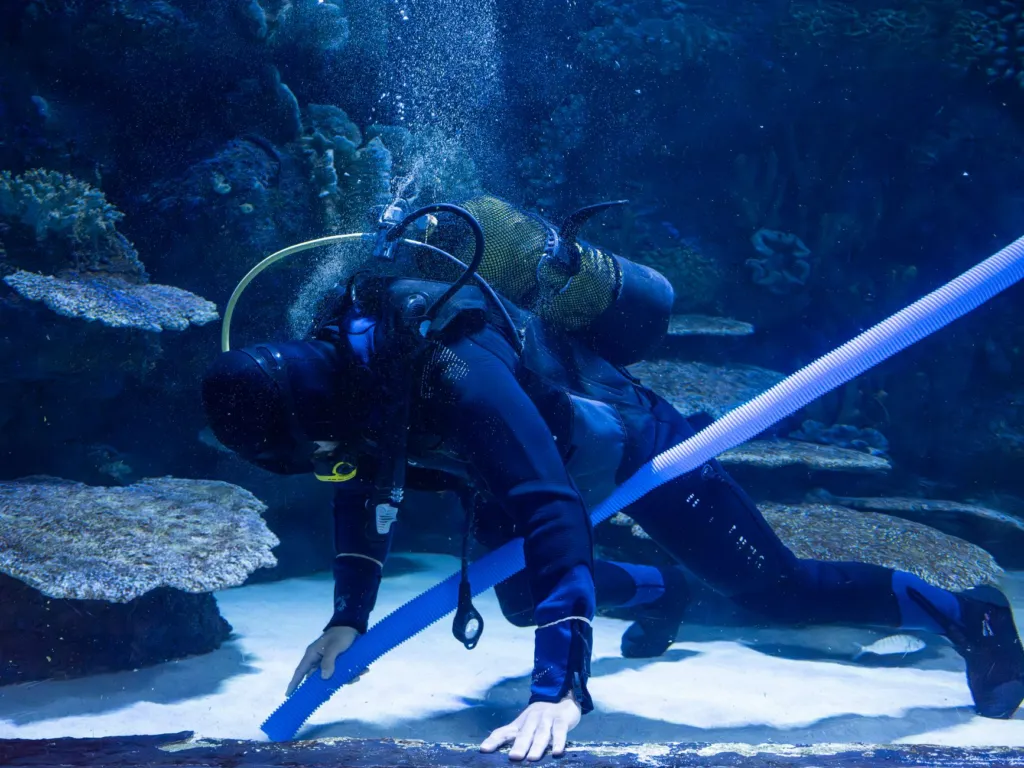
- Technique: Use a siphon to remove debris from the substrate while replacing with fresh, dechlorinated water.
- Monitor Parameters: Check water parameters before and after changes to ensure stability.
Feeding Your Fish
Proper nutrition is crucial to keep your fish healthy. Here’s how to properly feed them:
- Quality Food: Choose high-quality fish flakes or pellets appropriate for your fish species.
- Feeding Schedule: Feed fish small amounts 1-2 times a day, removing uneaten food after a few minutes.
- Variety: Occasionally supplement with frozen or live food for added nutrition.
Regular Monitoring
Keep a close eye on your fish and tank conditions to catch any issues early:
- Health Checks: Observe fish for signs of stress, disease, or unusual behavior.
- Parameter Testing: Test water parameters weekly to ensure they remain stable.
- Algae Control: Manage algae growth through regular maintenance and appropriate lighting.
Essential Aquarium Equipment for Beginners
Setting up an aquarium involves more than just adding water and fish. Beginners need to understand the essential equipment that ensures a healthy environment for their aquatic pets. Proper equipment can make the difference between a thriving tank and a struggling one.
Filters: The Heart of Your Aquarium
Filters are crucial for maintaining water quality. They remove physical debris and facilitate biological filtration, breaking down harmful toxins produced by fish waste. For beginners, a good filter should have a flow rate that matches the size of the aquarium and is easy to maintain.
- Types of filters: Hang-on-back, canister, and sponge filters.
- Recommended flow rate: 5-10 times the tank volume per hour.
- Maintenance tips: Clean or replace filter media regularly to ensure efficiency.
Heaters: Maintaining Optimal Temperature
Most tropical fish require a stable temperature range between 75°F and 80°F. An aquarium heater helps maintain this temperature, which is vital for the fish’s metabolism and overall health. Beginners should choose a heater that is appropriate for their tank size and type of fish.
- Types of heaters: Submersible and in-line heaters.
- Heater wattage: Generally, 5 watts per gallon of water.
- Temperature monitoring: Use a reliable thermometer to check water temperature regularly.
Lighting: Brightening Up Your Aquarium
Proper lighting is essential not only for the well-being of fish but also for plants if present in the aquarium. Lighting helps simulate the natural day-night cycle, which can positively affect fish behavior. Beginners should understand the different types of aquarium lights available and their impact on aquatic life.
- Types of lights: LED, fluorescent, and incandescent.
- Lighting duration: 8-12 hours per day to avoid algae growth.
- Considerations: Choose lights that enhance the colors of your fish and plants.
Common Mistakes Made by Beginner Aquarists
Starting an aquarium can be a rewarding experience, but many beginners make common mistakes that can lead to issues down the line. Being aware of these pitfalls can help new aquarists create a healthy environment for their fish.
Overcrowding the Tank
One of the most frequent errors is overcrowding, where beginners add too many fish too quickly. Each species has its own space requirements, and exceeding these can lead to stress, poor water quality, and disease outbreaks. It’s crucial to research the adult size and social behavior of fish before adding them to the aquarium.
- General rule: One inch of fish per gallon of water.
- Consideration: Group social species appropriately to avoid aggression.
- Plan for growth: Account for the potential adult size of the fish.
Neglecting Water Parameters
Water quality is vital for fish health, and beginners often overlook checking parameters such as pH, ammonia, nitrite, and nitrate levels. Regular testing is essential to ensure a stable environment. Many fish species have specific water parameter preferences that should be adhered to for their well-being.
- Recommended testing frequency: At least once a week.
- Tools needed: Liquid test kits or test strips.
- Target ranges: pH of 6.5 to 7.5 for most freshwater fish.
Skipping the Cycling Process
Many beginners are unaware of the importance of cycling an aquarium before adding fish. The cycling process establishes beneficial bacteria that break down harmful ammonia and nitrite, ensuring a safe environment for fish. Skipping this step can result in fish loss due to ‘new tank syndrome.’
- Cycle duration: Typically 4-6 weeks.
- Methods: Fishless cycling or using hardy fish with caution.
- Indicators of a cycled tank: Stable ammonia and nitrite levels at zero.
Choosing the Right Aquarium Plants
Incorporating live plants into your aquarium not only enhances its aesthetic appeal but also provides essential benefits for fish health. Plants help oxygenate the water, absorb excess nutrients, and offer shelter for fish. Beginners should consider several factors when selecting plants for their tank.
Easy-to-Grow Plant Options
For beginners, it is advisable to start with hardy and low-maintenance plants. These plants can thrive in a variety of conditions and are forgiving of beginner mistakes. Some popular choices include:
- Anubias: A slow-growing plant that can be attached to rocks or driftwood.
- Java Fern: Tolerates low light and can thrive in various water conditions.
- Amazon Sword: A larger plant that provides excellent cover and helps with water quality.
Considerations for Plant Placement
When adding plants, consider their growth patterns and compatibility with fish species. Some fish may nibble on plants, while others require hiding spots. Grouping plants by height and light requirements can create a more natural environment.
- Background: Taller plants like swords.
- Mid-ground: Medium height plants like crypts.
- Foreground: Smaller plants like dwarf hairgrass.
Maintenance of Live Plants
Maintaining live plants involves regular trimming, ensuring adequate lighting, and monitoring nutrient levels. Beginners should be aware that some plants may require additional fertilizers or CO2 supplementation to thrive. Keeping the plants healthy not only enhances the aquarium’s beauty but also improves the overall water quality.
- Trimming schedule: Every few weeks or as needed.
- Fertilization: Liquid fertilizers can enhance growth.
- Monitoring: Watch for algae growth and adjust lighting or nutrient levels accordingly.
Frequently Asked Questions
What is the easiest fish to care for?
Betta fish, guppies, and neon tetras are often recommended as some of the easiest fish for beginners due to their hardiness and low maintenance requirements.
How many fish can I put in my tank?
The general rule of thumb is one inch of fish per gallon of water. However, it’s essential to consider the specific needs and behaviors of the fish species you choose.
Do I need a heater for my aquarium?
Whether you need a heater depends on the species you plan to keep. Tropical fish generally require a heater to maintain water temperatures between 75°F to 80°F.
How often should I change the water in my aquarium?
For small tanks, aim for a 10-15% water change weekly, while larger tanks can require 20-25% changes bi-weekly to maintain optimal water quality.
The Bottom Line
Starting an aquarium is a fulfilling hobby that can be enjoyed by anyone. By selecting beginner-friendly fish and understanding the basics of aquarium care, you can create a thriving aquatic environment. Remember to research each species and maintain your tank properly for the best results.
Was this article helpful?

Writer at Mad4Pets. Lifelong animal lover who turns research and vet guidance into practical tips for everyday pet parents.