Essential Guinea Pig Diet: What They Really Need
Learn what a guinea pig diet should consist of to keep them healthy and happy, including hay, fresh vegetables, and pellets.


Key takeaways
- Hay is crucial for digestion and dental health.
- Fresh vegetables provide essential vitamins and nutrients.
- Commercial pellets should be high in fiber and low in fat.
- Always ensure fresh, clean water is available.
Understanding what guinea pigs need in their diet is essential for their health and well-being. Guinea pigs are herbivores, which means their diet mainly consists of plant-based foods. A balanced and appropriate diet is crucial to ensure they thrive and live a long, healthy life.
Unlike many other pets, guinea pigs cannot produce their own vitamin C, making it imperative for owners to provide this vital nutrient through their diet. In this guide, we will explore the various components that make up a healthy guinea pig diet.
From hay to fresh vegetables and commercial pellets, each element plays a significant role in their daily nutrition. Let’s dive into what guinea pigs need in their diet.
Hay: The Cornerstone of Their Diet
Hay should constitute the bulk of your guinea pig’s diet. It is crucial for their digestive health and also helps wear down their continuously growing teeth. The best types of hay for guinea pigs are timothy hay, orchard grass, and meadow hay. These hays are high in fiber, which is essential for proper digestion.
Guinea pigs need unlimited access to hay at all times. This allows them to graze throughout the day, which is their natural feeding behavior. When choosing hay, make sure it is fresh, free of mold, and has a pleasant smell. Avoid hay that is dusty or has excessive seed heads, as this can lead to respiratory issues.
In addition to its digestive benefits, hay also provides essential nutrients. The high fiber content aids in preventing obesity and promotes a healthy gut. Moreover, chewing on hay helps maintain dental health, reducing the risk of dental disease.
Types of Hay to Consider
- Timothy Hay: This is the most recommended hay for guinea pigs. It is high in fiber and low in protein and calcium, making it ideal for adult guinea pigs.
- Orchard Grass: A softer hay, suitable for guinea pigs who may be picky eaters. It offers a sweet smell and is high in fiber.
- Meadow Hay: This variety contains a mix of grasses and plants. It is a good option for variety in their diet.
Fresh Vegetables: A Vital Source of Nutrients
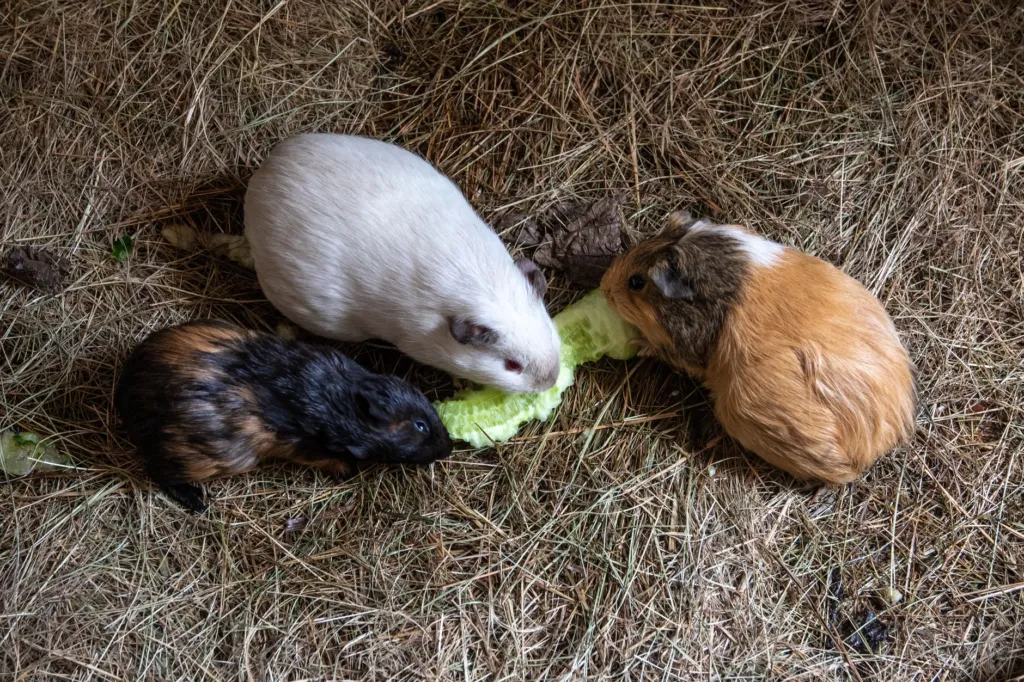
Fresh vegetables are an essential part of a guinea pig’s diet, providing vital vitamins and minerals that are necessary for their overall health. Vegetables rich in vitamin C should be included daily, as guinea pigs cannot synthesize this nutrient themselves. Leafy greens are particularly beneficial.
When introducing vegetables, start slowly to avoid digestive upset. A variety of vegetables ensures that your guinea pig receives a wide range of nutrients. Aim for a mix of dark leafy greens and colorful vegetables to maximize their nutrient intake.
Some recommended vegetables include bell peppers, kale, romaine lettuce, and carrots. However, it’s important to avoid starchy vegetables and those high in sugar, such as corn and potatoes, as these can lead to health issues.
Recommended Vegetables
- Bell Peppers: High in vitamin C and available in various colors, which can help add variety to their diet.
- Kale: A nutrient-dense leafy green that is also a good source of calcium.
- Romaine Lettuce: A crunchy option that is low in calories but high in moisture.
- Carrots: These can be offered in moderation as a treat due to their higher sugar content.
Commercial Pellets: Finding the Right Balance
Commercial guinea pig pellets are formulated to provide a balanced diet, but not all pellets are created equal. Look for high-quality pellets that are specifically made for guinea pigs. These should be high in fiber (at least 18%) and low in fat and protein.
Pellets should not constitute the bulk of a guinea pig’s diet; they should complement hay and fresh vegetables. Overfeeding pellets can lead to obesity, malnutrition, and other health issues. A general guideline is to provide about 1/8 to 1/4 cup of pellets per guinea pig daily.
When selecting pellets, avoid those that contain added seeds, dried fruits, or nuts, as these can be harmful to guinea pigs. Always check the ingredient list and choose pellets that have been fortified with vitamin C.
What to Look for in Pellets
- High Fiber Content: Ensure the pellets are at least 18% fiber.
- No Added Sugars: Avoid pellets with sugary additives or ingredients.
- Vitamin C Fortification: Choose pellets that include vitamin C, essential for guinea pig health.
Water: The Often-Overlooked Essential
Fresh and clean water is vital for guinea pigs, just as it is for all pets. Dehydration can lead to serious health complications, so make sure your guinea pig has access to fresh water at all times. Water bottles with sipper tubes are often preferred, as they help keep the water clean.
Change the water daily to ensure it remains fresh. Some guinea pigs may prefer drinking from a bowl, which can also be an option. Just ensure the bowl is heavy enough that it cannot be easily tipped over.
Watch for signs of dehydration, such as lethargy, dry mouth, or decreased urination. If you suspect your guinea pig is not drinking enough, consult a veterinarian for advice.
Signs of Dehydration
- Dry mouth or nose
- Less frequent urination
- Lethargy or weakness
- Sunken eyes
Fruits: Treats in Moderation
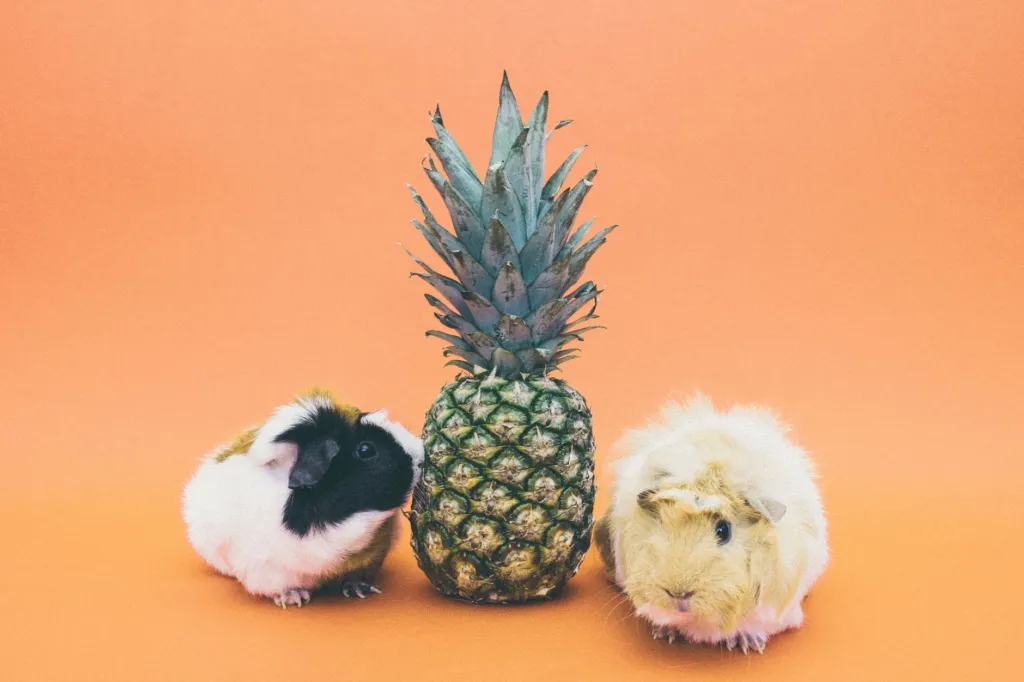
While fruits can offer some nutritional benefits, they should be given sparingly due to their high sugar content. Fruits are best used as occasional treats rather than a staple in their diet. When introducing fruit, choose options that are safe and healthy for guinea pigs.
Some safe fruit options include small amounts of strawberries, blueberries, and apples. Always wash fruits thoroughly and remove any seeds before offering them to your guinea pig. Moderation is key; a small piece two to three times a week is sufficient.
Be mindful of your guinea pig’s weight and overall health when offering fruits. If your guinea pig is overweight, it may be best to eliminate fruits altogether from their diet.
Safe Fruits for Guinea Pigs
- Strawberries: Rich in vitamin C and antioxidants.
- Blueberries: A nutritious and low-calorie treat.
- Apples: Offer small, seedless pieces; they should be given infrequently.

Foods to Avoid
While many foods are beneficial for guinea pigs, others can be harmful or even toxic. It’s critical to be aware of which foods to avoid to ensure your pet’s health. Some foods can lead to digestive upset, while others can pose serious health risks.
Common foods that should never be fed to guinea pigs include avocados, chocolate, and anything containing caffeine. Additionally, avoid feeding them starchy vegetables and grains, which can lead to obesity and other health issues.
When in doubt, consult with your veterinarian about any new foods you may be considering for your guinea pig’s diet.
Foods to Avoid
- Avocados: Toxic to guinea pigs and can cause serious health issues.
- Chocolate: Contains theobromine, which is harmful.
- Onions and Garlic: Can cause gastrointestinal distress.
- High Starch Foods: Such as corn and potatoes.
Understanding Nutritional Needs of Guinea Pigs
Key Nutrients for Optimal Health
Guinea pigs have specific nutritional requirements that are essential for their health and overall well-being. These include vitamins, minerals, proteins, and carbohydrates. Among these, vitamin C is particularly crucial, as guinea pigs cannot synthesize it on their own. A deficiency in vitamin C can lead to serious health issues, including scurvy. It is important to ensure that their diet includes adequate sources of this vitamin.
In addition to vitamin C, guinea pigs need a balanced intake of other nutrients. For instance, fiber is crucial for maintaining a healthy digestive system. It helps to prevent gastrointestinal problems, which are common in guinea pigs. Therefore, incorporating a variety of high-fiber foods is essential.
- Vitamin C
- Fiber
- Proteins
- Minerals
Understanding Fiber Types
Fiber in guinea pig diets comes in two main types: soluble and insoluble fiber. Soluble fiber can help with digestion and provide energy, while insoluble fiber is necessary for maintaining proper gut health. Both types of fiber work together to ensure that guinea pigs can digest their food efficiently and stay healthy.
Hay is not the only source of fiber for guinea pigs. Fresh vegetables, such as leafy greens, also provide important fiber. However, it is crucial to offer a variety of hay types, such as timothy, orchard grass, and meadow hay, as each type has different fiber content and nutritional benefits.
Portion Control and Meal Frequency
Feeding your guinea pig the right amounts of food is just as important as the type of food offered. Overfeeding can lead to obesity and other health issues. It is essential to establish a feeding routine that includes specific portion sizes. Generally, guinea pigs should have unlimited access to hay, but their intake of fresh vegetables and pellets should be measured.
A good rule of thumb is to provide about one cup of fresh vegetables per guinea pig daily, along with a small handful of pellets. This will help ensure that they receive the nutrients they need without overindulging. Regular monitoring of your guinea pig’s weight is also recommended to adjust portion sizes as necessary.
Supplementing with Treats: Safe Options
Choosing Healthy Treats
Treats can be an enjoyable addition to your guinea pig’s diet if chosen wisely. It is vital to select treats that are specifically formulated for guinea pigs and are low in sugar and fat. Natural options, such as small pieces of dried herbs or hay-based treats, can provide both enjoyment and nutritional benefits.
Some commercially available guinea pig treats include dried fruits, but these should be given sparingly due to their high sugar content. Always check the ingredient list for any artificial additives or excessive sugars, which can be harmful to your pet.
- Dried herbs (e.g., chamomile, parsley)
- Hay-based treats
- Small pieces of carrot or bell pepper
Homemade Treats: A Fun Alternative
Making homemade treats for your guinea pig can be a fun and healthy alternative to store-bought options. You can create simple snacks using ingredients that are safe and nutritious. For example, you can dehydrate vegetables like carrots or sweet potatoes to make crunchy snacks. Ensure the treats are small and given in moderation.
Another option is to create a veggie mix using safe vegetables and herbs. Mix them with a little bit of hay, and serve them as a special treat. This not only provides variety but also helps stimulate your guinea pig’s interest in their diet.
Monitoring Treat Intake
While treats can provide enrichment, it is essential to monitor how many treats your guinea pig receives. Too many treats can lead to obesity and nutritional imbalances. A good guideline is to limit treats to about 5-10% of their daily food intake. This ensures that they still receive the proper nutrients from their main diet while enjoying a little extra variety.
The Role of Foraging in Diet
Encouraging Natural Behavior
Foraging is an essential behavior for guinea pigs, as it mimics their natural instincts. Providing opportunities for foraging can enhance their mental stimulation and overall happiness. You can create foraging opportunities by scattering hay and fresh vegetables around their habitat or hiding them in toys designed for this purpose.
Foraging not only helps with mental engagement but also encourages physical activity. This is particularly important for maintaining a healthy weight and preventing boredom-related behaviors. Incorporating foraging into your guinea pig’s routine can greatly enhance their quality of life.
DIY Foraging Activities
Creating DIY foraging activities can be simple and cost-effective. You can use cardboard boxes or paper bags to hide small amounts of hay and vegetables, allowing your guinea pig to explore and search for their food. Ensure that any materials used are safe and non-toxic.
Another fun option is to create a foraging mat by sewing or gluing fabric strips onto a base. You can hide treats within the folds of the fabric, encouraging your guinea pig to root around and discover their snacks.
Benefits of Foraging
Foraging activities not only provide physical and mental stimulation but also contribute to dental health. Chewing on hay and other fibrous materials helps wear down their constantly growing teeth. By engaging in foraging, you help your guinea pig stay active and healthy.
- Promotes mental stimulation
- Encourages physical activity
- Supports dental health
Frequently Asked Questions
How much hay should I provide my guinea pig?
Guinea pigs should have unlimited access to hay at all times. It is the most important part of their diet and should be available for them to graze throughout the day.
Can guinea pigs eat fruit every day?
Fruits should be considered treats and fed in moderation. A small piece two to three times a week is sufficient due to their high sugar content.
What happens if my guinea pig doesn’t get enough vitamin C?
A lack of vitamin C can lead to serious health issues such as scurvy, which can cause lethargy, loss of appetite, and dental problems. It’s crucial to ensure they receive adequate vitamin C through their diet.
Is it safe to feed my guinea pig commercial treats?
Always check the ingredients before giving your guinea pig any commercial treats. Many contain high sugar levels or harmful additives. Stick to natural options like fresh veggies or a small piece of fruit.
The Bottom Line
A balanced guinea pig diet consists primarily of hay, supplemented by fresh vegetables, quality pellets, and occasional fruits. Ensuring your guinea pig receives the right nutrients is vital for their health and longevity. Always consult your veterinarian for personalized advice, especially if you notice any changes in your pet’s behavior or health.
Was this article helpful?

Writer at Mad4Pets. Lifelong animal lover who turns research and vet guidance into practical tips for everyday pet parents.