Essential Guinea Pig Care Guide for New Owners
Learn everything you need in this comprehensive guinea pig care guide for new owners, from housing to nutrition and health tips.


Key takeaways
- Guinea pigs require spacious and clean habitats.
- A balanced diet includes hay, fresh vegetables, and pellets.
- Regular vet check-ups are crucial for health maintenance.
- Social interaction is vital for a guinea pig's happiness.
Guinea pigs are delightful small pets that can bring joy and companionship into your home. They are known for their friendly nature and adorable squeaks. However, like any pet, they require careful consideration and proper care to thrive. This guinea pig care guide is designed to help new owners understand the essential aspects of keeping these charming creatures happy and healthy.
Before you bring a guinea pig into your home, it’s important to familiarize yourself with their specific needs. From housing to nutrition, understanding what it takes to care for a guinea pig will ensure that you provide the best environment possible. This guide will cover everything you need to know, making it easier for you to create a loving home for your new pet.
Whether you are adopting one guinea pig or a pair, being well-prepared will make a significant difference. Let’s dive into the key elements of guinea pig care.
Choosing the Right Habitat
The first step in guinea pig care is providing a suitable habitat. Guinea pigs need plenty of space to explore, play, and rest. A large cage is essential, as it allows your pet to move around freely. The minimum recommended cage size for one guinea pig is 7.5 square feet, but larger is always better, especially if you plan to house more than one.
When selecting a guinea pig cage, consider the following features:
- Solid bottom: Avoid cages with wire bottoms as they can hurt your guinea pig’s feet. A solid bottom made of plastic or glass is ideal.
- Multiple levels: Cages with multiple levels provide additional space for climbing and exploring.
- Easy access: Ensure that the cage has large access points for easy cleaning and handling of your guinea pig.
Location is also crucial. Place the cage in a quiet area of your home, away from direct sunlight and drafts. Guinea pigs are social animals and enjoy being around their owners, so consider a spot where they can see and interact with family members.
Setting Up the Cage
Once you have the right cage, it’s important to set it up properly. Start with the cage flooring, which should be covered with bedding that is safe and comfortable for your guinea pig.
- Safe bedding options: Use paper-based or aspen bedding, avoiding cedar or pine shavings due to harmful oils.
- Hideaways: Provide hideouts and shelters where your guinea pig can retreat to feel safe. Boxes, tunnels, or commercially available hides work well.
- Water and food dishes: Use heavy ceramic dishes to prevent tipping. A water bottle with a sipper tube is often preferred for cleanliness.
Finally, enrich the environment with toys and chew items. Guinea pigs love to chew, so providing wooden toys, hay racks, and tunnels will keep them entertained and healthy.

Feeding Your Guinea Pig
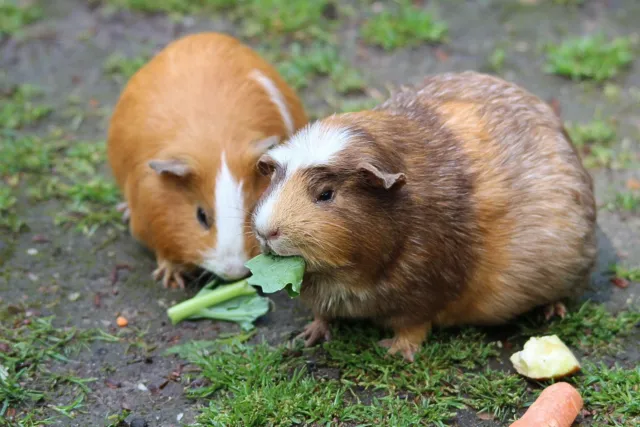
A balanced diet is vital for your guinea pig’s health. Guinea pigs are herbivores and have specific dietary needs that should be met to prevent health issues.
The primary components of a guinea pig’s diet should include:
- Hay: Timothy hay is the best option, providing essential fiber for digestion. Hay should be available at all times.
- Fresh vegetables: Offer a variety of fresh vegetables daily. Good choices include bell peppers, leafy greens, and carrots. Avoid starchy vegetables and iceberg lettuce.
- Pellets: Feed high-quality guinea pig pellets that include vitamin C, as guinea pigs cannot produce this vitamin on their own.
Be cautious with treats. Fruits should be given sparingly due to their high sugar content. Always wash vegetables thoroughly before serving them to your pet.
Health Care and Regular Vet Visits
Maintaining your guinea pig’s health is an ongoing responsibility. Regular vet check-ups are essential for early detection of potential issues. You should schedule an annual visit with a veterinarian who specializes in small animals.
During these visits, the vet will:
- Perform a physical examination to check for signs of illness.
- Provide vaccinations if necessary.
- Offer advice on diet and habitat to ensure your guinea pig remains healthy.
Be attentive to your guinea pig’s behavior. Signs of illness can include:
- Loss of appetite or changes in eating habits.
- Changes in stool consistency.
- Unusual vocalizations or lethargy.
If you notice any of these signs, consult your veterinarian promptly.
Social Interaction and Enrichment
Guinea pigs are social creatures that thrive on companionship. They do best when housed with at least one other guinea pig. If you adopt a single guinea pig, be prepared to spend time interacting with them daily.
To foster a strong bond with your guinea pig:
- Daily handling: Spend time gently handling your guinea pig to build trust and comfort in your presence.
- Playtime: Allow them to explore outside their cage in a safe, supervised area. This can provide mental stimulation and exercise.
- Interactive toys: Provide toys that encourage play, such as tunnels, balls, and chew toys.
Socializing with other guinea pigs can also alleviate boredom. If you plan to introduce another guinea pig, ensure they are of similar size and temperament to reduce the risk of conflict.
Grooming Your Guinea Pig
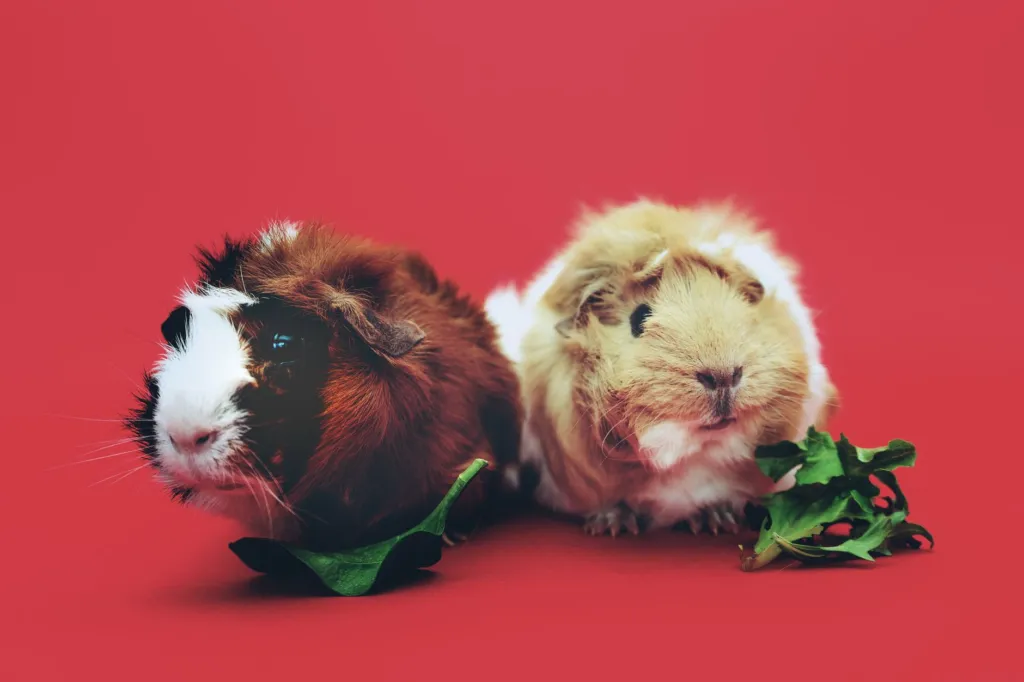
Proper grooming is an essential part of guinea pig care. While guinea pigs are generally clean animals, they still need assistance to keep their coats shiny and healthy.
Here are a few grooming tips:
- Brushing: Long-haired breeds require regular brushing to prevent matting. Short-haired breeds can be brushed occasionally to remove loose hair.
- Nail trimming: Trim your guinea pig’s nails every few weeks to prevent overgrowth. If you are unsure how to do this safely, ask your vet for guidance.
- Bathing: Guinea pigs do not need frequent baths, but if necessary, use a gentle pet shampoo. Ensure they are thoroughly dried afterward.
Maintaining your guinea pig’s hygiene will also reduce the risk of skin problems and other health issues.
Common Health Issues
Guinea pigs are generally healthy but can be susceptible to certain health problems. Being aware of common issues can help you act promptly if something arises.
Some common health concerns include:
- Dental problems: Overgrown teeth can lead to difficulty eating. Ensure your guinea pig has plenty of hay to help wear down their teeth.
- Respiratory issues: Signs include wheezing, nasal discharge, or labored breathing. Consult a vet immediately if any of these symptoms occur.
- Skin conditions: Look for excessive itching or hair loss, which could indicate parasites or allergies.
Regular check-ups and maintaining a clean habitat can significantly reduce the risk of these problems.
Understanding Guinea Pig Behavior
Communication Methods
Guinea pigs are social animals and have a variety of ways to communicate with each other and their owners. They use a range of sounds, body language, and even scent to convey their feelings and needs. Understanding these communication methods is crucial for any new guinea pig owner.
- Wheeking: This high-pitched sound is often made when they are excited, especially during feeding times.
- Purring: A soft purring noise can indicate contentment, while a louder version may signal annoyance.
- Chirping: This rare sound may mimic a bird and is often associated with a sense of joy or excitement.
- Whining: A whining sound can mean your guinea pig is unhappy or seeking attention.
- Body Language: Pay attention to their posture. An upright posture with ears forward often indicates curiosity or excitement, while hunched posture can indicate fear or discomfort.
Understanding Stress Signals
Recognizing stress signals in guinea pigs is vital to ensure their well-being. Stress can lead to health issues, so being aware of their behaviors can help you provide a more comfortable environment.
- Hiding: If your guinea pig frequently hides, it may indicate stress. Ensure they have safe spaces to retreat to.
- Over-grooming: If they are excessively grooming themselves, it could be a sign of anxiety or discomfort.
- Lethargy: A noticeable drop in energy levels can indicate that your guinea pig is stressed or unwell.
- Excessive vocalization: If your guinea pig is making more noise than usual, it might be a sign of distress.
Creating a Positive Environment
To foster a happy and healthy guinea pig, you must create an environment that minimizes stress and promotes natural behaviors. This involves considering their living space, social interactions, and mental stimulation.
- Provide Hiding Spaces: Use tunnels, boxes, or igloos to create hiding spots where they can feel safe.
- Social Interaction: Ensure they have companionship, as guinea pigs are herd animals. Consider adopting a pair to keep each other company.
- Variety in Enrichment: Rotate toys and activities to keep their environment stimulating and engaging.
- Quiet Environment: Keep their living area away from loud noises, drafts, and extreme temperatures to reduce stress.

Essential Supplies for Guinea Pig Owners
Cage Accessories
Having the right accessories in your guinea pig’s cage is essential for their comfort and enrichment. These items can make a significant difference in their quality of life.
- Hay Racks: A hay rack keeps hay off the floor and encourages your guinea pig to eat fresh hay while maintaining cleanliness.
- Water Bottles: Choose a high-quality water bottle that prevents leaks and provides easy access to fresh water.
- Food Bowls: Heavy ceramic bowls are ideal as they cannot be easily tipped over by curious guinea pigs.
- Bedding: Opt for safe, absorbent bedding such as paper-based products or aspen shavings, avoiding cedar or pine shavings.
Toys and Enrichment Tools
Guinea pigs are intelligent creatures that need mental stimulation to thrive. Providing toys and enrichment tools can help keep them engaged and happy.
- Chew Toys: Wooden chew toys made from untreated wood can help keep their teeth healthy.
- Tunnels: Fabric or cardboard tunnels encourage exploration and physical activity.
- Foraging Toys: Toys that require them to work for their food can engage their natural foraging instincts.
- Exercise Wheels: While not all guinea pigs will use them, some enjoy running on an exercise wheel designed specifically for their size.
Grooming Supplies
Regular grooming is essential for guinea pigs, especially for long-haired breeds. Having the right grooming supplies is vital for maintaining their coat and overall hygiene.
- Brushes: A soft-bristled brush is ideal for daily grooming to prevent matting and remove loose fur.
- Flea Comb: A flea comb can help identify and remove any pests that may be present in their fur.
- Nail Clippers: Regular nail trimming is necessary to prevent overgrowth; choose a clipper designed for small animals.
- Bathing Supplies: If necessary, use a gentle pet shampoo specifically formulated for guinea pigs.
Dietary Considerations and Supplements
Importance of Vitamin C
Guinea pigs are unique among small animals as they cannot synthesize vitamin C on their own. Therefore, a diet rich in this essential nutrient is critical for their health.
- Fresh Vegetables: Include a variety of leafy greens such as kale, romaine lettuce, and bell peppers, all of which are high in vitamin C.
- Vitamin C Supplements: If fresh sources are insufficient, consider vitamin C drops or tablets specifically designed for guinea pigs.
- Monitor Health: Keep an eye on their health; signs of vitamin C deficiency include lethargy, poor coat condition, and joint pain.
Understanding Food Labels
When shopping for guinea pig food, understanding the labels is essential to ensure you provide a balanced diet. Many commercial pellets are available and differ in quality.
- Check Ingredients: Look for high fiber content, ideally 16% or more, and avoid those with seeds or nuts.
- Freshness: Ensure that the food is fresh and not past its expiration date, as stale food can lose nutritional value.
- Avoid Fillers: Stay away from products with fillers like corn or soy, which do not provide beneficial nutrients.
Hydration Needs
Proper hydration is crucial for guinea pigs, as they can be prone to urinary tract issues if not adequately hydrated. Water should always be available.
- Fresh Water Daily: Change their water daily to ensure it is clean and fresh.
- Water Bottles vs. Bowls: Some guinea pigs prefer drinking from bowls, while others may use bottles. Observe your pet’s preference.
- Monitor Intake: Watch for changes in drinking habits, as reduced water intake can signify health issues.
Frequently Asked Questions
How long do guinea pigs live?
Guinea pigs typically live between 5 to 7 years, although some can live longer with proper care.
Can guinea pigs be litter trained?
Yes, guinea pigs can be litter trained to some extent. Placing a litter box in a corner where they frequently go can help.
Do guinea pigs need to be vaccinated?
Vaccination needs may vary, so consult your veterinarian for specific recommendations for your guinea pig’s health.
Can guinea pigs eat fruits and vegetables?
Yes, guinea pigs can eat a variety of fruits and vegetables, but they should be given in moderation due to sugar content.
The Bottom Line
Caring for guinea pigs requires commitment and attention to their needs. By providing a spacious habitat, a balanced diet, and regular social interaction, you can ensure your guinea pig thrives. Regular veterinary care is essential for keeping your pet healthy and happy. With the right approach, your guinea pig can be a cherished companion for years to come.
Always consult a veterinarian for any health concerns regarding your guinea pig.[/m4p_tip>
Was this article helpful?

Writer at Mad4Pets. Lifelong animal lover who turns research and vet guidance into practical tips for everyday pet parents.