What Do Bearded Dragons Eat for a Healthy Diet?
Discover what do bearded dragons eat for optimal health, including their dietary needs and safe food options.

Key takeaways
- Bearded dragons have specific dietary needs.
- A balanced diet includes insects and vegetables.
- Hydration is essential for bearded dragon health.
- Consult a vet for dietary concerns or health issues.
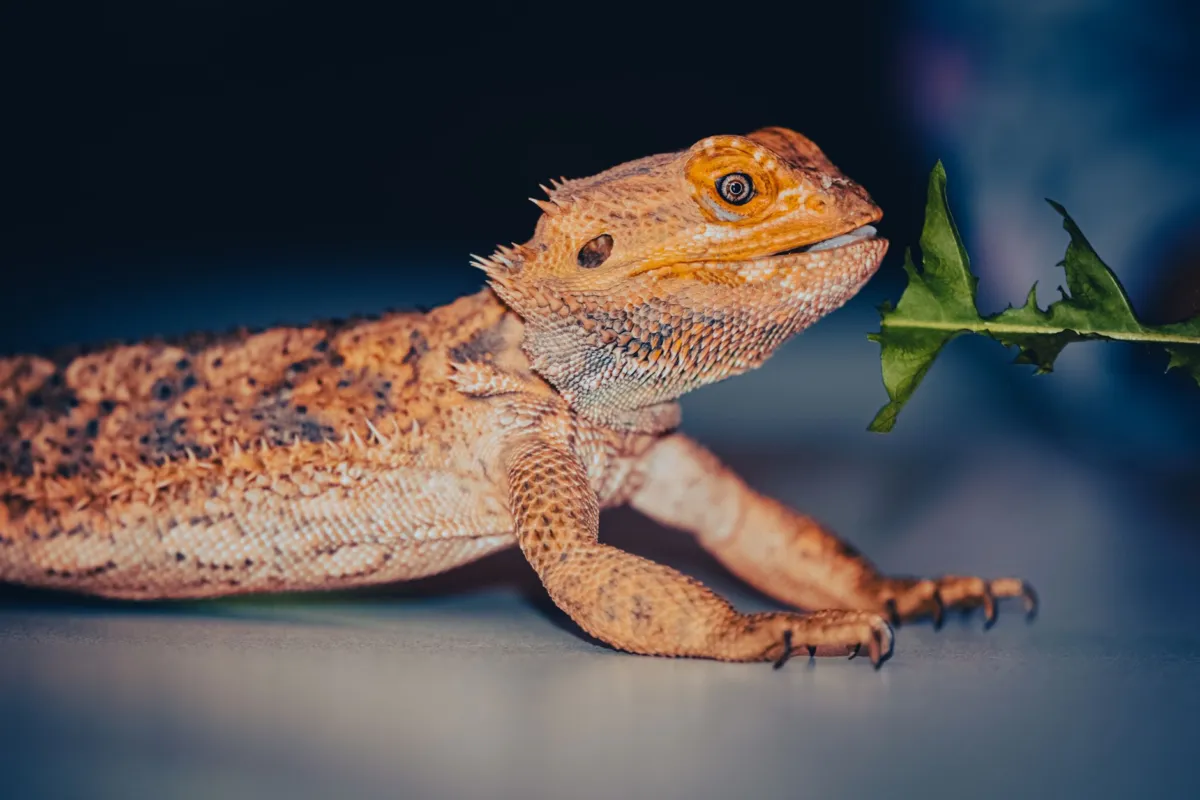
Bearded dragons are fascinating reptiles and popular pets known for their friendly demeanor and unique appearance. As a pet owner, understanding what do bearded dragons eat is crucial to ensuring their health and wellbeing. These lizards are omnivorous, which means they require a diverse diet that includes both animal proteins and plant-based foods.
In this comprehensive guide, we will explore the dietary needs of bearded dragons, the types of food they can safely consume, and tips for creating a balanced meal plan. Whether you are a new bearded dragon owner or looking to improve your pet’s diet, this article will provide valuable insights into their nutritional requirements.
Maintaining a proper diet is essential for bearded dragons to thrive. A well-balanced diet will support their growth, energy levels, and overall health, while also preventing potential health issues. Let’s delve into the specifics of what bearded dragons should eat.
Understanding Bearded Dragon Nutrition
To formulate a suitable diet for your bearded dragon, it’s important to understand their nutritional needs. Bearded dragons have different dietary requirements based on their age, size, and overall health. Here are the primary components of their diet:
- Proteins: Young bearded dragons require a higher protein intake, primarily from insects. Adults can have more plant matter in their diet.
- Vitamins and Minerals: Calcium and vitamin D3 are vital for bone health. A deficiency can lead to metabolic bone disease.
- Fiber: Essential for digestion, fiber is mainly obtained from leafy greens and vegetables.
A proper balance of these components will help ensure your bearded dragon remains healthy and active. It’s also crucial to provide fresh water daily, as hydration plays an important role in their health.
Life Stages and Dietary Needs
Bearded dragons’ dietary needs change as they mature. Here’s a breakdown by age:
- Hatchlings (0-3 months): Require 80% protein and 20% vegetables. Feed them small insects like pinhead crickets and finely chopped greens.
- Juveniles (3-12 months): Their diet should consist of about 60% insects and 40% plants. They can eat larger insects and a variety of greens.
- Adults (12 months and older): Prefer a diet of 20% insects and 80% vegetables. Focus on leafy greens, squash, and other non-toxic vegetables.
Adjusting their diet according to their life stage ensures they receive the necessary nutrients at each phase of growth.
Types of Food for Bearded Dragons
When considering what do bearded dragons eat, it’s important to select safe and nutritious foods. The diet can be broadly categorized into three main types: insects, vegetables, and fruits.
Insects
Insects are a primary source of protein for bearded dragons, especially when they are young. Here are some suitable options:
- Crickets: A staple in most bearded dragon diets. They are high in protein and easy to digest.
- Mealworms: Good for occasional treats but should not be the main food source due to their high-fat content.
- Dubia roaches: A highly nutritious option that is lower in fat and easy to digest.
- Silkworms: Rich in protein and calcium, making them a great choice for growing dragons.
When feeding insects, always ensure they are appropriately sized for your dragon and gut-loaded (fed nutritious foods) before offering them.
Vegetables
Vegetables should make up a significant portion of an adult bearded dragon’s diet. Some healthy options include:
- Collard greens: Packed with calcium and vitamins.
- Mustard greens: Another excellent source of essential nutrients.
- Squash: Provides vitamins and fiber.
- Bell peppers: Offer a variety of vitamins and antioxidants.
It’s essential to chop vegetables into small pieces to make them easy for your dragon to eat.
Fruits
Fruits should only be offered occasionally due to their high sugar content. Good choices include:
- Strawberries: A sweet treat that is high in vitamin C.
- Blueberries: Packed with antioxidants.
- Mango: A tasty source of vitamins A and C.
Always introduce new fruits slowly and watch for any adverse reactions.

Creating a Balanced Diet
Creating a balanced diet for your bearded dragon involves careful planning and consideration of their nutritional needs. Here are some tips to help you provide a well-rounded diet:
- Variety is Key: Offer a wide range of insects and vegetables to ensure they receive a broad spectrum of nutrients.
- Calcium Supplements: Dust insects with calcium powder a few times a week to prevent deficiencies.
- Hydration: Ensure fresh water is available at all times, and consider misting their food or habitat to increase humidity.
By diversifying their diet and ensuring they receive the right supplements, you can help your bearded dragon maintain optimal health.
Feeding Frequency and Portion Size
Understanding how often and how much to feed your bearded dragon is crucial for their growth and health. Feeding frequency typically depends on their age:
- Hatchlings: Feed 3-5 times a day, offering small amounts of insects and greens.
- Juveniles: Feed 2-3 times a day, providing larger portions of both insects and vegetables.
- Adults: Feed once a day or every other day, focusing more on vegetables with smaller amounts of insects.
Portion sizes can vary based on the individual dragon’s size and appetite. Monitor their body condition and adjust accordingly to maintain a healthy weight.
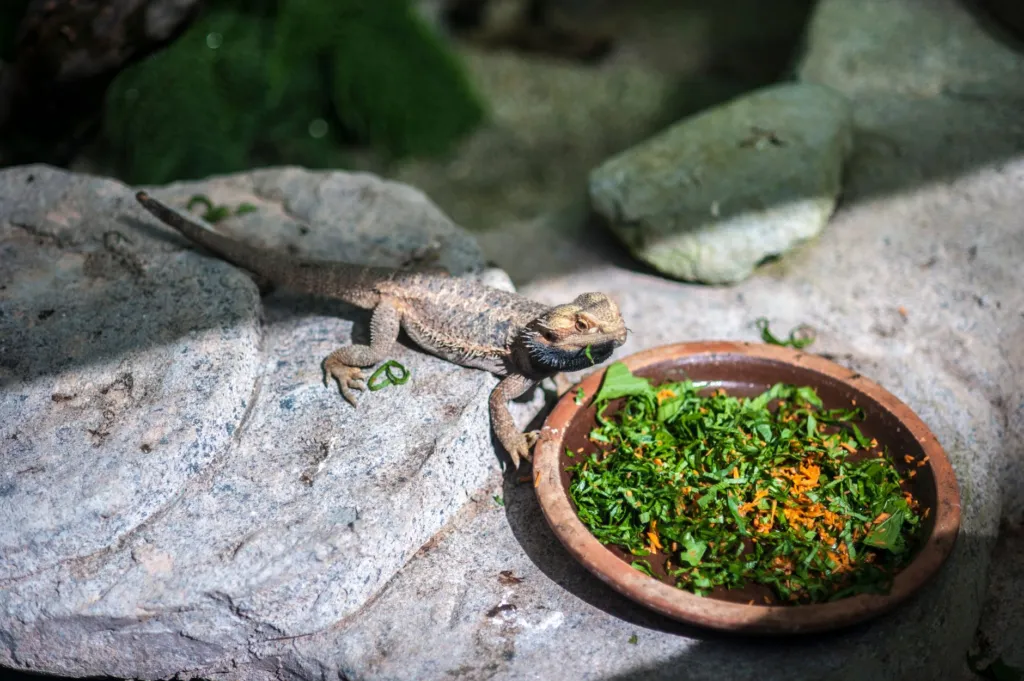
Common Feeding Mistakes
Even experienced pet owners can make mistakes when it comes to feeding their bearded dragons. Here are some common pitfalls to avoid:
- Overfeeding: Be careful not to overfeed your dragon, which can lead to obesity and health problems.
- Neglecting Variety: Relying on a single type of food can result in nutritional deficiencies.
- Ignoring Calcium Needs: Failing to provide adequate calcium can lead to serious health issues.
Educating yourself on proper feeding practices will help you avoid these common mistakes and promote a healthier lifestyle for your bearded dragon.
Understanding Insects as a Protein Source
Types of Insects Suitable for Bearded Dragons
Insects are a vital part of a bearded dragon’s diet, providing essential protein and nutrients. However, not all insects are suitable for them. Commonly recommended insects include crickets, mealworms, and dubia roaches. These options are widely available and offer a good balance of protein and fat.
- Crickets: High in protein, low in fat, and easy to digest.
- Mealworms: Higher in fat, so they should be offered sparingly.
- Dubia Roaches: Nutrient-dense and have a good calcium-to-phosphorus ratio.
How to Source Live Insects
When sourcing live insects, it’s essential to choose reputable suppliers. Many pet stores offer live insects, but you can also find online retailers specializing in live feeders. Ensure the insects are healthy, well-fed, and free from pesticides. Additionally, consider breeding your own insects for a sustainable and cost-effective food source. This not only ensures a fresh supply but also allows you to control their diet, improving the nutritional quality of the insects you offer.
Feeding Insects Safely
Before feeding insects to your bearded dragon, it’s crucial to gut-load them. This involves feeding the insects nutritious foods 24 to 48 hours before offering them to your pet. This process enhances the nutritional value of the insects. Common gut-load options include leafy greens, carrots, and high-quality commercial gut-load products. Always ensure the size of the insects is appropriate for your bearded dragon to prevent choking hazards, typically no larger than the space between their eyes.

The Importance of Plant-Based Foods
Types of Vegetables and Greens
While insects provide crucial protein, plant-based foods also play a significant role in a bearded dragon’s diet. Leafy greens and vegetables should comprise a substantial part of their daily intake. Some excellent options include collard greens, mustard greens, and dandelion greens. These plants are not only nutritious but also provide hydration, which is often overlooked in reptile care.
- Collard Greens: Rich in calcium and vitamins A, C, and K.
- Mustard Greens: High in fiber and antioxidants.
- Dandelion Greens: Excellent source of calcium and can aid digestion.
Fruits: Treats or Staples?
Fruits can be offered to bearded dragons, but they should be treated as occasional treats rather than staples. While fruits like strawberries, blueberries, and mango are appealing to bearded dragons, they are often high in sugar. Overconsumption can lead to obesity and health issues. Always introduce new fruits gradually and observe how your bearded dragon reacts to them.
Preparing Vegetables and Greens for Feeding
For optimal freshness and nutrition, wash all vegetables and greens thoroughly to remove any pesticides or contaminants. Chop them into small, manageable pieces to facilitate easier eating. Consider offering a variety of colors and textures to keep your bearded dragon interested in their meals. Mixing different greens and vegetables can also help meet their diverse nutritional needs.
The Role of Supplements in Bearded Dragon Diet
Essential Supplements for Bone Health
Calcium and vitamin D3 are crucial supplements to include in a bearded dragon’s diet, as they help prevent metabolic bone disease, a common health issue in reptiles. Without adequate calcium, bearded dragons can suffer from weak bones and other serious health problems. A calcium supplement should be dusted on their insects and greens before feeding, ensuring they receive adequate amounts with each meal.
- Calcium Powder: A staple supplement that supports bone health.
- Vitamin D3: Necessary for calcium absorption; ensure it’s given in moderation.
- Multivitamins: Should be offered once a week to provide a range of essential vitamins and minerals.
How to Properly Administer Supplements
When using supplements, it’s essential to follow the recommended dosages on the product labels. Over-supplementation can lead to toxicity and other health issues. It’s advisable to consult with a veterinarian familiar with reptile care to tailor a supplement plan suitable for your bearded dragon’s specific needs. Regular monitoring of your pet’s health will guide adjustments in their diet and supplementation.
Signs of Nutritional Deficiencies
Bearded dragons can exhibit various signs if they are not receiving adequate nutrition. Some common indicators include lethargy, poor appetite, abnormal shedding, and deformities in bones or limbs. If you observe any of these symptoms, it is essential to consult a veterinarian to assess your bearded dragon’s diet and overall health. Early intervention is key to maintaining their well-being and preventing long-term health issues.
Frequently Asked Questions
Can bearded dragons eat fruits regularly?
Fruits should be offered only occasionally due to their high sugar content. They can be a treat, but they should not replace vegetables or insects in the diet.
What insects are safe for bearded dragons?
Safe insects include crickets, mealworms, dubia roaches, and silkworms. Always ensure insects are appropriately sized and gut-loaded before offering them.
How can I tell if my bearded dragon is healthy?
A healthy bearded dragon will have clear eyes, a strong appetite, active behavior, and a well-formed body. If you notice any changes in behavior or appearance, consult a veterinarian.
Should I provide supplements for my bearded dragon?
Yes, calcium and vitamin D3 supplements are important for promoting bone health, especially in juvenile and breeding dragons. Dust insects with these supplements a few times a week.
The Bottom Line
Understanding what do bearded dragons eat is vital for their health and happiness. A balanced diet consisting of a variety of insects and fresh vegetables is essential for their growth and wellbeing. Always be mindful of their age and adjust their diet accordingly. Regular veterinary check-ups will also help ensure they remain in optimum health. By providing the right nutrition, you can help your bearded dragon lead a long and healthy life.
Was this article helpful?

Writer at Mad4Pets. Lifelong animal lover who turns research and vet guidance into practical tips for everyday pet parents.