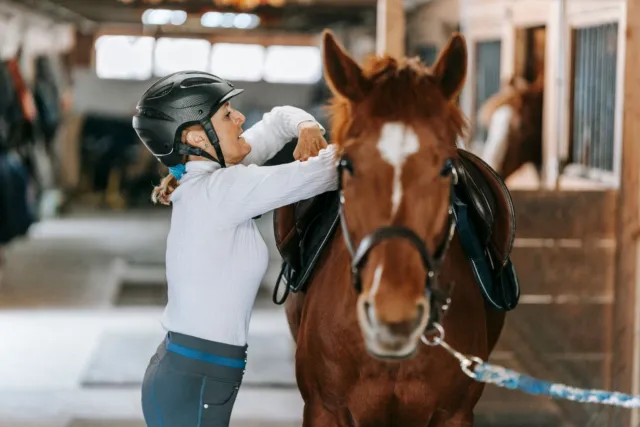
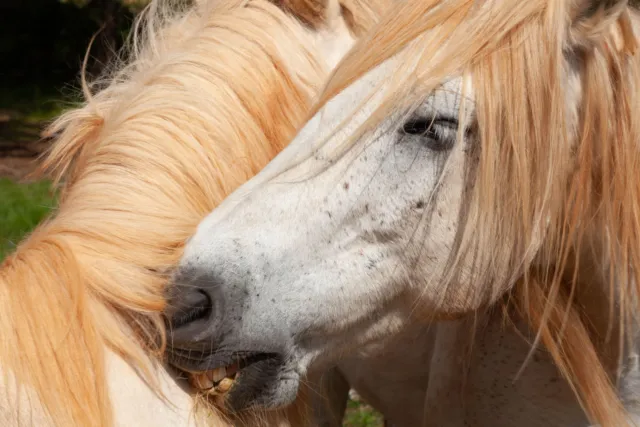
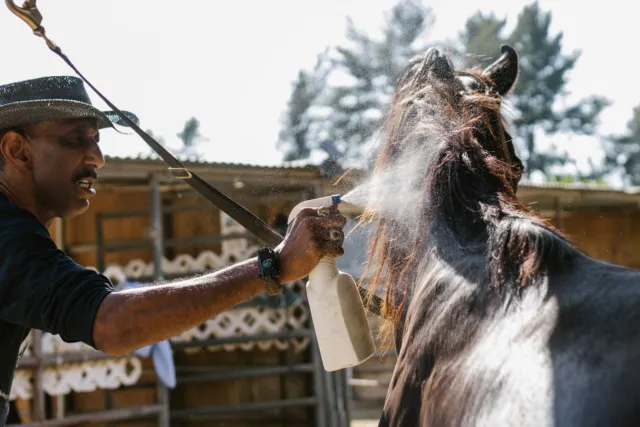
Horse Grooming for Beginners: Tools and Step-by-Step Techniques
Horse grooming for beginners: the essential grooming kit and a step-by-step technique for coat, mane, tail and hooves.

Key takeaways
- Grooming promotes health and bonding.
- Understand the necessary tools for effective grooming.
- Follow a systematic grooming routine for best results.
- Recognize signs of health issues during grooming.
Grooming your horse is more than just keeping its coat shiny; it is an essential part of horse care that promotes health and well-being. As a beginner horse owner, understanding the grooming process can seem overwhelming. However, with the right knowledge and tools, grooming can become a rewarding experience for both you and your horse.
Regular grooming not only helps maintain your horse’s appearance but also allows you to bond with your equine companion. It gives you the opportunity to check for any health issues, such as cuts, skin irritations, or parasites. This guide will walk you through the basics of horse grooming, including the tools you need, techniques to use, and how to establish a grooming routine.
Whether you have a pony or a draft horse, grooming is an essential part of responsible horse ownership. As you read through this guide, take note of the tips and techniques that best suit your horse’s specific needs.
Essential Grooming Tools
Before you begin grooming your horse, it is crucial to gather the right tools. Here is a list of essential grooming supplies that every horse owner should have:
- Currie Brush: A stiff-bristled brush used to remove dirt and loose hair from your horse’s coat.
- Slicker Brush: Ideal for removing fine debris and dander, especially in horses with thick coats.
- Hoof Pick: A must-have tool for cleaning out debris and inspecting your horse’s hooves.
- Sponges: Useful for cleaning sensitive areas, such as the eyes and nose.
- Comb: Essential for detangling manes and tails.
- Soft Brush: Used for sensitive areas, such as the face and around the legs.
- Fly Spray: Helps protect your horse from flies and other pests.
- Clippers: Useful for trimming the mane and removing excess hair during warmer months.
- Detangler: Helps keep the mane and tail tangle-free.
When purchasing grooming tools, opt for high-quality items that will last. While it may be tempting to buy cheaper options, investing in durable tools can save you money in the long run.

Grooming Tool Maintenance
It is equally important to maintain your grooming tools to ensure they remain effective and safe for your horse. Here are some maintenance tips:
- Regularly clean brushes by removing hair and debris after each grooming session.
- Wash brushes every few weeks with mild soap and warm water to prevent the buildup of dirt and bacteria.
- Inspect your tools for any damage or wear and replace them as necessary.
- Store your grooming tools in a dry place to prevent rust and deterioration.
Establishing a Grooming Routine
A consistent grooming routine is beneficial for both you and your horse. It helps your horse become accustomed to the grooming process and builds trust between you. Here is a step-by-step guide to establishing a grooming routine:
- Choose a Safe Location: Always groom your horse in a safe, quiet environment. Make sure the ground is level and free of debris.
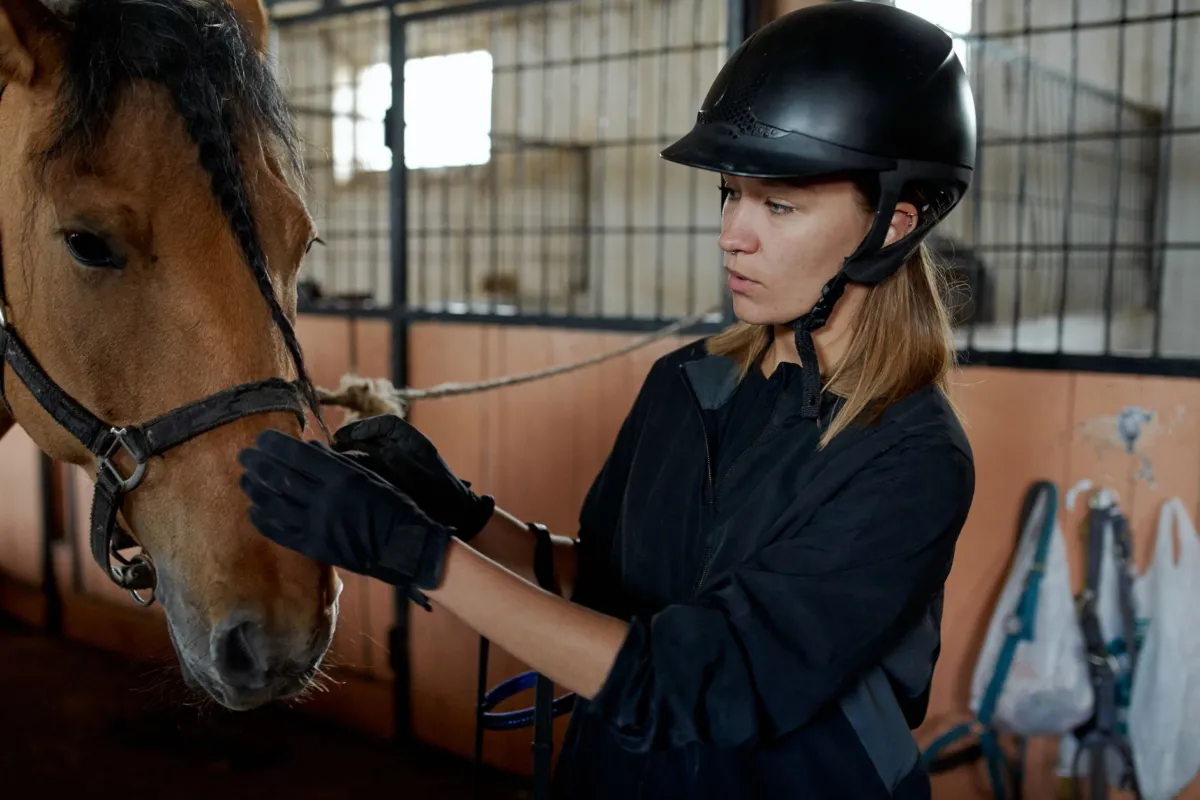
- Secure Your Horse: Use a halter and lead rope to tie your horse safely. Ensure that the knot is secure but easy to untie in case of an emergency.
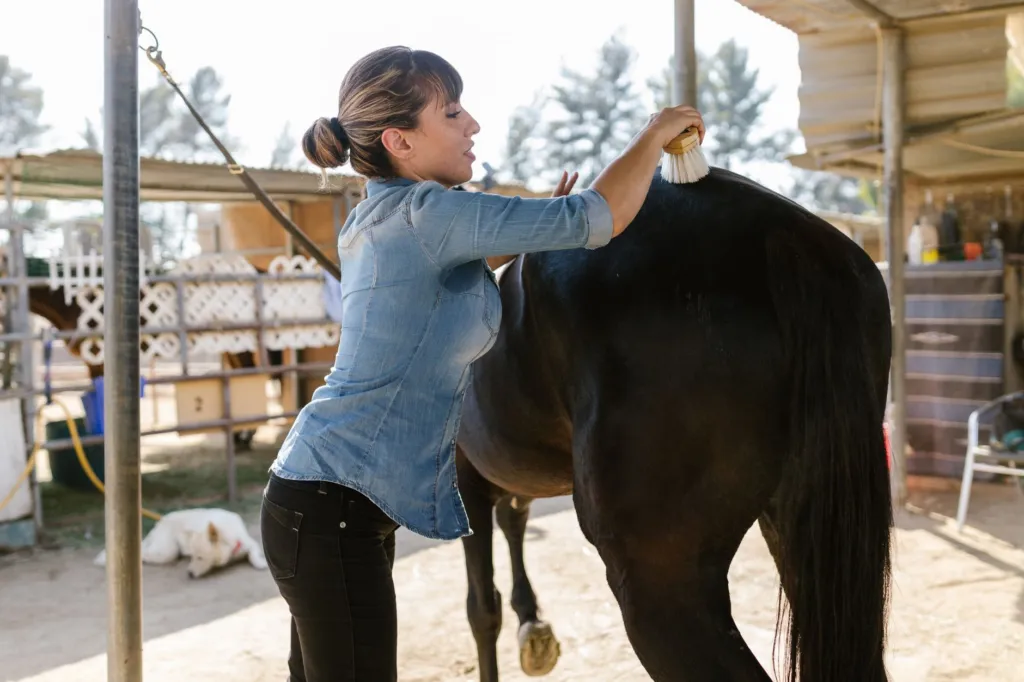
- Start with the Body: Begin grooming at the neck and work your way down to the hindquarters. Use the currie brush to loosen dirt and debris, followed by a soft brush for polishing.
- Groom the Legs: Pay attention to the legs and lower body, using a soft brush to avoid injury. Check for any cuts or swelling.
- Clean the Hooves: Use a hoof pick to carefully clean each hoof. Check for any signs of thrush or other issues.
- Finish with the Mane and Tail: Use a comb or detangler to gently work out knots in the mane and tail.
By following these steps, you not only keep your horse looking its best but also strengthen your bond through regular interaction.
Signs of Health Issues During Grooming
While grooming, it is essential to be vigilant for any signs of health issues. Here are some common signs to look for:
- Unusual Sensitivity: If your horse flinches or moves away when you touch a specific area, it may indicate pain or discomfort.
- Skin Irritations: Look for signs of redness, swelling, or lesions on the skin that could indicate infections or parasites.
- Abnormal Hoof Condition: Cracked or overly dry hooves can signal nutritional deficiencies or other health problems.
- Weight Changes: Significant weight loss or gain can be a sign of underlying health issues. Always consult your veterinarian if you notice changes.
If you observe any of these signs, consult a veterinarian for further evaluation. Early detection can make a significant difference in treatment.
Seasonal Grooming Considerations
Grooming needs can vary depending on the season. Here’s what to keep in mind for each season:
Spring
As winter coats begin to shed, you may notice an increase in loose hair. Regular grooming helps manage shedding and keeps your horse comfortable. It’s also a good time for a thorough check for parasites, as they become more active in warmer weather.
Summer
During the summer, fly sprays and other protective measures become essential. The heat can also cause your horse to sweat more, so regular grooming helps keep its coat clean and healthy. Pay attention to hydration and provide plenty of shade during hot days.
Fall
As temperatures drop, consider grooming more frequently to help your horse transition to its winter coat. This is also an excellent time for hoof care, as wet conditions can lead to thrush or other hoof issues.
Winter
Winter grooming may require different tools, such as a thicker brush for the winter coat. Regular grooming helps keep your horse warm by distributing natural oils in the coat. Be mindful of frozen mud and ice, as these can damage your horse’s skin and hooves.
| Season | Grooming Focus | Additional Care |
|---|---|---|
| Spring | Manage shedding, check for parasites | Increase hydration and check for any skin issues |
| Summer | Fly prevention, manage sweat | Provide shade and monitor water intake |
| Fall | Transition to winter coat, hoof care | Prepare for colder temperatures |
| Winter | Distribute oils in coat, keep clean | Be cautious of ice and provide shelter |
Common Grooming Mistakes to Avoid
Even experienced horse owners can make mistakes during grooming. Here are some common pitfalls to watch out for:
- Rushing the Process: Grooming should be a calm and enjoyable experience. Take your time to ensure thorough cleaning and check for any health issues.
- Ignoring Sensitive Areas: Certain areas, like the belly and face, may require extra care. Always use gentler techniques in these regions.
- Neglecting Hoof Care: Hoof care is a critical aspect of grooming. Regularly clean and check your horse’s hooves to prevent issues.
- Using Dirty Tools: Always clean your grooming tools after each session to prevent the spread of bacteria and infection.
By avoiding these mistakes, you ensure a safer and more effective grooming experience for your horse.
Understanding Your Horse’s Skin and Coat Health
Identifying Skin Issues
Just like humans, horses can experience a variety of skin issues that may require attention. Common problems include dermatitis, fungal infections, and parasites like mites and lice. Regularly inspecting your horse’s skin can help you identify these issues early. Look for symptoms such as redness, swelling, hair loss, or unusual bumps.
To conduct a thorough skin assessment, follow these steps:
- Run your hands over your horse’s body, feeling for any lumps or bumps.
- Check areas where sweat tends to accumulate, such as under the saddle and girth.
- Look closely at the mane and tail for signs of irritation or infestation.
When you identify any unusual conditions, consult a veterinarian for a proper diagnosis and treatment plan.
Maintaining a Healthy Coat
A horse’s coat is often a reflection of its overall health. A shiny, well-groomed coat indicates good nutrition and care. To promote a healthy coat, ensure your horse receives a balanced diet rich in vitamins and minerals. Omega-3 fatty acids, found in flaxseed or fish oil, can significantly enhance coat quality.
Additionally, hydration plays a crucial role in skin and coat health. Make sure your horse has constant access to clean water. Regular grooming not only removes dirt and debris but also stimulates natural oils in the skin, contributing to a shiny coat.
Equine Behavior and Grooming
Understanding Grooming as a Bonding Activity
Grooming is more than just a hygiene practice; it is an essential bonding experience between you and your horse. Horses are social animals, and they often enjoy the companionship that grooming provides. Taking the time to groom your horse can strengthen your relationship and help build trust.
To maximize the bonding experience during grooming, try the following techniques:
- Speak softly and calmly while you groom.
- Use gentle strokes, taking care not to apply too much pressure.
- Pay attention to your horse’s reactions, if they seem uncomfortable in a certain area, adjust your technique.
By creating a positive grooming environment, you can enhance your horse’s comfort and responsiveness. Over time, your horse may look forward to these sessions.
Recognizing Stress Signals
While grooming can be enjoyable, it is essential to recognize when your horse is stressed or uncomfortable. Horses communicate their feelings through body language, and being attuned to these signals is vital. Signs of stress can include pinned ears, tail swishing, or shifting away from your touch.
If your horse exhibits signs of discomfort, take a step back. Observe what may be causing the stress and consider the following:
- Is your grooming tool too harsh for sensitive areas?
- Are there any injuries or irritations that need addressing?
- Is your horse feeling anxious due to environmental factors, such as loud noises?
By being mindful of your horse’s stress signals, you can ensure a more positive grooming experience.
Advanced Grooming Techniques
Body Clipping and Its Benefits
Body clipping is an advanced grooming technique that involves shaving parts of a horse’s coat. This practice is particularly useful for horses that compete or work hard during colder months, as it helps regulate body temperature. Body clipping can also make grooming easier by reducing the amount of hair and debris that accumulates.
Before you begin body clipping, make sure you have the right tools, including a quality clipper and blades suitable for your horse’s coat type. Additionally, consider the following:
- Choose a warm, dry day to clip your horse.
- Ensure your horse is calm and tied securely.
- Start with small sections to get your horse accustomed to the sound and sensation of the clippers.
Consult with a professional if you’re unsure about how to clip or if you want to achieve a specific style.
Bathing Techniques and Considerations
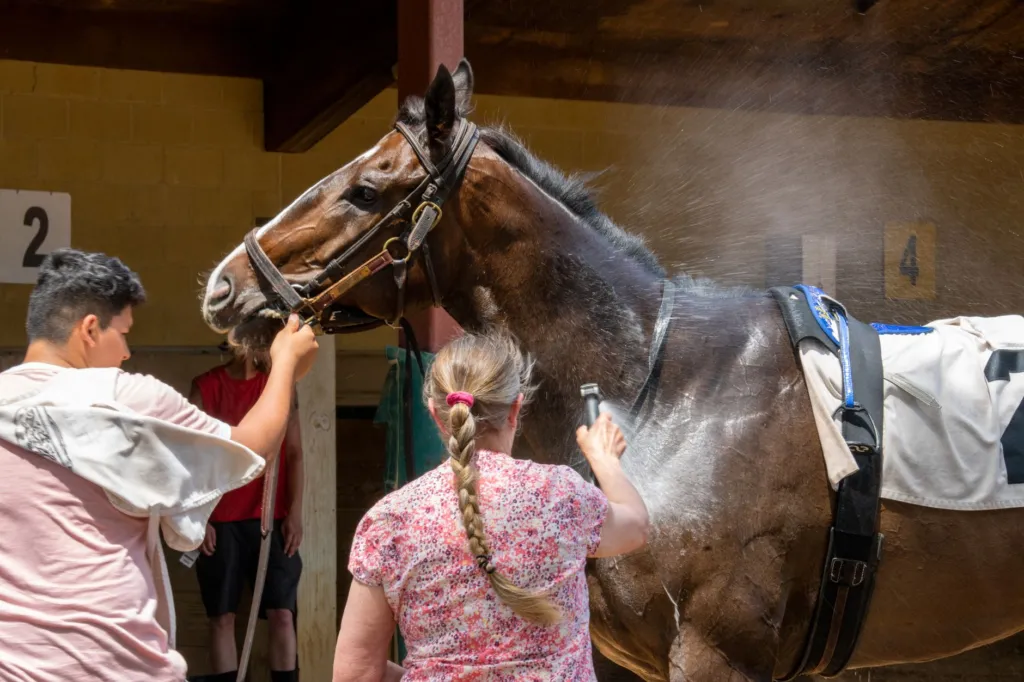
While grooming often involves brushing and combing, occasional bathing is also beneficial. Bathing helps remove dirt, sweat, and oils, especially after strenuous activities. However, it is crucial to use the right products and techniques to avoid skin irritation.
When bathing your horse, follow these steps:
- Use a mild equine shampoo designed for horse skin.
- Wet your horse’s coat thoroughly before applying shampoo.
- Rinse thoroughly to avoid residue buildup, which can lead to skin issues.
- Consider using a cooling rinse in warmer months to help regulate body temperature.
After bathing, allow your horse to dry naturally in a warm, sheltered area to prevent chills. If your horse is particularly dirty, you may need to repeat the process, but always monitor their skin for any signs of irritation or dryness.
Frequently Asked Questions
How often should I groom my horse?
Most horse owners groom their horses at least once a day. However, the frequency may vary depending on the horse’s activity level and environment. Regular grooming helps maintain hygiene and strengthens your bond.
Can I groom my horse in the rain?
Grooming in light rain is generally acceptable, but avoid grooming in heavy rain or muddy conditions. Wet conditions can lead to skin issues and make grooming less effective.
What if my horse doesn’t like grooming?
If your horse shows signs of discomfort during grooming, take a step back. Gradually introduce grooming tools and techniques to help your horse acclimate. Always reward calm behavior to create a positive association.
Is professional grooming necessary?
While professional grooming can be beneficial, especially for show horses or those with special needs, most horse owners can effectively groom their horses at home. Learning the basics is a great start.
The Bottom Line
Grooming is an essential part of horse care that promotes both health and bonding. By understanding the tools, techniques, and routines associated with grooming, you can create a positive experience for your horse. Stay consistent, be observant for any health issues, and enjoy the time spent with your equine friend. With practice and patience, grooming will become a rewarding part of your routine.
Was this article helpful?

Writer at Mad4Pets. Lifelong animal lover who turns research and vet guidance into practical tips for everyday pet parents.