Daily Diet Essentials: What Do Horses Eat Every Day?
Understanding what horses eat every day is crucial for their health. Learn about their dietary needs and daily feeding practices.

Key takeaways
- Horses primarily eat hay and grass.
- Fresh water is essential for daily hydration.
- Grains can be included but should be fed in moderation.
- Consult a veterinarian for specific dietary needs.
Understanding what horses eat every day is essential for their health and well-being. Horses are herbivores, which means their diet mainly consists of plant-based foods. Their digestive systems are uniquely adapted to process high-fiber diets, primarily consisting of forage such as hay and grass. However, a horse’s nutritional needs can vary based on factors such as age, activity level, and health status. This article will explore what horses eat on a daily basis, the types of food they require, and how to ensure they are getting a balanced diet.
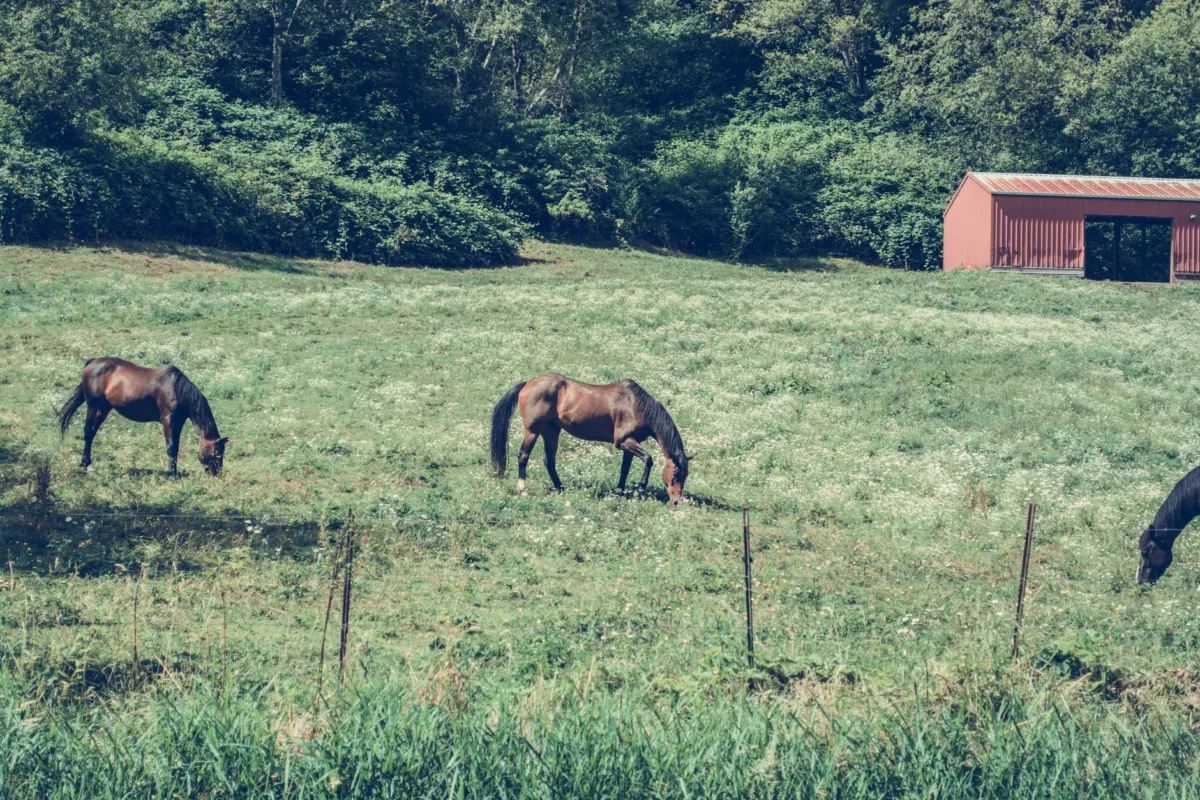
Feeding horses consists of more than just providing the right types of food. It’s also about understanding their feeding habits and how they process food. Horses naturally graze for many hours a day, consuming small amounts of forage frequently. This grazing behavior is crucial for their digestive health. Therefore, as a horse owner, it’s vital to mimic their natural feeding patterns as much as possible.
In this guide, we will break down the daily diet of horses into manageable sections. We will discuss the various components of their diet, the importance of water, the role of supplements, and how to adjust their feeding based on their individual needs.
Understanding Forage: The Foundation of a Horse’s Diet
The primary component of a horse’s diet is forage, which includes hay and grass. Forage is crucial for a horse’s digestive health, providing the necessary fiber that helps maintain a healthy gut.
Horses typically consume about 1.5% to 2.5% of their body weight in forage every day. This means a 1,000-pound horse should eat between 15 to 25 pounds of hay or grass daily. Here’s a breakdown of the types of forage:
- Grass Hay: Common types include timothy, orchard grass, and bluegrass. Grass hay should be free from mold and dust.
- Legume Hay: This includes alfalfa and clover. Legume hays are higher in protein and calcium and are often fed to young, pregnant, or lactating mares.
- Fresh Grass: If available, horses should have access to fresh grass, especially during the growing season. However, be cautious of rich pastures that may lead to digestive issues.
The Role of Fiber in Digestive Health
Fiber is essential for a horse’s digestive system. Horses have a unique gastrointestinal tract that requires a continuous supply of fiber to function correctly. When horses eat forage, it stimulates saliva production and promotes healthy gut motility, which helps prevent colic and other digestive problems.
Without adequate fiber, horses can suffer from various health issues, including:
- Colic: A painful condition caused by gastrointestinal distress.
- Laminitis: An inflammatory condition of the hoof that can be triggered by rich diets.
- Weight gain or loss: An improper balance of nutrients can lead to obesity or malnutrition.
Concentrates: Supplements to Forage
In addition to forage, some horses may require concentrates like grains or commercial feeds to meet their energy needs, especially if they are in heavy work or are growing. Concentrates are usually higher in calories and nutrients compared to forage.
Common types of concentrates include:
- Grains: Oats, barley, and corn are common grains fed to horses. They provide energy but should be given in moderation to avoid digestive upset.
- Commercial Feeds: These are specially formulated feeds that can provide balanced nutrition. They often contain vitamins, minerals, and other additives to support health.
- Pelleted Feeds: These are compressed feeds that can include a mix of grains and forage. They are easy to feed and help reduce waste.
When feeding concentrates, it is essential to follow the manufacturer’s guidelines and consider the horse’s activity level and body condition. Overfeeding grain can lead to serious health issues, including obesity and metabolic disorders.
Feeding Guidelines for Concentrates
Here are some general guidelines for feeding concentrates:
- Start with small amounts and gradually increase to avoid digestive upset.
- Feed concentrates in multiple small meals throughout the day rather than one large meal.
- Always provide hay or forage alongside concentrates to maintain digestive health.

Water: The Most Essential Nutrient
Water is the most critical component of a horse’s diet and is often overlooked. Horses can consume between 5 to 10 gallons of water daily, depending on their size, activity level, and environmental conditions.
Access to clean, fresh water at all times is essential for maintaining hydration and overall health. Dehydration can lead to serious health issues, including colic and kidney problems.
- Ensure water troughs are cleaned regularly to prevent algae growth and contamination.
- In cold weather, provide heated water sources to encourage drinking.
- Monitor water intake closely, especially during hot weather or after exercise.
Supplements: Enhancing Overall Health
Some horses may benefit from dietary supplements to address specific health concerns or nutritional deficiencies. Supplements can include vitamins, minerals, joint support products, and probiotics.
Before introducing any supplements, it is essential to consult with a veterinarian to determine if they are necessary and safe for your horse. Over-supplementation can be harmful and lead to imbalances in their diet.
Common Types of Supplements
- Vitamins and Minerals: These can help fill gaps in nutrition, especially if forage quality is poor.
- Joint Supplements: Often used for older horses or those in heavy training to support joint health.
- Probiotics: These help maintain gut health and can be beneficial during dietary changes.
Feeding Schedule and Daily Routine
Establishing a regular feeding schedule is crucial for horses. It helps them anticipate meal times and maintains their digestive health. Horses thrive on routine, and a consistent schedule can minimize stress.
Here are some tips for creating a feeding routine:
- Feed at the same times each day, spacing out meals to mimic natural grazing patterns.
- Monitor each horse’s condition and adjust feed amounts as necessary.
- Keep track of any changes in appetite or behavior, as these can indicate health issues.
Special Dietary Considerations
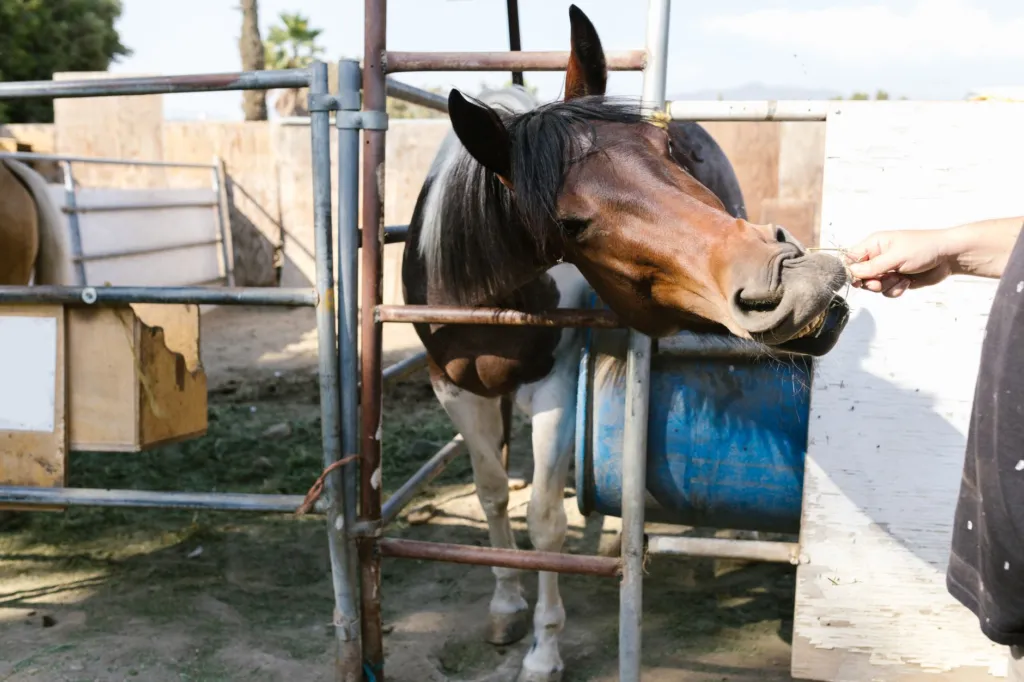
Some horses may have special dietary needs based on their age, health conditions, or activity levels. For instance, young horses, pregnant mares, and senior horses often require diets tailored to their specific needs.
Here are some considerations for different groups:
- Young Horses: Growing foals need higher protein and energy levels for healthy development.
- Pregnant and Lactating Mares: These horses require additional calories and nutrients to support foal development and milk production.
- Senior Horses: Older horses may benefit from softer feeds and additional supplements to support their health.
Fiber Sources Beyond Hay
Types of Fiber Sources
While hay is often the primary source of fiber in a horse’s diet, there are other fiber sources that can complement or replace it. These include grass, alfalfa, and various types of fiber pellets. Each type of fiber source contributes different nutrients and benefits to a horse’s digestive health. For instance, grass hay is typically lower in calories than alfalfa, making it a great option for horses that need to maintain a healthy weight.
Here are some common fiber sources for horses:
- Timothy hay
- Orchard grass hay
- Bermudagrass hay
- Alfalfa hay
- Beet pulp
- Chopped forage
Benefits of Diverse Fiber Sources
Diversifying fiber sources can lead to improved digestive health and overall well-being for horses. Different types of fiber ferment at different rates in the digestive tract, which can help maintain a balanced gut flora. Additionally, offering a variety of fibers can prevent boredom in the diet, which is essential for mental stimulation.
Moreover, certain fibers can provide extra nutrients that may be beneficial in specific situations. For example, beet pulp is high in energy and can be a good choice for horses that need to gain weight or have difficulty chewing hay. Always consider the specific needs of the horse when introducing new fiber sources.
Understanding Nutrient Balancing
The Importance of Nutrient Ratios
Nutrient balancing is crucial in formulating an appropriate diet for horses. Horses require a delicate balance of carbohydrates, proteins, fats, vitamins, and minerals to maintain optimal health. An imbalance can lead to health issues such as colic, laminitis, or deficiencies that affect performance.
To achieve the right nutrient balance, consider the following ratios:
- Carbohydrates should make up approximately 60-70% of the diet.
- Proteins should constitute around 10-15% of the daily intake.
- Fats should be limited to about 5-10% of the diet, primarily from vegetable oils or seeds.
Adjusting Diets for Activity Levels
A horse’s activity level significantly influences its nutritional needs. Horses that engage in high-intensity activities such as racing or jumping require higher energy levels, which can be achieved by adjusting the amounts of concentrates and fats in their diet. Conversely, less active horses may require a reduced caloric intake to prevent obesity.
Tailoring the diet based on the horse’s workload can be accomplished through regular assessments and adjustments. For example, a performance horse may need a higher percentage of concentrates during training seasons, while a pasture horse may thrive on a diet rich in forage.
Managing Feeding Behavior
Understanding Natural Feeding Habits
Horses are natural grazers, and their feeding behavior should ideally mimic their natural instincts. In the wild, horses spend a significant portion of their day foraging for grass and other vegetation. This behavior is critical not only for their physical health but also for their mental well-being.
To replicate this natural behavior in a domestic setting, consider the following strategies:
- Provide hay or forage in slow feeders to encourage longer eating times.
- Allow for frequent, small meals instead of one or two large feedings.
- Incorporate turn-out time to allow for natural grazing.
Recognizing Signs of Feeding Issues
While managing feeding behavior is essential, it is also important to recognize signs of potential feeding issues. Horses may exhibit behavioral changes in response to dietary problems. Look for signs such as excessive chewing, cribbing, or a lack of interest in food, which can indicate underlying issues such as dental problems or digestive discomfort.
Regular veterinary check-ups and dental evaluations are key to identifying and addressing any feeding concerns early. If any unusual behaviors are observed, consulting with a veterinarian can help ensure that the horse’s dietary needs are being met appropriately.
Frequently Asked Questions
What is the best type of hay for horses?
The best type of hay for horses typically depends on their needs. Grass hay is suitable for most horses, while legume hay like alfalfa may benefit those needing higher protein.
How often should I feed my horse?
Horses should be fed multiple times a day, ideally at least twice. This mimics their natural grazing behavior and supports digestive health.
Can horses eat fruits and vegetables?
Yes, horses can eat certain fruits and vegetables as treats. Common options include apples, carrots, and bananas. Always introduce new foods slowly.
How can I tell if my horse is overweight?
To assess if your horse is overweight, check its body condition score (BCS) using a scale from 1 to 9. A score of 5 is ideal, while scores above indicate excess weight.
The Bottom Line
Feeding horses properly is essential for their health and well-being. A balanced diet primarily consisting of forage, supplemented by concentrates and fresh water, ensures they receive the nutrients they need. Always consult with a veterinarian for personalized feeding recommendations based on your horse’s individual needs.
Was this article helpful?

Writer at Mad4Pets. Lifelong animal lover who turns research and vet guidance into practical tips for everyday pet parents.