How to Train a Horse to Accept Grooming with Ease
Learn effective techniques to train a horse to accept grooming, ensuring a positive experience for both you and your equine friend.

Key takeaways
- Building trust is essential for grooming.
- Use positive reinforcement techniques.
- Establish a consistent grooming routine.
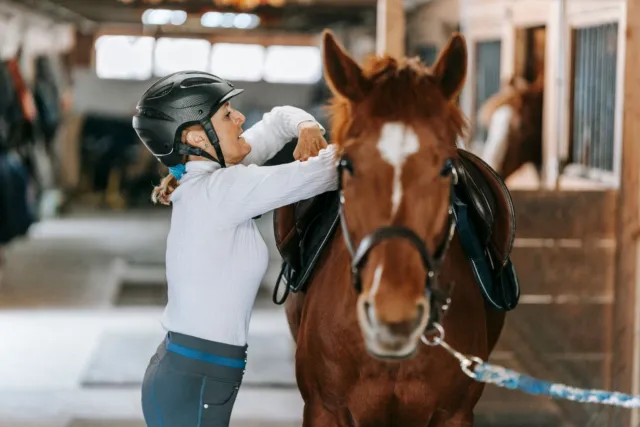
Grooming is not just a routine task; it is an essential part of horse care that fosters a bond between horse and handler. It involves brushing, cleaning, and checking for injuries or skin issues. However, many horses can be apprehensive about being groomed, especially if they are not accustomed to it. This article aims to guide you on how to train a horse to accept grooming, making this experience enjoyable for both you and your equine companion.
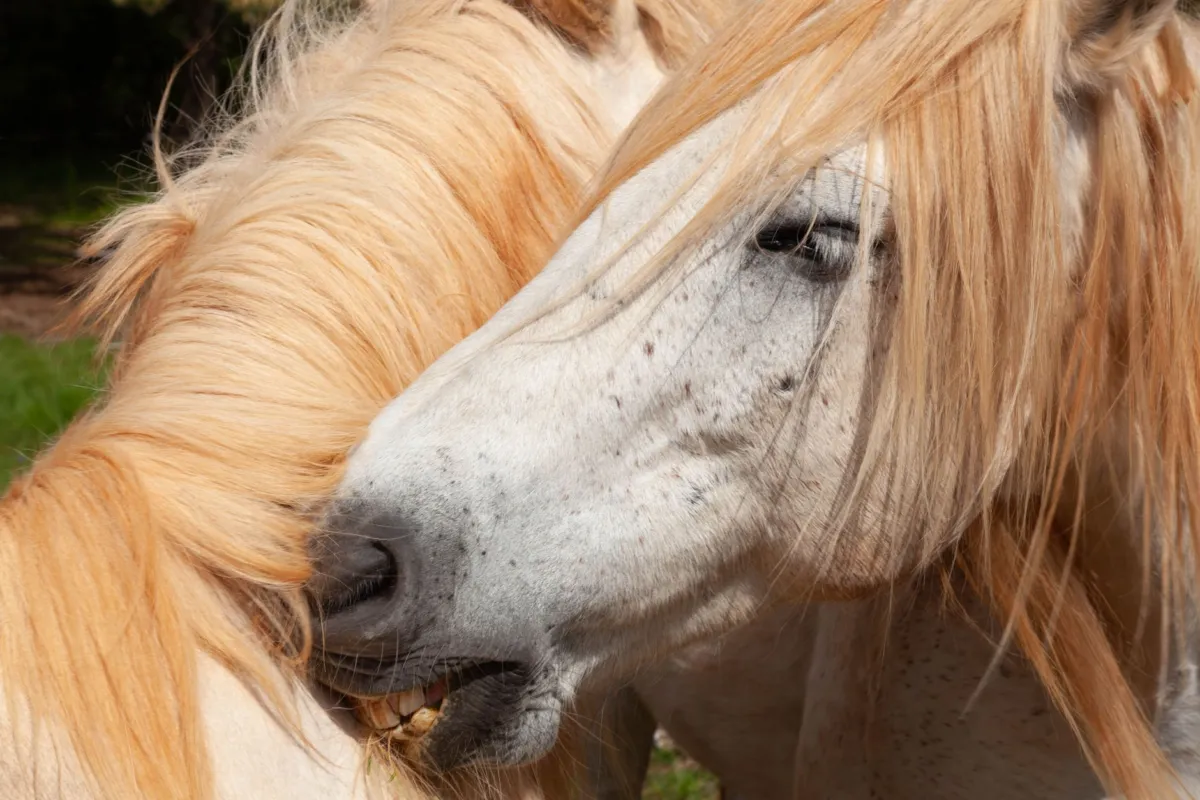
Understanding your horse’s behavior is the first step in this training process. Horses are prey animals, and as such, they may feel vulnerable during grooming. By approaching this task with patience and empathy, you can create a positive association with grooming. Through consistent practice and reinforcement, your horse will learn to trust the grooming process.
Throughout this guide, we will explore various techniques and tips to help you train your horse to accept grooming. From establishing trust to creating a comfortable environment, each step is crucial for successful training.
Understanding Your Horse’s Behavior
Before diving into training techniques, it is essential to understand why a horse may be resistant to grooming. Horses can exhibit a range of behaviors when they feel anxious or uncomfortable, such as moving away, pinning their ears back, or even kicking out. Recognizing these signals is crucial for effective training.
One of the primary reasons horses resist grooming is fear of unfamiliar sensations. A horse that has not been groomed regularly may not be accustomed to brushes, clippers, or even the sensation of being touched in certain areas. Additionally, past negative experiences can lead to a horse developing a distrust of grooming practices.
By identifying these fears, you can tailor your training approach. Start by desensitizing your horse to grooming tools and handling in a calm and controlled manner. This will build their confidence and help them understand that grooming is a safe and beneficial process.
Building Trust with Your Horse
Building trust is the foundation of any training relationship, especially with horses. Trust can be established through consistent and gentle interactions. Spend time with your horse in a calm environment where they feel secure. This can include simply standing near them, talking softly, or offering treats.
- Approach Slowly: Always approach your horse from the side, where they can see you. Sudden movements can startle them.
- Use a Calm Voice: Speak softly to reassure your horse. Your tone can significantly impact their comfort level.
- Offer Treats: Positive reinforcement can go a long way. Treats can help create a positive association with your presence.
Once you establish a rapport, you can begin introducing grooming tools. Allow your horse to sniff and explore the brushes before using them. This will help reduce anxiety and increase their comfort with the grooming process.
Positive Reinforcement Techniques
Positive reinforcement is a powerful tool in training. This method involves rewarding your horse for desired behaviors, encouraging them to repeat those actions in the future. When training your horse to accept grooming, positive reinforcement can be highly effective.
- Start Small: Begin with brief grooming sessions, focusing on one area at a time. Gradually increase the duration as your horse becomes more comfortable.
- Use Treats Wisely: Reward your horse immediately after they display calm behavior during grooming. This creates a strong connection between the action and the reward.
- Be Patient: If your horse shows signs of discomfort, take a step back. Allow them to relax before continuing. Forcing them can reinforce negative behavior.
Keep in mind that every horse is unique, and some may take longer to adjust than others. Be prepared to adapt your approach based on your horse’s individual needs.
Creating a Comfortable Grooming Environment
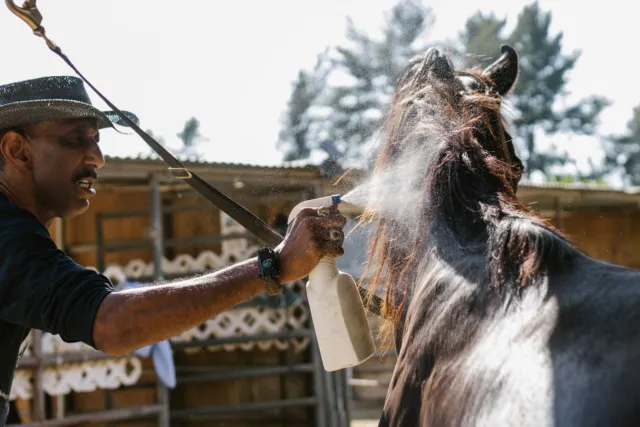
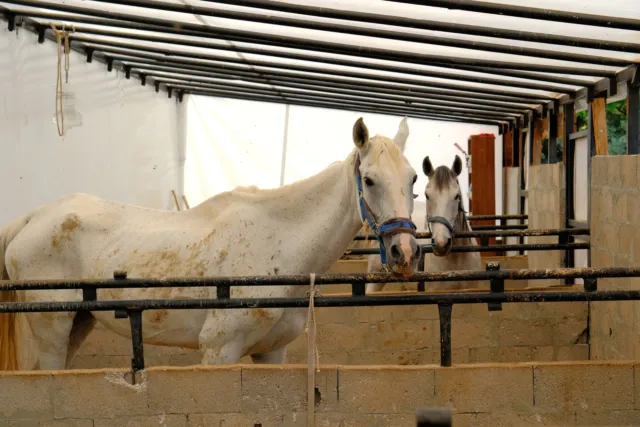
The environment where you groom your horse plays a significant role in their comfort level. A quiet, familiar space can reduce anxiety and help your horse relax. Ensure that the grooming area is free from distractions and loud noises.
- Choose a Familiar Location: Groom your horse in a place they know well, such as their stall or a designated grooming area.
- Use Proper Equipment: Invest in high-quality grooming tools that are gentle on your horse’s skin. Brushes with soft bristles are often more comfortable.
- Consider the Weather: Grooming in a sheltered space during extreme weather conditions can help your horse feel secure and relaxed.
Establishing a consistent grooming routine can also help your horse anticipate and accept grooming sessions. Try to groom at the same time each day, making it a part of their daily schedule.
Grooming Techniques to Use
Employing the right grooming techniques is essential for making the experience enjoyable for your horse. Here are some methods to consider:
| Grooming Tool | Purpose | Technique |
|---|---|---|
| Soft Brush | Removes dust and loose hair | Use gentle strokes in the direction of hair growth |
| Stiff Brush | Removes mud and debris | Use firmer strokes, especially on the legs and body |
| Hoof Pick | Clears dirt and stones from hooves | Gently lift the hoof and clean from heel to toe |
| Combs | Detangles mane and tail | Start at the bottom and work your way up to avoid pulling |
Be mindful of sensitive areas such as the belly and legs, as some horses may be more ticklish or sensitive in these regions. Approach these areas slowly and with care, rewarding your horse for remaining calm.

Handling Specific Concerns
During grooming, you may encounter specific concerns that require special attention. For example, some horses may be particularly sensitive about their ears or legs. Here are some strategies to address these issues:
- Ears: Many horses dislike having their ears touched. To desensitize them, start by gently touching the base of the ear and gradually work your way up as they become more comfortable.
- Legs: If your horse is reluctant to have their legs handled, practice lifting one leg at a time while rewarding them for remaining calm. This can help ease their anxiety.
- Ticklish Areas: If your horse is ticklish, use a softer brush and approach those areas more slowly. Be patient and allow them to adjust to the sensation.
These specific handling techniques will help your horse feel more secure and confident during grooming sessions, ultimately leading to a more positive experience.
Establishing a Routine
Establishing a consistent grooming routine is beneficial for both you and your horse. A routine creates predictability, allowing your horse to anticipate and accept grooming as a normal part of their day. Here are some tips for establishing an effective grooming routine:
- Frequency: Aim to groom your horse at least a few times a week. Regular grooming helps maintain their coat and skin health.
- Timing: Choose a time of day when both you and your horse are relaxed. Avoid times when your horse is likely to be anxious, such as right before feeding or riding.
- Incorporate Variety: Sometimes change up the grooming tools or methods to keep things interesting for your horse. This can help prevent boredom and keep them engaged.
By committing to a grooming routine, you will not only enhance your horse’s comfort but also strengthen the bond between you both.
Understanding Different Grooming Tools
Types of Grooming Tools
When it comes to grooming horses, having the right tools can make a significant difference in the experience for both the horse and the handler. Common grooming tools include curry combs, stiff and soft brushes, hoof picks, and mane combs. Each tool serves a specific purpose, and understanding these can help you choose the right one for your horse’s needs.
- Curry Comb: Used to loosen dirt, mud, and loose hair from the horse’s coat.
- Stiff Brush: Effective for removing dirt and debris from the coat.
- Soft Brush: Ideal for sensitive areas like the face and legs.
- Hoof Pick: Essential for cleaning the hooves and checking for stones or thrush.
- Mane Comb: Useful for detangling the mane and tail.
Selecting the Right Tools for Your Horse
Every horse has unique grooming needs based on their coat type, skin sensitivity, and personal preferences. For example, a horse with a thick winter coat may require more robust tools compared to a horse with a fine summer coat. It’s also important to consider the horse’s temperament; some may prefer softer brushes while others tolerate stiffer tools better. Observing how your horse reacts to different tools can help you make informed decisions.
Another factor to consider is the ergonomic design of grooming tools. Look for tools that are comfortable to hold and easy to maneuver, as this will make the grooming process less tiring for you and more pleasant for your horse. Additionally, always ensure that your tools are clean and well-maintained to avoid causing any discomfort or injury.
Implementing Desensitization Techniques
Gradual Exposure
Desensitization is a key technique in helping your horse become comfortable with grooming. Start by introducing grooming tools to your horse in a non-threatening manner. Allow the horse to sniff and explore the tools before applying them to their body. This gradual exposure helps the horse associate the tools with positive experiences and reduces anxiety.
Begin with short sessions, spending just a few minutes at a time allowing your horse to adjust to the tool. Gradually increase the duration as they become more comfortable. Remember to maintain a calm demeanor and provide reassurance throughout the process.
Using Touch and Pressure
Incorporating touch and varying pressure can help desensitize your horse to the sensation of grooming. Start with gentle strokes using your hands in different areas of the body, gradually increasing to the use of brushes. By varying the pressure and speed, you can help your horse adjust to the different sensations they will feel during grooming.
- Start with light strokes on the neck and shoulders.
- Progress to firmer strokes along the body and legs.
- Use a soft brush on sensitive areas such as the face and belly.
Creating Positive Associations with Grooming
Pairing Grooming with Treats
One effective way to make grooming a positive experience for your horse is to pair it with treats. Offering a small treat before, during, or after grooming sessions can create a positive association in your horse’s mind. Choose healthy treats that your horse enjoys, and be consistent with their use during grooming.
For instance, you could give your horse a treat immediately after they allow you to brush a certain area. Over time, this strategy helps the horse look forward to grooming sessions, reducing resistance and anxiety.
Incorporating Play and Interaction
Making grooming fun can significantly improve your horse’s attitude towards the process. Incorporating playful elements, such as gentle games or interactive time, can help build a positive association with grooming. For example, you might play a light game of tag in the grooming area or incorporate gentle massage into the grooming routine.
- Engage your horse with light touches and playful movements.
- Use grooming time to build rapport through verbal praise and gentle interactions.
- Explore different grooming areas, treating each as a new adventure.
Frequently Asked Questions
How long does it take to train a horse to accept grooming?
The time it takes to train a horse to accept grooming varies widely based on the horse’s temperament and previous experiences. Some horses may adapt quickly, while others may take weeks or even months. Patience and consistency are key.
What should I do if my horse becomes aggressive during grooming?
If your horse displays aggressive behavior, it’s crucial to stop and reassess the situation. Allow them to calm down before attempting to groom again. It may be helpful to consult a professional trainer or behaviorist for guidance.
Can I use any grooming tools on my horse?
Not all grooming tools are suitable for every horse. Choose tools that are designed for equine use, with soft bristles and ergonomic designs to ensure comfort. Avoid using tools that could cause discomfort or injury.
Is it necessary to groom my horse daily?
While daily grooming is not strictly necessary, frequent grooming is beneficial for maintaining your horse’s coat and skin health. Aim for a few times a week to keep your horse clean and comfortable.
The Bottom Line
Training a horse to accept grooming is a vital aspect of equine care that fosters trust and enhances the bond between horse and handler. By understanding your horse’s behavior, building trust, and employing positive reinforcement techniques, you can create a positive grooming experience. Establishing a consistent routine and addressing specific concerns will further improve your horse’s comfort and acceptance of grooming. With patience and dedication, you can help your horse learn to enjoy this essential aspect of their care.
Was this article helpful?

Writer at Mad4Pets. Lifelong animal lover who turns research and vet guidance into practical tips for everyday pet parents.