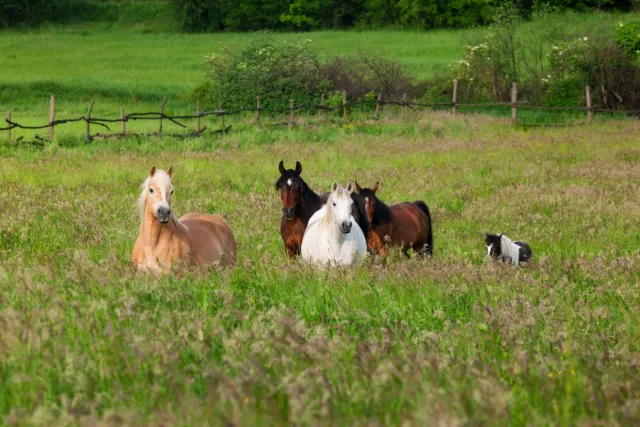
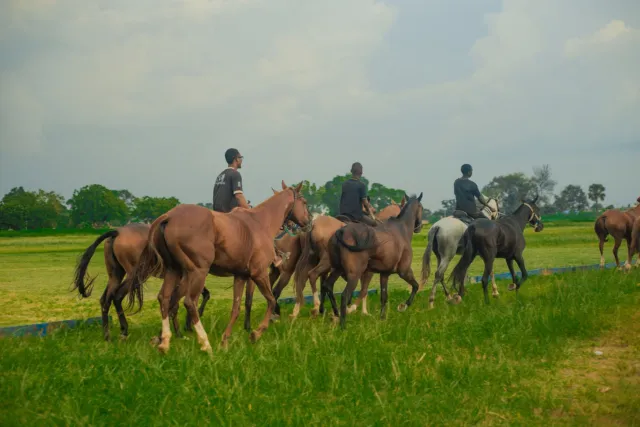
Top 7 Horse Breeds Perfect for Beginners
Discover the best horse breeds for beginners that are friendly, easy to train, and perfect for new horse owners.


Key takeaways
- Gentle temperament is key for beginner horses.
- Consider size and training needs when choosing a breed.
- Some breeds are known for their versatility and ease of care.
Choosing the right horse breed is crucial for beginners. With many options available, it can be overwhelming to select a breed that aligns with your skill level and preferences. Understanding the characteristics of various horse breeds can help you make an informed decision.
Novice riders often seek horses that are gentle, easy to manage, and trainable. This article explores some of the best horse breeds for beginners, highlighting their unique traits, care requirements, and suitability for new owners.
Whether you intend to ride for pleasure, participate in competitions, or simply enjoy the companionship of a horse, the right breed can make all the difference in your experience.
1. American Quarter Horse
The American Quarter Horse is one of the most popular breeds among beginners due to its friendly nature and versatility. Known for their calm demeanor, these horses are easy to train and adapt well to various disciplines, including riding, roping, and showing.
Quarter Horses are also renowned for their agility and speed, particularly in short-distance events. Their compact build and strong hindquarters make them an excellent choice for riders of all sizes.
With a reputation for being good-natured, American Quarter Horses often bond well with their owners, making them ideal companions for novice riders.
2. Arabian Horse
Arabian horses are famed for their endurance and intelligence. They are generally considered to be highly trainable and possess a calm demeanor, which makes them suitable for beginners. Their graceful appearance and spirited personality can be appealing to new horse owners.
These horses require regular exercise and mental stimulation, making them perfect for riders looking for an active partnership. Additionally, Arabians are known for their loyalty and strong bond with their riders, enhancing your experience as a beginner.
While they may require a bit more care in terms of grooming and health monitoring compared to some other breeds, their manageable temperament makes them a popular choice.
3. Paint Horse
Paint Horses stand out with their unique coat patterns and friendly personalities. They are calm, intelligent, and patient, making them excellent for beginners. Paint Horses are versatile and can excel in various riding disciplines, from Western to English riding.
This breed is often described as having a good work ethic, which can be beneficial for new riders who are learning the ropes. Their moderate size and strong build also contribute to their suitability for beginner riders.
Moreover, Paint Horses are social animals that enjoy human interaction, fostering a strong bond with their owners.
4. Tennessee Walking Horse
The Tennessee Walking Horse is well-known for its smooth gait and gentle disposition. This breed is often recommended for beginner riders due to its comfortable riding style and calm nature.
Tennessee Walkers are incredibly versatile and can be used for trail riding, showing, and pleasure riding. Their unique gait, characterized by a four-beat rhythm, provides a smooth ride that is ideal for those new to horseback riding.
Additionally, they are known for their friendly and sociable personalities, making them a joy to work with and ride.
5. Morgan Horse
Morgan Horses are celebrated for their versatility and friendly demeanor. They are often used in various disciplines, including dressage, driving, and trail riding, making them a great match for beginners.
This breed is known for its intelligence and eagerness to please, which aids in training and bonding with new riders. Morgans typically have a compact build, making them easier for beginners to handle.
With their calm temperament and willingness to work, Morgan Horses are an excellent option for those looking to build confidence in their riding skills.
6. Haflinger
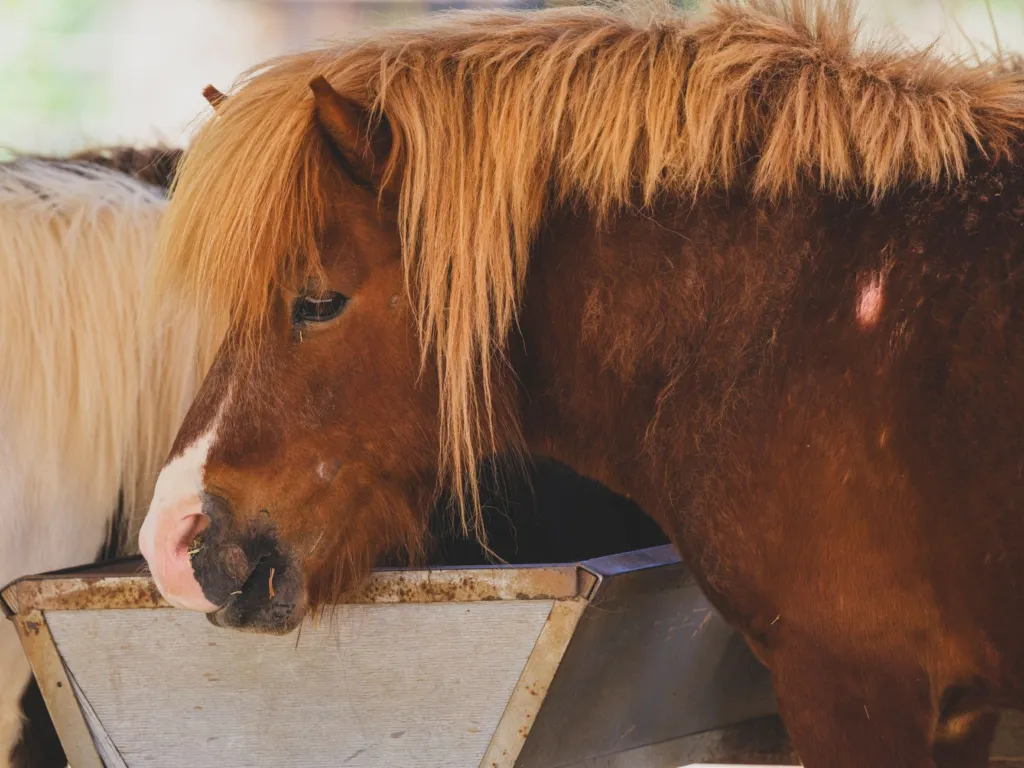
The Haflinger is a small but sturdy breed, making it an excellent choice for beginners, especially children. They are known for their friendly, outgoing nature and are generally very patient and gentle with inexperienced riders.
Haflingers are versatile and can be used for various activities such as trail riding and driving. Their size makes them manageable for novice riders, while their athleticism allows for progression as skills improve.
They are also low-maintenance in terms of health and grooming, which is a bonus for new horse owners.
7. Shetland Pony
For younger riders or those looking for a smaller horse, the Shetland Pony is a fantastic option. These ponies are known for their sturdy build and friendly temperament, making them ideal for children and beginner riders.
Shetland Ponies are intelligent and can be trained easily, though they are also known for their spirited nature. They require consistent handling to maintain good behavior, which can be a great learning experience for young riders.
Their small size and manageable height make them accessible for novice riders, allowing for a fun and safe riding experience.
Care Considerations for Beginners
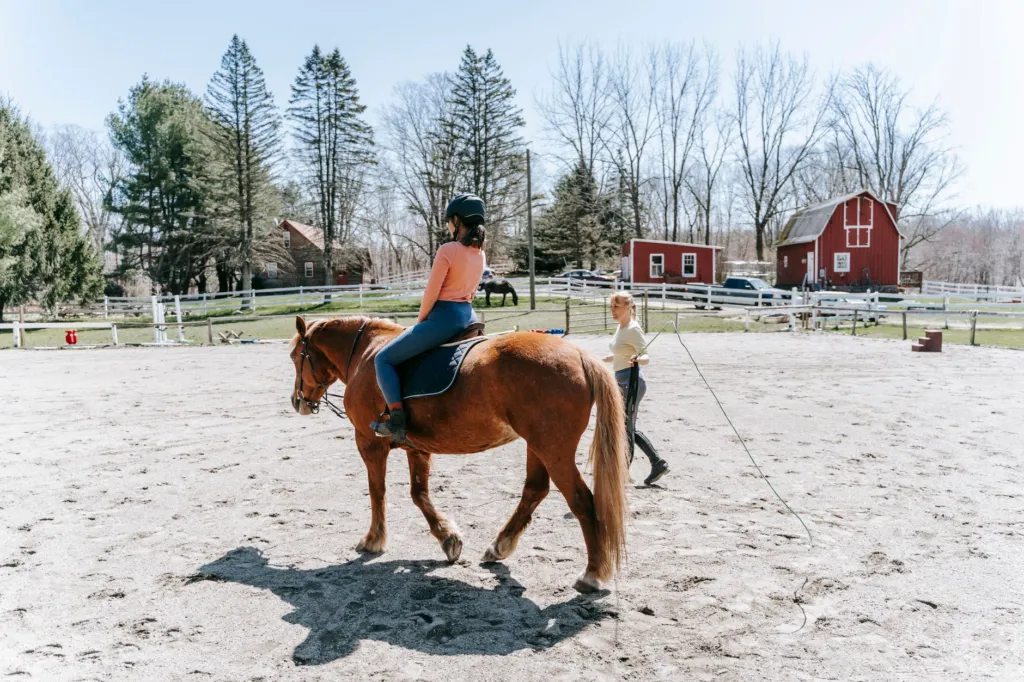
Caring for a horse requires a commitment of time and resources. Here are some essential care considerations for beginners:
- Feeding: Ensure your horse receives a balanced diet, including hay, grains, and fresh water. Consult with a veterinarian or equine nutritionist for specific dietary needs.
- Grooming: Regular grooming is vital for your horse’s health. Brush your horse to keep its coat clean and free of dirt and parasites.
- Exercise: Regular exercise is necessary to keep your horse healthy. Establish a routine that includes riding, lunging, and turnout time.
- Health Monitoring: Regular veterinary check-ups are essential. Keep an eye on your horse’s behavior, appetite, and any signs of illness.
- Social Interaction: Horses are social animals and benefit from companionship. Consider having more than one horse or providing opportunities for socialization.
8. Appaloosa: The Colorful Companion
8.1 History and Characteristics
The Appaloosa is a distinctive breed known for its colorful coat patterns, which can include spots and mottled skin. Originating from the Nez Perce tribe in the Pacific Northwest, these horses were bred for their versatility and endurance. Appaloosas are medium-sized horses, standing between 14.2 to 15.3 hands high, making them suitable for riders of various sizes. Their unique appearance is complemented by a kind and gentle temperament, making them an excellent choice for novice equestrians.
8.2 Temperament and Training
Appaloosas are known for their friendly demeanor and willingness to learn, which is crucial for beginners. They are generally calm and patient, which helps new riders build confidence. Training an Appaloosa can be a rewarding experience, as they are intelligent and eager to please. It’s important to use positive reinforcement methods when training to ensure a trusting relationship with the horse.
8.3 Care Tips for Appaloosas
While Appaloosas are hardy horses, they do require some specific care considerations. Here are essential care tips:
- Regular grooming to maintain their coat and check for skin conditions.
- A balanced diet that includes high-quality hay and grains.
- Regular veterinary check-ups to monitor their health.
- Consistent hoof care, including trimming and shoeing as needed.
9. Clydesdale: The Gentle Giant
9.1 Overview and Size
Clydesdales are one of the most recognizable horse breeds due to their towering size and distinctive feathering on their legs. Typically standing between 16 to 18 hands, they are classified as draft horses. Despite their size, Clydesdales are known for their gentle nature, making them suitable for beginners who might be intimidated by smaller, more energetic breeds. Their calm disposition allows novice riders to feel secure while gaining riding experience.
9.2 Strength and Versatility
Historically bred for heavy farm work, Clydesdales possess immense strength and endurance. While they are often associated with pulling heavy loads, they can also excel in various equestrian disciplines, such as dressage and leisure riding. Their versatility makes them an excellent choice for beginners who may be interested in exploring different riding activities. However, due to their size, it’s essential for new riders to learn the basics of handling larger horses safely.
9.3 Daily Care and Needs
Clydesdales have unique care requirements due to their size and weight. Key considerations include:
- A spacious stable to accommodate their large frame.
- High-quality feed to support their nutritional needs.
- Regular exercise to prevent weight gain and maintain muscle tone.
- Thorough grooming, particularly around the feathering, to prevent dirt accumulation and skin irritations.
10. Fjord Horse: The Adaptable All-Rounder
10.1 Origin and Unique Features
The Fjord horse is a small but powerful breed originating from Norway. Known for its distinctive dun coloring and thick mane, this breed typically stands between 13.1 to 14.3 hands high. Fjords are versatile and are often used in various equestrian disciplines, from dressage to trail riding. Their sturdy build and friendly temperament make them a great choice for beginners looking for a reliable mount.
10.2 Personality and Riding Style
Fjords are known for their calm and cooperative nature, which makes them easy to train for novice riders. They are intelligent and responsive, allowing for a positive riding experience. Their smooth gait and balanced movement provide comfort for riders, making them suitable for longer rides. Beginners will appreciate their patience and willingness to work, which helps build confidence in new equestrians.
10.3 Essential Care for Fjord Horses
Fjord horses require specific care to ensure they stay healthy and happy. Here are some essential care tips:
- Regular hoof care to maintain their health and prevent lameness.
- A balanced diet rich in vitamins and minerals.
- Access to pasture or regular exercise to keep them fit.
- Consistent grooming to keep their coat in good condition and check for skin issues.
Welsh Pony: The Versatile Companion
Size and Temperament
The Welsh Pony is known for its compact size and friendly demeanor, making it an excellent choice for beginners. Standing between 12 to 14.2 hands high, they are manageable for riders of all ages. Their playful and spirited nature encourages a bond with their owners while remaining gentle and easy to handle.
Training and Riding Styles
Welsh Ponies are versatile and can excel in various riding disciplines, including dressage, jumping, and even driving. Their intelligence and eagerness to please make them quick learners, which is a significant advantage for novice riders. Regular training sessions and positive reinforcement are effective methods to help them develop their skills.
- Dressage
- Jumping
- Trail Riding
Health and Maintenance
Welsh Ponies are generally hardy and require basic care that includes regular hoof trimming, vaccinations, and dental check-ups. Their thick coats may require grooming, especially during shedding season. Maintaining a balanced diet and ensuring they have access to fresh water is essential for their overall health.
Arabian Warmblood: A Smooth Transition
Characteristics and Attributes
The Arabian Warmblood is a cross between Arabian horses and Warmbloods, offering the best of both breeds. They are known for their athleticism, intelligence, and calm disposition, making them an excellent choice for beginners looking for a reliable mount. They typically stand between 15 to 16.2 hands and possess a strong build that supports various activities.
Learning to Ride
Due to their trainable nature, Arabian Warmbloods are ideal for beginners who are just starting their riding journey. They respond well to consistent training and patience from their riders. Lessons focusing on balance, rhythm, and communication are crucial for beginners to develop their riding skills effectively.
- Dressage Basics
- Jumping Techniques
- Groundwork Exercises
Socialization and Care
Socializing an Arabian Warmblood with other horses can enhance their temperament and reduce stress. They thrive in environments where they can interact with other equines. Regular grooming and health check-ups are vital to keep them in optimal condition.
Mustang: A Spirit of Freedom
Understanding the Mustang
Mustangs are wild horses that have adapted to various environments, making them incredibly resilient. Their natural intelligence and strong instincts can make them a good challenge for beginners willing to learn. With their stocky build and height ranging from 14 to 15.2 hands, they are well-suited for a range of activities.
Training Challenges
While Mustangs can be trained successfully, they may require more patience and understanding than other breeds. Establishing trust is crucial, and beginners should work with experienced trainers to guide them through this process. Focus on groundwork and building a solid foundation before moving to riding.
- Establishing Trust
- Groundwork Principles
- Basic Riding Skills
Living Conditions
Mustangs are used to living in herds, so providing them with social interactions is essential. They require sufficient space to roam and graze, as well as shelter from harsh weather. Regular health care and monitoring will help ensure they thrive in a domestic setting.
Frequently Asked Questions
What should I look for in a beginner horse?
When choosing a horse as a beginner, look for a breed known for its gentle temperament, trainability, and rider-friendly characteristics. Age, size, and previous training also play important roles in your decision.
How much experience do I need to own a horse?
While having some experience with horses is beneficial, many beginner-friendly breeds can be suitable for first-time owners. Consider taking riding lessons and working with a trainer to build your skills.
Can I ride a horse if I am a beginner?
Yes, beginners can ride horses, especially those breeds that are known for their calm and gentle nature. It’s essential to start with a well-trained horse and possibly work with an instructor.
What are the costs associated with horse ownership?
The costs of horse ownership can vary greatly and include initial purchase price, feed, veterinary care, boarding, and equipment. Budgeting for these expenses is crucial before acquiring a horse.
The Bottom Line
Choosing the best horse breeds for beginners can enhance your riding experience significantly. Breeds like the American Quarter Horse, Arabian, and Paint Horse offer friendly dispositions and trainability. Understanding the specific needs and characteristics of these breeds will help ensure a rewarding journey into the world of horseback riding.
Was this article helpful?

Writer at Mad4Pets. Lifelong animal lover who turns research and vet guidance into practical tips for everyday pet parents.