Top Aquarium Plants for Beginner Fish Keepers
Discover the best aquarium plants for beginners to create a thriving underwater environment that enhances the beauty and health of your fish tank.

Key takeaways
- Easy-to-care-for plants improve water quality.
- Live plants provide hiding spots for fish.
- Choose low-light plants for beginner aquarists.
- Regular maintenance keeps your aquarium healthy.
Setting up an aquarium can be an exciting journey for beginner fish keepers. One essential aspect of creating a thriving tank is selecting the right plants. The best aquarium plants for beginners not only enhance the aesthetics of your underwater world but also contribute to a healthier environment for your fish.
Live plants help improve water quality by absorbing toxins and releasing oxygen. They also provide hiding spots and breeding grounds for fish, making your aquarium a more natural habitat. This guide will explore various easy-to-care-for plants that can flourish in beginner aquariums.
Benefits of Aquarium Plants
Incorporating plants into your aquarium comes with numerous benefits. Understanding these advantages can help you appreciate their role in your tank.
Water Quality Improvement: Live plants play a crucial role in maintaining water quality. They absorb harmful substances such as ammonia, nitrites, and nitrates, which can be toxic to fish. This natural filtration process helps create a more stable environment.
Oxygen Production: Through photosynthesis, aquarium plants release oxygen into the water. This is essential for the survival of fish and other aquatic life. A well-planted aquarium can significantly enhance the overall oxygen levels in the tank.
Habitat Enrichment: Plants provide hiding spots and shelter for fish, which can reduce stress and aggression. They create a more natural environment, allowing fish to exhibit their natural behaviors, such as foraging and nesting.
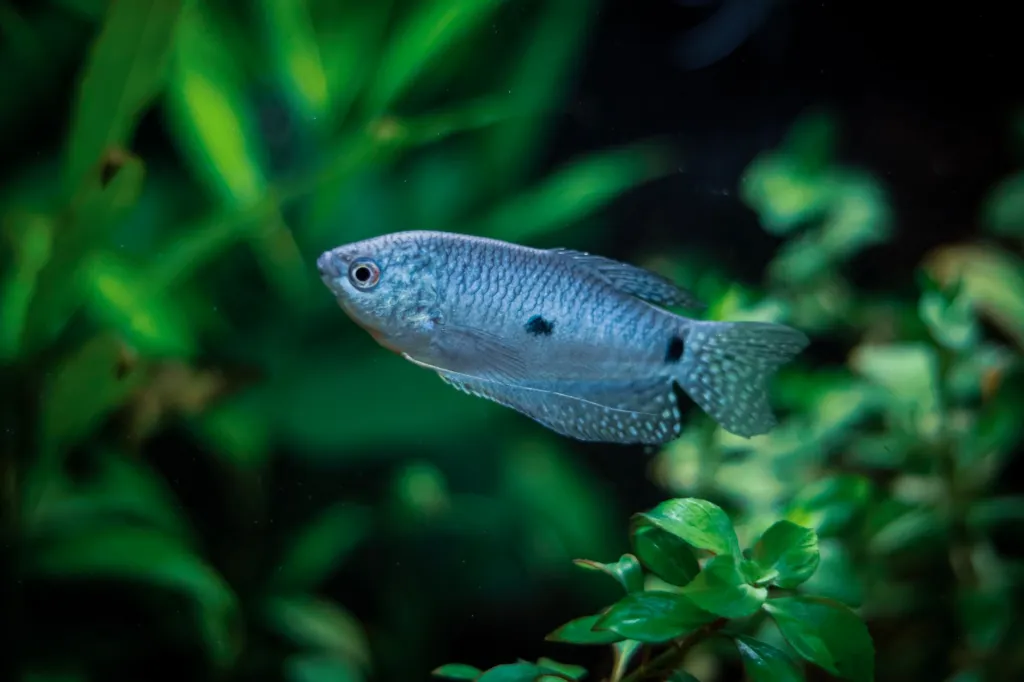
Top Aquarium Plants for Beginners
Here are some of the best aquarium plants for beginners, each known for their hardiness and minimal care requirements.
- Java Fern: A popular choice for beginners due to its adaptability. It thrives in a variety of lighting conditions and can be attached to rocks or driftwood.
- Anubias: Known for its thick leaves and robustness, Anubias does well in low light. It can also be attached to decorations and requires minimal maintenance.
- Amazon Sword: This plant grows tall and provides excellent coverage. It prefers a nutrient-rich substrate but is generally easy to care for.
- Cryptocoryne: With various species available, Cryptocoryne can thrive in low light and adapt to a range of water conditions. It’s perfect for beginners.
- Hornwort: This floating plant offers excellent oxygenation and can grow rapidly, making it a great choice for controlling algae.
Java Fern
Java Fern is a versatile plant that can thrive in various conditions. It does best when tied to rocks or driftwood rather than planted in substrate. This plant is slow-growing but can live for many years with proper care.
To maintain Java Fern, ensure it receives moderate light. Avoid excessive direct sunlight, as it can lead to algae growth. Regular trimming will keep the plant looking healthy and vibrant.
Anubias
Anubias is another excellent choice for beginner aquarists. It is a slow-growing plant that requires low to moderate lighting. Anubias is often found attached to driftwood, giving your aquarium a natural look.
These plants can tolerate a range of water conditions, making them ideal for beginners. Regularly check for algae growth on the leaves and remove it gently to keep the plant healthy.
Amazon Sword
The Amazon Sword is a classic aquarium plant that adds height to your tank. It requires a nutrient-rich substrate for optimal growth. This plant can thrive in medium to high light, making it suitable for various aquarium setups.
Regular trimming is essential, as the Amazon Sword can grow quite large. Ensure it has enough space to spread out, as it can become a dominant feature in your aquarium.
Cryptocoryne
Cryptocoryne plants are known for their beautiful foliage and adaptability. They thrive in low-light conditions and can tolerate a range of water parameters. This makes them perfect for beginner aquarists.
These plants can grow as small as a few inches or even over a foot in height, depending on the species. Regular water changes and a nutrient-rich substrate will help keep Cryptocoryne thriving.
Hornwort
Hornwort is a fast-growing plant that can float or be anchored in the substrate. It provides excellent oxygenation and helps control algae by absorbing excess nutrients.
This plant prefers moderate to high lighting and can thrive in various water conditions. Regular trimming will keep Hornwort manageable and healthy.

Choosing the Right Substrate
The substrate you choose for your aquarium plays a vital role in the health of your plants. Different plants have varying substrate needs, so understanding these can help you create a thriving ecosystem.
Nutrient-Rich Substrates: Many plants benefit from nutrient-rich substrates that provide essential minerals and nutrients. These can include specialized aquarium soil or a mixture of gravel and organic matter.
Gravel Substrates: While gravel is commonly used, it may not provide the nutrients plants need. If you choose gravel, consider adding root tabs or liquid fertilizers to support plant growth.
Sand Substrates: Sand can be an attractive option for aquascaping. However, it may not hold nutrients as well as other substrates. If you opt for sand, ensure it is fine enough to avoid compacting, which can hinder root growth.

Lighting for Aquarium Plants
Lighting is another crucial factor in the success of your aquarium plants. Understanding the light requirements of your chosen plants can help you provide the best environment for growth.
Low Light Plants: If you select plants like Java Fern or Anubias, you can use low-light LED fixtures. These plants can thrive with as little as 2-4 watts per gallon.
Medium to High Light Plants: For plants like Amazon Sword and Hornwort, aim for 4-8 watts per gallon. This will encourage growth and vibrant colors. Ensure the light is evenly distributed across the tank to prevent shadowing.
Light Duration: Most aquarium plants require 8-12 hours of light daily. Using a timer can help maintain a consistent light schedule, promoting healthy growth and minimizing algae growth.
Maintenance Tips for Aquarium Plants
Regular maintenance is essential for keeping your aquarium plants healthy and vibrant. Here are some tips to ensure your plants thrive:
- Trimming: Regularly trim your plants to remove dead or yellowing leaves. This encourages new growth and keeps your aquarium looking tidy.
- Water Changes: Perform regular water changes to maintain water quality. This helps remove excess nutrients and detritus that can harm plant health.
- Fertilization: Depending on your substrate and plant type, consider using liquid fertilizers or root tabs to provide essential nutrients.
- Algae Control: Monitor for algae growth and address it promptly. This can involve adjusting light duration, reducing feeding, or adding algae eaters.
Understanding Plant Growth Requirements
To successfully cultivate aquarium plants, it is crucial to understand their growth requirements. Different species of plants have varying needs in terms of light, nutrients, and water conditions. Familiarizing yourself with these requirements will ensure that your plants not only survive but thrive in your aquarium environment.
Light Requirements
Light is one of the most critical factors for plant growth in an aquarium. While some plants can flourish in low-light conditions, others may require intense lighting to thrive. Typically, low-light plants like Anubias and Java Fern can grow adequately with 1-2 watts per gallon of water, while high-light plants such as Ludwigia and Bacopa may need 3-5 watts per gallon.
- Low-light plants: Anubias, Java Fern, Cryptocoryne
- Medium-light plants: Hornwort, Amazon Sword
- High-light plants: Ludwigia, Bacopa, Rotala
In addition to the intensity, the duration of light exposure is also important. Most aquatic plants thrive when they receive 10-12 hours of light per day. It’s advisable to use a timer for your aquarium lights to maintain a consistent light cycle. This helps prevent algae growth, which can thrive in conditions where light is excessive or inconsistent.
Nutrient Needs
Besides light, plants require essential nutrients to grow. These can be categorized into macronutrients and micronutrients. Macronutrients include nitrogen, phosphorus, and potassium, while micronutrients include iron, manganese, and zinc. Beginners may find it beneficial to use a comprehensive liquid fertilizer designed for aquarium plants, as it simplifies the fertilization process.
- Macronutrients:
- Nitrogen: Supports leaf growth.
- Phosphorus: Important for root development.
- Potassium: Enhances overall plant health.
- Micronutrients:
- Iron: Essential for chlorophyll production.
- Manganese: Aids in photosynthesis.
- Zinc: Plays a role in enzyme function.
Monitoring nutrient levels can be done using test kits available at pet stores. Regular water changes and the addition of fertilizers can help maintain a balanced nutrient profile in your aquarium.
Water Conditions
The quality of water in your aquarium significantly impacts plant health. Different plants thrive in various pH levels and water hardness. For instance, most aquatic plants prefer a pH range of 6.5 to 7.5. Researching the specific pH and hardness preferences of the plants you choose is essential for their success.
- Ideal pH levels for common plants:
- Amazon Sword: 6.5 – 7.5
- Java Fern: 6.0 – 7.5
- Cryptocoryne: 6.0 – 7.5
- Water hardness:
- Soft water (0-5 dGH): Ideal for most tropical plants.
- Hard water (10+ dGH): Suitable for plants like Anubias and Vallisneria.
Regularly testing your aquarium water can help you maintain the right conditions for your plants. This is especially important if you have a community tank where different species may have varying preferences.
Integrating Fish and Plants
One of the most rewarding aspects of aquarium keeping is creating a harmonious environment where fish and plants coexist. Understanding how to integrate fish with plants can enhance both the aesthetic appeal of your aquarium and the well-being of its inhabitants.
Choosing Compatible Species
When selecting fish for a planted aquarium, it is essential to choose species that are compatible with live plants. Some fish, like goldfish and certain cichlids, may uproot or consume plants, while others, such as tetras and guppies, are generally more plant-friendly. Researching the behavior of potential fish species can help you avoid conflicts.
- Plant-friendly fish:
- Neon Tetra
- Guppy
- Betta (with care)
- Fish that may disrupt plants:
- Goldfish
- Cichlids
- Silver Dollar
Choosing the right fish is crucial for maintaining a thriving planted aquarium. It’s also wise to consider the swimming habits of fish. For example, species that tend to stay near the bottom of the tank may not disturb tall, leafy plants, while mid-water swimmers might not pose any threat at all.
Creating a Balanced Ecosystem
Establishing a balanced ecosystem is key to the health of both plants and fish. Live plants can help maintain water quality by absorbing excess nutrients and providing oxygen. Conversely, fish contribute to the nutrient cycle through waste, which can benefit plant growth.
- Tips for balancing your ecosystem:
- Utilize a mix of fast-growing and slow-growing plants.
- Monitor fish population to avoid overstocking.
- Implement regular water changes to maintain quality.
Creating an equilibrium between fish and plants requires careful planning. Regular monitoring of water conditions, fish behavior, and plant health can lead to a thriving aquarium environment.
Fish Behavior and Plant Interactions
Understanding how fish interact with plants can help you anticipate potential issues. Some fish may nibble on plants out of curiosity or even boredom. Providing plenty of hiding spots and decorations can help minimize this behavior. Additionally, introducing plant varieties with tougher leaves, like Anubias, can deter fish from munching.
- Factors influencing fish behavior:
- Tank size: Larger tanks provide more space for both plants and fish.
- Plant density: A well-planted tank may reduce plant nibbling.
- Feeding schedule: Regular feeding may keep fish satisfied and less likely to bother plants.
By understanding fish behavior, you can create a more harmonious environment where plants and fish can coexist peacefully.
Pest Management in Planted Aquariums
Maintaining a planted aquarium comes with its challenges, including potential pest infestations. Recognizing common pests and managing them effectively is crucial for preserving the health of your plants.
Identifying Common Pests
Common pests in planted aquariums include algae, snails, and certain insects. Algae can be unsightly and may indicate an imbalance in light or nutrient levels. Snails, while not always harmful, can reproduce quickly and may consume plants. Insects like aphids or plant mites can also pose a threat to plant health.
- Common pests:
- Green algae
- Snails (e.g., Malaysian Trumpet Snails)
- Aphids
Identifying these pests early can help you implement control measures before they cause significant damage to your aquarium ecosystem.
Control and Prevention Strategies
Effective pest management involves both prevention and control strategies. Regular maintenance, including water changes and trimming plants, can help minimize pest populations. For algae, consider adjusting your lighting schedule and reducing nutrient input. Manual removal of pests like snails can also be effective.
- Prevention strategies:
- Limit overfeeding fish to reduce nutrient waste.
- Introduce shrimp or certain fish species that consume algae.
- Regularly inspect plants before introducing them to the aquarium.
Implementing these strategies will help keep your planted aquarium healthy and vibrant, reducing the likelihood of pest infestations.
When to Seek Professional Help
If you find that your pest issues are becoming unmanageable, it may be time to seek professional assistance. Local aquarium stores often provide resources or services for pest management. Additionally, connecting with online communities can offer valuable advice and support.
- Signs that professional help may be needed:
- Rapid increase in pest populations.
- Severe damage to plants.
- Persistent water quality issues despite regular maintenance.
Maintaining a healthy planted aquarium requires diligence and knowledge. Understanding the challenges and solutions related to pests can help you create a thriving aquatic environment.
Frequently Asked Questions
What are the easiest aquarium plants for beginners?
The easiest aquarium plants for beginners include Java Fern, Anubias, and Hornwort. These plants require minimal care and adapt well to various conditions.
Do aquarium plants need special lighting?
Yes, aquarium plants have different lighting requirements. Low-light plants can thrive with basic LED fixtures, while medium to high-light plants may require more intense lighting.
How often should I fertilize my aquarium plants?
Fertilization frequency depends on your plants and substrate. Generally, using liquid fertilizers every 1-2 weeks or root tabs every 4-6 weeks works well for most plants.
Can aquarium plants survive without CO2 injection?
Yes, many beginner-friendly aquarium plants can thrive without CO2 injection. They can grow well with adequate lighting and nutrient-rich substrates.
The Bottom Line
Choosing the best aquarium plants for beginners is crucial for creating a thriving aquatic environment. By selecting hardy plants, providing the right substrate, and ensuring proper lighting, you can enjoy a beautiful and healthy aquarium. With regular maintenance, your underwater garden will flourish, enhancing the habitat for your fish and enriching your aquarium experience.
Was this article helpful?

Writer at Mad4Pets. Lifelong animal lover who turns research and vet guidance into practical tips for everyday pet parents.