Essential Reptile Lighting for Beginner Owners
Discover the best reptile lighting for beginners to ensure your pet thrives in a well-illuminated environment.

Key takeaways
- Choosing the right lighting is crucial for reptile health.
- Different reptiles have specific UVB and heat requirements.
- Regularly check and maintain your lighting setup.
Choosing the best reptile lighting for beginners is an essential step in creating a healthy environment for your pet. Reptiles are ectothermic, meaning they rely on external sources of heat to regulate their body temperature. Proper lighting not only helps in thermoregulation but also plays a critical role in their overall health and well-being.
In this guide, we will explore various types of lighting suitable for reptiles, including UVB, heat lamps, and more. Understanding these options will help you make informed decisions that cater specifically to the needs of your reptile species.
Whether you are a first-time reptile owner or looking to upgrade your existing setup, this article will provide you with practical advice and clear recommendations.
Understanding Reptile Lighting
Reptiles require a combination of light and heat to thrive. The two primary types of lighting to consider are UVB lighting and heat lighting. Each type serves a unique purpose that is essential for your reptile’s health.
UVB Lighting: Ultraviolet B (UVB) light helps reptiles synthesize vitamin D3, which is crucial for calcium absorption. Without adequate UVB exposure, reptiles can develop metabolic bone disease, a serious health issue.
Heat Lighting: Heat lamps provide the necessary warmth that reptiles need to maintain their body temperature. These lamps help to create a temperature gradient in the enclosure, allowing your pet to move between warm and cooler areas as needed.
Types of Reptile Lights
- Fluorescent UVB Bulbs: These are often used in conjunction with a reflector to maximize UVB exposure. They are energy-efficient and provide a broad spectrum of light.
- Mercury Vapor Bulbs: These bulbs emit both UVB and heat. They are suitable for larger enclosures and provide a good amount of UVB exposure.
- Incandescent Bulbs: Typically used for heat, these bulbs can be combined with other forms of lighting to create a balanced environment.
Choosing the Right Lighting for Your Reptile
When selecting lighting for your reptile, it is important to consider the specific needs of your species. Different reptiles have varying requirements for UVB and heat exposure. Below are some general guidelines based on common reptile types.
Lizards
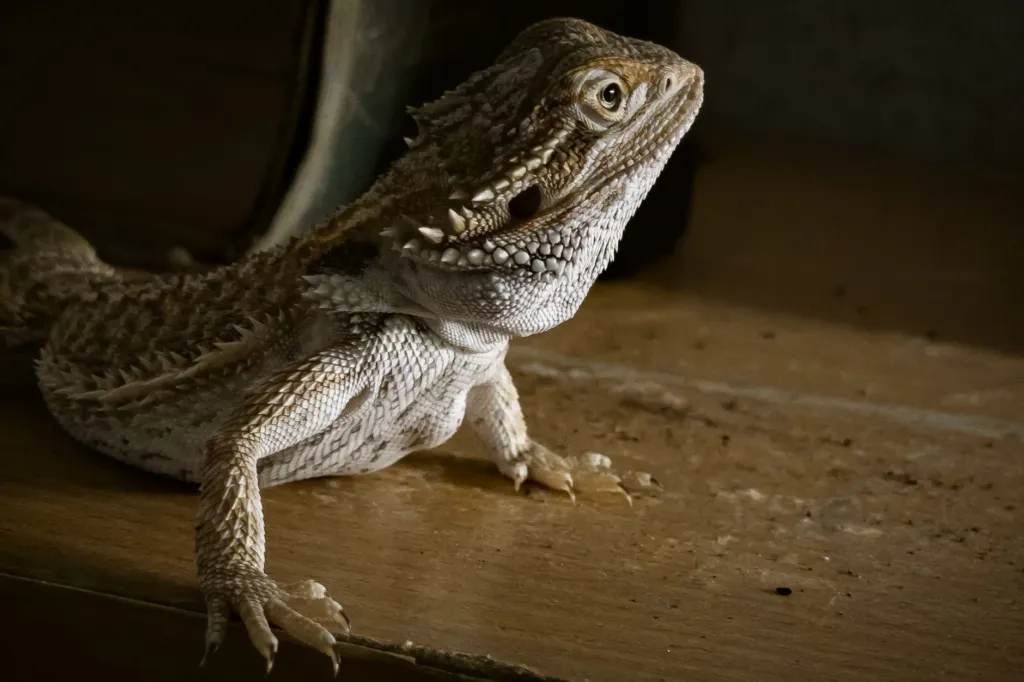
Lizards, such as bearded dragons and leopard geckos, typically require strong UVB lighting. A 10.0 UVB fluorescent bulb is generally recommended for smaller enclosures. For larger setups, consider using a mercury vapor bulb to provide both UVB and heat.
Snakes
Most snakes do not require UVB lighting, but some species, like green tree pythons, may benefit from it. Use a heat lamp to maintain the necessary temperature gradient in the enclosure.
Turtles
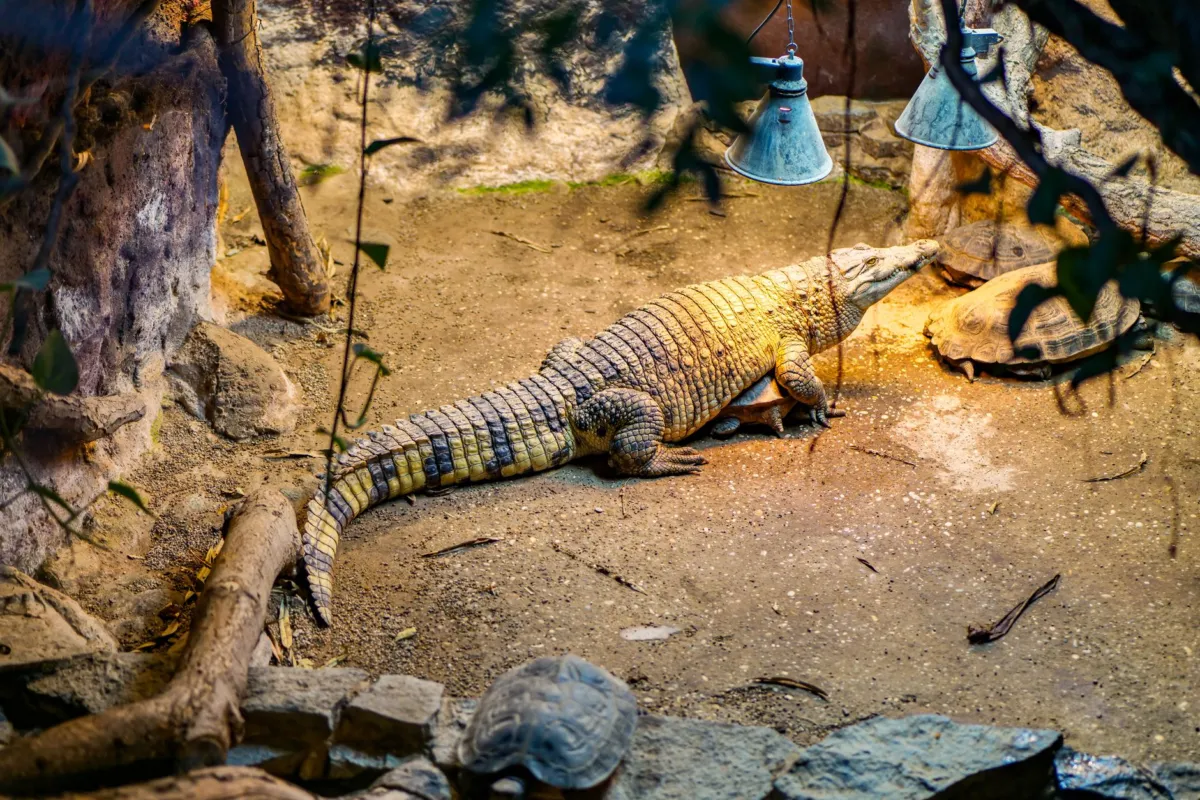
Turtles require both UVB and heat lighting. A combination of a UVB bulb and a basking bulb will create the appropriate environment for them to thrive. Ensure the basking area is warm enough for them to dry off and absorb heat.
Setting Up Your Lighting System
Setting up your lighting system correctly is vital for your reptile’s health. Here are detailed steps to ensure you create an optimal environment.
1. Determine Your Enclosure Size
The size of your enclosure will dictate the type and number of lights you need. Larger enclosures may require multiple light sources to ensure even distribution of heat and UVB exposure.
2. Positioning Your Lights
Place UVB lights at an appropriate distance from your reptile to ensure effective exposure without causing harm. Generally, UVB bulbs should be positioned about 12 to 18 inches away from basking spots. Heat lamps should be placed above the basking area to provide sufficient warmth.
3. Use Timers
To mimic natural day-night cycles, use timers for your lights. Most reptiles benefit from approximately 12 hours of light and 12 hours of darkness each day. This schedule helps regulate their circadian rhythms.
Maintaining Your Lighting Setup
Regular maintenance of your lighting setup is crucial to ensure that your reptiles receive adequate light and heat. Here are some tips on how to maintain your system effectively.
1. Replace Bulbs Regularly
UVB bulbs lose their effectiveness over time, even if they still emit light. Replace fluorescent UVB bulbs every 6 to 12 months, depending on usage. Check manufacturer recommendations for specific replacement timelines.
2. Monitor Temperature and UVB Levels
Use thermometers to monitor the temperatures in your enclosure. It is also advisable to use a UV meter to ensure your reptiles are receiving adequate UVB levels. Adjust your lighting setup as needed to maintain optimal conditions.
3. Clean Light Fixtures
Dust and debris can accumulate on light fixtures, reducing their effectiveness. Regularly clean the bulbs and reflectors to ensure maximum light output. This can be done with a damp cloth and gentle soap, ensuring that the fixtures are unplugged during cleaning.
Common Mistakes to Avoid
When setting up lighting for your reptiles, there are a few common mistakes that beginner owners often make. Being aware of these pitfalls can help you create a better environment for your pets.
1. Insufficient UVB Exposure
One of the most common errors is not providing adequate UVB lighting. Ensure that your reptile has access to a UVB source that is appropriate for its species. Lack of UVB can lead to serious health problems.
2. Incorrect Heat Levels
Failing to create a proper temperature gradient can stress your reptile. Always check the temperature in both the basking area and cooler zones to ensure your pet can thermoregulate effectively.
3. Overheating
Overheating can occur if heat lamps are placed too close to basking areas. Monitor temperatures carefully to prevent burns or stress in your reptile.
[h2>Frequently Asked Questions
What type of lighting is best for a bearded dragon?
Bearded dragons require a combination of UVB lighting and basking heat. A 10.0 UVB fluorescent bulb and a basking lamp are ideal for their habitat.
How often should I replace my UVB bulbs?
UVB bulbs should typically be replaced every 6 to 12 months, even if they still emit light. Check the manufacturer’s guidelines for specific recommendations.
Can I use regular light bulbs for my reptiles?
Regular incandescent bulbs can provide heat but do not emit UVB. It is essential to use specific reptile lighting that offers both heat and UVB where required.
Do reptiles need light at night?
Most reptiles do not require light at night. It is advisable to provide a dark period to mimic natural conditions and promote healthy sleep cycles.
Types of Reptile Lighting
Incandescent Bulbs
Incandescent bulbs are a common choice for reptile owners due to their availability and cost-effectiveness. These bulbs produce a warm light that can help create a basking spot where reptiles can thermoregulate. However, it’s important to note that incandescent bulbs are not designed to emit UVB rays, which are crucial for a reptile’s health, particularly for species like iguanas and chameleons. Therefore, they should be used in conjunction with other types of lighting that provide UVB.
When using incandescent bulbs, consider the following advantages:
- Cost-effective and widely available
- Creates a warm basking area
- Available in various wattages and sizes
However, they also have drawbacks:
- Do not provide UVB light
- Can generate excess heat if not monitored
- Shorter lifespan compared to other lighting options
Fluorescent Bulbs
Fluorescent bulbs, particularly those designed specifically for reptiles, are essential for providing adequate UVB exposure. These bulbs help reptiles synthesize vitamin D3, which is vital for calcium absorption and overall health. Fluorescent lighting is typically available in two main types: T8 and T5, with T5 bulbs being more powerful and providing higher UVB output.
When selecting fluorescent bulbs, consider the following factors:
- Type: T5 bulbs are generally more efficient and provide better UVB output.
- Length: Ensure the bulb is long enough to cover the basking area effectively.
- Replacement frequency: UVB output diminishes over time, so bulbs should be replaced every 6 to 12 months.
LED Lighting
LED lighting has become increasingly popular in the reptile community due to its energy efficiency and longevity. While traditional LEDs do not emit UVB, specialized LED options designed for reptiles are now available. These LEDs can provide both visible light and UVB, making them an excellent choice for reptile habitats.
Benefits of using LED lighting include:
- Energy-efficient with a long lifespan
- Minimal heat output, reducing the risk of overheating
- Wide range of colors and spectrums available
However, it’s essential to ensure that the LED lights you choose specifically mention UVB output to meet your reptile’s needs.
Lighting Schedules and Duration
The Importance of a Lighting Schedule
Establishing a consistent lighting schedule for your reptile is crucial for mimicking their natural habitat. Reptiles rely on light for regulating their circadian rhythms, which affect their feeding, breeding, and overall behavior. An inconsistent light schedule can lead to stress and health issues in reptiles.
Most reptiles benefit from a lighting schedule that includes 10 to 14 hours of light followed by a corresponding dark period. For example, if you provide 12 hours of light, ensure that the lights are turned off for the remaining 12 hours of the day. This cycle not only helps in maintaining their biological clock but also encourages natural behaviors.
Adjusting Light Duration by Season
In the wild, reptiles experience seasonal changes that affect the length and intensity of daylight. As a beginner reptile owner, you can replicate these changes by adjusting the duration of your lighting based on seasonal variations. During the summer months, you might increase the light duration to around 14 hours, while in winter, you can decrease it to about 10 hours.
This seasonal adjustment can have positive effects on your pet’s health and activity levels. Here are some tips to consider:
- Monitor your reptile’s behavior and adjust lighting based on their activity levels.
- Consider using timers for consistent lighting schedules.
- Gradually adjust light duration to avoid shocking your pet’s system.
Understanding Photoperiods
Photoperiod refers to the duration of light in a 24-hour cycle and plays a significant role in a reptile’s health. Different species have different photoperiod needs. For instance, desert reptiles may need longer exposure to bright light, while tropical species may thrive with shorter, yet intense light periods.
To optimize your reptile’s lighting setup, it’s crucial to understand the specific photoperiod requirements for your species. Here are some general guidelines:
- Desert reptiles: 12-14 hours of light per day.
- Tropical reptiles: 10-12 hours of light per day.
- Nocturnal reptiles: Minimal light exposure, primarily during feeding times.
By tailoring the photoperiod to your reptile’s natural habitat, you can promote better health and well-being.
Supplementing with Natural Light
Benefits of Natural Sunlight
Whenever possible, providing your reptiles with exposure to natural sunlight can be incredibly beneficial. Sunlight not only offers a full spectrum of light, including essential UVB rays, but it also can help improve your reptile’s mood and activity levels. Natural sunlight can also help in the synthesis of vitamin D3, which is crucial for calcium metabolism.
Here are some tips for incorporating natural sunlight into your reptile’s routine:
- Place the enclosure near a window that receives direct sunlight.
- Ensure the enclosure is secure to prevent escape or overheating.
- Limit exposure to a few hours to avoid overheating or excessive heat stress.
Screening and UVB Protection
While it is beneficial to provide natural sunlight, it is essential to consider the type of window screens in your home. Many window screens can filter out UVB rays, significantly reducing the benefits your reptile would receive from natural light. If you plan to use natural sunlight, consider using a UVB transparent screen or temporarily removing the screen during daylight hours while supervising your pet.
To ensure your reptile receives adequate UVB exposure, keep the following in mind:
- Use a separate UVB bulb if natural sunlight is limited.
- Monitor the temperature inside the enclosure to prevent overheating.
- Provide shade options within the enclosure for your reptile to retreat from direct sunlight.
Weather Considerations
Weather conditions can greatly affect the amount of natural sunlight available to your reptiles. During winter months or in regions with frequent rain, natural sunlight may be limited. In such cases, it is essential to rely more heavily on artificial lighting that mimics natural light.
Consider these strategies to ensure your reptile still receives adequate light during less sunny days:
- Use a combination of different types of artificial lights to simulate sunlight.
- Increase the duration of artificial light during darker months or seasons.
- Regularly check the health and behavior of your reptile to ensure they are receiving proper light exposure.
Frequently Asked Questions
How do I know if my reptile is getting enough UVB?
You can monitor your reptile's behavior and health. Signs of insufficient UVB include lethargy and lack of appetite. Using a UV meter can also help determine if your lighting setup is providing adequate UVB exposure.
What is the best way to measure the temperature in my reptile's enclosure?
Using multiple thermometers placed in various locations in the enclosure is the best way to measure temperature. This helps you monitor both the basking area and cooler spots for a proper temperature gradient.
Can I use a dimmer switch with my reptile lights?
Using a dimmer switch is not recommended for UVB lights as it can affect the output and exposure levels. It's best to use fixtures designed for specific reptile lighting needs.
How can I tell if my heat lamp is too hot for my reptile?
You can determine if your heat lamp is too hot by regularly checking the temperature in the basking area. If it exceeds the recommended range for your reptile, consider raising the lamp or using a lower wattage bulb.
The Bottom Line
Providing the right lighting for your reptiles is a fundamental aspect of their care. By understanding the types of lighting available and how to set it up properly, you can create a thriving environment for your pets. Regular maintenance and awareness of your reptile’s specific needs will help ensure their health and happiness.
Was this article helpful?

Writer at Mad4Pets. Lifelong animal lover who turns research and vet guidance into practical tips for everyday pet parents.