Best Bird Food for Healthy Birds: Top Choices Explained
Discover the best bird food options for healthy birds, ensuring proper nutrition and well-being for your feathered friends.


Key takeaways
- Quality bird food is essential for health.
- Different birds require different diets.
- Consult a vet for dietary concerns.
- Variety in diet promotes overall well-being.
Understanding Bird Nutrition
Birds, like all pets, require a balanced diet to thrive. Proper nutrition is crucial for their health, longevity, and overall well-being. When choosing the best bird food, it is important to consider the specific dietary needs of your feathered friend.
Birds are not all the same; different species have different nutritional requirements. For instance, a parrot’s diet differs significantly from that of a canary or a finch. Therefore, understanding the unique needs of your bird species is the first step in selecting the right food.
A balanced diet for birds generally includes seeds, pellets, fruits, and vegetables. Each component plays a vital role in providing the necessary nutrients. In this guide, we will explore various types of bird food and how they contribute to a healthy diet.
Types of Bird Food
Bird food can be categorized into several types, each with its own benefits. Here’s a breakdown of the most common types:
- Seeds: Many birds enjoy seeds, which can be a tasty part of their diet. However, they should not be the sole source of nutrition.
- Pellets: These are specially formulated to provide complete nutrition. Pellets can be beneficial as they often contain vitamins and minerals that seeds lack.
- Fresh Fruits and Vegetables: These should be included regularly for added vitamins, minerals, and hydration.
- Grains: Cooked grains like quinoa, brown rice, or oats can also be a nutritious addition.
- Nuts: Nuts provide healthy fats and protein but should be offered in moderation due to their high-fat content.
Seeds: A Staple for Many Birds
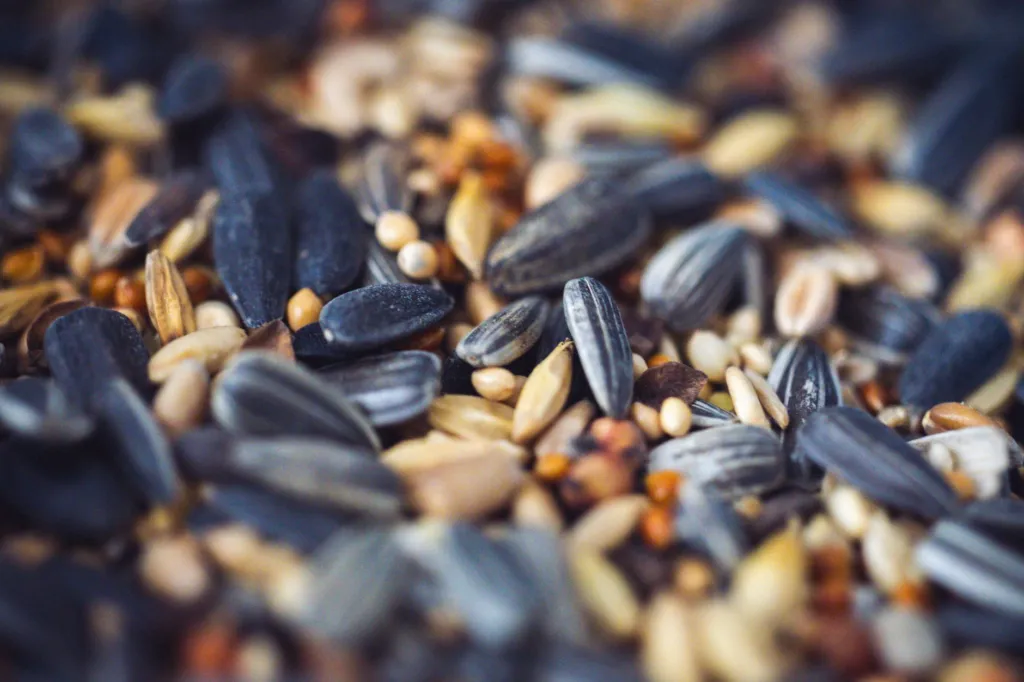
Seeds are often the first choice for many bird owners. They are readily available and come in various mixes tailored for specific types of birds. However, seeds alone do not provide a well-rounded diet. For example, sunflower seeds are loved by many birds but are high in fat and can lead to obesity if fed exclusively.
When selecting a seed mix, look for one that contains a variety of seeds to ensure a balanced intake. Avoid mixes filled with fillers like corn or millet that offer little nutritional value. Additionally, consider your bird’s size and species when choosing a seed mix.
Pellets: A Balanced Choice
Pelleted diets are often recommended by avian veterinarians because they are nutritionally complete. Pellets are designed to provide the essential vitamins and minerals that birds need, making them a convenient option for pet owners.
When introducing pellets to your bird’s diet, it is advisable to do so gradually. Some birds may be hesitant to switch from seeds to pellets. Mixing the two can help ease the transition.
Ensure the pellets are specifically formulated for your bird’s species, as different birds require different nutrient ratios. Read the packaging for feeding instructions and recommendations.
Fresh Fruits and Vegetables
Incorporating fresh fruits and vegetables into your bird’s diet is essential for providing vitamins and hydration. Dark leafy greens, carrots, bell peppers, and berries are excellent choices. These foods can be offered daily, but be sure to wash them thoroughly to remove any pesticides.
Some fruits and vegetables can be harmful to birds, such as avocado and chocolate, so it’s important to do your research or consult with a veterinarian about safe options.
Offering a variety of fresh produce can help prevent boredom and encourage your bird to explore different flavors and textures. Try to rotate the offerings regularly to keep your bird interested.
Special Dietary Needs by Bird Species
Different birds have different dietary requirements based on their species. Here, we break down the dietary needs for some common pet birds:
Parrots
Parrots are known for their intelligence and playful nature. They thrive on a varied diet, including high-quality pellets, seeds, nuts, and plenty of fresh fruits and vegetables. Pellets should make up about 60-70% of their diet, with the rest coming from seeds and fresh produce. Avoid feeding them too many fatty seeds or unhealthy snacks.
Canaries
Canaries primarily eat seeds, especially those high in protein like canary seed and meadow hay. A small amount of fresh vegetables can also be beneficial, but avoid giving them seeds that are too fatty. A balanced canary diet should consist mainly of high-quality seed mixes formulated for canaries.
Finches
Finches enjoy a diet rich in seeds as well, but they also benefit from the addition of greens and some fruits. A good finch mix should include a variety of seeds such as millets, canary seeds, and thistle. Fresh greens can be offered regularly, and they will often enjoy foraging for them.
Homemade Bird Food Options
For pet owners looking to provide their birds with a personalized diet, homemade bird food can be a great option. It allows for complete control over what your bird consumes. Here are some ideas:
- Seed Mixes: Create your own seed mix by combining different seeds that are safe for your bird.
- Cooked Grains: Cook grains like quinoa or brown rice and mix them with chopped vegetables for a nutritious meal.
- Fruit Treats: Blend fruits into a puree and freeze them into ice cube trays for a refreshing summer treat.
When preparing homemade bird food, avoid using any additives, salt, or sugar. Always consult a veterinarian before making significant changes to your bird’s diet to ensure it meets their nutritional needs.
Common Mistakes in Bird Feeding
Feeding your bird properly is crucial, but many owners make common mistakes that can affect their pet’s health. Here are some pitfalls to avoid:
- Over-reliance on Seeds: Many owners think seeds are sufficient, but they lack essential nutrients found in pellets and fresh produce.
- Ignoring Fresh Food: Neglecting to provide fruits and vegetables can lead to deficiencies.
- Feeding Harmful Foods: Some foods like avocado, chocolate, and caffeine are toxic to birds and should be avoided.
Being aware of these mistakes can help you provide a healthier diet for your bird. Regularly evaluate your bird’s food intake and make adjustments as necessary.
Choosing the Right Bird Food Formulation
Pellets vs. Seeds: What’s Best for Your Bird?
When considering the best diet for your bird, one of the most debated topics is the choice between pellets and seeds. Pellets are specially formulated to provide a balanced diet that meets all the nutritional needs of your pet bird. They contain essential vitamins, minerals, and proteins that seeds often lack. However, many birds are naturally inclined to prefer seeds due to their taste and texture. Thus, understanding the differences and benefits of each can help you make a more informed decision.
Seeds can be a delightful treat for birds, but they should not constitute the entire diet. A seed-based diet may lead to obesity and nutritional deficiencies over time. On the other hand, pellets are designed to be the mainstay of your bird’s diet, ensuring they receive the necessary nutrients in a controlled manner. It is advisable to introduce pellets gradually, mixing them with seeds, to encourage acceptance.
- Pellets are nutritionally complete.
- Seeds can lead to selective eating habits.
- Mixing both may ease the transition.
Reading Labels: Understanding Ingredients
When selecting bird food, it is crucial to read the labels carefully. Ingredients are listed in order of predominance, so the first few items are what the food contains the most. Look for high-quality sources of protein, such as whole grains, legumes, and vegetables. Avoid products that list fillers or artificial additives at the top of the list.
High-quality bird food should also contain a variety of ingredients to promote a well-rounded diet. Ingredients like nuts, seeds, dried fruits, and vegetables can provide essential nutrients and keep your bird engaged during feeding. Additionally, avoid foods with added sugar or preservatives, as these can be harmful over time.
- Whole grains and legumes are ideal protein sources.
- Avoid fillers like corn and wheat.
- Diversity in ingredients promotes better nutrition.
Specialty Diets for Breeding and Molting Birds
Birds have unique dietary requirements during different life stages, particularly when breeding or molting. Breeding birds require additional nutrients to support egg production and chick development. A diet rich in protein, calcium, and essential fatty acids is crucial during this time. Foods like high-protein pellets, cooked eggs, and even specialized breeding mixes can help meet these needs.
During molting, birds need extra protein and vitamins to support feather regrowth. Incorporating natural sources of protein like boiled eggs or high-quality insect protein can be beneficial. Additionally, providing a variety of fruits and vegetables rich in vitamins A and E can support healthy feather growth and overall well-being.
- Breeding diets should be high in protein and calcium.
- Molting diets should include protein and vitamin-rich foods.
- Monitor dietary needs closely during these phases.
Supplementing Your Bird’s Diet
The Role of Fresh Fruits and Vegetables
Fresh fruits and vegetables are vital supplements to your bird’s diet, providing essential vitamins and minerals that contribute to overall health. Vegetables like kale, spinach, and carrots are excellent choices, while fruits such as apples, bananas, and berries can be delightful additions that also offer hydration. Introduce these foods gradually to your bird’s diet, and ensure they are washed thoroughly to remove any pesticides or chemicals.
Aim to provide a variety of colors in fruits and vegetables, as different colors often indicate different nutrients. This not only benefits your bird’s health but also keeps them engaged. Be cautious with certain foods; for example, avocado is toxic to birds and should be avoided entirely.
- Leafy greens like kale and spinach are nutrient-rich.
- Fruits should be offered as treats, not staples.
- Rotate foods to prevent boredom.
Understanding the Benefits of Treats
Treats can be a valuable addition to your bird’s diet when offered in moderation. They can be used to encourage positive behavior, strengthen your bond with your bird, and provide mental stimulation. However, it is essential to choose treats that are healthy and appropriate for your bird’s species and dietary needs. Look for treats made from organic ingredients, free from artificial additives.
Popular healthy treats include small amounts of nuts, seeds, or even sprouted grains. You can also consider commercially available bird treats that are specifically formulated to be nutritious. Just remember to limit the quantity to avoid overindulgence, which can lead to weight gain and other health issues.
- Use treats as rewards for training.
- Choose organic or natural options.
- Limit treat sizes to maintain a balanced diet.
Supplements for Specific Health Needs
Sometimes, your bird may require additional supplements to address specific health issues or deficiencies. Consult with your avian veterinarian to determine if your bird needs vitamin or mineral supplements. For example, calcium supplements may be essential for breeding females or birds that are prone to deficiency.
Probiotics can also be beneficial in maintaining gut health, especially after antibiotic treatment or during periods of stress. Always ensure that any supplements provided are safe and specifically formulated for birds, as some human supplements can be harmful.
- Calcium is crucial for egg-laying birds.
- Probiotics can support digestive health.
- Consult an avian vet before introducing new supplements.
The Importance of Hydration in Bird Care
Water Quality and Accessibility
Hydration is often overlooked in bird care, but it is just as important as diet. Birds need a constant supply of clean, fresh water to stay healthy. Water should be changed daily to prevent contamination and bacteria growth. Consider using a water bottle or dish that is easy for your bird to access but difficult to tip over.
In addition to providing fresh water, consider offering a shallow dish of water for bathing. Regular bathing helps keep your bird’s feathers clean and in good condition, which is essential for insulation and waterproofing. Monitor your bird’s water intake, as changes in consumption can indicate health issues.
- Change water daily to maintain freshness.
- Provide a shallow bathing dish for hygiene.
- Monitor intake for signs of health issues.
Signs of Dehydration to Watch For
It’s critical to recognize the signs of dehydration in birds, as it can lead to serious health complications. Common symptoms include lethargy, decreased activity, and changes in droppings. A dehydrated bird may also exhibit dry skin or feathers that appear dull and lack luster.
To prevent dehydration, monitor your bird’s water intake, especially during warmer weather or after physical activity. If you suspect your bird is dehydrated, consult a veterinarian immediately for advice and potential treatment.
- Lethargy and decreased activity can indicate dehydration.
- Monitor droppings for changes in consistency.
- Consult a vet if dehydration is suspected.
Hydration Through Fresh Foods
Incorporating water-rich fruits and vegetables into your bird’s diet can also aid in hydration. Foods such as cucumbers, watermelon, and oranges not only provide hydration but also offer essential vitamins and minerals. These can be especially beneficial during summer months or in hotter climates when dehydration risks are heightened.
Be sure to remove any uneaten fresh food after a few hours to prevent spoilage and maintain a clean feeding environment. This practice helps ensure that your bird receives the benefits of fresh foods without the risk of consuming spoiled items.
- Cucumbers and watermelon are excellent hydrating foods.
- Remove uneaten fresh food promptly.
- Monitor fresh food intake to ensure variety.
Frequently Asked Questions
What is the best bird food for my parrot?
The best bird food for parrots includes high-quality pellets, a variety of seeds, nuts, and fresh fruits and vegetables. Look for products specifically tailored for your parrot’s species.
Can I feed my bird table scraps?
Feeding table scraps is not advisable as many human foods can be harmful to birds. Stick to bird-specific foods to ensure their safety and health.
How often should I change my bird’s food?
Bird food should be changed daily, especially fresh produce, to prevent spoilage. Seeds and pellets can be refilled as needed, but always check for freshness.
Is it necessary to provide supplements?
In most cases, if your bird is on a balanced diet, supplements may not be necessary. However, consult with a veterinarian to determine if your bird could benefit from any additional vitamins or minerals.
The Bottom Line
Choosing the best bird food is vital for your pet’s health and happiness. A balanced diet that includes seeds, pellets, fresh fruits, and vegetables will ensure your bird receives the nutrition it needs. By understanding your bird’s specific dietary requirements and avoiding common feeding mistakes, you can help your feathered friend thrive.
Was this article helpful?

Writer at Mad4Pets. Lifelong animal lover who turns research and vet guidance into practical tips for everyday pet parents.