Best Small Pets for Seniors: Ideal Companions at Home
Discover the best small pets for seniors, perfect companions that are easy to care for and bring joy to everyday life.


Key takeaways
- Small pets are low maintenance.
- They provide companionship without demanding too much effort.
- Ideal for limited living spaces.
- Encourage gentle interaction and play.
As we age, companionship becomes increasingly important. Small pets can offer the perfect solution for seniors seeking a furry friend without the extensive care required by larger animals. These delightful companions are often low maintenance, making them ideal for individuals who may have physical limitations or live in smaller spaces.
Many seniors find that small pets such as hamsters, guinea pigs, and rabbits not only provide comfort but also encourage activity and social interaction. This article explores the best small pets for seniors, discussing their care needs, behavior, and the joy they can bring to daily life.
Choosing the right pet involves understanding their specific requirements and how they will fit into your lifestyle. Let’s delve into some of the best options available.
Hamsters
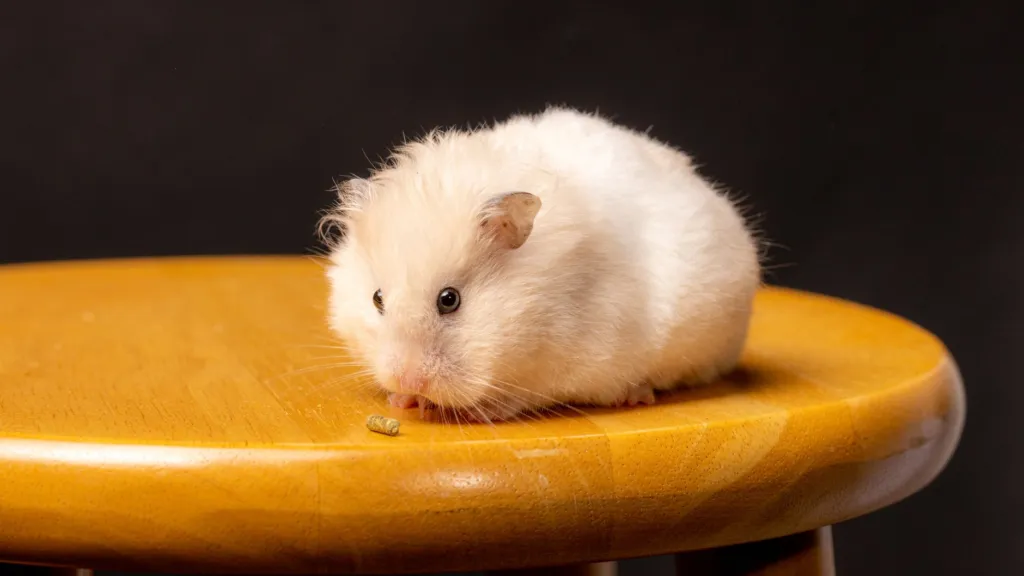
Hamsters are one of the most popular small pets for seniors. They are small, relatively low-maintenance, and have lively personalities that can bring joy and entertainment. There are several types of hamsters, including Syrian, Dwarf Campbell, and Roborovski, each with unique characteristics.
Hamsters typically live for 2 to 3 years, which can be ideal for seniors who may not want a long-term commitment. They require a spacious cage with various enrichment items such as tunnels and chew toys. Cleaning their cage weekly is essential for maintaining a healthy environment.
Interaction with hamsters can be quite rewarding. They can be handled gently, and many enjoy exploring outside their cage in a safe environment. This can encourage movement and provide mental stimulation for seniors.
Care Requirements
- Diet: Hamsters primarily eat a diet of pellets, fresh fruits, and vegetables.
- Habitat: A spacious cage with proper bedding, toys, and an exercise wheel.
- Health: Regularly check for signs of illness, and consult a veterinarian if any health issues arise.
Guinea Pigs
Guinea pigs are affectionate and sociable creatures, making them excellent companions for seniors. They thrive on social interaction, often preferring to live in pairs. Their gentle nature and unique vocalizations can be both entertaining and comforting.
These small pets require a larger cage than hamsters, as they need room to roam and forage. A diet consisting of hay, pellets, and fresh vegetables is essential for their health. Regular grooming is also necessary, especially for long-haired breeds.
Guinea pigs enjoy engaging with their owners. They can be trained to respond to their names and even learn simple tricks. This interaction fosters a bond that can be incredibly fulfilling for seniors.
Care Requirements
- Diet: High-quality hay, guinea pig pellets, and fresh veggies.
- Habitat: A large cage with hiding spots and chew toys.
- Health: Regular check-ups and attention to dental health are crucial.
Rabbits
Rabbits are gentle and affectionate pets that can form strong bonds with their owners. They are relatively easy to care for and can be litter trained, which simplifies their care. Many seniors find joy in having a rabbit due to their unique personalities and playful nature.
Rabbits require a spacious enclosure, but they also benefit from free-roaming time in a safe environment. Their diet mainly consists of hay, fresh vegetables, and specially formulated rabbit food. Regular exercise is important to keep them healthy and happy.
Engaging with a rabbit can provide emotional benefits. They often enjoy being petted and can even be taught tricks. This interaction is not only enjoyable but can also promote physical activity for seniors.
Care Requirements
- Diet: Unlimited hay, limited pellets, and plenty of fresh greens.
- Habitat: A spacious cage with room to hop and play.
- Health: Regular vet check-ups and monitoring for any behavioral changes.
Gerbils
Gerbils are curious and social animals that can be excellent pets for seniors. They are relatively easy to care for and typically live for 2 to 4 years. Gerbils are known for their playful behavior and can be quite entertaining to watch.
These small pets require a cage with good ventilation and bedding that allows for digging. They thrive in pairs or small groups, making them fun to observe as they interact with one another. Cleaning their habitat is straightforward, usually requiring weekly maintenance.
Gerbils can be handled gently, and many enjoy interacting with their owners. This interaction can offer emotional support and companionship, which is especially beneficial for seniors.
Care Requirements
- Diet: A mix of pellets, seeds, and occasional treats like fruits.
- Habitat: A spacious, well-ventilated cage with deep bedding.
- Health: Monitor for signs of illness and ensure they have a clean environment.
Birds
Birds can be delightful companions for seniors. Species like parakeets, canaries, and finches are relatively small and easy to care for. They can provide companionship without the physical demands of larger pets. Many birds are social and enjoy interacting with their owners, making them excellent for emotional support.
Birds require a cage that allows for movement, along with toys and perches to keep them engaged. A diet consisting of seeds, pellets, and fresh fruits is vital for their health. Regular cleaning of their cage and social interaction are essential for their well-being.
Many birds can learn to mimic sounds or even phrases, providing entertainment and stimulating interaction for seniors. Their lively nature can bring warmth and joy to any home.
Care Requirements
- Diet: A balanced mix of seeds, pellets, and fresh produce.
- Habitat: A spacious cage with plenty of toys and perches.
- Health: Regular vet check-ups to monitor for any health issues.
Fish
While not traditional pets in the sense of interaction, fish can provide a calming presence in a senior’s home. Setting up an aquarium can be a fulfilling hobby, and watching fish swim can be incredibly soothing.
There are many types of fish to choose from, including goldfish, bettas, and guppies. The care required varies, but generally, fish need a well-maintained tank with proper filtration, temperature control, and a balanced diet.
Fishkeeping can also encourage routine and responsibility, as tanks require regular cleaning and monitoring of water parameters. This can be a rewarding activity for seniors who enjoy a structured routine.
Care Requirements
- Diet: Species-specific flakes or pellets, with occasional treats.
- Habitat: A properly sized aquarium with filtration and heating if necessary.
- Health: Regular water testing and tank maintenance are crucial.
Ferrets
Ferrets are playful and curious animals that can make great companions. They are social creatures and thrive on interaction. Their playful antics can provide a lot of joy and laughter in a senior’s home.
Ferrets require a secure cage, as they are known for their ability to escape. They need plenty of space to play and explore, along with a diet rich in protein. Regular social interaction is crucial for their happiness.
While ferrets can be more demanding than some other small pets, their entertaining personalities can create a lively and joyful environment for seniors.
Care Requirements
- Diet: High-quality ferret food and occasional treats.
- Habitat: A secure, spacious cage with enrichment items.
- Health: Regular vet visits and vaccinations are necessary.
Small Pets and Their Health Needs
Understanding Basic Health Requirements
For seniors considering small pets, understanding their health needs is crucial. Each type of small pet has unique requirements regarding diet, exercise, and veterinary care. For instance, while hamsters thrive on a diet rich in seeds and nuts, guinea pigs require a vitamin C-enriched diet to prevent scurvy. Regular check-ups with a veterinarian are essential to ensure that your small pet remains healthy and happy.
In addition to diet, exercise is an important aspect of small pet care. For example, rabbits require ample space to hop and play, while gerbils enjoy burrowing and exploring. Ensuring that your pet has enough stimulation and physical activity can prevent obesity and behavioral issues.
- Routine veterinary check-ups
- Proper diet tailored to species
- Regular exercise and mental stimulation
Signs of Illness in Small Pets
Seniors should be aware of the signs of illness in small pets, as early detection can be key to successful treatment. Common symptoms to look out for include changes in eating habits, lethargy, unusual vocalizations, and alterations in grooming behavior. For example, a decrease in food intake can indicate dental problems in guinea pigs, while excessive hiding may suggest stress or illness in hamsters.
It’s beneficial for pet owners to familiarize themselves with their pets’ normal behaviors to easily identify any deviations. Monitoring their weight regularly can also provide insight into their health status. If any unusual symptoms arise, seeking veterinary advice promptly is crucial.
- Loss of appetite
- Increased hiding or isolation
- Changes in weight
Creating a Comfortable Environment
Providing a comfortable and safe living environment is vital for the well-being of small pets. Seniors should consider factors such as temperature, space, and bedding materials. For instance, hamsters need a well-ventilated cage with soft bedding to burrow in, while rabbits require a larger enclosure with plenty of space to hop around.
Additionally, environmental enrichment plays a significant role in keeping small pets mentally stimulated. This can include toys, tunnels, and safe items to chew on. Seniors should also ensure the habitat is free from hazards such as toxic plants or small objects that could be ingested.
- Temperature control
- Safe, spacious enclosures
- Regular cleaning and maintenance
The Benefits of Adopting Small Pets
Emotional Support and Companionship
Small pets can provide significant emotional support and companionship for seniors. The presence of a pet can reduce feelings of loneliness and isolation, offering a sense of purpose and routine. For example, caring for a pet can encourage seniors to engage in daily activities like feeding and cleaning, promoting a more active lifestyle.
Additionally, interacting with pets has been shown to lower stress levels and improve overall mental health. The simple act of petting a furry friend can release endorphins, creating a calming effect that benefits both the pet and the owner.
- Reduction in loneliness
- Improved mood and mental health
- Encouragement of physical activity
Social Interaction and Community Engagement
Owning small pets can also foster social interactions and community engagement. Seniors may find themselves connecting with other pet owners in their neighborhood or through local pet clubs and events. This can lead to new friendships and social networks, enhancing their sense of belonging.
Participating in pet-related activities, such as pet shows or community pet days, can also provide opportunities to engage with others. Furthermore, volunteering at local animal shelters can be a rewarding experience, allowing seniors to share their love for animals while connecting with like-minded individuals.
- Joining local pet clubs
- Attending pet shows or events
- Volunteering at animal shelters
Financial Considerations
While small pets can be relatively low-maintenance, seniors should still consider the financial aspects of pet ownership. Initial costs may include adoption fees, cages, and supplies, while ongoing expenses encompass food, bedding, and veterinary care. Understanding these costs is crucial to ensure that pet ownership remains sustainable.
Seniors may also benefit from budgeting for unforeseen medical expenses, as pets can require unexpected veterinary care. Researching pet insurance options can provide peace of mind and financial support in times of need.
- Initial setup costs
- Ongoing care expenses
- Potential for unexpected veterinary costs
Choosing the Right Small Pet for Your Lifestyle
Assessing Your Activity Level
When selecting a small pet, it’s essential to assess your own activity level and lifestyle. Some pets require more interaction and exercise than others. For example, dogs, although not classified as small pets, require daily walks and playtime, while a pet hamster may be content with a less active lifestyle.
Understanding your own energy levels will help determine the best pet match. For seniors who enjoy quiet time, pets such as fish or reptiles might be ideal companions. Conversely, those who are more active may prefer interactive pets like guinea pigs or rabbits, which enjoy social engagement.
- Consider daily activity levels
- Match pet needs to personal energy
- Evaluate time available for interaction
Evaluating Space and Environment
Space is another critical factor in choosing a small pet. Some animals, like rabbits, require larger enclosures and more space to roam, while others, like hamsters, can thrive in smaller habitats. Evaluating your living situation will help narrow down suitable pets.
Additionally, consider whether you can create a safe environment for the pet. For example, if you have other pets or children at home, you’ll need to ensure that your new small pet can coexist safely with them. Setting up a dedicated area for the pet can help manage space and safety effectively.
- Assess available living space
- Consider safety with other pets
- Plan for a dedicated pet area
Long-Term Commitment and Care
Owning a pet is a long-term commitment that requires consistent care and attention. Seniors should consider the lifespan of different small pets before making a decision. For example, guinea pigs can live for 4 to 6 years, while some species of parrots can live for over 20 years.
Thinking about future needs is essential. Will you be able to care for the pet as you age? It’s important to have a plan in place for your pet’s care in case your circumstances change. Engaging family members or friends who can help out can ensure that your pet receives the love and care it needs throughout its life.
- Research pet lifespan
- Consider future care plans
- Involve family in pet care planning
Frequently Asked Questions
What small pets are best for seniors?
The best small pets for seniors include hamsters, guinea pigs, rabbits, and birds, as they are generally low-maintenance and provide companionship.
How much care do small pets require?
Care requirements vary by species, but most small pets need a clean habitat, appropriate diet, and regular social interaction. Weekly cleaning and daily feeding are common tasks.
Can small pets help reduce loneliness?
Yes, small pets can provide companionship and emotional support, helping to reduce feelings of loneliness and providing comfort.
Are small pets suitable for apartments?
Many small pets are well-suited for apartment living due to their size and space requirements. Always ensure they have enough room to move comfortably.
The Bottom Line
Choosing the right small pet can significantly enhance the quality of life for seniors. Whether it is a lively hamster, a cuddly guinea pig, or even a serene aquarium, small pets offer companionship without overwhelming care requirements. By considering the specific needs of each animal, seniors can find the perfect companion that fits their lifestyle and brings joy to their daily routines.
Was this article helpful?

Writer at Mad4Pets. Lifelong animal lover who turns research and vet guidance into practical tips for everyday pet parents.