Can Ferrets Eat Hot Dogs? What You Need to Know
Wondering if ferrets can eat hot dogs? Discover the nutritional aspects and health implications of feeding hot dogs to your furry friends.

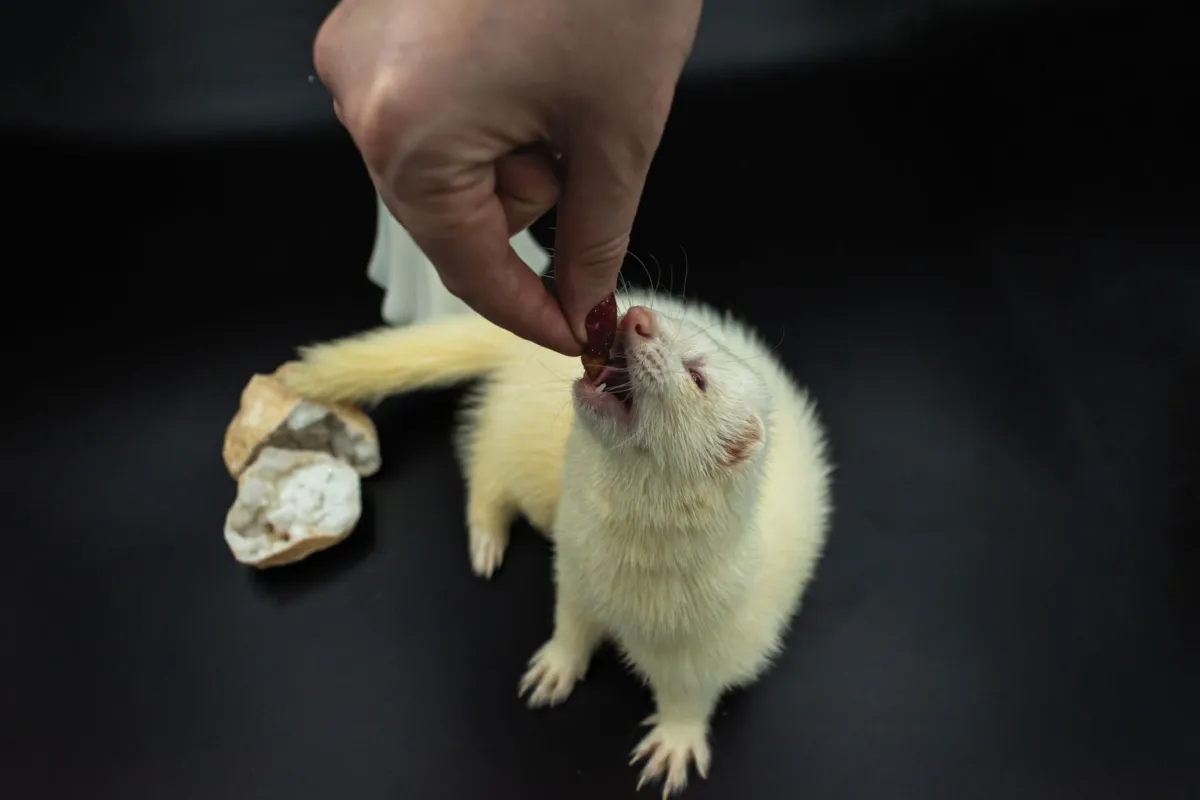
Key takeaways
- Ferrets are obligate carnivores requiring a protein-rich diet.
- Hot dogs contain additives and preservatives that can be harmful.
- Small amounts may be safe, but consult a vet for guidance.
- A balanced diet is crucial for ferret health and longevity.
As a ferret owner, you may find yourself curious about what foods are safe for your beloved pet. One common question among ferret enthusiasts is, can ferrets eat hot dogs? While hot dogs are a popular snack for many humans, they are not necessarily the best choice for our furry friends. This article aims to explore the nutritional value of hot dogs, their potential risks, and the best dietary practices for ferrets.
Ferrets are obligate carnivores, which means that their diet primarily consists of meat. Their unique digestive systems have evolved to thrive on proteins and fats found in animal products. Therefore, it is essential to understand how human foods, like hot dogs, fit into their dietary needs. This guide will help you make informed decisions about your ferret’s diet.
Let’s dive deeper into the specifics of feeding hot dogs to ferrets, including the ingredients typically found in hot dogs and how they compare to a ferret’s natural dietary requirements.
Nutritional Profile of Hot Dogs
Hot dogs are a convenient and popular food choice for many. However, they come with a variety of nutritional components that may not be suitable for ferrets. Understanding the nutritional profile of hot dogs can help you decide whether to include them in your ferret’s diet.
The primary ingredients in hot dogs generally include:
- Meat: Usually a mix of beef, pork, or chicken, which offers protein.
- Fat: Provides energy but can be excessive in some hot dogs.
- Sodium: High levels can lead to health issues like dehydration.
- Preservatives: Such as nitrates and nitrites, which may be harmful.
- Additives: Flavorings and fillers that can be indigestible for ferrets.
While the protein content may appear beneficial, the high levels of sodium and preservatives can pose significant health risks. Ferrets are sensitive to changes in their diet, and the addition of processed foods like hot dogs can lead to digestive disruptions.
Comparing Hot Dogs to Ferret Diet Requirements
Ferrets require a diet rich in animal protein and fat, typically sourced from whole prey or specially formulated ferret kibble. When comparing hot dogs to a ferret’s dietary needs, several factors come into play:
- Protein Content: Ferrets need around 30-35% protein in their diet. While hot dogs contain protein, it often comes from lower-quality sources.
- Fat Content: Ferrets require fats for energy. However, the type of fat is crucial; hot dogs may contain unhealthy fats.
- Digestibility: Ferrets process animal proteins more efficiently than processed meats, which can be harder for them to digest.
Overall, hot dogs cannot replace a balanced ferret diet. They may provide some protein, but their additives and low-quality ingredients make them unsuitable as a staple food.
Potential Risks of Feeding Hot Dogs to Ferrets
While it might be tempting to share a piece of your hot dog with your ferret, there are several potential risks to consider. Understanding these risks can help prevent health issues for your pet.
One of the primary concerns is the high sodium content found in most hot dogs. Excessive sodium intake can lead to:
- Dehydration: Ferrets are small animals, and even slight dehydration can lead to serious health issues.
- Kidney Damage: High sodium can strain the kidneys, potentially leading to long-term health problems.
- Heart Issues: Sodium can contribute to hypertension and other cardiovascular problems.
In addition to sodium, the preservatives used in hot dogs, like nitrates and nitrites, have been linked to various health concerns. Studies suggest these additives may be carcinogenic in large quantities. Ferrets have sensitive systems, making them more susceptible to the negative impacts of such ingredients.
Signs of Adverse Reactions
If you do decide to give your ferret a small piece of hot dog, it’s essential to monitor for any signs of adverse reactions. Some symptoms to watch for include:
- Vomiting
- Diarrhea
- Excessive thirst
- Lethargy
If any of these symptoms occur, it’s best to contact your veterinarian immediately. Early intervention can help prevent more severe health issues.
Safe Alternatives to Hot Dogs for Ferrets
If you’re looking for safe and nutritious alternatives to hot dogs for your ferret, there are plenty of options. Providing a varied diet is essential for ensuring your ferret receives all the necessary nutrients.
Here are some healthy alternatives that can be safely included in your ferret’s diet:
- Raw Meat: Chicken, turkey, beef, or lamb are excellent sources of protein.
- Whole Prey: Feeding whole prey items, like mice or chicks, can provide a natural diet.
- High-Quality Ferret Kibble: Look for brands specifically formulated for ferrets, ensuring they contain high protein and low carbohydrates.
Incorporating these alternatives can help maintain your ferret’s health and ensure they receive a balanced diet that meets their nutritional needs.
Homemade Treats for Ferrets
If you enjoy preparing food for your ferret, consider making homemade treats. This way, you can control the ingredients and ensure they are safe and nutritious. Some ideas for homemade ferret treats include:
- Cooked Chicken: Shredded and served plain, without any seasoning.
- Fish: Cooked fish like salmon or tuna can be a tasty treat.
- Eggs: Scrambled or boiled eggs can be a protein-rich snack.
Always introduce new foods gradually and in moderation to avoid upsetting your ferret’s stomach. Variety is key to a healthy diet.
Feeding Guidelines for Ferrets
When it comes to feeding your ferret, establishing a routine is essential. Ferrets thrive on consistency, and a well-planned diet can enhance their health and well-being.
Here are some important guidelines to follow:
- Diet Composition: Ensure that your ferret’s diet consists of high-quality protein. A mix of raw and commercial ferret food works well.
- Portion Control: Monitor portion sizes to prevent obesity, which can lead to additional health issues.
- Fresh Water: Always provide fresh, clean water. Hydration is crucial for your ferret’s health.
Establishing a feeding schedule can also help. Many ferret owners find that feeding multiple small meals throughout the day works best, as ferrets have fast metabolisms.
Consulting with a Veterinarian
Before introducing any new foods into your ferret’s diet, including hot dogs, it’s always a good idea to consult with a veterinarian. A vet can provide personalized guidance based on your ferret’s health, age, and dietary needs.
Regular check-ups are also essential to ensure your ferret is healthy. Your veterinarian can help monitor their weight, assess their diet, and make recommendations for any necessary adjustments.
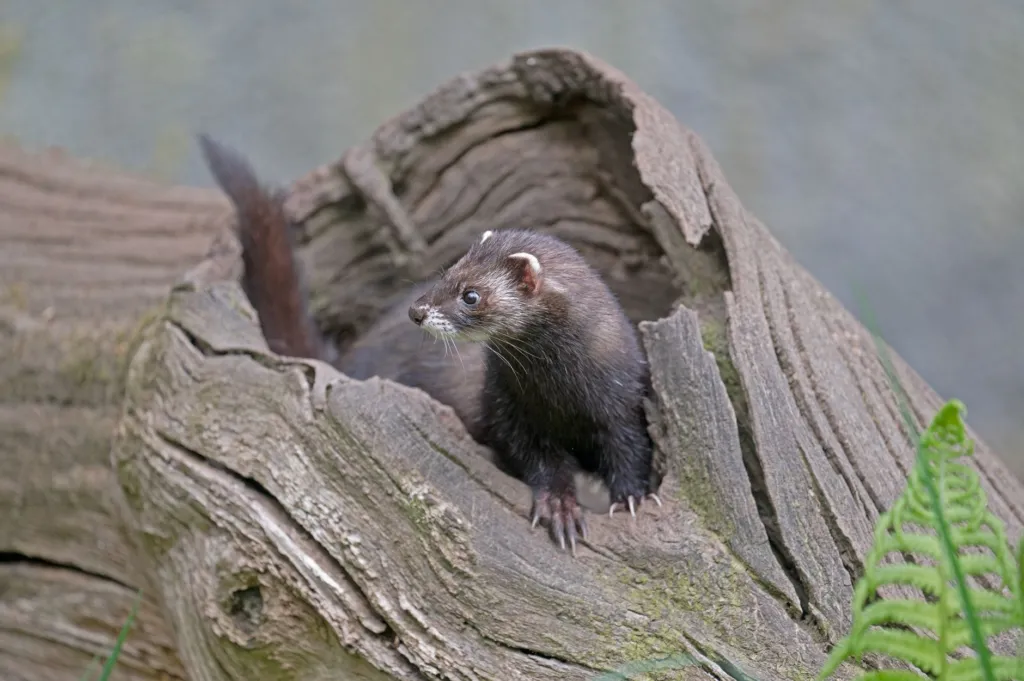
Understanding Ferret Dietary Needs
The Importance of Protein in a Ferret’s Diet
Ferrets are obligate carnivores, which means that their diet must primarily consist of animal protein. This dietary requirement is essential for their overall health and wellbeing. A protein-rich diet supports their energy levels, muscle development, and overall vitality. Unlike some pets that can thrive on a more varied diet, ferrets rely heavily on protein sources to meet their nutritional needs.
Ferrets should ideally consume around 30-35% protein in their daily diet. Here are some excellent sources of protein for ferrets:
- High-quality ferret kibble
- Raw or cooked chicken
- Turkey
- Fish
- Rabbit
When considering supplements or treats, always ensure they provide high-quality protein to avoid any nutritional deficiencies. Hot dogs, while containing some protein, are not sufficient as a primary food source due to their high fat and sodium content.
Understanding Ferret Metabolism
Ferrets have a very high metabolism, which means they require frequent feeding throughout the day. Their digestive system is designed to process animal protein quickly, so it’s essential to provide them with a steady supply of suitable food. Unlike dogs or cats, ferrets can become lethargic and unhealthy if they go too long without food.
Here are some tips to accommodate their unique metabolic needs:
- Feed small meals multiple times a day.
- Provide fresh water at all times.
- Monitor their weight to ensure they’re neither over nor underweight.
- Adjust portion sizes based on activity level.
Understanding their metabolism can help pet owners make informed choices about their diet and feeding schedule, ensuring optimal health.
Common Misconceptions About Ferret Diets
There are several misconceptions about what ferrets can and cannot eat. Some people believe that ferrets can eat the same foods as cats or dogs, but this is not true. Ferrets have specific dietary requirements due to their unique physiology. For instance, while ferrets can digest some fruits and vegetables, these should only be offered in very small quantities as they can lead to gastrointestinal upset.
Let’s clarify some common myths:
- Myth: Ferrets can survive on a vegetarian diet.
Fact: Ferrets are obligate carnivores and require animal protein. - Myth: It’s okay to feed ferrets table scraps.
Fact: Many human foods are unhealthy or toxic to ferrets. - Myth: Ferrets can eat dog food.
Fact: Dog food does not meet their nutritional needs.
By dispelling these myths, pet owners can better cater to their ferrets’ dietary needs.
Preparing Treats for Ferrets
Homemade Treats: Safe and Healthy Options
Creating homemade treats for ferrets can be a rewarding experience. Not only do you know exactly what goes into the treats, but it can also provide a fun bonding activity. When preparing treats, focus on using high-quality animal protein sources that are safe for ferrets.
Some popular homemade treat ideas include:
- Dehydrated chicken or turkey bites
- Cooked and shredded rabbit
- Ferret-safe meatballs made from ground meat
When making these treats, avoid adding any seasonings or ingredients that could be harmful to ferrets, such as garlic, onions, or excessive salt. Always consult with a veterinarian if you are uncertain about new ingredients.
Store-Bought Treats: What to Look For
If making homemade treats isn’t feasible, there are many store-bought options available that are safe for ferrets. When purchasing treats, look for those specifically labeled for ferrets or small carnivores. These products typically adhere to the dietary needs of ferrets and are formulated to be nutritious.
Key factors to consider when selecting store-bought treats include:
- High protein content (preferably 30% or more)
- Low fat and sodium levels
- No artificial additives or preservatives
- Ingredients sourced from quality animal proteins
By being vigilant and informed, you can choose the best treats for your ferret without compromising their health.
The Role of Treats in Training
Treats can play a significant role in training and bonding with your ferret. Using treats as positive reinforcement can help establish desired behaviors. However, it is crucial to ensure that treats are given in moderation to avoid overfeeding and imbalanced nutrition.
Here are some tips for using treats effectively in training:
- Choose high-value treats that your ferret loves.
- Use treats sparingly during training sessions to maintain their effectiveness.
- Combine verbal praise with treats to reinforce positive behavior.
- Monitor your ferret’s response to treats and adjust accordingly.
Incorporating treats into training can strengthen your bond and improve your ferret’s behavior, making it a win-win situation.
Recognizing Food Sensitivities in Ferrets
Signs of Food Allergies or Intolerances
Just like humans, ferrets can experience food allergies or intolerances. It’s vital for pet owners to recognize the signs early to prevent further health issues. Common symptoms may include gastrointestinal upset, skin irritations, or changes in behavior.
Signs to watch for include:
- Vomiting or diarrhea
- Excessive scratching or biting at the skin
- Changes in appetite or weight
- Behavioral changes such as lethargy or irritability
If any of these symptoms occur after introducing a new food, such as hot dogs, it may be time to consult a veterinarian. Identifying and eliminating the offending food can help restore your ferret’s health.
Common Food Sensitivities in Ferrets
Ferrets can develop sensitivities to various food items, but some ingredients are more commonly problematic. Not all ferrets will react the same way, but awareness of these common culprits can help you tailor their diet effectively.
- Grains – Many ferrets are sensitive to grains like corn or wheat.
- Dairy – Most adult ferrets are lactose intolerant.
- Processed meats – High sodium and preservatives can lead to digestive issues.
By avoiding these potential allergens, you can help maintain your ferret’s health and comfort.
Consulting with a Veterinarian
Whenever introducing new foods or noticing concerning symptoms, consulting with a veterinarian is crucial. A professional can provide tailored advice based on your ferret’s specific needs and health status. Regular veterinary check-ups can also help catch any dietary-related issues before they become serious.
Your veterinarian can offer guidance on diet formulation, recommend suitable food brands, and help address any concerns about food sensitivities. Keeping an open line of communication with your vet ensures your ferret receives the best care possible.
Frequently Asked Questions
Can ferrets eat cooked hot dogs?
While cooked hot dogs may seem safer, they still contain additives and preservatives that are not suitable for ferrets. It is best to avoid them altogether.
What are safe snacks for ferrets?
Safe snacks for ferrets include small pieces of raw meat, cooked eggs, and high-quality ferret treats. Always ensure snacks are appropriate for their dietary needs.
How often should I feed my ferret?
Ferrets should be fed multiple small meals throughout the day. This approach aligns with their natural eating habits and helps keep their energy levels stable.
Is it okay to give my ferret human food?
Some human foods can be safe in moderation, but it is essential to research and consult a vet. Many processed foods, including hot dogs, are not suitable.
The Bottom Line
In summary, while ferrets might enjoy the taste of hot dogs, they are not an appropriate food choice due to their high sodium content, preservatives, and low-quality ingredients. As obligate carnivores, ferrets require a protein-rich diet that consists of high-quality meats and specially formulated ferret foods. If you’re looking to treat your ferret, consider healthier alternatives that align with their dietary needs. Always consult a veterinarian for personalized advice on your ferret’s diet and health.
Was this article helpful?

Writer at Mad4Pets. Lifelong animal lover who turns research and vet guidance into practical tips for everyday pet parents.