Understanding Why Your Guinea Pig Is Losing Weight
Discover the reasons behind your guinea pig losing weight and how to address them effectively for better health.

Key takeaways
- Weight loss can indicate serious health issues.
- Regular vet check-ups are crucial for prevention.
- Diet and stress management are key factors.
- Observe your guinea pig for any behavioral changes.
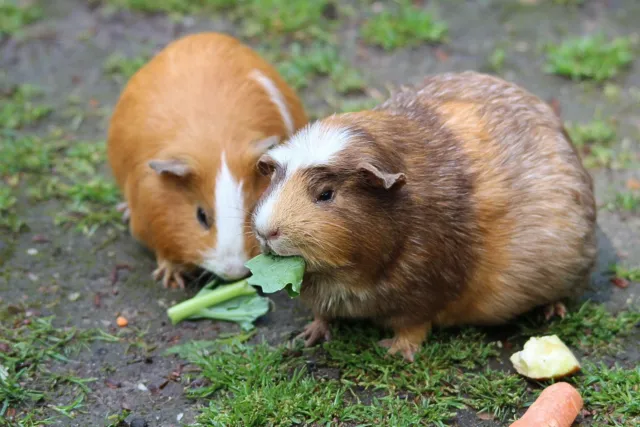
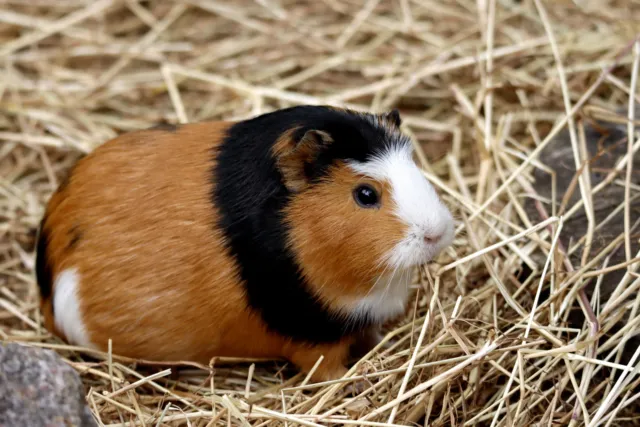
As a guinea pig owner, watching your furry friend thrive is a source of joy. However, when you notice your guinea pig losing weight, it can be a cause for concern. Weight loss in guinea pigs can be a symptom of underlying health issues or changes in their environment. Understanding the potential causes and solutions is crucial for ensuring their well-being.
Guinea pigs, like all pets, require a balanced diet, regular exercise, and a stable environment to thrive. Any deviation from these needs can lead to health problems, including weight loss. This guide will delve into the reasons your guinea pig may be shedding pounds and what you can do about it.
Whether you are a new pet owner or have had guinea pigs for years, being observant and proactive is key. Recognizing the signs of weight loss and understanding their implications can improve your guinea pig’s quality of life.
Common Causes of Weight Loss in Guinea Pigs
Weight loss in guinea pigs can stem from various factors. It is essential to identify the underlying cause to provide appropriate care. Here are the most common reasons:
- Health Issues: Many medical conditions can lead to weight loss, including dental problems, gastrointestinal illnesses, or infections.
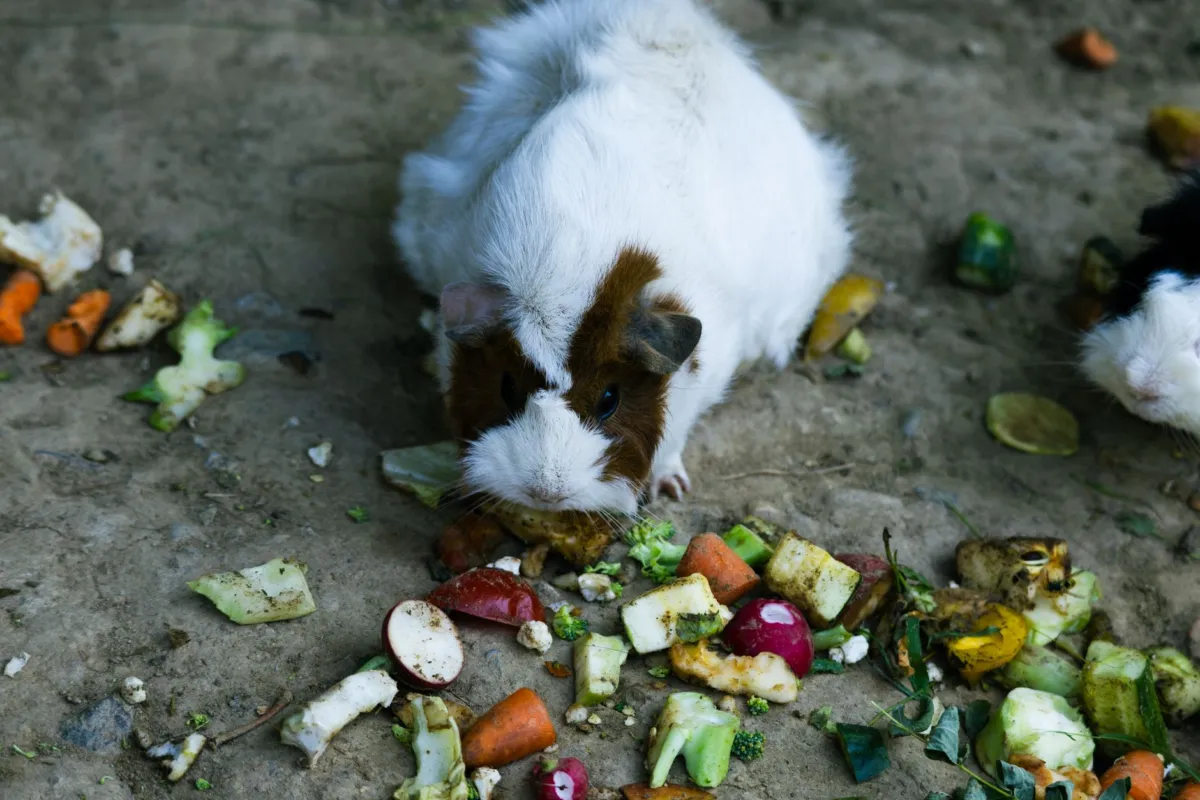
- Poor Diet: An improper diet lacking in necessary nutrients can lead to weight loss. Guinea pigs require a diet rich in hay, vegetables, and a limited amount of pellets.
- Stress and Anxiety: Changes in the environment, such as new pets, loud noises, or changes in routine, can cause stress, leading to weight loss.
Health Issues
Health-related weight loss is often the most concerning. Health issues can manifest in various ways, and it’s vital to watch for additional symptoms:
- Dental Problems: Overgrown teeth or dental disease can make it painful for guinea pigs to eat, leading to weight loss.
- Gastrointestinal Issues: Conditions like bloat or gastrointestinal stasis can cause significant weight loss and require immediate veterinary attention.
- Infections: Respiratory infections or other illnesses can result in weight loss due to reduced appetite or increased metabolic demands.
Poor Diet
A balanced diet is essential for maintaining your guinea pig’s health. If their diet lacks critical nutrients, they may lose weight. The following components are vital:
- Hay: Unlimited access to fresh hay is crucial for digestion and dental health.
- Fresh Vegetables: A variety of leafy greens and vegetables should be included daily to provide necessary vitamins.
- Pellets: High-quality pellets should be given in moderation to meet nutritional needs without causing obesity.
Stress and Anxiety
Guinea pigs are sensitive creatures, and stress can significantly impact their health. Signs of stress include:
- Hiding: If your guinea pig is spending more time hiding than usual, it may be stressed.
- Reduced Activity: A decrease in playfulness or exploration can indicate anxiety.
- Change in Vocalization: Increased vocalization or unusual sounds may indicate distress.
Recognizing the Signs of Weight Loss
Being able to recognize weight loss in your guinea pig is crucial. Here are some signs to watch for:
- Visible Bones: If you can see the bones of your guinea pig’s spine or hips, it is a clear indication of weight loss.
- Changes in Eating Habits: A sudden decrease in food intake or disinterest in favorite foods can signal problems.
- Behavioral Changes: Lethargy or changes in interactions with you or other pets can indicate underlying issues.
How to Measure Your Guinea Pig’s Weight
Regularly monitoring your guinea pig’s weight can help you catch any issues early. Here are steps to measure your guinea pig’s weight effectively:
- Obtain a Scale: A digital scale that measures small weights is ideal.
- Weigh Yourself First: Weigh yourself alone, then weigh yourself holding your guinea pig.
- Calculate the Weight: Subtract your weight from the total to get your guinea pig’s weight.
It is best to weigh your guinea pig weekly to monitor any changes. Keeping a log can help you detect trends over time.
Addressing Weight Loss in Guinea Pigs
Once you identify potential causes, addressing weight loss is essential. Here are steps to take:
- Consult a Veterinarian: If weight loss is significant or accompanied by other symptoms, see a vet for a thorough examination.
- Adjust the Diet: Ensure your guinea pig is getting a balanced diet with adequate hay, vegetables, and pellets.
- Reduce Stress: Create a calm environment, limit loud noises, and introduce any new pets gradually.
When to See a Veterinarian
It is essential to consult a veterinarian when:
- Your guinea pig loses more than 10% of its body weight.
- There are other concerning symptoms such as lethargy, diarrhea, or changes in behavior.
- Your guinea pig has difficulty eating or shows signs of pain.
Preventive Measures for Maintaining Healthy Weight
Preventing weight loss starts with good care practices. Here are some preventive measures:
- Regular Veterinary Check-ups: Routine visits can help catch issues early.
- Balanced Diet: Providing a nutritionally complete diet is crucial for overall health.
- Enrichment Activities: Providing toys and interaction can reduce stress and keep your guinea pig active.
Dietary Adjustments for Weight Management
Understanding Nutritional Needs
Guinea pigs have unique dietary requirements that are critical for their health. They primarily need a diet rich in hay, fresh vegetables, and specially formulated pellets. The right balance of nutrients can help maintain their weight and overall wellness. It is essential to provide them with high-fiber hay like timothy or orchard grass, which should make up the bulk of their diet.
In addition to hay, fresh vegetables should be offered daily. Leafy greens such as romaine lettuce, kale, and parsley are excellent choices. However, it is crucial to avoid starchy vegetables like corn and potatoes, as these can contribute to unhealthy weight gain.
- High-fiber hay (e.g., timothy, orchard grass)
- Leafy greens (e.g., romaine lettuce, kale)
- Limited starchy vegetables (e.g., corn, potatoes)
- Fresh fruits as occasional treats (e.g., apple, bell pepper)
Identifying Unbalanced Diets
Weight loss in guinea pigs can often be a result of an unbalanced diet. If they are not receiving the proper mix of hay, pellets, and fresh vegetables, it can lead to nutritional deficiencies. For example, a diet lacking in vitamin C can lead to serious health issues, including scurvy, which can also manifest as weight loss.
To ensure a balanced diet, it is important to monitor their food intake and adjust their meals accordingly. If you notice that your guinea pig has a preference for certain foods, such as pellets over hay, it may be necessary to limit access to those preferred items to encourage a more balanced diet.
- Monitor food intake regularly
- Provide a variety of vegetables
- Avoid high-calorie treats
- Consult with a veterinarian for dietary recommendations
Hydration: A Key Element in Weight Management
Hydration is another critical factor that can influence your guinea pig’s weight. Guinea pigs should always have access to fresh water. Dehydration can lead to a decrease in appetite and subsequent weight loss. It’s important to ensure that their water bottle or bowl is clean and filled with fresh water daily.
In addition to plain water, incorporating hydrating vegetables, such as cucumber or celery, can also help maintain hydration levels. Regularly checking the water intake can provide insights into their health and well-being.
- Provide clean, fresh water daily
- Incorporate hydrating vegetables into their diet
- Monitor for signs of dehydration (e.g., lethargy, dry skin)
Environmental Factors Affecting Weight
Temperature and Comfort Levels
The environment in which your guinea pig lives can significantly impact their weight. Guinea pigs are sensitive to temperature extremes. If they are too hot or too cold, their stress levels may increase, leading to reduced appetite and weight loss. It is essential to keep their habitat in a comfortable temperature range, ideally between 65°F and 75°F (18°C to 24°C).
Providing ample bedding and hiding spots can help them feel secure and comfortable. Additionally, avoiding drafts and direct sunlight can create a more stable environment. Monitoring their behavior can also provide clues to their comfort level; a lethargic guinea pig may be experiencing environmental stress.
- Maintain a stable temperature
- Provide bedding and hiding spots
- Avoid drafts and direct sunlight
Social Interaction and Mental Health
Social interaction is crucial for guinea pigs as they are naturally sociable animals. Lack of interaction can lead to stress, which can contribute to weight loss. Spending quality time with your guinea pig through gentle handling and play can improve their mood and encourage a healthy appetite.
If your guinea pig is alone, consider adopting a companion guinea pig to provide social interaction. However, ensure that they are properly introduced to avoid stress and aggression between them. Signs of a happy guinea pig include active behavior and curiosity, whereas lethargy and hiding can indicate stress or mental health issues.
- Spend time with your guinea pig daily
- Consider adopting a companion guinea pig
- Observe for signs of stress (e.g., hiding, aggression)
Exercise and Activity Levels
Physical activity is essential for maintaining a healthy weight in guinea pigs. A lack of exercise can lead to obesity, which might seem counterintuitive when discussing weight loss, but it can also lead to health issues that result in weight loss. Providing a safe space for them to exercise is vital.
Encouraging playtime outside their cage can stimulate activity levels. Providing tunnels, ramps, and toys can promote exploration and movement. Regular exercise helps keep their metabolism active, enabling them to maintain a healthy weight.
- Provide a safe play area outside the cage
- Incorporate tunnels and toys for stimulation
- Set a routine for daily exercise
Understanding Medical Conditions Linked to Weight Loss
Common Health Issues in Guinea Pigs
Several health conditions can lead to weight loss in guinea pigs. Dental problems, such as malocclusion, can prevent them from eating properly, leading to significant weight loss. It’s essential to regularly check their teeth for overgrowth or misalignment, which may require veterinary intervention.
Other health issues, such as gastrointestinal problems or infections, can also contribute to weight loss. Symptoms like diarrhea, lethargy, or changes in behavior should never be ignored, as they can indicate underlying health concerns. Regular veterinary check-ups can help identify these issues early.
- Monitor dental health regularly
- Watch for gastrointestinal symptoms
- Schedule regular veterinary visits
Parasites and Weight Loss
Parasites can also cause significant weight loss in guinea pigs. External parasites like mites or fleas can lead to skin irritation and stress, while internal parasites can cause gastrointestinal distress. Maintaining a clean living environment and regularly checking for signs of parasites can help prevent infestations.
If you suspect your guinea pig has parasites, consult with a veterinarian. They can perform tests and recommend appropriate treatments to eliminate the parasites and restore your guinea pig’s health.
- Keep the habitat clean and sanitized
- Regularly check for signs of parasites
- Consult a veterinarian for testing if necessary
Chronic Conditions Impacting Weight
Chronic conditions, such as kidney disease or heart disease, can lead to weight loss over time. These conditions often require ongoing management and treatment from a veterinarian. Signs can include changes in appetite, lethargy, or unusual behavior.
It is crucial to maintain open communication with your veterinarian regarding any changes in your guinea pig’s health. Early detection and treatment can significantly improve quality of life and help manage weight effectively.
- Watch for persistent changes in weight or behavior
- Keep regular veterinary appointments
- Follow your vet’s treatment plan diligently
Frequently Asked Questions
What is a healthy weight for a guinea pig?
A healthy weight for a guinea pig typically ranges from 1.5 to 2.5 pounds, depending on the breed and age. Regular monitoring is essential.
How can I tell if my guinea pig is underweight?
Signs of being underweight include visible bones, lethargy, and decreased appetite. Regular weighing can help track their weight.
Can stress cause weight loss in guinea pigs?
Yes, stress can lead to weight loss in guinea pigs. Creating a stable and calm environment can help mitigate stress-related issues.
Is it normal for guinea pigs to lose weight as they age?
While some weight loss may occur with age, significant weight loss is not normal and should be addressed with a veterinarian.
The Bottom Line
Weight loss in guinea pigs is a serious issue that can indicate various health problems, dietary deficiencies, or stress. Regular monitoring, a balanced diet, and creating a low-stress environment are key to keeping your guinea pig healthy. If you notice significant weight loss or other concerning symptoms, do not hesitate to consult a veterinarian for proper diagnosis and treatment.
Always consult a veterinarian if you notice significant weight loss in your guinea pig.[/m4p_tip>
Was this article helpful?

Writer at Mad4Pets. Lifelong animal lover who turns research and vet guidance into practical tips for everyday pet parents.