Essential Tips for Caring for Your Hamster During Winter
Learn how to provide the best hamster winter care with these comprehensive tips for keeping your pet healthy and warm during the colder months.


Key takeaways
- Ensure proper cage temperature and location.
- Adjust diet to maintain energy levels.
- Monitor for signs of hibernation or lethargy.
As the winter months approach, many pet owners wonder how to best care for their hamsters. These small, furry creatures are typically quite resilient, but the colder temperatures can pose challenges to their health and comfort. Understanding how to provide hamster winter care is essential for ensuring that your pet remains happy and healthy throughout the season.
Hamsters are originally desert animals, accustomed to warm environments. However, with proper care and adjustments, they can thrive even during the coldest months. This article will provide detailed guidance on how to care for your hamster during winter, covering everything from cage setup to nutritional needs.
By following these tips, you can create a safe and cozy environment for your furry friend, ensuring that they remain active and healthy even as temperatures drop.
Understanding Hamster Behavior in Winter
Hamsters are known for their unique behaviors, particularly during seasonal changes. In winter, they may exhibit changes in activity levels and sleeping patterns. Understanding these behaviors can help you better support your pet.
One common behavior is burrowing. Hamsters instinctively create nests to stay warm and secure. This is a normal part of their behavior, and it’s important to provide them with adequate bedding materials like paper-based substrates or aspen shavings. Avoid cedar or pine shavings, as these can be harmful to their respiratory systems.
Another important aspect to consider is their activity level. Hamsters may become less active in colder temperatures, but this doesn’t necessarily mean they are hibernating. Instead, they might need a little encouragement to get moving. Regular interaction and playtime can help keep your hamster engaged during the winter months.
Setting Up the Cage for Winter
Creating a comfortable and warm environment for your hamster is crucial during the winter. Here are several key considerations for setting up their cage:
- Location: Place the cage in a draft-free area of your home away from windows and doors. A stable temperature is crucial for your hamster’s comfort.
- Bedding: Use thicker bedding materials to help insulate the cage. Ensure there is enough bedding for your hamster to burrow in, as they will appreciate the extra warmth.
- Heating options: If your home gets particularly cold, consider using a heat mat designed for small pets. Place it under the cage to provide gentle warmth without overheating.
Remember to avoid placing the cage near heating vents or radiators, as these can create hot spots that may harm your hamster.
Maintaining a Stable Temperature
Temperature regulation is vital for your hamster’s health. The ideal temperature for hamsters is between 65°F to 75°F (18°C to 24°C). Here’s how to ensure they stay within this range:
- Monitor the temperature: Use a thermometer to keep track of the temperature in the room where the cage is located. This will help you ensure that it remains within the ideal range.
- Insulation: If your home is particularly drafty, consider adding blankets or towels around the cage (but not inside) to help insulate it without blocking airflow.
- Avoid direct heat: Never use heating pads or lamps directly inside the cage, as these can cause overheating and stress.
By maintaining a stable temperature, you can help your hamster thrive even in winter.
Adjusting Your Hamster’s Diet
Diet plays a significant role in keeping your hamster healthy during winter. As their activity levels may decrease, adjusting their food intake and types of food can make a big difference.
Here are some dietary tips for the winter months:
- Increase caloric intake: Hamsters may require more calories to maintain their energy levels in colder weather. Consider offering a bit more of their usual diet or supplementing with seeds and nuts.
- Fresh fruits and vegetables: Offer small portions of fresh produce, which can provide essential vitamins and hydration. Aim for items like carrots, apples, and leafy greens.
- Hydration: Ensure that your hamster has constant access to fresh water. In colder months, water bottles may freeze, so check them frequently.
Adjusting their diet will help them stay energetic and healthy, even when they are less active.
Exercise and Enrichment Activities
Keeping your hamster active during winter is crucial for their physical and mental health. Since they may naturally want to burrow and sleep more, providing stimulating activities is essential.
Consider the following ways to encourage exercise:
- Exercise wheel: Ensure your hamster has a sturdy exercise wheel in their cage. This is a great way for them to burn off energy and stay fit.
- Playtime outside the cage: Set up a safe play area outside the cage where they can explore. Use tunnels, boxes, and toys to create an engaging space.
- Interactive toys: Invest in toys that require problem-solving, like treat-dispensing toys. These can keep your hamster mentally stimulated during the winter months.
Regular playtime helps prevent boredom and keeps your hamster healthy and happy.
Signs of Hibernation or Illness
During winter, it’s important to monitor your hamster closely for any signs of illness or abnormal behavior. Hamsters are not true hibernators, but they can enter a state of torpor if exposed to cold temperatures for too long.
Watch for the following signs:
- Lethargy: If your hamster is unusually inactive or does not respond to stimuli, it may need a warmer environment.
- Changes in eating habits: A significant decrease in food intake can indicate health issues.
- Cold extremities: If your hamster’s ears or feet feel cold to the touch, they may be struggling to maintain body temperature.
If you notice any of these signs, it is essential to consult a veterinarian promptly for guidance.
Grooming and Health Care
Winter can also affect your hamster’s coat and skin health. Regular grooming is essential to keep their fur clean and free of mats. Here are some grooming tips:
- Brush regularly: Use a soft-bristled brush to remove loose fur and debris, especially for long-haired breeds.
- Check for skin issues: Monitor your hamster’s skin for dryness or irritation, which can occur in heated indoor environments.
- Vet check-ups: Schedule regular veterinary check-ups to ensure your hamster remains healthy, particularly if you notice any changes in behavior or appearance.
Maintaining a grooming routine will help your hamster stay comfortable during the winter months.
Creating a Cozy Habitat
A cozy habitat is critical for your hamster’s well-being during winter. Here are some tips to create a warm and inviting space:
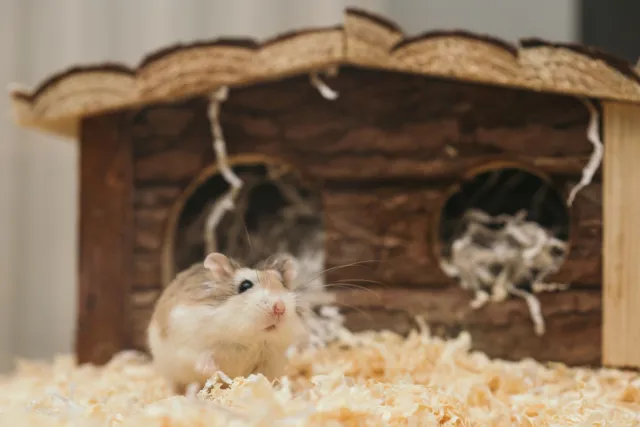
- Hiding spots: Provide multiple hiding spots using boxes, tunnels, and other structures where your hamster can burrow and feel safe.
- Hamster-safe fleece: Consider adding small pieces of fleece for extra warmth. Ensure it is non-toxic and safe for chewing.
- Safe heating options: If necessary, consider using a reptile heat pad under the cage for gentle warmth, ensuring it remains at a safe temperature.
By creating a cozy environment, you will help your hamster feel secure and comfortable all winter long.
[ m4p_tip title=”Vet tip”]If you suspect your hamster is ill or not responding normally, consult with a veterinarian for appropriate care.[/m4p_tip]
Monitoring Your Hamster’s Water Intake
Importance of Hydration
During winter, hamsters may reduce their water intake due to lower activity levels and changes in their environment. However, maintaining proper hydration is crucial for their overall health. Dehydration can lead to serious health issues, including kidney problems and lethargy. A hamster’s body requires water to help regulate its temperature, especially in colder months when they may be more susceptible to health issues.
Methods to Ensure Proper Hydration
To ensure your hamster remains hydrated, you can use several methods. Regularly check their water bottle or bowl to ensure it is clean and filled with fresh water. Here are some effective methods:
- Use a water bottle with a sipper tube to prevent spills.
- Provide a shallow water dish for easy access, ensuring it is changed daily.
- Monitor your hamster’s water intake by measuring how much water is consumed each day.
Signs of Dehydration
It’s essential to be aware of the signs of dehydration in hamsters. If you notice your hamster exhibiting any of the following symptoms, it’s crucial to address their hydration immediately:
- Dry mouth or sticky gums
- Lethargy or reduced activity
- Sunken eyes
- Skin that does not return to its original position when pinched
If you observe any of these signs, consult your veterinarian for advice on rehydrating your hamster safely.
Creating a Social Environment
Understanding the Social Needs of Hamsters
While many people think of hamsters as solitary creatures, some species can be social and thrive on interaction, especially during the winter months when they might feel more isolated. Understanding your hamster’s social needs is essential for their mental well-being. Syrian hamsters, for example, are solitary and prefer to live alone, while dwarf hamster species can often be kept in pairs or small groups if introduced correctly.
Interacting with Your Hamster
Spending time with your hamster can help alleviate feelings of loneliness during winter. Here are some ways to foster interaction:
- Handle your hamster gently and regularly to build trust.
- Provide them with toys that encourage engagement, such as tunnels or chew toys.
- Allow supervised playtime outside the cage in a safe area.
Introducing a Companion
If you have a compatible species of dwarf hamster, consider introducing a companion to reduce loneliness. However, ensure that:
- They are introduced gradually, in a neutral territory.
- You monitor their interactions closely to prevent aggression.
- Each hamster has its own space and resources to avoid territorial disputes.
Consult with a veterinarian or a hamster care expert before making any decisions about introducing a new hamster to ensure a successful companionship.
Managing Stress and Anxiety
Identifying Stress Triggers
Winter can be a more stressful time for hamsters due to changes in their environment and routine. Identifying stress triggers is vital for ensuring your hamster remains healthy and happy. Common stressors include loud noises, changes in temperature, and lack of interaction. Pay attention to behavioral changes, such as increased hiding or aggressive behavior, which may indicate stress.
Creating a Calming Environment
To help manage your hamster’s stress levels during winter, consider implementing the following strategies:
- Provide hiding spots in their cage where they can retreat and feel safe.
- Avoid loud noises and sudden movements near their habitat.
- Maintain a consistent routine for feeding and handling to create a sense of security.
Using Enrichment to Reduce Anxiety
Enrichment plays a critical role in reducing anxiety in hamsters. Keeping their environment stimulating can help distract them from stressors and prevent boredom. Here are some enrichment ideas:
- Rotate toys regularly to keep their interest piqued.
- Create a digging area with safe substrate materials.
- Incorporate scent trails using herbs or treats to encourage exploration.
By focusing on enrichment and maintaining a calm environment, you can help minimize your hamster’s stress and improve their overall winter experience.
Understanding Seasonal Affective Disorder in Hamsters
Recognizing Symptoms
Hamsters can experience seasonal affective disorder (SAD) during the winter months, leading to changes in behavior and mood. Common symptoms include lethargy, decreased interest in activities, and altered sleeping patterns. Owners should observe their hamsters closely for these signs, as they can impact overall well-being.
- Lethargy or decreased activity
- Avoiding social interaction
- Changes in appetite
Mitigating SAD Effects
To help alleviate symptoms of SAD, consider providing your hamster with additional stimulation and light. If possible, place the cage in a well-lit room and use a light timer to simulate natural daylight. Additionally, engage in interactive playtime to encourage activity and mental engagement.
Winter-Proofing Your Hamster’s Environment
Insulating the Cage
Winter can bring colder temperatures that may affect your hamster’s health. Insulating the cage is crucial to maintaining a warm environment. Use materials like blankets or towels to wrap the cage, ensuring that your hamster still has proper ventilation. Avoid direct contact with heat sources, as they can create dangerous temperature fluctuations.
Monitoring Humidity Levels
Humidity is just as important as temperature. Low humidity can lead to respiratory issues in hamsters. Use a hygrometer to monitor humidity levels, aiming for a range of 40-60%. If the air is too dry, consider using a small humidifier in the same room, ensuring it is placed safely away from the cage.
- Use a hygrometer to check levels
- Keep the room humidified
- Avoid excessive drafts near the cage
Enhancing Winter Nutrition
Supplementing with Seasonal Treats
During winter, hamsters may need additional nutrition to maintain energy levels. Introduce seasonal vegetables like carrots and spinach, as well as small amounts of nuts or seeds, to their diet. Keep portions small to prevent obesity, but these supplements can provide essential vitamins and minerals.
Hydration Sources
In winter, water sources can freeze or become less accessible. Ensure your hamster has access to fresh water at all times. Consider using a water bottle with a heater or a ceramic bowl that retains heat. Regularly check for frozen water and replace it as needed.
- Rotate fresh vegetables weekly
- Check water daily for accessibility
- Limit high-fat treats
Frequently Asked Questions
What temperature is too cold for my hamster?
Hamsters thrive in temperatures between 65°F to 75°F (18°C to 24°C). If the temperature drops below this range, they may become stressed or ill.
Can hamsters hibernate?
Hamsters do not truly hibernate, but they can enter a state of torpor if they are too cold. This is a temporary state, and they can often be revived with warmth.
How can I make my hamster’s cage warmer?
Place the cage in a draft-free area, use thicker bedding, and consider using a heat mat underneath for gentle warmth.
What should I feed my hamster in winter?
Increase their caloric intake by offering more of their usual diet, including seeds and nuts, and provide fresh fruits and vegetables for hydration and vitamins.
The Bottom Line
Caring for a hamster during winter requires attention to their environment, diet, and activity levels. By ensuring their cage is warm, providing adequate nutrition, and encouraging exercise, you can help your hamster thrive in colder months. Regular monitoring and veterinary check-ups are also essential to maintain their health. With these tips, you can ensure a happy and comfortable winter for your furry friend.
Was this article helpful?

Writer at Mad4Pets. Lifelong animal lover who turns research and vet guidance into practical tips for everyday pet parents.