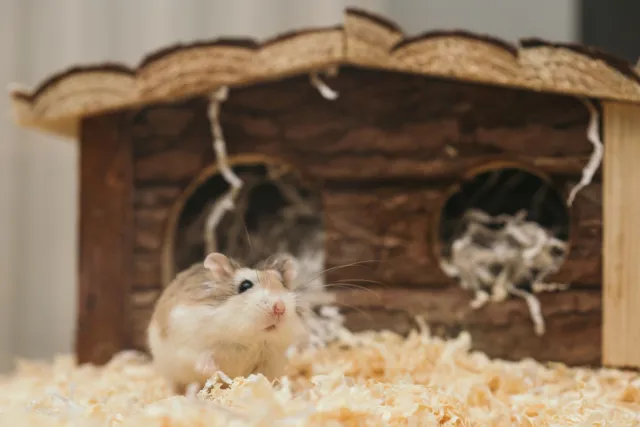
Essential Items to Include in Your Hamster Cage
Discover what should you put in a hamster cage for a happy and healthy pet. Learn about essential items and care tips for your furry friend.


Key takeaways
- Create a comfortable habitat for your hamster.
- Utilize appropriate bedding and nesting materials.
- Ensure proper exercise and enrichment activities.
Setting up a hamster cage is one of the most exciting tasks for new hamster owners. However, knowing what to include in your hamster’s habitat is crucial for their well-being. Hamsters are active, curious creatures that require a stimulating environment to thrive. This guide will explore what should you put in a hamster cage, ensuring your pet has everything they need for a happy, healthy life.
Before you start filling your hamster’s cage, it’s essential to understand their natural behaviors and needs. Hamsters are nocturnal animals, so they are most active during the night. This means your setup should cater to their instinctive behaviors, such as burrowing, climbing, and foraging. The layout and items you choose can significantly impact your hamster’s mental and physical health.
With so many products available on the market, it can be overwhelming to decide what is best for your furry friend. In the sections that follow, we’ll break down essential items to include in your hamster cage, providing recommendations and tips for creating an enriching environment.
Choosing the Right Cage
Before you start adding items to your hamster’s cage, you need to choose the right cage itself. The size and type of cage can greatly influence your hamster’s quality of life. A good hamster cage should have ample space, proper ventilation, and be easy to clean.
Wire cages are popular for hamsters as they provide excellent ventilation and climbing opportunities. However, ensure the spacing between the bars is narrow enough to prevent escape. Glass aquariums can also be suitable, as they offer a secure environment but may require additional ventilation.
When selecting a cage, consider the size of your hamster. Dwarf hamsters can thrive in smaller cages than larger breeds like Syrians. A minimum of 24 inches by 12 inches is recommended for a Syrian hamster, while a 24-inch by 12-inch space works for dwarf hamsters. Always prioritize the welfare of your pet by providing the largest, most enriching space possible.
Essential Bedding Materials
Bedding is one of the most critical components of a hamster’s cage. It serves multiple purposes, including providing a comfortable surface for your hamster to sleep on, helping to manage odors, and allowing for natural digging behaviors. Choosing the right bedding is essential for your hamster’s health and happiness.
There are several bedding options available, each with its pros and cons. Below is a list of some common bedding materials:
- Paper-based bedding: Made from recycled paper, it’s absorbent and dust-free, reducing respiratory issues.
- Aspen shavings: A natural wood product, aspen is a safe option for bedding, but avoid cedar and pine as they can be harmful.
- Timothy hay: Great for nesting, but should be used sparingly as bedding.
- Cotton nesting material: Ideal for creating a cozy nest, but ensure it is safe and does not pose a choking hazard.
When setting up your bedding, aim for a depth of at least 3 to 6 inches. This allows your hamster to burrow and exhibit natural behaviors. Remember to spot clean daily and change the bedding entirely at least once a week to maintain a hygienic environment.

Nesting Materials and Hideouts
Hamsters love to create nests, so providing them with nesting materials is crucial. Safe nesting materials can help your hamster feel secure and content in their environment. Look for materials that are safe and non-toxic.
Common nesting materials include shredded paper, tissue, and hay. Avoid materials like cotton or synthetic fibers, as they can pose choking hazards if ingested. You can also purchase commercial nesting products designed specifically for hamsters.
In addition to nesting materials, providing hideouts is essential. Hideouts give your hamster a place to retreat, sleep, and feel safe. Here are some options for hideouts:
- Wooden houses: Look for untreated wood that is safe for chewing.
- Ceramic or plastic hideouts: Easy to clean and durable, these can be found in various shapes and sizes.
- Cardboard boxes: A simple, cost-effective option, but ensure they are free from harmful inks or coatings.
Exercise Wheels and Toys
Exercise is vital for hamsters to maintain their health and prevent obesity. An exercise wheel is often the centerpiece of a hamster’s exercise routine. When selecting a wheel, consider the following:
- Size: Ensure the wheel is appropriately sized for your hamster. A wheel that is too small can cause back problems.
- Design: Opt for solid surface wheels to prevent injuries caused by wire rungs.
- Noise level: Some wheels can be quite noisy, especially at night. Look for quieter options if noise is a concern.
In addition to a wheel, include various toys to keep your hamster engaged. Toys can help alleviate boredom and encourage natural behaviors. Here are some popular options:
- Tunnels: Hamsters love to burrow and explore, so tunnels can provide enrichment.
- Climbing structures: These can promote physical activity and satisfy your hamster’s urge to climb.
- Chew toys: Essential for dental health, provide safe wooden or cardboard chew toys.

Feeding and Watering Essentials
Proper nutrition is fundamental to your hamster’s health. Ensuring that your hamster has access to fresh food and water is essential. Choose a high-quality hamster pellet as a staple food, and supplement it with fresh fruits and vegetables.
When it comes to feeding, consider the following:
- Food dish: Use a sturdy, heavy dish to prevent tipping. Avoid plastic dishes that can be chewed or destroyed.
- Water bottle: A water bottle with a metal spout is ideal to keep the water clean and prevent spills. Ensure it is easy to refill and clean.
- Fresh produce: Offer small amounts of fruits and vegetables, but avoid citrus fruits and anything harmful.
Monitor your hamster’s food and water intake. Remove uneaten fresh food daily to prevent spoilage. Fresh water should always be available, and the bottle should be checked regularly to ensure it is functioning correctly.
Climate Control and Cage Location
The location of your hamster’s cage is just as important as the items inside. Hamsters thrive in a stable environment, so consider the temperature and humidity levels in your home. Ideal temperatures range from 65°F to 75°F (18°C to 24°C).
Avoid placing the cage in direct sunlight or near heat sources, as this can create an uncomfortable environment. Conversely, areas that are too cold can also be harmful. A well-ventilated room with minimal drafts is ideal.
Additionally, consider the noise level in the area where the cage is located. Hamsters are sensitive to loud noises, which can cause stress. A quiet corner of your home, away from high-traffic areas, is often best.

Health and Wellness Items
Routine Health Monitoring
Keeping an eye on your hamster’s health is crucial for its longevity and well-being. Regularly monitoring your pet for any signs of illness can help you catch potential health issues early. Check for changes in behavior, appetite, or physical appearance, such as fur loss or abnormal lumps.
Investing in a small animal veterinary kit can be beneficial. This kit should include items like a digital thermometer, a scale for weight checks, and even a small pair of scissors for grooming. Ensure that you are familiar with how to use these tools effectively, as regular check-ups can make a significant difference in your hamster’s health.
- Digital thermometer
- Small animal scale
- Grooming scissors
- First-aid supplies
- Feeding syringes for emergencies
Enrichment for Mental Health
Mental stimulation is as important as physical activity for hamsters. Bored hamsters can become stressed or develop behavioral issues, so it’s essential to provide a variety of enrichment options in their cage. This can include toys that encourage problem-solving, interactive feeders, and tunnels that stimulate their natural burrowing instincts.
Consider rotating toys and activities every few weeks to keep your hamster engaged. You can also create DIY enrichment items, such as cardboard tubes or foraging boxes filled with shredded paper and treats. The key is to provide a diverse environment that encourages exploration and play.
- Interactive toys
- DIY enrichment items
- Foraging boxes
- Cardboard tubes
- Rotating toys
Grooming Tools
While hamsters are generally good at grooming themselves, they do benefit from occasional human assistance. Regular grooming can help prevent matting and reduce the risk of skin issues. Depending on your hamster’s breed, you may need different grooming supplies; long-haired hamsters will require more attention than short-haired ones.
Invest in a small brush specifically designed for small animals. A soft-bristled brush is ideal for removing loose fur and debris without irritating your hamster’s skin. Additionally, nail clippers made for small pets are crucial for keeping your hamster’s nails trimmed to prevent overgrowth and injury.
- Soft-bristled brush
- Nail clippers for small animals
- Pet-safe shampoo (if necessary)
- Grooming gloves
- Lint roller for fur cleanup
Environmental Enrichment
Natural Materials for Chewing
Hamsters have a natural instinct to chew, which is vital for their dental health. Providing safe, chewable items helps to keep their teeth trimmed and prevents overgrowth. Look for natural wood items labeled safe for small animals, like apple or willow branches, which can be added to their cage for chewing.
Avoid treated wood or materials that could be toxic to your pet. You can also include commercial chew toys made from safe materials that are specifically designed for hamsters. By offering a variety of chewing options, you can ensure that your hamster remains healthy and content.
- Applewood sticks
- Willow branches
- Commercial chew toys
- Cardboard boxes
- Himalayan salt blocks
Multi-Level Cages and Climbing Opportunities
Hamsters are natural climbers, and providing a multi-level cage can help meet their physical and mental needs. Cages with platforms and ramps not only maximize space but also encourage your hamster to explore and exercise. Make sure that the cage levels are safe and secure to prevent any falls.
Adding climbing toys, such as ladders and ropes, can enhance your hamster’s environment. Ensure that all climbing structures are made from safe materials and are free from sharp edges. By creating a vertical space, you can provide extra stimulation and exercise for your hamster.
- Multi-level cages
- Safe climbing toys
- Ramps and ladders
- Horizontal and vertical tunnels
- Soft landing materials to prevent injuries
Interactive Playtime
In addition to their cage environment, hamsters benefit from regular interaction outside their cage. Set aside time each day for supervised playtime in a safe, enclosed area. This not only enhances their physical health but also strengthens the bond between you and your pet.
Use a playpen or a hamster-safe area where your pet can explore freely. Introduce toys, tunnels, and even small obstacles for an engaging experience. Always supervise your hamster during this time to ensure their safety and prevent any potential escapes.
- Hamster playpen
- Safe toys for outside the cage
- Interactive tunnels
- Obstacle courses
- Supervised play sessions
Emergency Preparedness
Emergency Supplies
Being prepared for emergencies is an essential part of pet ownership. Having a dedicated emergency kit for your hamster can make a significant difference in critical situations. This kit should include essential items that can help you respond quickly to your pet’s needs.
Some key items to include are a small animal carrier for safe transport, a first-aid kit tailored for small pets, and a list of emergency contacts, including your veterinarian and 24-hour animal clinics. It’s also wise to have a supply of your hamster’s regular food and a few favorite treats on hand, as stress can sometimes cause changes in appetite.
- Small animal carrier
- First-aid kit
- Emergency contact list
- Extra food supplies
- Treats for comfort
Understanding Signs of Distress
Recognizing the signs of distress in your hamster can help you act quickly in emergencies. Common indicators include excessive grooming, lethargy, loss of appetite, or unusual vocalizations. Understanding your hamster’s normal behavior will allow you to spot any changes more effectively.
In case of an emergency, having a plan in place can ease the stress for both you and your pet. Familiarize yourself with common health issues in hamsters, such as wet tail or respiratory problems, to identify symptoms early.
- Excessive grooming
- Lethargy
- Changes in eating habits
- Unusual vocalizations
- Signs of pain or discomfort
Evacuation Plan
In the event of a natural disaster or emergency, having an evacuation plan for your hamster is essential. Identify safe locations where you can take your hamster if you need to leave your home. Emergency shelters and friends or family who are pet-friendly are good options to consider.
Ensure that your hamster’s carrier is easily accessible and that it contains essential supplies such as food, water, and bedding. Practice using the carrier so your hamster becomes accustomed to it, reducing stress during an actual emergency.
- Safe evacuation locations
- Accessible carrier
- Emergency supplies checklist
- Familiarity with the carrier
- Contact information for pet-friendly shelters
Frequently Asked Questions
How often should I clean my hamster’s cage?
It is recommended to spot clean your hamster’s cage daily and perform a full clean weekly. This includes changing the bedding and cleaning the toys and food dishes to maintain a hygienic environment.
What should I do if my hamster escapes?
If your hamster escapes, remain calm. Search your home thoroughly, checking small spaces and hiding spots. Make your home less intimidating by turning off loud noises and placing food and water near potential hiding spots to lure them back.
Can I use cedar shavings for bedding?
No, cedar shavings should be avoided as they can be harmful to hamsters. Instead, choose safe bedding options like paper-based bedding or aspen shavings.
How can I tell if my hamster is happy?
A happy hamster will be active, curious, and engage with toys and exercise equipment. Signs of a healthy hamster include good appetite, a clean coat, and regular grooming behavior.
The Bottom Line
Creating an enriching environment for your hamster is vital to their health and happiness. By carefully selecting the right cage, bedding, nesting materials, toys, and nutrition, you can provide a fulfilling habitat for your furry friend. Remember to monitor their health and well-being regularly and consult a veterinarian if you have any concerns. A well-cared-for hamster can bring joy and companionship into your life.
Was this article helpful?

Writer at Mad4Pets. Lifelong animal lover who turns research and vet guidance into practical tips for everyday pet parents.