Best Aquarium Plants for Goldfish: Top Picks for Your Tank
Discover the best aquarium plants for goldfish to enhance their habitat and well-being with this comprehensive guide.

Key takeaways
- Goldfish thrive in planted aquariums.
- Select hardy plants to withstand goldfish activity.
- Ensure proper lighting and care for your plants.
- Create a balanced ecosystem for optimal fish health.
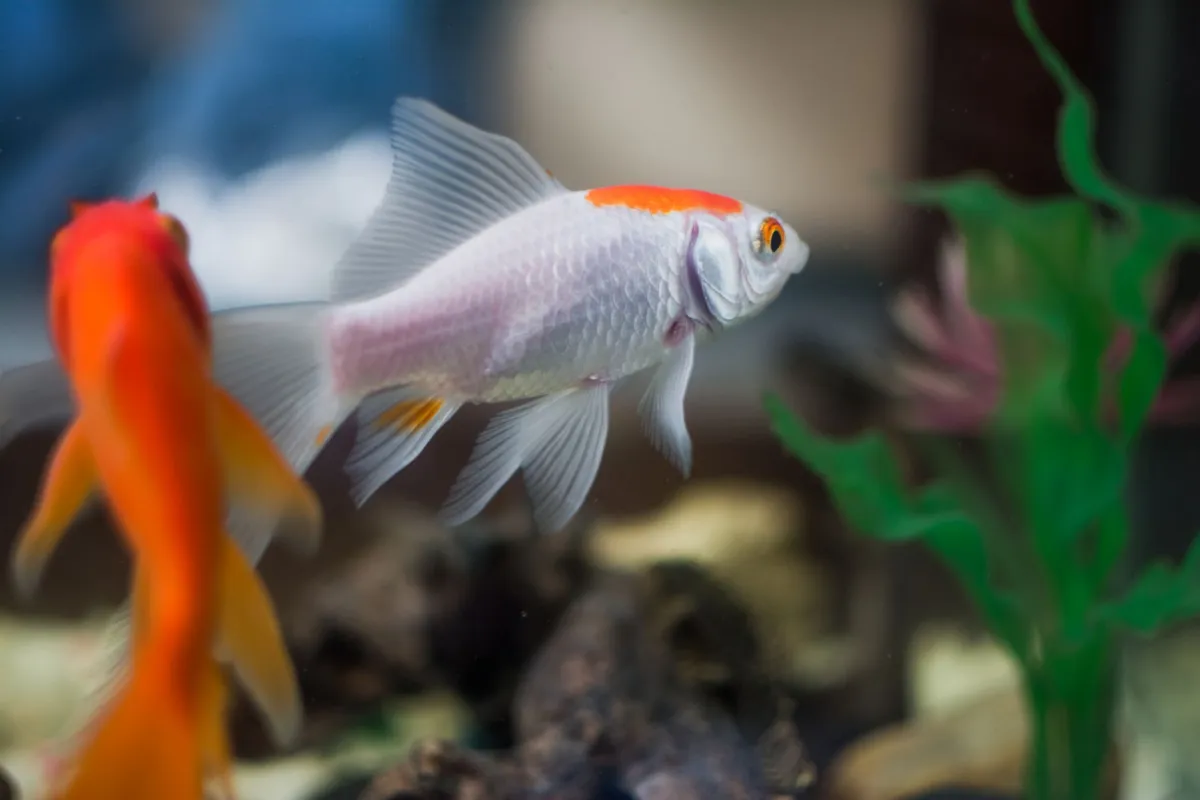
Goldfish are one of the most popular pet fish around the world. They are not only beautiful and colorful but also quite intelligent. One effective way to enhance their living environment is through the addition of aquarium plants. The right plants can provide shelter, enhance water quality, and create a more natural habitat.
In this guide, we will explore the best aquarium plants for goldfish, focusing on their specific needs and preferences. Goldfish are known for their active behavior and tendency to nibble on plants, so choosing hardy varieties is essential. We aim to provide you with all the information needed to create a thriving planted aquarium that is safe and enjoyable for your goldfish.
We will discuss various types of plants, their suitability for goldfish aquariums, and tips for successful planting and maintenance. Whether you are a new goldfish owner or a seasoned aquarist, this guide will help you make informed choices for your underwater garden.
Why Choose Aquarium Plants for Goldfish?
Adding plants to your goldfish tank offers multiple benefits. First, plants act as a natural filter, absorbing nitrates and improving water quality. This is particularly important for goldfish, which produce more waste than many other fish species due to their size and feeding habits.
Second, aquarium plants provide essential hiding spots and shelter for your goldfish. They can help reduce stress by giving fish places to retreat when feeling threatened. Additionally, plants can create a more aesthetically pleasing environment, making your aquarium a beautiful focal point in your home.
Lastly, plants contribute to the overall health of your aquarium ecosystem. They produce oxygen during photosynthesis, which is vital for the well-being of your goldfish. A well-planted aquarium can ultimately lead to happier, healthier fish.
Factors to Consider When Choosing Plants
When selecting plants for your goldfish aquarium, several factors should be taken into account:
- Goldfish Behavior: Goldfish are known to be nibblers and can uproot or consume delicate plants. Choose sturdy varieties that can withstand their activity.
- Lighting Requirements: Ensure that the plants you select are compatible with the lighting conditions of your aquarium. Some plants require high light, while others thrive in low light.
- Water Conditions: Goldfish prefer cooler water temperatures, typically between 65°F and 75°F (18°C to 24°C). Make sure the plants can tolerate these conditions.
- Growth Rate: Consider how quickly the plants grow. Fast-growing plants can help absorb excess nutrients, while slower-growing varieties can add structure and aesthetics.
Best Aquarium Plants for Goldfish
Here are some of the best aquarium plants that are suitable for goldfish tanks:
1. Anubias
Anubias is a hardy, slow-growing plant that is popular among goldfish owners. It can tolerate a variety of water conditions and light levels, making it an adaptable choice. The thick leaves are less likely to be eaten by goldfish, providing a safe option for your tank.
2. Java Fern
Java Fern is another excellent choice for goldfish aquariums. This plant can thrive in low to moderate light and does not require a substrate for planting. It can be attached to rocks or driftwood, keeping it safe from goldfish nibbling.
3. Hornwort
Hornwort is a fast-growing, floating plant that provides excellent cover and oxygenation. Goldfish enjoy swimming among its fronds, and it can help absorb excess nutrients in the water, contributing to a healthier environment.
4. Water Wisteria
Water Wisteria is a versatile plant that can grow both submerged and emersed. It grows quickly and helps to filter water, making it a great addition to a goldfish tank. Its leaves can provide hiding spots for shy fish.
5. Amazon Sword
Amazon Sword is a robust plant that can withstand the active behavior of goldfish. It requires moderate lighting and can grow quite large, creating a beautiful backdrop in your aquarium.
Planting and Care Tips
To ensure your aquarium plants thrive in a goldfish tank, consider the following tips:
- Planting: When planting, ensure that the roots are buried adequately, but avoid burying the crown of the plant, which can lead to rot.
- Trimming: Regular trimming helps maintain plant health and prevents overgrowth. It also allows for better water circulation.
- Fertilization: Use appropriate fertilizers to provide essential nutrients. However, be cautious with the amount you add, as goldfish can be sensitive to chemical changes in their environment.
- Water Quality: Regularly check your water parameters, including pH, ammonia, nitrites, and nitrates, to ensure a healthy environment for both plants and fish.
Common Issues with Aquarium Plants
Even the hardiest plants may face challenges in a goldfish tank. Here are some common issues and solutions:
- Plant Destruction: Goldfish may uproot or eat softer plants. Opt for sturdier varieties and consider using heavier decorations to anchor plants.
- Algae Growth: Excess nutrients can lead to algae issues. Regular water changes and adequate plant growth can help control algae.
- Nutrient Deficiencies: If plants show signs of yellowing leaves, they may need more nutrients. Use liquid fertilizers judiciously to support their growth.
Understanding Goldfish Behavior and Its Impact on Plant Selection
The Natural Habitat of Goldfish
Goldfish are originally from slow-moving freshwater rivers and lakes, where they thrive in environments rich with aquatic vegetation. Understanding their natural habitat can provide insights into their behavior and preferences. In the wild, goldfish are known to graze on plants, making it essential to choose resilient options for your aquarium. They often forage in the substrate, which influences how plants should be anchored and arranged in your tank.
Incorporating plants that mimic their natural surroundings not only enhances the aesthetic appeal of your aquarium but also caters to the behavioral needs of goldfish. Plants should ideally be robust and durable, able to withstand the nibbling and digging habits of these energetic fish. A well-planned aquascape can reduce stress and create a more enriching environment for your goldfish.
Goldfish Interactions with Plants
Goldfish are known for their playful and sometimes destructive behavior. They may uproot or nibble on softer plants, which can lead to damage and frustration for the aquarist. Understanding how goldfish interact with various types of plants helps in selecting the best species for your tank. For example, tougher, more fibrous plants are less likely to be harmed by goldfish, while softer varieties may require more protection or placement strategies.
- Robust plants like Java Fern and Anubias are great choices due to their hardiness.
- Soft-leaved plants like Water Wisteria might require careful placement away from frequent grazing areas.
- Floating plants can provide cover and a natural food source without risking uprooting.
Creating a Suitable Environment
When adding plants to a goldfish tank, it is crucial to consider the overall environment. Goldfish produce a significant amount of waste, which can affect water quality and the health of your plants. Therefore, a good filtration system is necessary to maintain clean water conditions. Additionally, the substrate you choose can impact how easily plants can root and grow. A nutrient-rich substrate can promote healthy plant growth, while gravel may allow for better water flow but provide less anchoring for roots.
Consider using a combination of substrate types to support both plant growth and goldfish behavior. For instance, a layer of nutrient-rich soil under a layer of gravel can provide both stability and nourishment. Additionally, ensuring proper lighting and carbon dioxide levels will help your aquatic plants flourish while also benefitting the goldfish by enhancing the overall tank environment.
Seasonal Care for Aquarium Plants and Goldfish
Adjusting to Seasonal Changes
Seasonal changes can affect the care routine for both your goldfish and their aquatic plants. For example, during the summer months, water temperatures can rise, which may require adjustments in lighting and filtration. Higher temperatures can lead to increased algae growth, which can suffocate plants and harm fish. Regular monitoring of water parameters becomes crucial.
In winter, water temperatures may drop, necessitating the use of heaters to maintain a stable environment. Lower temperatures can slow down plant growth, so it’s essential to adjust your nutrient dosing and lighting duration accordingly. Seasonal changes can also affect the types of plants that thrive in your aquarium, so be prepared to swap out certain species if they struggle during specific times of the year.
Seasonal Plant Maintenance
Regular maintenance tasks can help keep your aquarium plants healthy throughout the year. During spring and summer, plants may grow rapidly, requiring more frequent pruning to prevent overgrowth and ensure adequate light reaches lower leaves. Conversely, during fall and winter, focus on trimming dead or dying leaves to promote healthy growth and prevent decay, which can degrade water quality.
- Prune overgrown plants regularly to maintain shape and health.
- Remove any dead leaves immediately to prevent waste accumulation.
- Monitor nutrient levels based on seasonal growth patterns.
Feeding Goldfish and Its Effect on Plant Growth
Goldfish are omnivores and require a balanced diet for optimal health. The food you choose can have an impact on plant growth as well. Overfeeding can lead to excessive waste, which may result in nutrient overload in your tank. This can cause algae blooms that compete with your plants for resources. To maintain a healthy balance, feed your goldfish the appropriate amount of food they can consume in a few minutes.
Additionally, consider incorporating plant-based foods into their diet. This can help reduce some of the grazing on live plants while providing essential nutrients. Foods rich in fiber can also aid in digestion and overall health, which indirectly supports plant growth by minimizing waste and maintaining water quality.
Integrating Aquatic Plants with Goldfish Tank Design
Design Principles for a Balanced Aquarium
When designing an aquarium for goldfish and aquatic plants, it’s essential to consider the layout and how plants will interact with the fish. A well-designed aquarium should incorporate a variety of plant heights and types to create visual interest and provide hiding places for goldfish. This can also help reduce stress and territorial disputes among fish.
A common design principle is the “rule of thirds,” which suggests dividing the tank into three sections: foreground, midground, and background. Planting taller species in the back and shorter varieties in the front can create depth and a natural look. Additionally, placing plants near rocks or driftwood can help create a more natural habitat that goldfish will enjoy exploring.
Creating Safe Hiding Spaces
Hiding spots are essential for goldfish, as they provide a sense of security and reduce stress. Incorporating plants that can serve as natural hiding spots is beneficial. Dense plant arrangements can create refuges where goldfish can retreat, especially during the breeding season or when they are feeling threatened. Consider using bushy plants like Hornwort or Cabomba, which can create thick cover and additional space for fish to explore.
- Choose plants with broad leaves to provide ample cover.
- Group plants in clusters to create multiple hiding spots.
- Incorporate hardscape elements like rocks or driftwood alongside plants for added security.
Enhancing Visual Appeal with Plant Color and Texture
Color and texture play crucial roles in enhancing the visual appeal of your aquarium. Selecting a variety of plants with different colors and leaf shapes can create a dynamic underwater landscape. For instance, pairing the bright green of Java Moss with the dark green of Anubias can create a striking contrast that highlights the beauty of both plants and goldfish.
Additionally, consider the texture of plants. Some goldfish are known to prefer softer, feathery textures, while others may enjoy the more robust feel of broad-leaved plants. Experimenting with various species can help you find the perfect combination that not only looks good but also meets the needs of your aquatic pets.
Frequently Asked Questions
Can goldfish eat aquarium plants?
Goldfish may nibble on some plants, particularly softer varieties. It is advisable to choose more robust plants that can withstand their feeding behavior.
How many plants should I have in my goldfish tank?
Having a variety of plants can enhance the tank’s aesthetics and provide cover for your goldfish. Aim for about 30% to 50% of the tank space to be covered by plants.
Do I need to provide special lighting for my aquarium plants?
Yes, plants have different lighting needs. Research the specific requirements of the plants you choose and adjust your aquarium lighting accordingly.
Can goldfish thrive in a heavily planted aquarium?
Yes, goldfish can thrive in a well-planted aquarium as long as the plants are suitable and care is taken to maintain water quality.
The Bottom Line
Choosing the best aquarium plants for your goldfish can significantly enhance their habitat and overall well-being. Hardy plants like Anubias, Java Fern, and Hornwort are excellent options that can withstand the activity of goldfish. By considering their needs and providing proper care, you can create a thriving aquatic environment. Remember to monitor water quality and adjust your plant selection as necessary to ensure a successful and beautiful aquarium.
Was this article helpful?

Writer at Mad4Pets. Lifelong animal lover who turns research and vet guidance into practical tips for everyday pet parents.