Setting Up a Saltwater Aquarium: A Complete Guide
Learn how to set up a saltwater aquarium with our detailed guide, covering everything from equipment to maintenance for a thriving environment.


Key takeaways
- Choose the right tank size and location.
- Select essential equipment for filtration and heating.
- Understand the nitrogen cycle and regular maintenance.
Setting up a saltwater aquarium can be an exciting and rewarding experience. Unlike freshwater tanks, saltwater systems require specific equipment and careful planning, but the vibrant colors and diversity of marine life make it worthwhile. This guide will walk you through the essential steps to ensure your aquarium thrives.
Saltwater aquariums mimic oceanic environments, allowing you to keep various species of fish, corals, and invertebrates. Understanding the unique requirements of these creatures is crucial for their health and longevity. Whether you’re a beginner or an experienced aquarist, proper setup and maintenance are key components of a successful saltwater aquarium.
In this guide, we will cover everything from choosing the right tank to maintaining water quality and selecting the best inhabitants for your new aquatic ecosystem.
Choosing the Right Tank
The first step in setting up your saltwater aquarium is selecting the right tank size. Generally, a larger tank is easier to maintain than a smaller one due to its greater water volume, which helps stabilize parameters like temperature and salinity.
Here are some factors to consider when choosing your aquarium:
- Size: A tank of at least 30 gallons is recommended for beginners, as it provides a more stable environment.
- Shape: Consider standard rectangular tanks, which offer more swimming space and easier access for maintenance.
- Material: Glass tanks are more common, but acrylic tanks are lighter and have better insulation properties.
After selecting the tank size, think about its location. Choose a level surface away from direct sunlight and drafts to prevent temperature fluctuations. Make sure there are nearby electrical outlets for equipment.
Tank Placement Considerations
When deciding on the placement of your aquarium, consider the following:
- Weight: A 50-gallon tank can weigh over 500 pounds when filled, so ensure your floor can support it.
- Accessibility: Place the tank where you can easily perform maintenance tasks like cleaning and water changes.
- Viewing Angle: Position the tank for optimal viewing; the front should be easily visible from a main seating area.
Essential Equipment
Once you have the tank, the next step is to gather the necessary equipment. A successful saltwater aquarium requires several components that work together to create a healthy environment.
Here is a list of essential equipment you will need:
- Filtration System: A good filtration system is critical for maintaining water quality. Look for a protein skimmer, which helps remove organic waste.
- Heater: Most marine species thrive in water temperatures between 75°F and 80°F. An adjustable heater will help maintain this range.
- Lighting: Proper lighting is essential, especially if you plan to keep live corals. LED lights are energy-efficient and provide the spectrum necessary for photosynthesis.
- Hydrometer or Refractometer: These tools measure the salinity of your water, ensuring it remains within the ideal range of 1.020 to 1.025 specific gravity.
- Water Pump: A water pump circulates water throughout the tank, promoting oxygen exchange and preventing stagnation.
- Substrate: Choose a substrate like live sand or crushed coral that provides a natural habitat for beneficial bacteria.
Additional Optional Equipment
While the above items are crucial, you may also consider these optional tools:
- Canister Filter: For additional mechanical and chemical filtration.
- Chiller: If you live in a warm climate, a chiller can help maintain stable temperatures.
- Automatic Top Off System: This system maintains water levels by automatically refilling evaporated water.
Understanding the Nitrogen Cycle
Before adding fish to your saltwater aquarium, it is essential to understand the nitrogen cycle. This process establishes beneficial bacteria that convert harmful ammonia into less toxic substances.
The nitrogen cycle consists of three main stages:
- Ammonia Stage: Fish waste, uneaten food, and decaying matter produce ammonia, which is toxic to aquatic life.
- Nitrite Stage: Beneficial bacteria called Nitrosomonas convert ammonia into nitrite. While nitrite is still toxic, it is less harmful than ammonia.
- Nitrate Stage: Another type of bacteria, called Nitrobacter, converts nitrite into nitrate, which is less harmful and can be managed through regular water changes.
To establish the nitrogen cycle, you can either add ammonia manually or introduce a few hardy fish to kickstart the process. This cycle usually takes 4 to 6 weeks to complete.
Testing Water Quality
Throughout the cycling process and beyond, regularly testing your water quality is crucial. Key parameters to monitor include:
- Ammonia Levels: Should be 0 ppm at all times.
- Nitrite Levels: Should also remain at 0 ppm.
- Nitrate Levels: Ideally under 20 ppm for a healthy tank.
- pH Levels: Should range between 7.8 and 8.4 for most marine species.
- Salinity: Maintain a specific gravity between 1.020 and 1.025.
Adding Live Rock and Sand
Live rock and sand are essential components of a saltwater aquarium. They serve as natural filtration, provide habitat for marine life, and enhance the aesthetic appeal of your setup.
When selecting live rock, consider the following:
- Quality: Look for rock that is free from pests and algae. It should have a variety of shapes to create hiding spots for fish.
- Location: Purchase from reputable sources, ensuring that the rock has been harvested sustainably.
- Weight: Aim for about 1 to 2 pounds of live rock per gallon of water.
Live sand, often containing beneficial bacteria and microorganisms, helps kickstart the nitrogen cycle. A depth of 1 to 2 inches is typical for effective filtration.
Setting Up the Aquascape
Creating an attractive aquascape enhances the beauty of your aquarium while providing shelter for fish. Here are some tips for successful aquascaping:
- Layering: Place larger rocks at the bottom and smaller ones on top to create a stable structure.
- Open Spaces: Ensure there are open swimming areas for fish and hiding spots for shy species.
- Coral Placement: If keeping corals, place them where they receive adequate light and water flow.
Selecting Fish and Other Inhabitants
Choosing the right fish and invertebrates is crucial for a balanced ecosystem. Research species compatibility and their specific care requirements before making a selection.
Here are some popular saltwater fish options:
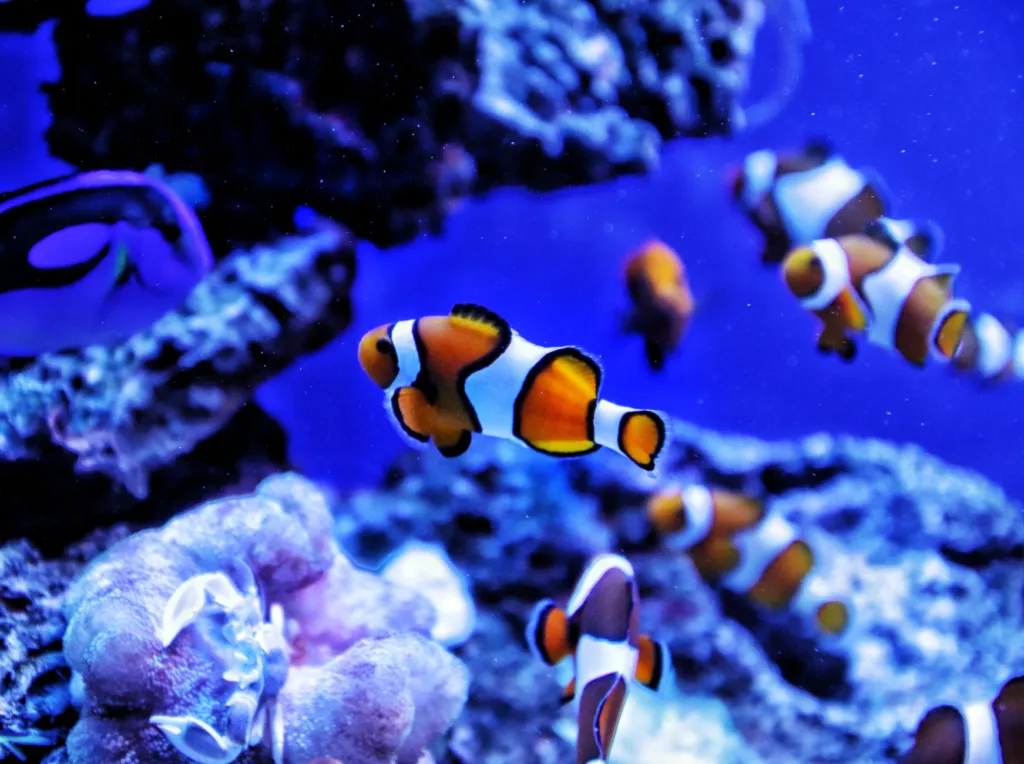
- Clownfish: Hardy and colorful, they are excellent for beginners.
- Damselfish: Another resilient option, though they can be territorial.
- Royal Gramma: A peaceful species known for its vibrant colors.
Invertebrates can also enhance your aquarium:
- Cleaner Shrimp: Help keep the tank clean and offer a unique interaction.
- Corals: Soft and hard corals add color and complexity to your setup.
- Snails and Crabs: Great for algae control and maintaining a clean substrate.
Compatibility and Schooling
When selecting fish, it’s vital to consider their compatibility. Avoid mixing aggressive species with more peaceful ones. Additionally, some fish prefer to be in schools, so consider keeping them in groups, like a school of neon gobies or chromis.
Maintenance and Regular Care
Maintaining your saltwater aquarium requires regular attention to keep the environment stable and healthy for its inhabitants. Here are some maintenance tasks you will need to perform:
- Water Changes: Change 10-20% of the water weekly to help maintain water quality.
- Cleaning Equipment: Regularly clean the filter and heater to ensure they function properly.
- Monitoring Parameters: Test water parameters weekly, especially during the cycling phase.
Regular observation of your fish and corals is also essential. Look for signs of stress or illness, such as changes in behavior or coloration. If you notice any abnormalities, consult with a veterinarian specializing in aquatic species.
Water Quality Management
Understanding Salinity and Its Impact
Salinity is one of the most critical parameters in a saltwater aquarium. It refers to the concentration of salt in water, which typically ranges between 1.020 and 1.025 specific gravity for marine environments. Maintaining proper salinity is essential because it affects the osmotic balance of fish and other aquatic organisms. Changes in salinity can lead to stress, disease, and even death. Regularly using a refractometer or a hydrometer can help ensure that the salinity levels remain consistent.
To adjust salinity, you can either add freshwater to lower it or add more salt mix to raise it. It’s important to make these adjustments slowly to avoid shocking the delicate inhabitants of your aquarium. A sudden change in salinity can lead to osmotic shock, which can be fatal to sensitive species.
Monitoring pH Levels
The pH level in your saltwater aquarium is another crucial aspect of water quality management. Ideally, the pH should range between 7.8 and 8.5. If the pH drops below this range, it can lead to increased toxicity of ammonia and other compounds, negatively affecting fish health. Regular monitoring with a reliable pH test kit is essential.
To maintain stable pH levels, consider the following:
- Use quality salt mixes that buffer pH.
- Implement regular water changes to ensure consistent parameters.
- Add calcium carbonate-based substrates or decorations, which can help stabilize pH over time.
- Consider using a protein skimmer, which can help reduce organic waste that can lower pH levels.
Managing Nutrient Levels
Nutrients such as nitrates and phosphates can accumulate in a saltwater aquarium, leading to algae blooms and poor water quality. Regular testing is crucial to ensure that these levels remain low. Nitrates should ideally be kept below 20 ppm, while phosphates should be less than 0.03 ppm. High levels can lead to nuisance algae and other problems.
To manage nutrient levels effectively, consider these tips:
- Perform regular water changes to dilute nutrient concentrations.
- Implement a good filtration system, including mechanical, chemical, and biological filtration.
- Introduce macroalgae or a refugium in your setup, which can naturally absorb excess nutrients.
- Avoid overfeeding your fish, as uneaten food can contribute to nutrient buildup.
Choosing Appropriate Invertebrates
Benefits of Invertebrates in Your Aquarium
Invertebrates can play a vital role in the ecological balance of your saltwater aquarium. They help control algae growth, clean up detritus, and contribute to the overall health of the tank. Common invertebrates include snails, crabs, and shrimp, which can be both functional and aesthetically pleasing.
Many invertebrates also serve as excellent scavengers, consuming uneaten food and waste products that accumulate in the substrate. This natural cleaning process can significantly reduce the need for manual cleaning and help maintain water quality.
Compatibility Considerations
While adding invertebrates to your aquarium can be beneficial, it is crucial to consider the compatibility of species. Some fish, particularly those that are territorial or predatory, may see invertebrates as food. Before introducing any new invertebrate, research the specific species and their compatibility with your existing tank inhabitants.
Here are some general guidelines for compatibility:
- Avoid keeping aggressive fish with smaller, more delicate invertebrates.
- Monitor the behavior of new additions closely for signs of aggression.
- Research each species’ dietary needs to ensure they can coexist.
- Plan for the space requirements of both fish and invertebrates to reduce stress.
Care Requirements for Popular Invertebrates
Different invertebrates have varying care requirements, so it’s important to familiarize yourself with their needs before adding them to your aquarium. Here are some popular options and their care tips:
- Nassarius Snails: Excellent scavengers that bury themselves in the sand. They prefer sandy substrates and should be kept in groups for optimal effectiveness.
- Cleaner Shrimp: Known for their symbiotic relationship with fish, they help keep parasites at bay. They require hiding spots and should be kept in pairs or small groups.
- Hermit Crabs: They need access to shells for growth and protection. Be sure to provide a variety of shell sizes and types.
- Coral Bandit Shrimp: These are more aggressive and should be housed with caution. They fare well in larger tanks with plenty of hiding spots.
Lighting Considerations in a Saltwater Aquarium
Types of Lighting
Lighting is an essential element in a saltwater aquarium, particularly if you plan to keep corals or other photosynthetic organisms. The two primary types of lighting are LED and T5 fluorescent. LED lights are energy-efficient and have a longer lifespan, while T5 fluorescent lights provide excellent coverage and color rendering.
When selecting lighting, consider the following aspects:
- Light intensity, which varies based on the needs of your inhabitants.
- The color spectrum, as different wavelengths promote growth in corals and plant life.
- Adjustability, allowing you to customize light cycles and intensity.
- Heat output, as some lighting types may increase tank temperatures.
Light Duration and Cycles
Establishing a proper light cycle is crucial for maintaining a healthy aquarium. Most aquarists recommend a light duration of 8 to 12 hours per day. This mimics natural day/night cycles and helps prevent algae overgrowth while promoting coral health. Use a timer to ensure consistency, as fluctuating light schedules can stress tank inhabitants.
In addition to duration, consider incorporating a dawn and dusk simulation if your lighting system allows. This gradual increase and decrease in light intensity can mimic natural conditions and reduce stress for your fish and corals.
Special Considerations for Coral Lighting
If you plan to keep corals in your aquarium, pay special attention to their lighting needs. Different species have varying light requirements, ranging from low to high intensity. Research the specific needs of your corals and adjust your lighting accordingly. Some corals may thrive under lower light, while others require intense lighting for optimal growth.
Here are some tips for coral lighting:
- Position higher light-demanding corals closer to the surface.
- Monitor coral health and coloration to assess light adequacy.
- Consider adding supplemental lighting if necessary.
- Be cautious of light bleaching, which occurs when corals receive too much light.
Frequently Asked Questions
How long does it take to cycle a saltwater aquarium?
The nitrogen cycle typically takes 4 to 6 weeks to complete. Patience is essential during this phase.
Can I mix freshwater fish with saltwater fish?
No, freshwater and saltwater fish have different environmental needs and cannot coexist in the same aquarium.
What should I feed my saltwater fish?
Most saltwater fish require a varied diet, including high-quality flakes, pellets, and frozen or live foods like brine shrimp and mysis shrimp.
Is a saltwater aquarium expensive to maintain?
While the initial setup cost can be high, ongoing maintenance costs can be manageable with proper planning and care.
The Bottom Line
Setting up a saltwater aquarium can be a fulfilling endeavor that brings the beauty of the ocean to your home. By carefully planning your setup, understanding the nitrogen cycle, and maintaining water quality, you can create a thriving habitat for your marine life. Remember to research each species’ needs and maintain regular care to ensure a successful aquarium experience.
Was this article helpful?

Writer at Mad4Pets. Lifelong animal lover who turns research and vet guidance into practical tips for everyday pet parents.