How to Choose a Healthy Kitten for Your Home
Learn how to choose a healthy kitten with our expert tips, ensuring a happy start for your new furry family member.


Key takeaways
- Look for physical signs of health.
- Consider the kitten's behavior.
- Ask about their medical history.
Bringing a kitten into your home can be a joyful experience, but choosing the right one is essential for a healthy and harmonious relationship. A healthy kitten can grow into a vibrant and loving adult cat, while a kitten with health issues may bring unforeseen challenges. This guide will help you understand the key factors to consider when you want to choose a healthy kitten.
Understanding what to look for in a kitten can make all the difference in ensuring that your new pet is healthy. From physical characteristics to behavioral traits, knowing the signs of health can guide you in making the right choice. This article explores the various elements to consider, including the kitten’s medical history, appearance, and behavior.
As you embark on this journey, remember that consulting with a veterinarian is crucial in making informed decisions. Their expertise will not only help you choose the right kitten but also set you up for a successful pet-parenting experience.
Physical Signs of a Healthy Kitten
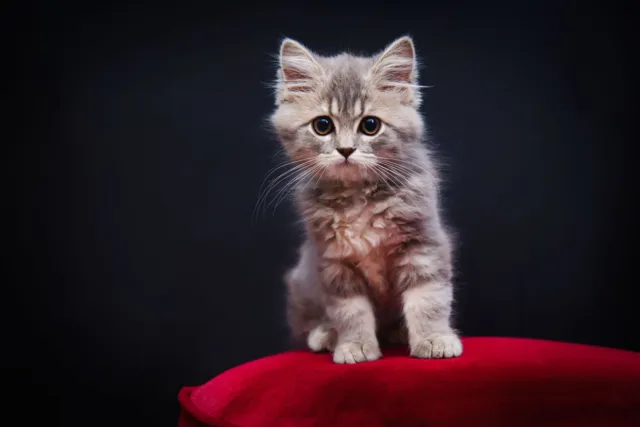
When selecting a healthy kitten, start by assessing its physical characteristics. This involves closely observing the kitten’s body and overall appearance.
Here are some key physical signs to look for:
- Eyes: Bright, clear eyes without any discharge or redness indicate good health.
- Coat: A shiny, clean coat free from mats and parasites is a positive sign.
- Nose: The kitten’s nose should be cool and damp, without any discharge.
- Ears: Clean ears without wax build-up or discharge suggest the absence of infections.
- Teeth: Healthy kittens should have clean teeth with no signs of gum disease.
- Body Condition: A healthy kitten should have a firm body, not too thin or overweight, with a defined waist.
- Movement: Observe the kitten’s movement; it should be agile and playful without any signs of limping or discomfort.
Taking the time to closely inspect these physical traits can help you gauge the overall health of a kitten before making a decision.
Consulting with a Veterinarian
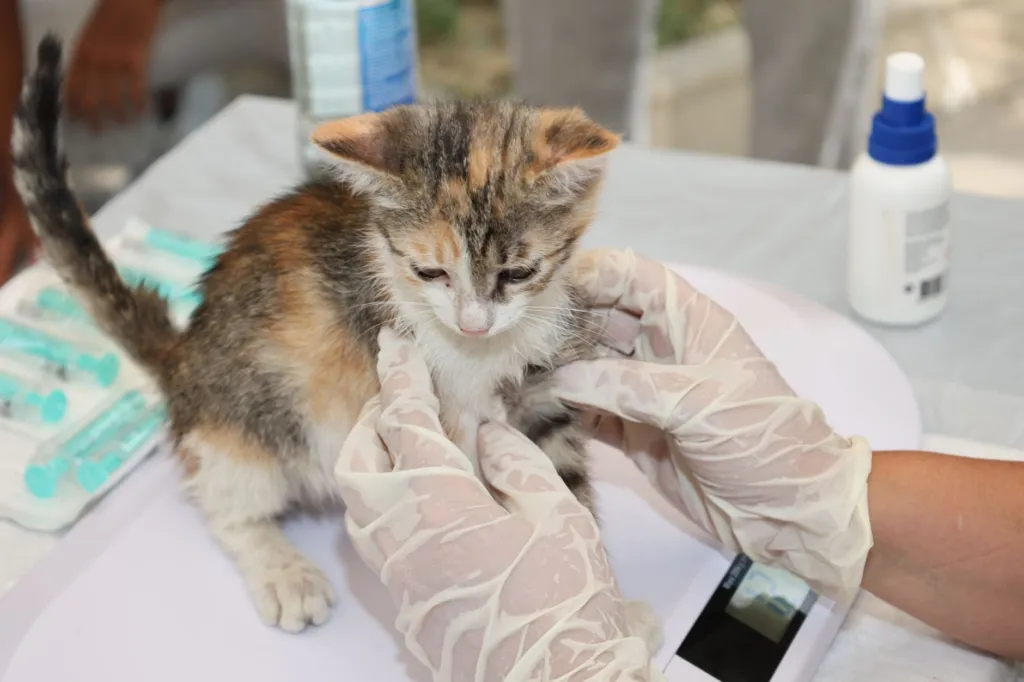
Before finalizing your choice, consider taking the kitten to a veterinarian for a health check. A vet can provide a thorough examination and help you understand any potential health concerns.
During the visit, the veterinarian will check for:
- Parasites, such as fleas and worms.
- Vaccination status to ensure the kitten is up-to-date.
- Any signs of congenital issues that may not be visible to the naked eye.
Having a professional opinion can give you peace of mind and help you make an informed decision about your new furry friend.
Behavioral Indicators of Health
Behavior plays a significant role in determining the overall health of a kitten. A healthy kitten will exhibit certain behaviors that indicate they are well-adjusted and thriving.
Observe the following behavioral traits:
- Playfulness: A healthy kitten should be curious and playful, showing interest in toys and interaction with people.
- Socialization: Look for kittens that are comfortable around people and other animals. A well-socialized kitten will approach you for attention.
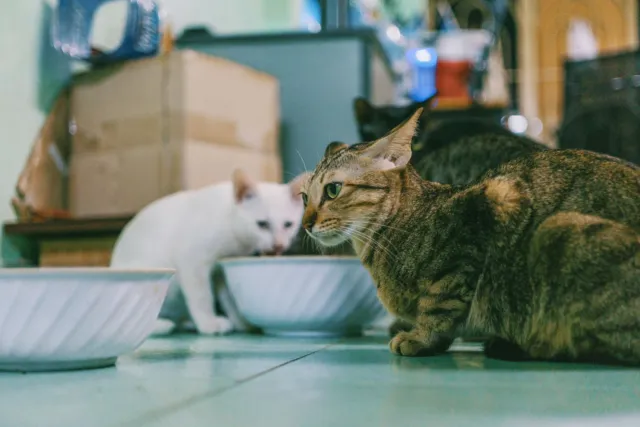
- Eating Habits: A healthy appetite is a good sign. Watch how the kitten responds to food and ensure they eat without hesitation.
- Grooming: Kittens will groom themselves regularly. An unkempt coat can indicate stress or illness.
- Vocalization: While all kittens meow, a healthy kitten will have a range of vocalizations that vary in pitch and tone, indicating normal communication.
Understanding these behavioral indicators can help you choose a kitten that is not only healthy but also ready to integrate into your home smoothly.
Assessing Interaction with Littermates
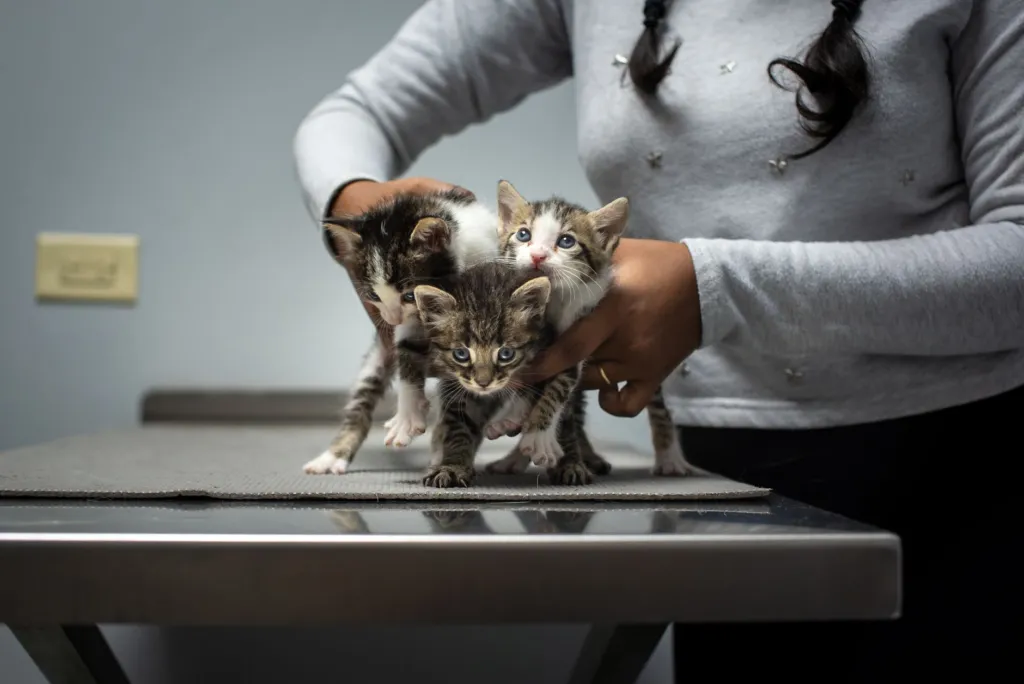
When visiting a litter, observe how the kittens interact with each other. Healthy kittens will engage in play, display social behaviors, and exhibit a range of interactions.
Look for signs such as:
- Playing together: Kittens should engage in chasing, pouncing, and lightweight wrestling.
- Sharing space: Healthy kittens will be comfortable being close to their littermates.
- Responding to cues: Kittens that respect each other’s boundaries are likely to be well-adjusted.
A kitten that is overly aggressive, withdrawn, or fearful in the presence of its siblings may have underlying health or behavioral issues that could affect its adjustment to a new home.

Medical History and Vaccination Records
Before adopting a kitten, it is crucial to understand its medical history. A good breeder or rescue organization will provide documentation of the kitten’s health and vaccination status.
Key documents to request include:
- Vaccination Records: Ensure the kitten has received initial vaccinations, including FVRCP (Feline Viral Rhinotracheitis, Calicivirus, and Panleukopenia) and rabies.
- Health Certificates: A certificate from a veterinarian confirming the kitten’s health status is essential.
- Spay/Neuter Information: If applicable, check whether the kitten has been spayed or neutered, or if there are plans for it.
Being informed about the medical history can help you prepare for future veterinary care and ensure that you are starting with a healthy foundation.
Understanding Preventive Care
Preventive care is crucial for maintaining your kitten’s health. Understanding the recommended schedule for vaccinations and check-ups will help you keep your kitten healthy.
Here’s a general timeline for vaccinations:
| Age | Vaccinations | Notes |
|---|---|---|
| 6-8 weeks | FVRCP | First vaccination round. |
| 10-12 weeks | FVRCP, and possibly rabies | Second round of FVRCP and rabies. |
| 14-16 weeks | FVRCP, rabies | Final series of vaccinations. |
| Annual | Boosters | Yearly vaccinations as recommended. |
Scheduled visits to the veterinarian for these vaccines will help prevent common feline illnesses.
Choosing the Right Environment
The environment from which you adopt your kitten is equally important. A clean, safe, and nurturing environment is indicative of a responsible breeder or rescue organization.
When visiting an adoption center or breeder, take note of:
- Cleanliness: The space should be clean and free from foul odors. A dirty environment can lead to health issues.
- Socialization: Kittens that are raised in a loving environment with human interaction tend to be more social and well-adjusted.
- Health Practices: Ask about the health practices of the breeder or rescue, including vaccinations and deworming.
A positive and nurturing environment can significantly influence the health and temperament of your future kitten.
Assessing the Breeder or Adoption Agency
Choosing a reputable breeder or adoption agency is fundamental to finding a healthy kitten. Research and ask questions to ensure you are making an informed choice.
Consider the following:
- Reputation: Look for reviews and testimonials from previous adopters.
- Transparency: A good breeder or agency should be open about the kitten’s health history and willing to answer your questions.
- Follow-Up Support: Some breeders offer post-adoption support, which can be beneficial as you acclimate your new kitten to your home.
Taking the time to choose wisely will help you find a healthy kitten that can thrive in your care.
Nutrition and Diet Considerations
Understanding Kitten Nutritional Needs
Kittens have specific nutritional requirements that differ significantly from adult cats. During their growth phase, they require a diet that is rich in protein, fat, vitamins, and minerals to support their rapid development. Look for kitten-formulated food that lists meat as the primary ingredient. A balanced diet will help promote healthy growth, strong bones, and overall vitality.
In addition to macronutrients, kittens need certain micronutrients, such as taurine, which is essential for heart and eye health. Feeding your kitten a high-quality, commercially prepared kitten food is often the best choice to ensure they receive all the nutrients they need.
To ensure you are providing a balanced diet, consider incorporating the following components into your kitten’s meals:
- Protein sources such as chicken, turkey, or fish
- Healthy fats for energy, like fish oil
- Essential vitamins and minerals from fruits and vegetables
Transitioning to Solid Food
If you adopt a kitten that is still nursing or on a wet food diet, transitioning them to solid food should be done gradually. Start by mixing a small amount of solid food with wet food, increasing the solid portion gradually over a week or two. This will help prevent digestive upset and encourage your kitten to accept the new food.
Monitor your kitten’s reactions during this transition period. If you notice any signs of gastrointestinal distress, such as vomiting or diarrhea, slow down the transition and consult your veterinarian if symptoms persist. Consistency and patience are key to ensuring your kitten adapts smoothly to their new diet.
Hydration and Water Intake
Hydration is a crucial aspect of your kitten’s diet that is often overlooked. Kittens are prone to dehydration, especially if they consume dry food. Always provide fresh, clean water to ensure they remain hydrated. You can also encourage water intake by offering wet food, which contains a higher moisture content than dry kibble.
Monitor your kitten’s drinking habits and ensure they are drinking enough water daily. If you notice that your kitten is not drinking as much as they should, consider using a cat water fountain, which many cats find more appealing than a static bowl.
Socialization and Interaction
The Importance of Early Socialization
Socialization is a critical aspect of raising a well-adjusted kitten. Early exposure to various environments, people, and other animals can help prevent behavioral issues in the future. Ideally, kittens should be socialized between 2 and 9 weeks of age, as this is a sensitive period for learning and adaptation.
Introduce your kitten to different sounds, sights, and experiences in a controlled and positive manner. This could include gentle handling, exposure to different surfaces, and meeting friendly, vaccinated pets. Positive experiences during this formative stage can help your kitten develop confidence and reduce fearfulness later in life.
Playtime and Mental Stimulation
Interactive play is essential for a kitten’s physical and mental well-being. Engaging your kitten with toys, such as feather wands, laser pointers, or small balls, can help develop their hunting instincts and provide crucial exercise. Aim for at least 20-30 minutes of structured playtime each day, which can also strengthen the bond between you and your kitten.
Incorporate puzzle toys and treat-dispensing toys to provide mental stimulation. These toys challenge your kitten’s problem-solving skills and keep them entertained, reducing the likelihood of developing destructive behaviors due to boredom.
Understanding Kitten Body Language
Being attuned to your kitten’s body language can significantly enhance your understanding of their emotional state. Kittens communicate their feelings through various postures and movements. For example, a kitten with an upright tail is likely feeling confident and happy, while a puffed-up tail may indicate fear or aggression.
Learning to read these signals can help you respond appropriately to your kitten’s needs. If your kitten displays signs of stress or discomfort, such as hiding or excessive grooming, it is essential to address the underlying cause and provide a safe, comforting environment.
Selecting the Right Breed for Your Lifestyle
Understanding Different Breed Temperaments
Different cat breeds have varying temperaments, energy levels, and social needs. Before choosing a kitten, it is essential to consider how their characteristics align with your lifestyle. For example, breeds like Siamese and Abyssinians are known for their high energy and social nature, making them ideal for active families. In contrast, breeds like the British Shorthair or Ragdoll tend to be more laid-back and may be better suited for quieter homes.
Researching your desired breed’s traits can help ensure you select a kitten that fits well into your household dynamics. Take the time to read breed profiles, talk to breeders, or visit breed-specific rescue groups to learn more about their personalities and needs.
Considerations for Mixed-Breed Kittens
Mixed-breed kittens can offer unique advantages, including hybrid vigor, which often leads to fewer health problems compared to purebreds. They can also exhibit a blend of traits from both parent breeds, making them versatile companions. Adopting a mixed-breed kitten from a shelter can open up the opportunity to find a loving pet while also supporting animal rescue efforts.
When considering a mixed-breed kitten, observe their behavior and interactions with people and other pets. This can provide insight into their temperament and help you determine if they would be a good fit for your home.
Future Considerations for Your Kitten’s Health
As you choose a kitten, it’s essential to consider not just their immediate health but also their long-term well-being. Certain breeds may be predisposed to specific health issues, so it’s vital to be aware of potential concerns. Regular veterinary check-ups, vaccinations, and preventive care are crucial in maintaining your kitten’s health throughout their life.
Additionally, consider factors such as grooming needs, dietary restrictions, and exercise requirements when selecting a breed. Being informed will help you provide the best possible care for your new feline companion.
Frequently Asked Questions
What should I look for in a healthy kitten?
Look for bright eyes, a clean coat, and a playful demeanor. Ensure the kitten is active, social, and shows no signs of illness.
How can I ensure my kitten stays healthy?
Regular veterinary check-ups, vaccinations, a balanced diet, and a safe environment are key to maintaining your kitten’s health.
When should I take my kitten to the vet?
Schedule a visit to the vet as soon as you adopt your kitten, and follow up according to vaccination schedules and health check recommendations.
Is it better to adopt a kitten from a shelter or a breeder?
Both options can yield healthy kittens, but adopting from a shelter can provide a home to an animal in need, while reputable breeders can offer specific breed traits and health histories.
The Bottom Line
Choosing a healthy kitten involves careful observation of physical traits, behavior, and the environment from which you adopt. Understanding medical history and preventive care is essential for a smooth transition into your home. With the right knowledge and preparation, you can welcome a healthy kitten that will grow into a loving companion.
Was this article helpful?

Writer at Mad4Pets. Lifelong animal lover who turns research and vet guidance into practical tips for everyday pet parents.