Top Cat Trees for Indoor Cats That Promote Play and Comfort
Discover the best cat trees for indoor cats that provide play, comfort, and safety, ensuring your feline friends stay active and happy.

Key takeaways
- Cat trees enhance indoor play and exercise.
- Choose the right size and material for your cat.
- Consider your cat's preferences and behaviors.
- Regular maintenance keeps cat trees safe and clean.
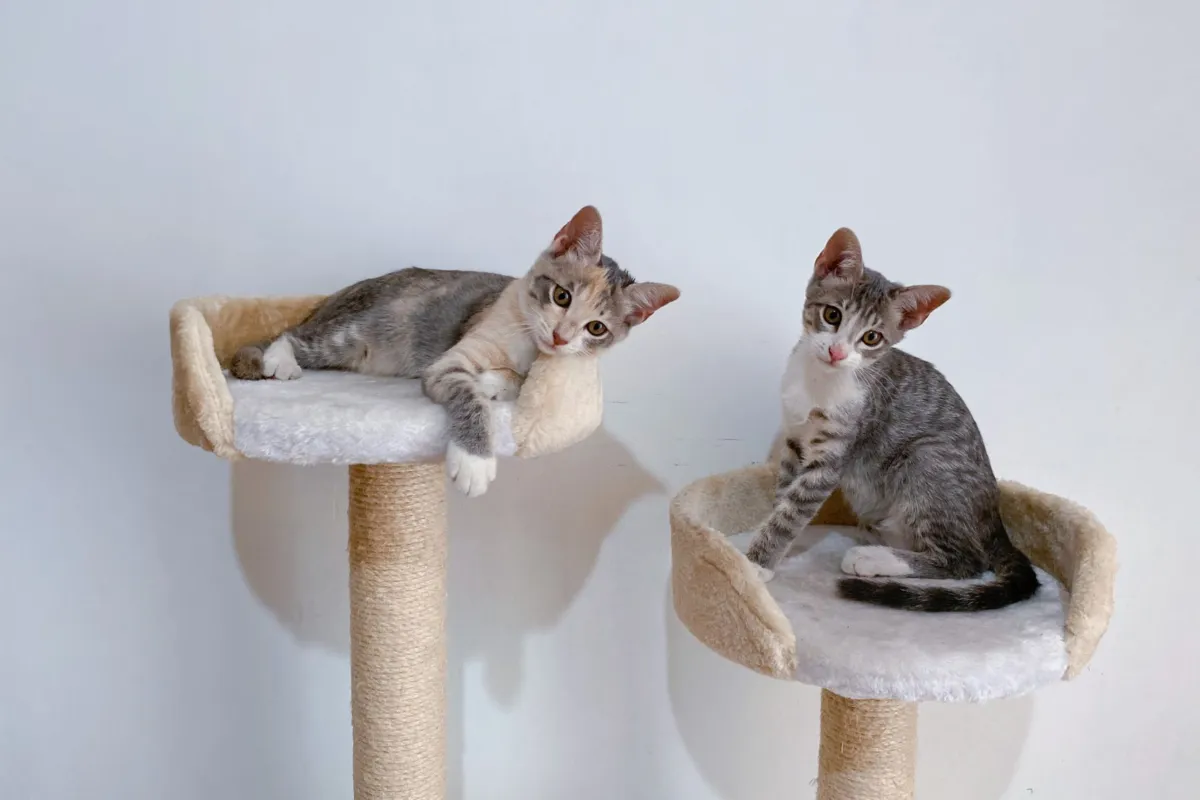
Creating a stimulating environment for indoor cats is essential for their well-being and happiness. One of the best ways to achieve this is through cat trees. These structures provide a space for climbing, scratching, and lounging, which are all natural behaviors for felines. In this article, we will explore the best cat trees for indoor cats, highlighting their features, benefits, and tips for choosing the right one for your furry friend.
Indoor cats often lack the outdoor stimulation that helps keep them active and engaged. A well-designed cat tree can serve as a substitute, offering them a place to explore and play. This article will guide you through various options available in the market, ensuring you find the perfect cat tree that suits your cat’s needs and your home.
From multi-level towers to cozy hideaways, the right cat tree can transform your indoor space into a playground for your feline. Let’s dive into the various aspects of cat trees, including their benefits, types, and what to consider when making your purchase.
Benefits of Cat Trees for Indoor Cats
Cat trees provide numerous advantages for indoor cats, ranging from physical exercise to mental stimulation. Here are some key benefits:
- Physical Activity: Cat trees encourage climbing and jumping, which help maintain a healthy weight and muscle tone. These activities are crucial for indoor cats that don’t have the opportunity to roam freely outside.
- Scratching Posts: Many cat trees come equipped with scratching surfaces. This feature allows cats to fulfill their natural instinct to scratch, helping to keep their claws healthy and your furniture safe.
- Safe Retreat: Cat trees often include enclosed spaces or high perches where cats can retreat and feel secure. This is especially important for shy cats that may need a safe haven from household activity.
Additionally, cat trees can serve as a bonding tool between you and your pet. Spending time together while they explore their new structure can enhance your relationship.
Types of Cat Trees
When searching for the best cat trees for indoor cats, it is important to understand the various types available. Each type serves different purposes and caters to different feline preferences.
Multi-Level Cat Trees
Multi-level cat trees are popular choices for many cat owners. They typically include several platforms at varying heights, allowing cats to climb and survey their environment. The heights can vary significantly, so finding one that fits your space is essential.
Wall-Mounted Cat Trees
For those with limited floor space, wall-mounted cat trees can be a great solution. These structures attach directly to the wall and often consist of shelves and ramps, allowing cats to navigate vertically without taking up valuable floor space.
Cat Condos
Cat condos are enclosed structures that provide a cozy hideaway for your cat. These are perfect for shy or anxious cats who may prefer a more secluded and secure environment.
What to Consider When Choosing a Cat Tree
Choosing the right cat tree involves several factors that can influence your cat’s enjoyment and safety. Here are important considerations:
Size and Space
Before making a purchase, consider the size of the cat tree you want. Measure your available space to ensure the tree fits comfortably without overcrowding your home. Cats appreciate vertical space, so consider taller trees if you have the room.
Material and Durability
Look for cat trees made from durable materials that can withstand regular use. Solid wood and high-quality fabrics tend to last longer than cheaper alternatives. This is particularly important for active cats who may jump and climb frequently.
Design and Aesthetics
While functionality is critical, the design and appearance of the cat tree should also match your home decor. Many manufacturers offer various colors and styles, allowing you to choose one that complements your living space.
Top Features to Look For
When selecting the best cat trees for indoor cats, some features can enhance the overall experience for both you and your feline friend. Here are features to prioritize:
- Sturdy Base: A solid base will prevent tipping and ensure your cat feels safe while climbing.
- Easy to Clean: Look for removable covers or materials that can be easily wiped down.
- Multiple Scratching Surfaces: The more scratching areas available, the less likely your cat will resort to scratching your furniture.
- Interactive Elements: Some cat trees include features like toys or hanging balls to keep your cat engaged.
Recommended Cat Trees
Here are some highly-rated cat trees that cater to various needs and preferences:
| Cat Tree Name | Key Features | Price Range |
|---|---|---|
| Frisco 62-Inch Cat Tree | Multi-level platforms, several scratching posts, plush fabric | $100 – $150 |
| Vesper V-High Base Cat Tree | Modern design, memory foam cushions, scratching pads | $150 – $200 |
| PawHut Cat Tree Condo | Enclosed spaces, multiple levels, sturdy construction | $70 – $120 |
| Catit Vesper V-High Base | Stylish, durable, easy to clean | $150 – $200 |
Maintenance Tips for Cat Trees
Regular maintenance of your cat tree is crucial for safety and longevity. Here are some tips to keep it in good condition:
- Regular Cleaning: Vacuum the tree weekly to remove hair and debris. Spot clean any stains with pet-safe cleaners.
- Inspect for Damage: Regularly check for loose parts or worn-out scratching surfaces. Repair or replace components as necessary.
- Rotate and Rearrange: Occasionally change the layout of your cat tree to keep it interesting for your cat. This can stimulate their curiosity and encourage exploration.
Understanding the Importance of Height in Cat Trees
Why Cats Love Heights
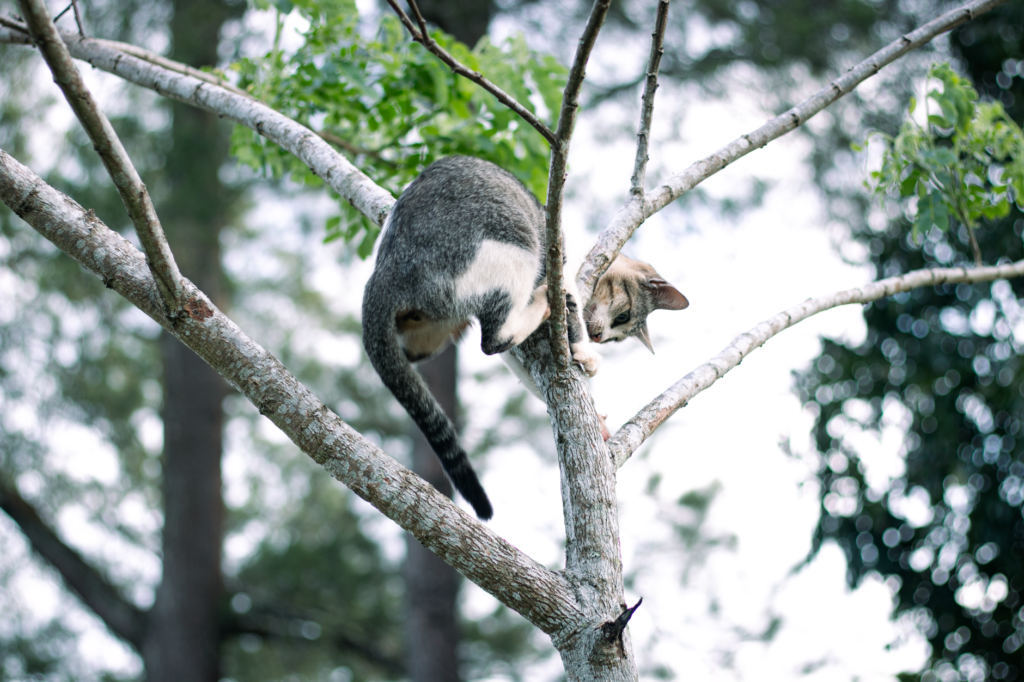
Cats are natural climbers and their instinct drives them to seek high vantage points. This behavior stems from their ancestry as hunters who would perch in trees to survey their territory for potential prey. By providing a cat tree that offers multiple levels, you give your indoor cat an opportunity to indulge in this natural instinct. This vertical space allows them to feel secure and in control of their environment.
Moreover, a height advantage can significantly reduce stress among cats. When they can observe their surroundings from a higher point, they feel safer, which can mitigate anxiety, especially in multi-pet households. Understanding this can help you select a cat tree that not only serves as a play area but also as a comforting retreat for your feline friend.
Choosing the Right Height
When selecting a cat tree, consider the height options available. The right height can vary based on your cat’s age, physical ability, and temperament. Here are factors to consider:
- Kittens: Look for lower platforms that are easy for them to jump onto as they develop their climbing skills.
- Adult Cats: Most adult cats enjoy heights ranging from three to five feet.
- Senior Cats: Opt for lower trees with gentle ramps or steps to accommodate their mobility challenges.
Furthermore, consider the ceiling height of your home. A tall cat tree can be impressive, but it should fit comfortably within your living space without overwhelming it. Finding the right balance ensures you provide a stimulating environment without compromising your home’s aesthetics.
Multi-Cat Households and Height Distribution
In homes with multiple cats, having a cat tree with varying heights becomes even more important. Different cats may prefer to claim different levels, so providing enough vertical space can help to minimize territorial disputes. When selecting a cat tree for a multi-cat household, look for features such as:
- Multiple platforms at varying heights for diverse preferences.
- Enclosed spaces or cubed hideaways that offer safe zones.
- Sturdy construction to accommodate multiple cats jumping and climbing simultaneously.
By considering the dynamics of your household and the importance of vertical space, you can create a harmonious environment where all your cats can thrive.
Incorporating Interactive Features into Cat Trees
The Role of Play in Cat Development
Interactive features on cat trees are not just fun additions; they play a critical role in a cat’s physical and mental development. Engaging your cat through playtime can enhance their agility, coordination, and hunting instincts. Furthermore, interactive play can help in reducing boredom, which is a common cause of destructive behavior in indoor cats.
Types of Interactive Features
When searching for a cat tree, consider the various interactive features that can keep your cat entertained. These might include:
- Hanging Toys: Toys that dangle from the tree encourage cats to swat and jump, mimicking hunting behavior.
- Built-In Scratching Posts: These not only provide a place to scratch but also encourage climbing and exploring different levels.
- Interactive Panels: Features that include mirrors, balls that roll, or feathered attachments can stimulate a cat’s curiosity.
By incorporating these features, you not only create a multi-functional play area but also a space that promotes exercise and mental stimulation.
Balancing Interaction with Comfort
While interactive features are essential, it is equally important to ensure that your cat tree provides areas for comfort and relaxation. A well-designed cat tree will balance these two aspects, allowing your cat to play energetically but also retreat to cozy spots for napping. Consider choosing a tree that offers:
- Soft, plush-lined perches for resting.
- Hideaways or cubbies where your cat can feel secure.
- Wide bases to ensure stability during play.
This balance helps create a healthy environment that caters to your cat’s instinctual needs for both play and rest.
DIY Ideas for Customizing Cat Trees
Why Customize Your Cat Tree?
Customizing your cat tree can add a personal touch while better meeting the specific needs of your cat. It allows you to adapt the tree to fit your home decor and your cat’s preferences, which can enhance their enjoyment and comfort. Additionally, customization can help address any unique behavioral traits your cat may have.
Simple Customization Ideas
There are various ways to customize a standard cat tree to make it more appealing and functional for your feline companion. Here are some ideas to get you started:
- Adding Extra Platforms: Use plywood or durable cardboard to create additional platforms that can be securely attached to the existing structure.
- Covering with Fabric: Wrap parts of your cat tree with soft fabric or carpet to increase comfort and provide a textured scratching surface.
- Incorporating Cat Grass: Attach small planters with cat grass near levels where your cat can access them, providing a fun and edible treat.
These customization options can make your cat tree not only more engaging but also a unique centerpiece in your home.
Safety Considerations When Customizing
While customizing your cat tree, it is important to ensure that all modifications are safe for your pet. Avoid using any materials that may be toxic to cats, such as certain adhesives or paints. Additionally, make sure that any added platforms are securely fastened and can support your cat’s weight without risk of toppling. Regularly inspect your customized tree for any wear and tear to maintain a safe environment for your furry friend.
Frequently Asked Questions
How tall should a cat tree be?
The height of the cat tree depends on your cat’s preferences and your available space. Generally, a tree that is at least 5 to 6 feet tall provides ample climbing opportunities for most cats.
Are cat trees safe for kittens?
Yes, cat trees can be safe for kittens as long as they are sturdy and designed for their size. Ensure there are no sharp edges or small parts that could pose a choking hazard.
How do I introduce my cat to a new cat tree?
Place the cat tree in a familiar area of your home. Use treats or toys to encourage your cat to explore it. Give them time to adjust and avoid forcing them onto the tree.
Can multiple cats use the same cat tree?
Yes, many cat trees are designed to accommodate multiple cats. Ensure it has enough space and features to prevent territorial disputes.
The Bottom Line
Selecting the best cat trees for indoor cats can significantly improve their quality of life. These structures provide essential exercise, mental stimulation, and a sense of security. By considering your cat’s needs and preferences, as well as selecting a durable and aesthetically pleasing option, you can create an inviting space that your feline will love.
Was this article helpful?

Writer at Mad4Pets. Lifelong animal lover who turns research and vet guidance into practical tips for everyday pet parents.