Engaging Activities to Keep Your Indoor Cat Entertained
Discover effective ways for keeping an indoor cat entertained with fun activities and enriching environments tailored to their needs.

Key takeaways
- Interactive play is essential for mental stimulation.
- Create a cat-friendly environment with climbing spaces.
- Rotate toys to maintain your cat's interest.
- Incorporate puzzle feeders for added challenge.
Keeping an indoor cat entertained is crucial for their mental and physical well-being. Indoor cats can sometimes struggle with boredom, leading to behavioral issues such as scratching furniture or excessive meowing. By providing engaging activities and an enriching environment, you can help your feline friend thrive in their home.
Cats are naturally curious creatures. They need stimulation to keep their minds active and to prevent obesity. Indoor cats lack the physical challenges that outdoor cats face, which is why it’s important to create opportunities for play and exploration. In this guide, we will explore various strategies to keep your indoor cat entertained.
From interactive toys to environmental enrichment, there are numerous ways to engage your cat’s senses and instincts. Let’s dive into the most effective methods for keeping an indoor cat entertained.
Interactive Playtime
One of the best ways to keep your indoor cat entertained is through interactive play. Engaging your cat with toys that require their participation can stimulate their hunting instincts and provide much-needed exercise.
Consider the following interactive toys:
- Wand toys: These are great for simulating the movement of prey. Cats love to chase and pounce on the dangling feathers or toys attached to a string.
- Laser pointers: A laser pointer can provide endless fun as cats chase the elusive red dot. However, it’s important to end the session with a physical toy to catch, preventing frustration.
- Remote-controlled toys: These can mimic the erratic movement of small animals, capturing your cat’s attention and encouraging them to chase.
Playing with your cat not only entertains them but also strengthens your bond. Aim for at least 15 minutes of active play every day to keep your cat engaged and healthy.
Creating a Cat-Friendly Environment
Transforming your living space into a cat-friendly environment can significantly enhance your cat’s quality of life. Cats are natural climbers and explorers, so consider adding vertical spaces and hiding spots to stimulate their curiosity.
Here are some ideas to enrich your home:
- Cat trees and shelves: Provide elevated platforms where your cat can perch and observe their surroundings. This satisfies their instinct to climb and survey their territory.
- Window perches: Cats love to watch the outside world. Installing a perch by the window allows them to enjoy the sights and sounds of nature.
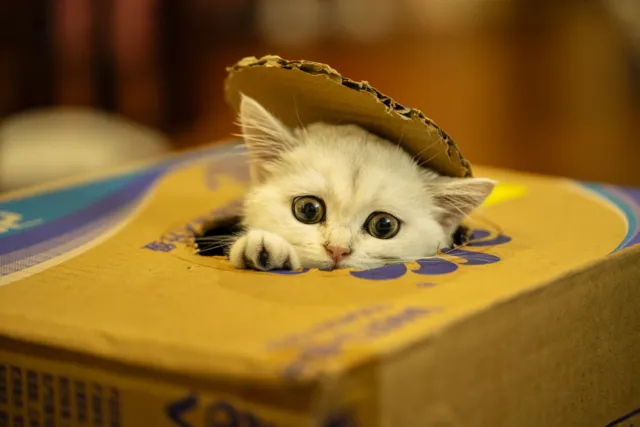
- Hiding spots: Create cozy nooks with blankets or boxes where your cat can retreat and feel secure. This is essential for their mental well-being.
These enhancements not only entertain your cat but also allow them to express their natural behaviors, which is vital for their overall happiness.
Rotating Toys
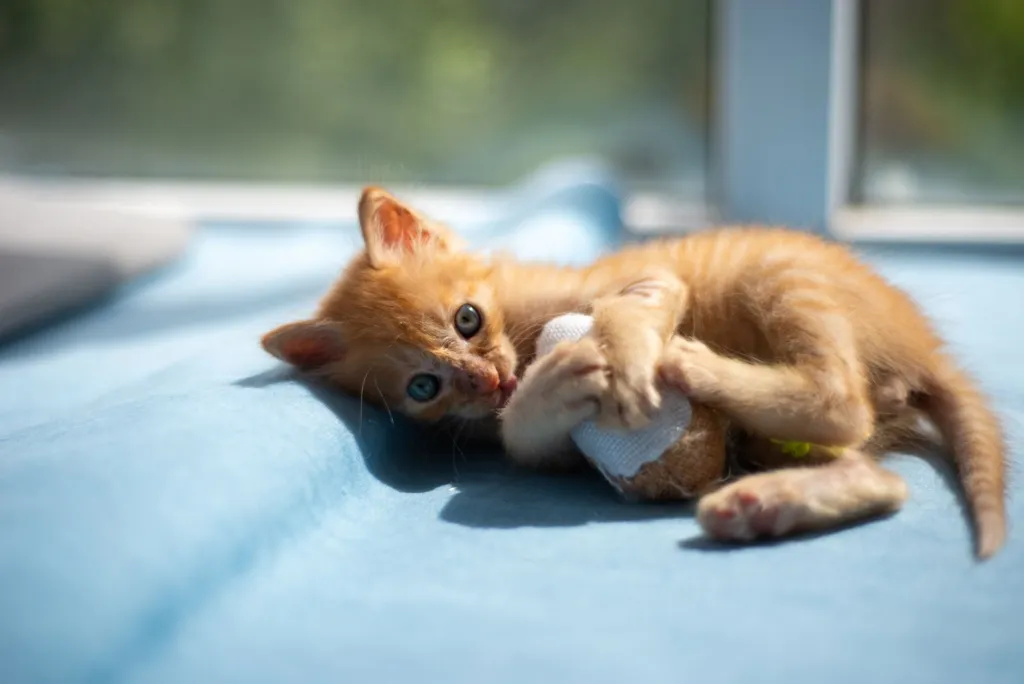
Just like humans, cats can lose interest in their toys over time. To keep their playtime fresh, consider rotating their toys regularly. This simple practice can reignite your cat’s excitement.
Here’s how to effectively rotate toys:
- Group toys: Sort your cat’s toys into categories such as balls, wand toys, and plush toys. This will help you manage the rotation easily.
- Weekly rotation: Change out a selection of toys every week. Store the unused toys in a box to keep them out of sight.
- Observe preferences: Pay attention to which toys your cat enjoys the most and prioritize those during rotations.
By rotating toys, you can keep your indoor cat entertained and engaged, making playtime more exciting.
Puzzle Feeders and Treats
Puzzle feeders are an excellent way to stimulate your cat’s mind while also providing a reward. These feeders require your cat to solve a challenge to access their food or treats, making mealtime more engaging.
Consider the following puzzle feeder options:
- Ball dispensers: Cats can roll these balls around to release treats, combining play with food rewards.
- Interactive boxes: Some puzzle feeders have compartments where cats have to figure out how to open them to get to their snacks.
- DIY puzzles: You can create your own puzzles using cardboard boxes and small holes, allowing your cat to fish out treats.
Puzzle feeders not only keep your cat entertained but also promote healthy eating habits by slowing down their eating pace.
Outdoor Adventures
While keeping your cat indoors is essential for their safety, providing opportunities for outdoor exploration can be highly beneficial. Cats can enjoy the sights and sounds of nature without the risks associated with free roaming.
Consider these options for safe outdoor activities:
- Cat harness and leash: Train your cat to walk on a leash with a harness. This allows them to explore the outside world under your supervision.
- Enclosed cat patios: Also known as catios, these outdoor enclosures provide a safe space for your cat to enjoy fresh air while staying protected.
- Supervised outdoor time: If you have a secure backyard, allow your cat to explore it while you supervise their activities.
Outdoor experiences can enrich your cat’s life and provide them with essential stimulation, so consider incorporating these into your routine.
Social Interaction
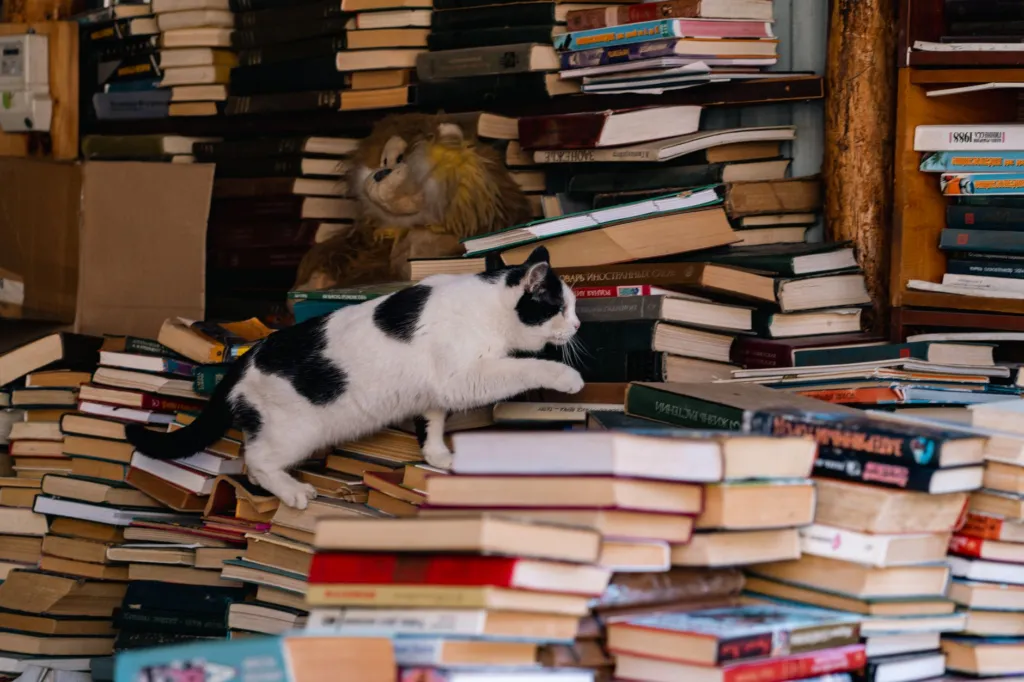
Cats are often perceived as solitary creatures, but they can greatly benefit from social interactions. Engaging with your cat regularly can provide them with the companionship they need.
Ways to enhance social interaction include:
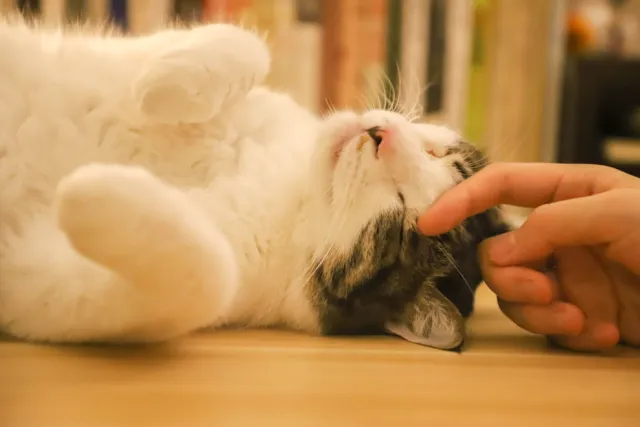
- Quality time: Spend time petting or grooming your cat. This not only strengthens your bond but also provides comfort and reassurance.
- Invite friends over: If your cat is friendly, allow trusted friends to interact with them. This can expose your cat to new experiences and socialization.
- Playdates with other cats: If possible, arrange playdates with other friendly cats. This allows them to socialize and engage in natural play behavior.
Social interactions can alleviate boredom and promote a happier, healthier indoor lifestyle for your cat.
DIY Cat Toys and Activities
Creating toys and activities at home can be both fun for you and stimulating for your cat. DIY projects can save money while offering unique play experiences.
Here are some simple DIY projects you can try:
- Cardboard box maze: Use cardboard boxes to create a maze. Cut holes for your cat to explore, stimulating their curiosity and playfulness.
- Sock stuffed with catnip: Take an old sock, fill it with catnip, and tie it off. This can become a favorite toy for your cat to kick and wrestle with.
- Paper ball: Crumple a piece of paper into a ball for a simple and engaging toy. Many cats love to chase and bat at paper balls.
DIY toys can be just as effective as store-bought ones, and they often provide a personal touch that your cat will appreciate.
Mind-Stimulating Games for Cats
Hide and Seek
Hide and seek is a simple yet engaging game that can stimulate your cat’s natural hunting instincts. To play, have your cat sit in one room while you hide in another room or behind furniture. Once you are hidden, call your cat’s name softly. Most cats will be curious enough to come looking for you, and when they find you, reward them with a treat or some affectionate petting. This game not only encourages physical movement but also enhances their problem-solving skills as they navigate their surroundings to locate you.
Laser Pointer Games
Laser pointers can provide hours of entertainment for indoor cats. The unpredictable movement of the laser mimics the erratic movements of prey, which can trigger your cat’s instinct to chase. When using a laser pointer, it is important to ensure that the game remains fun and does not lead to frustration. To avoid this, always end the session by pointing the laser at a tangible toy or treat that your cat can catch. This way, they have a chance to feel a sense of accomplishment.
Treasure Hunt
Creating a treasure hunt in your home is a fantastic way to engage your cat’s sense of smell and curiosity. Start by hiding small treats or favorite toys around the house in places that are not overly challenging for your cat to reach. You can also use a series of boxes or paper bags to create a more complex scavenger hunt. As your cat discovers each hidden treasure, they will be using their natural instincts to explore and search, making the activity both mentally and physically stimulating.
- Choose treats or toys that your cat particularly loves.
- Vary the hiding spots to keep the game fresh and exciting.
- Encourage your cat to search by using verbal cues or gentle prompting.

Creative Uses for Cat Furniture
Building a Cat Castle
Utilizing your cat’s furniture creatively can enhance their playtime. Cat trees and shelves can be transformed into a castle-like environment by rearranging them or adding additional levels and tunnels. This not only provides your cat with new vantage points but also encourages climbing and exploration. You can enhance the appeal by placing cozy blankets or hanging toys from the furniture, making it a multi-functional space for both play and relaxation.
Interactive Wall Features
Interactive wall features can provide entertainment and exercise for your indoor cat. Consider installing wall-mounted shelves, ramps, or scratching posts that allow your cat to climb and explore vertically. This not only maximizes your available space but also caters to your cat’s natural inclination to climb and survey their territory. By incorporating various textures and surfaces, you can keep your cat engaged and challenged.
Window Perches
Window perches give indoor cats a place to observe the outside world, which can be incredibly stimulating. These perches can be easily installed and provide your cat with a cozy spot to lounge while watching birds, squirrels, and other outdoor activity. To enhance this experience, consider adding a few cat-safe plants nearby or placing bird feeders within view. This can turn an ordinary day into an exciting adventure as your cat watches the comings and goings of the outside world.
- Choose a sturdy window perch that can hold your cat’s weight safely.
- Ensure the perch is securely attached to prevent any accidents.
- Consider adding a sunshade or some fabric for comfort during warm days.
Incorporating Training into Play
Basic Commands
Training your cat to respond to basic commands can be both rewarding and entertaining. Start with simple commands like ‘sit’, ‘high five’, or ‘come’. Use treats as positive reinforcement whenever your cat successfully follows a command. Sessions should be kept short and engaging to maintain your cat’s interest. This not only teaches your cat valuable skills but also creates a strong bond between you and your pet.
Clicker Training
Clicker training is an effective method that utilizes a sound to mark desired behaviors. This can be particularly useful in teaching tricks or enhancing obedience. Start by associating the sound of the clicker with a treat, so your cat learns to associate the sound with a reward. Once your cat understands this connection, you can begin to click and reward for specific behaviors, such as using a scratching post instead of furniture. This method promotes mental stimulation and positive reinforcement.
Obstacle Courses
Creating an obstacle course is an exciting way to combine play and training. Use household items like cushions, boxes, and tunnels to design a course that encourages your cat to jump, crawl, and navigate around obstacles. You can guide your cat through the course using treats or toys, rewarding them as they complete each section. This not only provides physical exercise but also challenges your cat’s mental agility.
- Ensure the course is safe and free of any sharp edges or hazards.
- Start with simple obstacles and gradually increase difficulty as your cat becomes more confident.
- Incorporate time limits or challenges to keep the activity fresh and exciting.
Frequently Asked Questions
How much playtime does my indoor cat need?
Indoor cats should ideally have at least 15 to 30 minutes of active playtime every day. This can be broken into shorter sessions throughout the day to keep them engaged.
What are the signs of boredom in cats?
Signs of boredom may include excessive sleeping, destructive behavior, meowing more than usual, or a lack of interest in food or play. If you notice these signs, it may be time to introduce new activities.
Can I train my indoor cat?
Yes, indoor cats can be trained. Use positive reinforcement techniques, such as treats and praise, to encourage desired behaviors. Training can also provide mental stimulation.
Are all toys safe for cats?
Not all toys are safe for cats. Always choose toys specifically designed for cats and avoid small items that could be swallowed. Regularly check toys for wear and tear to ensure they remain safe.
The Bottom Line
Keeping an indoor cat entertained is essential for their health and happiness. By incorporating interactive play, creating a stimulating environment, and providing opportunities for social interaction, you can ensure your cat leads a fulfilling life indoors. Remember to observe your cat’s preferences and adapt activities to suit their personality, and you will both enjoy a more enriching relationship.
Was this article helpful?

Writer at Mad4Pets. Lifelong animal lover who turns research and vet guidance into practical tips for everyday pet parents.