Understanding Why Cats Purr and What It Means
Discover why cats purr, exploring the various reasons behind this fascinating behavior and what it means for your furry friend.

Key takeaways
- Cats purr for various reasons, including comfort and communication.
- Purring can indicate both happiness and distress; context is key.
- Understanding your cat's purring can improve your bond.
- Always consult a vet if you're concerned about your cat's health.
Cats are enigmatic creatures with a multitude of behaviors that often leave their owners puzzled. One of the most endearing and common sounds a cat makes is purring. This soothing sound can be heard when a cat is content, but it can also signify other emotions and needs. Understanding why cats purr is key to interpreting their feelings and ensuring their well-being.
Purring is not just a way for cats to express happiness. The sound is produced by the rapid contraction and relaxation of the muscles within the cat’s larynx, which creates a unique, rhythmic noise. While many cat owners associate purring with a happy and relaxed pet, there are times when a cat might purr due to stress or discomfort. This article will delve into the various reasons behind this fascinating behavior, providing insight into your feline friend’s emotional state.
By learning the different contexts in which cats purr, you can better respond to your cat’s needs, enhance your relationship, and ensure their health. In this guide, we will explore the science of purring, the various reasons behind the behavior, and how to interpret your cat’s purring in different situations.
The Science of Cat Purring
Purring is a complex behavior that has intrigued researchers for decades. The sound is made when air passes through the vocal cords during both inhalation and exhalation. This unique anatomical structure allows cats to produce a continuous sound. While purring is most commonly associated with domestic cats, many wild felines also exhibit this behavior.
The frequency of a cat’s purr typically ranges from 25 to 150 Hertz. Interestingly, studies suggest that this specific frequency can have a healing effect. Frequencies in this range are linked to promoting tissue regeneration and reducing pain. This connection has led to various theories about why cats purr, particularly when they are injured or ill.
Understanding the mechanics of purring helps us appreciate the versatility of this behavior. It serves not only as a form of communication but also as a potential self-soothing mechanism. With this scientific background, let’s explore the various reasons why cats engage in this behavior.
Reasons Cats Purr
1. Contentment and Happiness
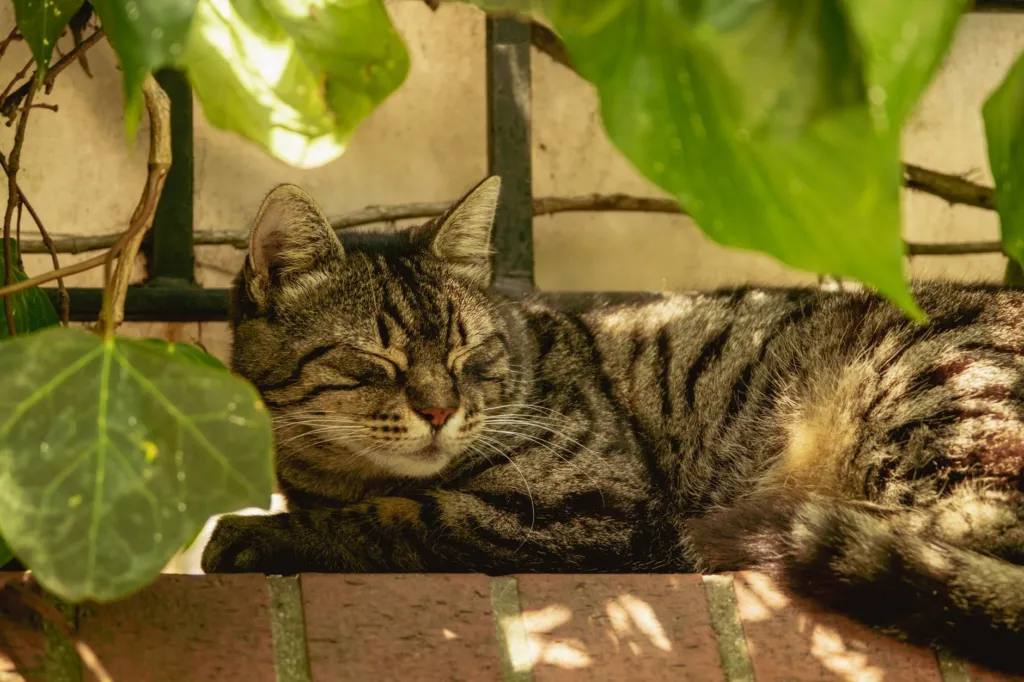
The most recognized reason for a cat’s purring is contentment. When a cat is happy, relaxed, and comfortable, you might hear a gentle purr as they curl up in your lap or bask in the sun. This sound often indicates that your cat feels safe and at ease in its environment.
When cats purr in these moments, they are expressing their happiness to their owners. As a pet owner, you can encourage this behavior by providing a safe space for your cat, engaging in interactive play, and offering affection when they seek it.
It’s important to note that purring is not exclusive to domestic cats. Many wild cats, such as cheetahs and bobcats, also purr when they are calm, which suggests that this behavior may have evolutionary roots linked to comfort and social bonding.
2. Communication with Humans and Other Cats
Cats are social animals that use vocalizations to communicate. Purring can serve as a way for cats to communicate with their owners or other cats. When a cat purrs, it may be signaling its desire for attention, affection, or food. Kittens, in particular, purr to communicate with their mothers, especially when nursing.
Interestingly, some cats have learned to modify their purring sounds to elicit specific responses from their owners. For instance, a cat may produce a higher-pitched sound while purring to gain attention. This adaptive behavior reflects the strong bond between cats and their human caretakers.
Understanding purring as a form of communication can enhance your relationship with your cat. Paying attention to the context of the purring and your cat’s body language can help you decipher what your feline friend is trying to convey.
3. Stress Relief and Self-Soothing
While purring is often associated with positive emotions, it can also serve as a self-soothing mechanism for cats in stressful situations. Many cats will purr when they are feeling anxious, frightened, or in pain. This behavior can be observed during veterinary visits, when a cat is being handled, or even during thunderstorms.
In these instances, the sound of purring may help the cat calm down, similar to how humans may find comfort in soothing music or rhythmic sounds. Observing your cat’s body language during these moments can provide clues about their emotional state. Signs of distress may include flattened ears, dilated pupils, or a tucked tail.
If your cat frequently purrs in stressful situations, it may be beneficial to assess their environment and make necessary adjustments to reduce anxiety. Providing safe spaces, engaging in calming activities, and consulting with a veterinarian if the stress persists can help improve your cat’s overall well-being.
When to Be Concerned About Purring
While purring is generally a positive behavior, there are instances when it may signal a need for concern. Understanding the context of your cat’s purring is essential to determining whether it is a sign of happiness or distress.
If your cat is purring while exhibiting other signs of discomfort, such as limping, hiding, or loss of appetite, it could indicate an underlying health issue. In such cases, it’s crucial to monitor your cat’s behavior closely and consult with a veterinarian if you notice any alarming symptoms.
Additionally, if your cat suddenly starts purring excessively or changes the tone of its purring, this could be a sign of stress or pain. Keeping a close eye on any behavioral changes can provide valuable information to your vet during a check-up.
How to Respond to Your Cat’s Purring
Understanding the reasons behind your cat’s purring can help you respond effectively to their needs. Here are some tips for interacting with your cat when they purr:
- Observe Body Language: Pay attention to your cat’s overall demeanor. Is their body relaxed, or are they tense? This can provide insight into their emotional state.
- Engage in Play: If your cat is purring and seems playful, engage them with toys or interactive play. This can strengthen your bond and keep them mentally stimulated.
- Provide Comfort: If your cat is purring while appearing anxious, offer comfort by speaking softly, petting them gently, or providing a safe space to retreat.
- Check for Health Issues: If your cat’s purring changes or is accompanied by signs of distress, consult a veterinarian for a thorough examination.
Different Types of Purring Sounds
Identifying the Variations
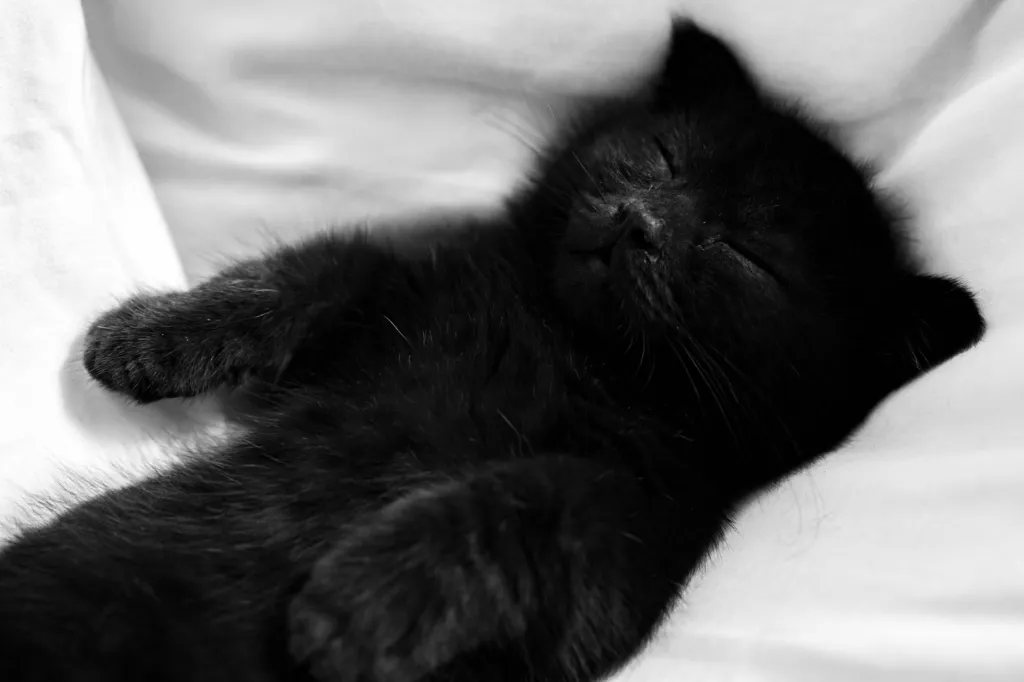
Not all purring sounds are created equal. Cats can produce a range of purring tones and pitches, each potentially reflecting different emotional states or intentions. For instance, a low, rumbling purr may indicate contentment, while a higher-pitched purr might suggest a need for attention or food. Understanding these nuances can help cat owners better respond to their feline companions.
- Low, steady purr: Indicates relaxation and comfort.
- High-pitched purr: May signal excitement or a request for interaction.
- Irregular purring: Could denote distress or discomfort and warrants further observation.
Contextual Factors Influencing Purring
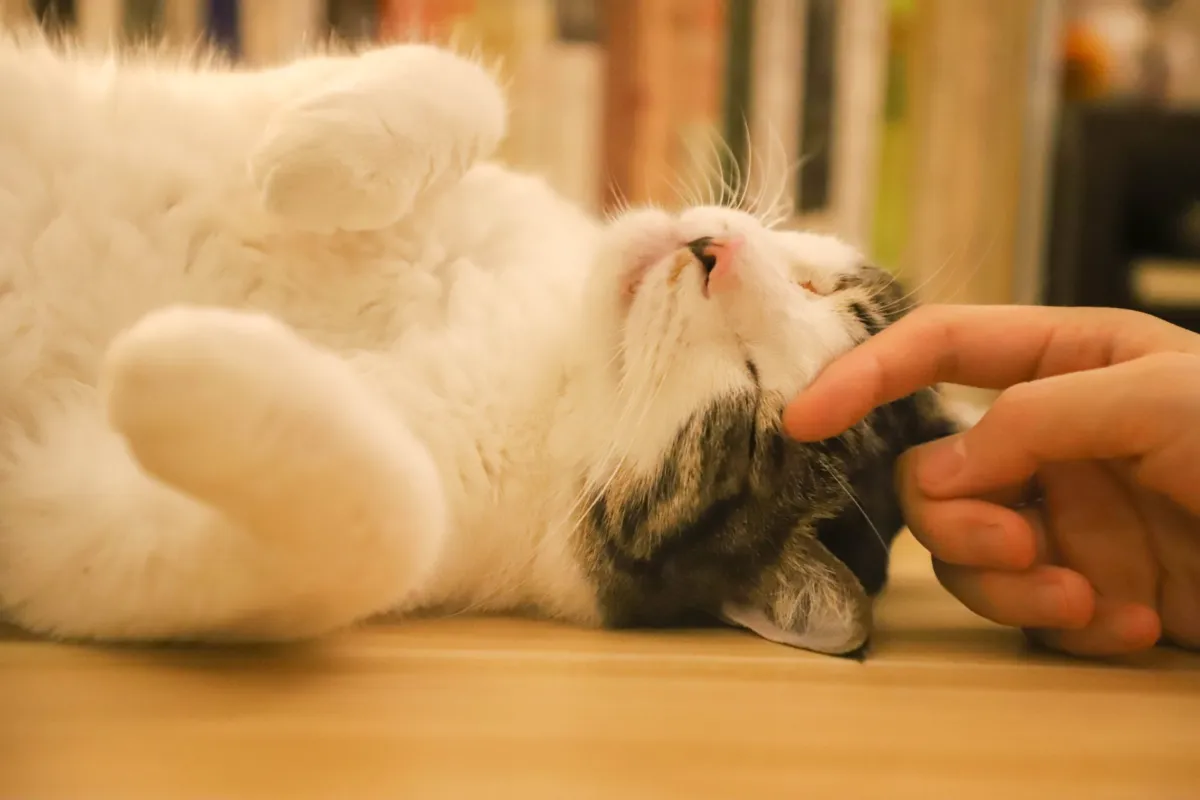
The context in which a cat purrs can greatly influence the meaning behind the sound. For example, a cat might purr while being petted, indicating enjoyment. Conversely, if a cat is purring while hiding, it may be a self-soothing mechanism in response to stress or fear. Recognizing the surrounding circumstances can provide valuable insights into your cat’s emotional state.
Consider the following scenarios:
- Purring during grooming: Often signifies pleasure and trust.
- Purring while eating: Indicates contentment and satisfaction.
- Purring when alone: May suggest self-soothing or a way to cope with loneliness.
Purring and Communication with Humans
How Cats Use Purring to Interact
Cats are not just solitary creatures; they engage with their human companions through various vocalizations, including purring. This sound can serve as a form of communication, signaling to humans that they are happy, stressed, or seeking companionship. Understanding this aspect of purring can enhance the bond between a cat and its owner.
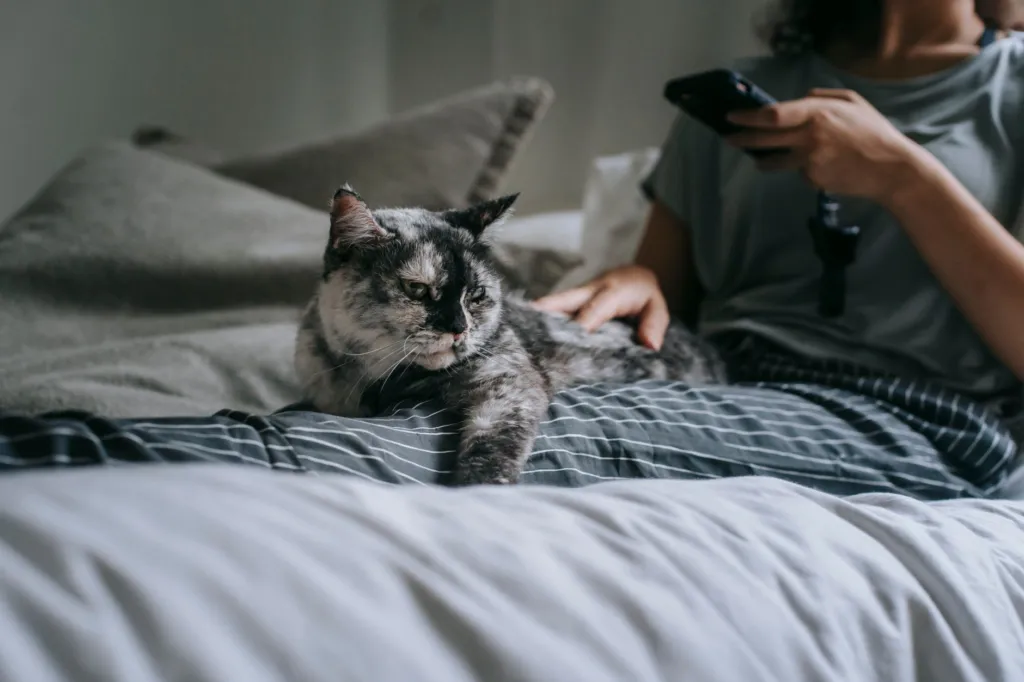
For example, a cat may initiate purring when it wants attention or is seeking comfort from its owner. These interactions can foster a deeper emotional connection, as cats learn to associate their purring with positive responses, such as petting or cuddling.
Purring as a Tool for Stress Relief
Cats often use purring as a method to self-soothe when they experience stress or anxiety. This behavior is not only beneficial for them but can also have a calming effect on their human companions. Studies have shown that the sound frequencies produced during purring can promote healing and relaxation.
- Purring can lower blood pressure in humans.
- It may reduce stress and anxiety levels in both cats and their owners.
- Even the act of petting a purring cat can release endorphins in humans.
Health Aspects Related to Purring
The Healing Properties of Purring
Research has indicated that the frequency of a cat’s purr (between 25 and 150 Hertz) can have therapeutic effects on both the cat and humans. This range of sound frequencies is believed to promote healing in bones and tissues, reduce pain, and improve overall health. This phenomenon can be especially beneficial for older cats or those recovering from injuries.
Veterinarians often emphasize the importance of purring in relation to a cat’s well-being. Cats that purr regularly are often perceived as healthier, as the sound is associated with comfort and satisfaction. Consequently, a noticeable change in a cat’s purring habits could be an indicator of an underlying health issue.
When Changes in Purring Patterns Occur
Monitoring changes in your cat’s purring patterns can be essential for detecting health issues early. If a previously social cat suddenly stops purring or exhibits irregular purring, it may be a sign of distress or discomfort. Conversely, an increase in purring without the usual context of happiness may warrant a vet visit.
Owners should pay attention to the following signs:
- Sudden changes in purring frequency or tone.
- Purring accompanied by other behavioral changes, such as hiding or aggression.
- Excessive purring that seems out of character for the cat.
Frequently Asked Questions
Why do cats purr when they are in pain?
Cats may purr when they are in pain as a self-soothing mechanism. The act of purring can release endorphins, which may help alleviate discomfort. If your cat is purring and showing signs of pain, it is essential to consult a veterinarian.
Can all cats purr?
Most domestic cats can purr, but not all. Some wild cats, like cheetahs and bobcats, also purr, but larger felines like lions and tigers do not exhibit this behavior. Purring is more common in smaller species.
Is purring always a sign of happiness?
No, while purring is often associated with happiness, it can also indicate stress, pain, or anxiety. It is important to consider the context and accompanying body language to accurately interpret your cat’s feelings.
How can I tell if my cat is purring because of health issues?
Listen for changes in the tone or frequency of the purring. If your cat is purring excessively or in a different manner than usual, and also showing signs of discomfort such as hiding, decreased appetite, or lethargy, seek veterinary advice.
The Bottom Line
Cats purr for a variety of reasons, from expressing happiness and contentment to self-soothing during times of stress or pain. Understanding why cats purr can help you better respond to their needs and strengthen your bond with your feline friend. Always be attentive to the context of the purring and your cat’s overall behavior to ensure their well-being. If you ever have concerns about your cat’s health, do not hesitate to consult a veterinarian for guidance.
Was this article helpful?

Writer at Mad4Pets. Lifelong animal lover who turns research and vet guidance into practical tips for everyday pet parents.