Why Is My Cat Not Using the Litter Box?
Discover the reasons your cat is not using the litter box and how to resolve this common issue for a happier home.


Key takeaways
- Cats may avoid litter boxes due to health issues.
- Litter box cleanliness is crucial for usage.
- Environmental factors can influence litter box habits.
- Behavioral changes may indicate stress or anxiety.
Many cat owners face a frustrating dilemma when their feline friends suddenly refuse to use the litter box. This behavior can be a source of stress for both cats and their owners. Understanding the reasons behind this issue is crucial for finding an effective solution. In this article, we will explore various factors that could lead to your cat not using the litter box and how to address them.
When a cat stops using the litter box, it can indicate a range of underlying issues, from medical problems to environmental factors. It is essential to approach this situation calmly and thoughtfully, as there are often practical solutions available. By identifying the root cause, you can help your cat regain its litter box habits, ensuring a harmonious living environment.
Throughout this guide, we will delve into the various reasons for litter box aversion, including health issues, cleanliness, stress, and more. We will also provide actionable tips to help you and your cat find relief from this common problem.
Understanding Health Issues
One of the primary reasons a cat may stop using the litter box is due to underlying health problems. Cats are known for hiding their discomfort, so it is crucial to be observant of any changes in behavior. If your cat suddenly avoids the litter box, consider the following health issues:
- Urinary Tract Infections (UTIs): These infections can cause pain while urinating, leading cats to associate the litter box with discomfort.
- Kidney Disease: Increased thirst and urination can lead to litter box avoidance, especially if the cat is feeling unwell.
- Constipation or Diarrhea: Difficulty passing stool or frequent diarrhea can make a cat reluctant to use the litter box.
- Arthritis: Older cats with arthritis may find it painful to enter or exit the litter box.
If you suspect a health issue, it is vital to consult a veterinarian as soon as possible. A thorough examination and appropriate tests can help diagnose any underlying problems.
Signs of Health Issues
In addition to avoiding the litter box, there are other signs that may indicate your cat is unwell:
- Changes in appetite or weight
- Excessive grooming or neglecting grooming
- Vocalization changes
- Increased hiding or isolation
- Changes in water intake
Importance of Litter Box Cleanliness
The cleanliness of the litter box plays a significant role in whether or not a cat will use it. Cats are naturally clean animals and prefer to eliminate in a clean environment. If the litter box is not maintained, your cat may choose to avoid it altogether.
Best Practices for Litter Box Maintenance
To ensure your cat feels comfortable using the litter box, follow these maintenance tips:
- Daily Cleaning: Scoop the litter box daily to remove waste.
- Deep Cleaning: Wash the box with mild soap and water weekly to eliminate odors.
- Change Litter Regularly: Replace the litter entirely at least once a week.
- Use Unscented Litter: Some cats are sensitive to strong fragrances in litter.
- Provide Enough Boxes: The rule of thumb is to have one more litter box than the number of cats in your home.
By keeping the litter box clean, you can significantly increase the chances of your cat using it consistently. Remember that a dirty box is a common reason for litter box avoidance.
Environmental Factors at Play
Environmental factors can also influence your cat’s litter box habits. Changes in their surroundings or routine can lead to stress, which may manifest as avoidance of the litter box. Here are some factors to consider:
Changes in Environment
Cats are creatures of habit and may become anxious with changes in their environment:
- New Pets: Introducing a new pet can cause territorial stress.
- Moving Homes: A new home can be unsettling, leading to litter box avoidance.
- New Family Members: Changes in household dynamics can also impact a cat’s comfort level.
Stressors in the Home
In addition to physical changes, various stressors in the home can affect your cat’s behavior:
- Loud Noises: Fireworks, construction, or even loud appliances can be frightening.
- Inconsistent Routine: Cats thrive on routine; disruptions can lead to anxiety.
- Conflict with Other Pets: Aggressive behavior from other pets can deter a cat from using the litter box.
Behavioral Issues and Stress Management
Behavioral issues can also play a significant role in why a cat might avoid the litter box. Understanding your cat’s behavior and emotional state is essential for finding a solution.
Signs of Behavioral Problems
Be on the lookout for signs that may indicate behavioral issues:
- Increased aggression or irritability
- Excessive grooming or self-mutilation
- Changes in social interaction with humans or other pets
Stress-Relief Strategies
To help your cat feel more secure and reduce stress, consider the following strategies:
- Safe Spaces: Provide quiet areas where your cat can retreat and feel secure.
- Interactive Play: Engage your cat in regular playtime to relieve stress and promote bonding.
- Feliway Products: Consider using synthetic pheromone diffusers to create a calming environment.
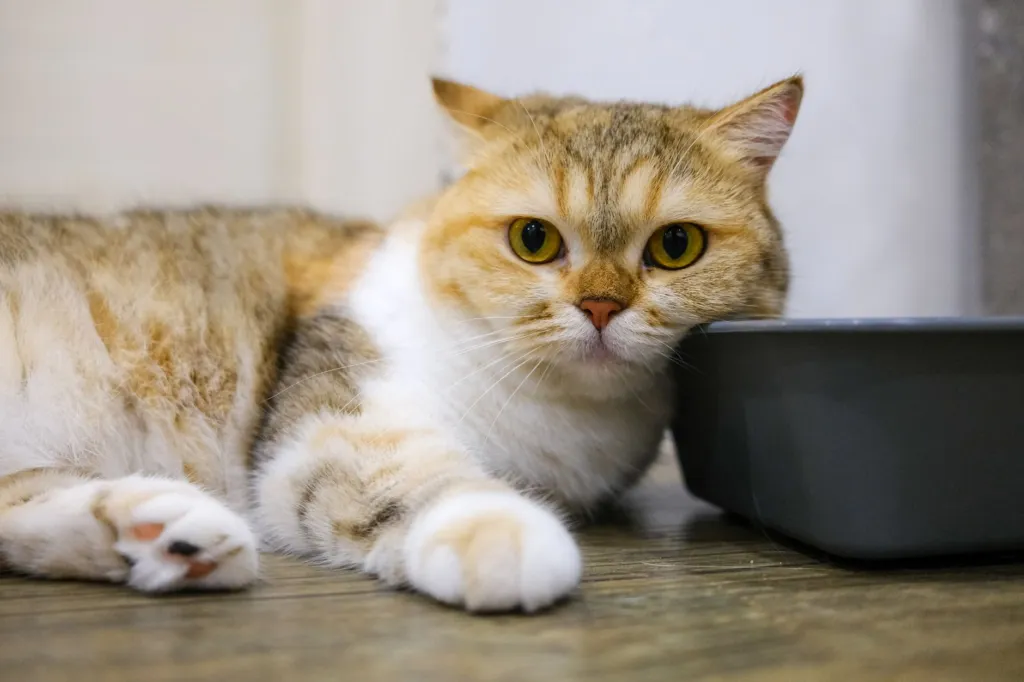
Choosing the Right Litter Box
The litter box itself can be a factor in your cat’s refusal to use it. Consider the following aspects when evaluating your cat’s litter box:
Size and Type of Litter Box
Not all litter boxes are created equal. Make sure your cat has a box that meets its needs:
- Size: The box should be large enough for your cat to turn around comfortably.
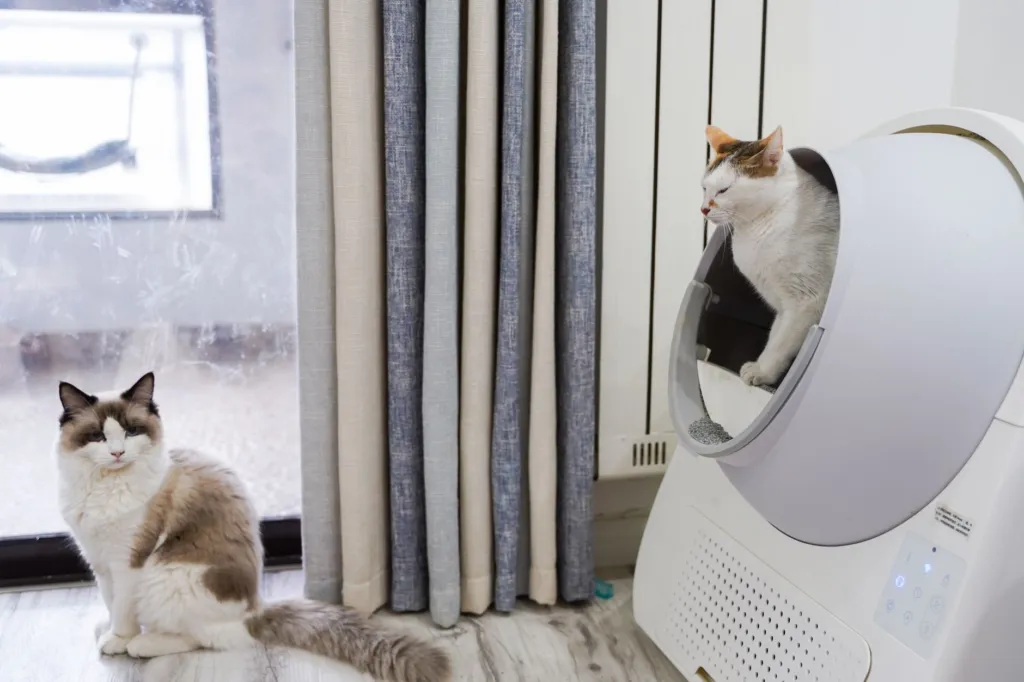
- Open vs. Covered: Some cats prefer open boxes, while others feel secure in covered ones.
- Accessibility: Ensure that the box is easy to enter and exit, especially for older cats.
Location of the Litter Box
The placement of the litter box can also influence usage:
- Quiet Location: Place the box in a low-traffic area where your cat feels safe.
- Avoiding Clutter: Keep the area around the box clear of obstacles.
- Multiple Locations: If you have multiple cats, consider placing boxes in different areas to reduce competition.
Assessing the Location of the Litter Box
Accessibility and Convenience
The location of your cat’s litter box can greatly influence its usage. Cats prefer quiet, low-traffic areas where they feel safe and secure. If the box is located in a noisy area, such as near a washing machine or in a busy hallway, your cat may avoid it altogether. Accessibility is also crucial; the box should be easy to reach, especially for older or disabled cats.
- Choose a corner or a private space away from foot traffic.
- Avoid placing the box near loud appliances or areas with sudden movements.
- Ensure that the box is easily accessible for all ages of cats.
Consider the number of cats in your household as well. Having enough litter boxes is essential; the general rule is one box per cat plus one extra. If there are multiple cats, placing boxes in different locations can help reduce territorial disputes and encourage use.
Multiple Litter Boxes for Multiple Cats
If you have more than one cat, it is crucial to provide multiple litter boxes. Cats can be territorial, and if one cat feels that it must defend the litter box, the others may refuse to use it. This can lead to accidents outside the box. Ensure that the boxes are spread out in various locations around the house, so all cats have easy access to a box they feel comfortable using.
- Place boxes in separate, quiet locations.
- Ensure boxes are clean and well-maintained.
- Monitor which boxes each cat prefers to identify any territorial issues.
Regularly observe your cats to see how they interact with the boxes. If one box is frequently ignored, it may indicate a problem with its location or cleanliness.
Environmental Enrichment Around the Litter Box
Sometimes, the environment surrounding the litter box can affect its usage. If the area is cluttered, it might deter your cat from approaching the box. Ensure that the path to the box is clear and that the box itself is in a comfortable, inviting location. Adding some environmental enrichment around the box can also help. For example, placing a scratching post or a comfortable resting spot nearby can make the area around the box more appealing.
- Clear any clutter around the litter box.
- Add a scratching post or perch nearby.
- Keep toys in close proximity to create a more inviting atmosphere.
By making the area around the litter box more inviting and accessible, you can encourage your cat to use it more regularly.
Understanding Litter Box Preferences
Type of Litter Used
Different cats have different preferences when it comes to litter. Some may prefer clumping litter, while others might like non-clumping varieties. The texture and smell of the litter can also play a significant role in whether your cat will use the box. If you have recently changed the type of litter, your cat may simply dislike the new material.
- Experiment with various types of litter to find what your cat prefers.
- Observe your cat’s reaction to different textures and scents.
- Consider a gradual transition if switching litters.
It’s essential to monitor your cat’s behavior closely when introducing a new type of litter. If the cat refuses to use the box after a switch, consider reverting to the previous type or trying another alternative.
Depth of Litter
The depth of the litter in the box can also affect whether your cat uses it. Most cats prefer a depth of about two to three inches. If the litter is too shallow, they may not feel comfortable digging and covering their waste. Conversely, if it’s too deep, it might be challenging for them to navigate. Regularly check the depth of litter and adjust as necessary to find the ideal level for your cat’s comfort.
- Maintain a litter depth of 2-3 inches.
- Adjust as needed based on your cat’s preferences.
- Ensure that the litter is fresh and clean.
Keeping an eye on your cat’s digging habits can provide insight into their preferred litter depth and help you adjust accordingly.
Odor Control and Sensitivity
Cats have a highly developed sense of smell, and strong scents can deter them from using the litter box. If you are using scented litter, it might be beneficial to switch to an unscented variety. Additionally, using strong cleaning products to sanitize the box can leave behind odors that may be off-putting to your cat. Always wash the litter box with mild, unscented soap and rinse thoroughly to avoid residual smells.
- Choose unscented litter products for better acceptance.
- Use gentle cleaners for litter box maintenance.
- Regularly change litter to prevent odors.
By taking your cat’s olfactory preferences into account, you can create a more inviting environment that encourages them to use the litter box consistently.
Monitoring Changes in Routine
Life Changes and Their Impact
Major life changes can have a profound impact on your cat’s behavior, including their litter box habits. Events such as moving to a new home, the addition or loss of a family member, or changes in your daily routine can create stress for your cat. Cats are creatures of habit and can become anxious when their environment changes. This anxiety may manifest in litter box avoidance.
- Monitor your cat’s behavior during life changes.
- Provide extra comfort and stability during transitions.
- Maintain a consistent routine as much as possible.
During such times, it’s essential to be patient and understanding. Provide your cat with extra attention and comfort to help them adjust to the changes.
Seasonal Changes and Weather Influences
Seasonal changes can also affect your cat’s litter box habits. For example, during colder months, your cat may prefer to stay indoors, and any discomfort associated with the litter box can be amplified. Similarly, hot weather can lead to lethargy, causing your cat to avoid trips to the box. Be mindful of these seasonal patterns and ensure that the litter box remains a comfortable and inviting place throughout the year.
- Monitor your cat’s behavior across different seasons.
- Ensure temperature regulation in the litter box area.
- Adjust the litter box location if necessary during seasonal changes.
Being aware of how seasonal factors impact your cat’s behavior can help you address any issues related to litter box avoidance effectively.
Routine Health Checkups
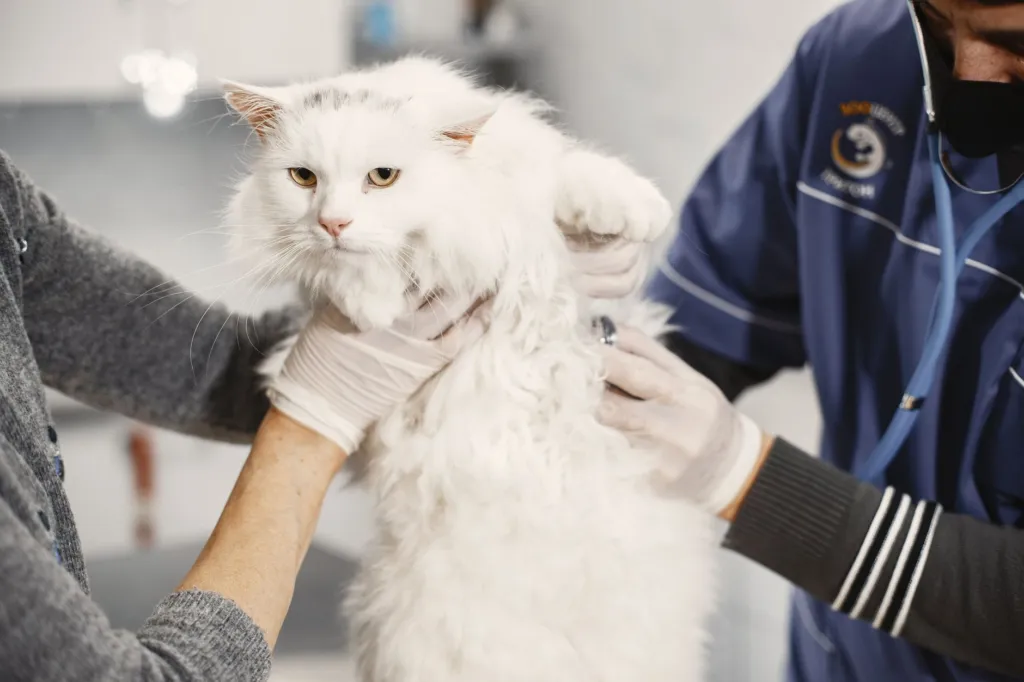
Regular veterinary checkups are essential for monitoring your cat’s overall health and addressing any underlying issues that may affect their litter box behavior. Even if your cat appears healthy, routine visits can help catch any potential problems before they become serious. If you notice a sudden change in litter box habits, consult your veterinarian to rule out health concerns.
- Schedule regular vet appointments for your cat.
- Keep track of any changes in behavior or habits.
- Discuss any litter box issues during vet visits.
By maintaining a proactive approach to your cat’s health and well-being, you can help ensure that litter box issues are addressed promptly and effectively.
Frequently Asked Questions
Why is my cat suddenly not using the litter box?
Sudden changes in litter box habits can be due to health issues, stress, or environmental changes. Observing your cat’s behavior is key to identifying the cause.
How often should I clean the litter box?
The litter box should be scooped daily and completely cleaned with soap and water weekly to maintain cleanliness and encourage use.
What type of litter is best for my cat?
Most cats prefer unscented clumping litter, as it mimics natural conditions. However, individual preferences may vary, so experimentation may be necessary.
When should I consult a veterinarian?
If your cat consistently avoids the litter box, shows signs of illness, or exhibits drastic behavioral changes, it is essential to consult a veterinarian.
The Bottom Line
Understanding why your cat is not using the litter box is essential for addressing the issue effectively. Factors such as health problems, cleanliness, stress, and litter box setup all play a role. By taking a proactive approach and consulting with a veterinarian if needed, you can help your cat feel comfortable and secure in its litter box habits.
If you notice any health-related signs, consult your veterinarian promptly to rule out any medical issues.[/m4p_tip>
Was this article helpful?

Writer at Mad4Pets. Lifelong animal lover who turns research and vet guidance into practical tips for everyday pet parents.