How to Stop a Cat From Scratching Furniture (Without Punishment)
How to stop a cat from scratching furniture without punishment: why cats scratch, the best scratching posts, placement tips and simple deterrents that work.

Key takeaways
- Scratching is a natural behavior for cats.
- Provide appropriate alternatives like scratching posts.
- Use deterrents and positive reinforcement techniques.
- Regularly trim your cat's nails to minimize damage.
Understanding Your Cat’s Scratching Behavior
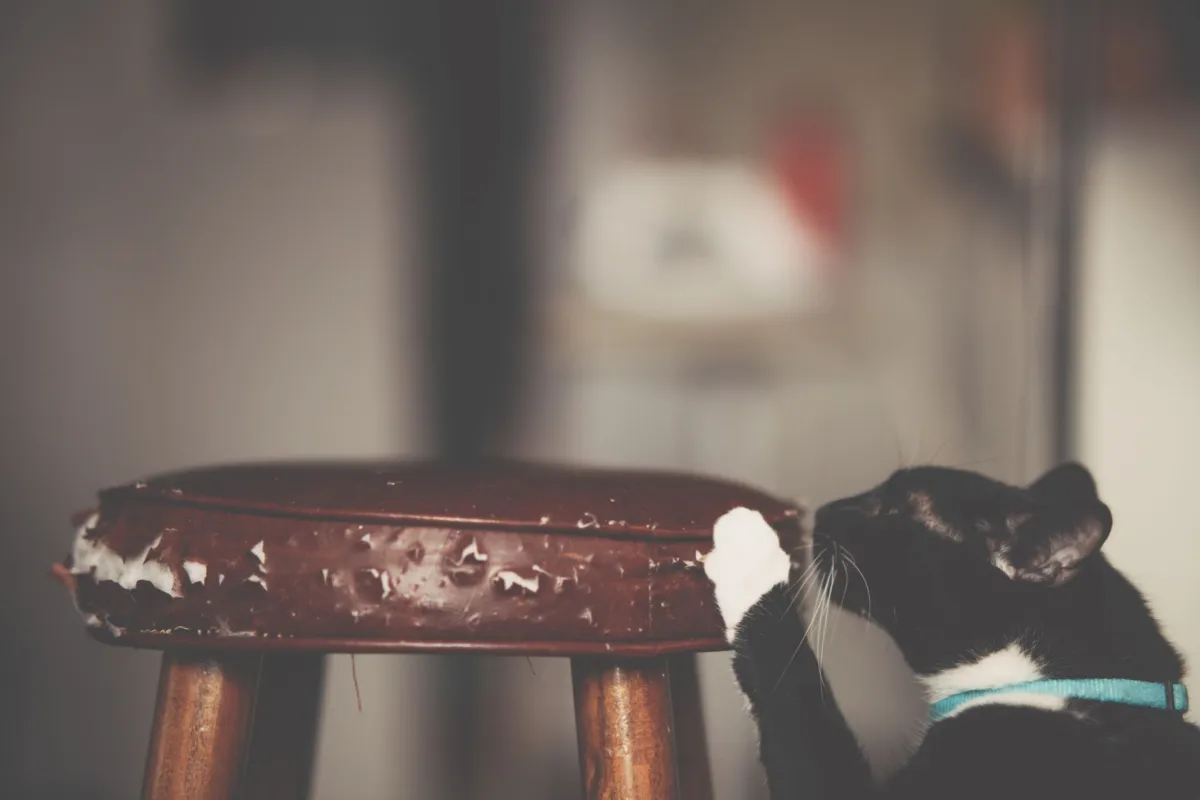
Scratching is an instinctual behavior for cats, driven by their natural need to mark territory, sharpen their claws, and stretch their muscles. While it can be frustrating for pet owners, understanding why cats scratch can help in finding effective solutions.
Cats have scent glands in their paws, and scratching is a way for them to leave their mark. This behavior is not just about claw maintenance; it also serves as a means of communication with other cats. In the wild, a cat might scratch to signal its presence or assert dominance in an area. Consequently, when a cat scratches furniture, it is often simply expressing its natural instincts.
Moreover, scratching can be a form of exercise and stress relief for cats. Providing an outlet for this behavior is crucial for their well-being. Without suitable scratching options, a cat may turn to your furniture, carpets, or other household items, leading to damage and frustration.
Identifying the Right Scratching Solutions
To effectively redirect your cat’s scratching behavior, it’s essential to identify the right tools and techniques that suit your pet. Here’s a list of effective scratching alternatives…
- Scratching Posts: Invest in multiple scratching posts of different materials, such as sisal or cardboard, to find what your cat prefers.
- Vertical Space: Cats love to stretch upwards, so consider cat trees that have built-in scratching surfaces.
- Scratching Pads: Flat pads can be a great alternative for cats who prefer to scratch horizontally.
When selecting scratching solutions, consider your cat’s preferences. Some cats may prefer rough surfaces, while others may enjoy a smoother texture. Experimenting with different types will help you find the ideal scratching tools for your feline friend.

Utilizing Deterrents to Protect Furniture
In addition to providing scratching alternatives, using deterrents can help protect your furniture. There are several methods to discourage your cat from scratching your prized possessions…
- Furniture Covers: Use slipcovers or protective sprays designed to deter scratching.
- Double-Sided Tape: Cats dislike the sticky sensation on their paws. Placing tape on furniture can discourage them from returning.
- Commercial Deterrent Sprays: These sprays are designed to make furniture less appealing to scratch.
Combining deterrents with positive reinforcement can create a comprehensive plan for managing your cat’s scratching behavior. When your cat uses the designated scratching post instead of the furniture, reward them with praise or treats.
Training Techniques to Redirect Scratching
Training your cat to use appropriate scratching surfaces requires patience and consistency. Here are some effective techniques…
- Positive Reinforcement: Reward your cat when they scratch the designated post. Use treats or affection as incentives.
- Redirecting Behavior: If you catch your cat in the act of scratching furniture, gently redirect them to the scratching post.
- Regular Playtime: Engage your cat in play sessions that encourage natural hunting behaviors. This can help reduce stress and the urge to scratch.
Remember that training takes time. Be consistent in your approach and celebrate small victories along the way.
Maintaining Your Cat’s Claws
Keeping your cat’s claws properly maintained can minimize the damage caused by scratching. Regular nail trimming can be beneficial…
- Trimming Frequency: Aim to trim your cat’s nails every 2-4 weeks, depending on how fast they grow.
- Use Proper Tools: Invest in quality nail clippers designed for cats, as they provide a clean cut and minimize discomfort.
- Familiarize Your Cat: Gradually introduce your cat to the nail trimming process to reduce anxiety.
If you are unsure how to trim nails safely, consider consulting your veterinarian or a professional groomer for guidance.
Creating a Cat-Friendly Environment
Designing a living space that caters to your cat’s needs can significantly reduce unwanted scratching. Here are some strategies to create a cat-friendly environment…
- Strategic Placement of Scratching Posts: Place scratching posts near furniture that your cat tends to scratch.
- Vertical Spaces: Provide shelves or cat trees to encourage climbing and stretching.
- Interactive Toys: Keep your cat engaged with toys that stimulate their instincts and distract from scratching.
By creating a stimulating environment, you’ll help channel your cat’s energy away from your furniture and towards more appropriate outlets.

Using Feline Pheromones
Feline pheromones can play a role in reducing stress-related scratching behaviors. These synthetic pheromones mimic the natural scents that cats produce to feel safe and secure…
- Pheromone Diffusers: These plug-in devices disperse calming pheromones throughout your home.
- Sprays: Use pheromone sprays on furniture to create a calming environment.
- Collars: Pheromone-infused collars can provide continuous calming effects for your cat.
Consult with your veterinarian about the best options for incorporating pheromones into your cat care routine.
Managing Multi-Cat Households
In multi-cat households, scratching behaviors can become more pronounced due to competition for territory and resources. Here’s how to manage scratching among several cats…
- Multiple Scratching Posts: Ensure that there are enough scratching options for each cat to help reduce conflict.
- Separate Spaces: Create designated areas for each cat to claim as their own, reducing territorial disputes.
- Monitor Interactions: Pay attention to the dynamics among your cats and intervene if aggressive behaviors arise.
Balancing the needs of multiple cats can be challenging, but providing ample resources helps maintain harmony in your home.
Choosing the Right Materials for Scratching Posts
Types of Materials
When selecting a scratching post for your cat, it is essential to consider the variety of materials available. Cats have different preferences, and understanding these can help you choose a post that they will use regularly. Common materials include:
- Cardboard: Affordable and lightweight, cardboard scratching posts are popular due to their texture, which many cats enjoy. They are also easy to replace when worn out.
- Carpet: Some cats prefer carpeted surfaces. However, ensure the carpet is securely attached to the post to prevent it from unraveling.
- Wood: Solid wood scratching posts can be durable and appealing to cats. They provide a sturdy surface for scratching, though they may be more expensive.
- Sisal Rope: Many scratching posts are wrapped in sisal rope, a natural fiber that withstands repeated scratching. Cats often enjoy the rough texture of sisal.
Each material offers different tactile experiences, so consider your cat’s preferences when selecting a scratching post.
Height and Stability
Besides material, the height and stability of a scratching post are critical factors. Cats are natural climbers and enjoy scratching from various heights. Here are some points to consider:
- Height: Choose a scratching post that is tall enough for your cat to stretch fully. Ideally, it should be at least 30 inches tall for larger breeds.
- Stability: Ensure that the scratching post is sturdy and doesn’t wobble when your cat uses it. A solid base is crucial for larger cats who may play aggressively.
- Variety: Providing multiple scratching posts of different heights can cater to your cat’s preferences and encourage them to scratch in designated areas rather than your furniture.
A well-designed scratching post can become your cat’s favorite outlet, minimizing the temptation to scratch your furniture.
Placement of Scratching Posts
The location of your cat’s scratching posts plays a significant role in their effectiveness. Cats prefer to scratch in areas where they feel comfortable and safe. Here are some tips for optimal placement:
- High Traffic Areas: Place scratching posts in areas where your cat spends most of their time, such as living rooms or near their favorite lounging spots.
- Near Furniture: If your cat currently scratches furniture, place the scratching post nearby. This proximity encourages them to use the post instead of your furniture.
- Against Vertical Surfaces: Cats often prefer to scratch against vertical surfaces. Position the post against a wall or near a corner to provide maximum scratching satisfaction.
By strategically placing scratching posts, you can effectively redirect your cat’s scratching behavior away from your furniture.

Engaging Your Cat with Interactive Toys
Understanding Playtime Benefits
Engaging your cat with interactive toys can significantly reduce their desire to scratch furniture. Playtime not only provides mental stimulation but also helps release pent-up energy. Here are the benefits of regular playtime:
- Physical Exercise: Playtime serves as an outlet for energy, which can reduce the urge to scratch furniture out of boredom or frustration.
- Mental Stimulation: Interactive toys that mimic prey can keep your cat mentally engaged, making them less likely to seek entertainment through destructive behaviors.
- Strengthening Bond: Engaging in play allows you to strengthen your bond with your cat, leading to a happier and more content companion.
Types of Interactive Toys
When selecting interactive toys for your cat, consider their personality and preferences. Here are some popular types:
- Wand Toys: These toys allow you to engage with your cat while encouraging them to chase and pounce, simulating hunting behavior.
- Laser Pointers: Cats love to chase the elusive red dot. Laser pointers can provide a fun way to get your cat moving and exercising.
- Automated Toys: Battery-operated toys that mimic the movement of prey can keep your cat entertained when you’re not home.
- Puzzle Feeders: These toys require your cat to solve a puzzle to access treats, providing mental stimulation and rewarding them for their efforts.
Incorporating a variety of interactive toys into your cat’s daily routine can help keep their scratching instincts in check.
Creating a Regular Play Schedule
Establishing a consistent play schedule can help manage your cat’s energy levels and reduce furniture scratching. Here’s how to create an effective play routine:
- Frequency: Aim for at least two short play sessions daily to keep your cat engaged and active.
- Duration: Each session should last around 10 to 15 minutes, allowing your cat to expend energy without becoming overstimulated.
- Variety: Rotate toys regularly to keep playtime interesting and prevent your cat from losing interest.
- Observe Preferences: Pay attention to which toys your cat enjoys most and incorporate those into your routine.
By establishing a play schedule, you encourage positive behaviors and reduce the likelihood of your cat resorting to scratching furniture out of boredom.
Understanding Stressors That Lead to Scratching
Common Stressors for Cats
Stress can significantly influence a cat’s behavior, including their scratching habits. Identifying common stressors can help you mitigate their effects. Here are several factors to consider:
- Changes in Environment: Moving to a new home or introducing new furniture can unsettle your cat, prompting them to scratch as a way to cope with anxiety.
- New Pets or Family Members: The introduction of new pets or family members can create stress. Cats are territorial and may scratch to mark their territory.
- Lack of Routine: Cats thrive on routine. Disruptions to feeding or play schedules can lead to anxiety, causing them to scratch furniture as an outlet.
Recognizing these stressors can help you create a more stable environment for your cat.
Providing Comfort and Security
To alleviate stress-related scratching, it’s essential to provide your cat with comfort and security. Here are some effective strategies:
- Safe Spaces: Create cozy areas where your cat can retreat when feeling overwhelmed. A quiet room with their bed can serve as a safe haven.
- Familiar Scents: Cats are comforted by familiar scents. Use their favorite blankets or toys to help them feel secure.
- Routine Maintenance: Maintain a consistent feeding and play schedule to help your cat feel secure and reduce anxiety.
By addressing potential stressors, you can help minimize scratching behavior and promote a more harmonious living environment.
Monitoring Behavioral Changes
Keeping an eye on your cat’s behavior can provide insights into their emotional state and help you identify stress triggers. Here’s how to monitor changes effectively:
- Daily Observations: Spend time with your cat each day to observe their behavior, noting any changes in scratching habits or overall demeanor.
- Behavior Journals: Maintain a journal to track your cat’s behavior, noting any stressors or changes in the environment. This can help you identify patterns and triggers.
- Consulting a Veterinarian: If you notice significant behavioral changes or increased scratching, consulting your veterinarian can help rule out any underlying health issues.
By being proactive in monitoring your cat’s behavior, you can address issues before they escalate, promoting a happier and healthier home for both you and your feline friend.
Frequently Asked Questions
Why do cats scratch furniture?
Scratching is a natural instinct for cats. It helps them mark territory, sharpen their claws, and stretch their muscles.
How can I prevent my cat from scratching furniture?
Provide appropriate scratching alternatives, use deterrents, and train your cat to redirect their scratching behavior.
Is it okay to declaw my cat?
Declawing is considered inhumane and is illegal in many places. It can lead to pain and behavioral issues. Instead, focus on proper nail trimming and providing scratching options.
What if my cat continues to scratch despite my efforts?
If your cat continues to scratch furniture despite your efforts, consult with a veterinarian or a feline behaviorist for additional guidance.
The Bottom Line
Preventing your cat from scratching furniture requires understanding, patience, and the right strategies. By providing appropriate alternatives, using deterrents, maintaining their claws, and creating a cat-friendly environment, you can successfully redirect their natural behaviors. With time and consistency, both you and your cat can enjoy a harmonious living space.
Was this article helpful?

Writer at Mad4Pets. Lifelong animal lover who turns research and vet guidance into practical tips for everyday pet parents.