Understanding Why Your Cat Sleeps So Much
Is your cat sleeping more than usual? Discover the reasons behind cat sleeping behavior and when to consult your veterinarian.

Key takeaways
- Cats typically sleep 12-16 hours a day.
- Age and health can influence sleeping patterns.
- Environmental factors play a significant role.
- Consult a vet if you notice sudden changes.
Why Is My Cat Sleeping So Much?
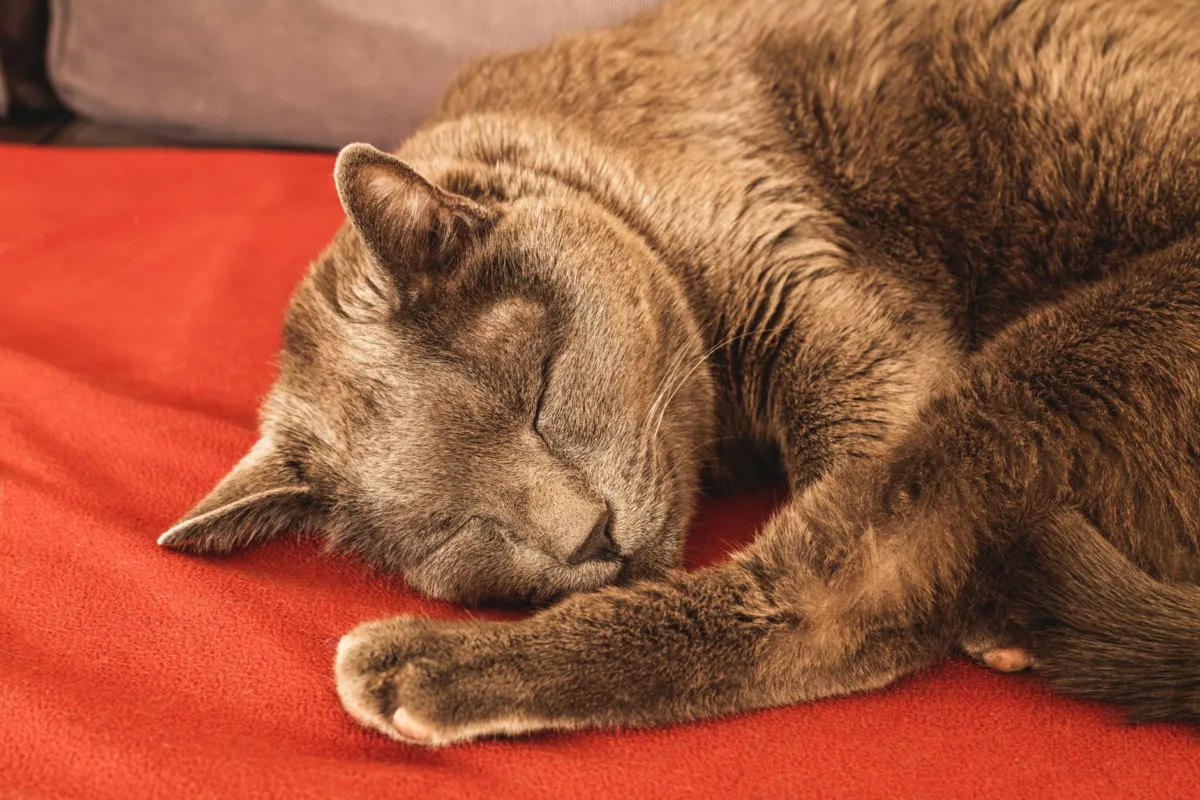
Cats are renowned for their love of sleep, often snoozing away the majority of their day. It’s not uncommon for pet owners to wonder, “Why is my cat sleeping so much?” Understanding your cat’s sleeping habits is crucial for their health and well-being.
Typically, cats sleep between 12 to 16 hours per day, which is a natural behavior. However, variations can occur due to various factors, including age, health, and environmental conditions. This article will explore the reasons behind your cat’s napping tendencies and when it might be a good idea to consult a veterinarian.
By recognizing normal sleeping patterns and identifying any deviations, you can ensure that your feline friend remains happy and healthy. Let’s dive deeper into the reasons why your cat might be catching those extra Z’s.
Understanding the Feline Sleep Cycle
Cats have a unique sleep cycle that differs from humans. Understanding this cycle can provide insights into why your cat appears to be sleeping so much.
A typical cat sleep cycle consists of two main phases: slow-wave sleep and REM sleep. Slow-wave sleep is restorative and makes up the majority of their sleep time, while REM sleep is associated with dreaming.
Here is a breakdown of the feline sleep cycle:
- Slow-Wave Sleep: This phase can last for several hours. During this time, cats are in a light sleep state, where they are easily awakened.
- REM Sleep: This phase is shorter but more intense. During REM sleep, cats may twitch, make noises, or even appear to be chasing prey.
- Awake but Resting: Cats often spend time in a semi-awake state, where they can quickly respond to any potential threats.
Normal Sleeping Patterns
Understanding what constitutes normal sleeping behavior for cats is essential for identifying any changes that may require attention.
Most adult cats will sleep anywhere from 12 to 16 hours a day, while kittens and senior cats may sleep even more. Factors that can influence a cat’s sleeping patterns include:
- Age: Kittens and older cats tend to sleep more than healthy adult cats.
- Activity Level: Cats that engage in more play and activity during their waking hours may need more sleep to recover.
- Health Status: Illness or discomfort can lead to changes in a cat’s sleeping habits.
It’s essential to observe your cat’s sleeping patterns to ensure that they are within the normal range. If you notice any significant changes, it may be a sign that something is amiss.
Factors Influencing Cat Sleeping Behavior
Several factors can influence how much your cat sleeps, including their environment, health, and lifestyle.
Environmental Factors
The environment plays a crucial role in a cat’s sleeping behavior. A safe, warm, and quiet space encourages more sleeping. Here are some environmental factors to consider:
- Comfortable Sleeping Areas: Cats prefer soft, comfortable spots that provide warmth and security.
- Noise Levels: A quiet home allows cats to relax and sleep more deeply.
- Lighting: Cats are crepuscular animals, meaning they are most active at dawn and dusk. They may sleep more during the day if their home is brightly lit.
Health Considerations
Health issues can lead to increased sleeping behavior in cats. Common health concerns that may cause excessive sleep include:
- Obesity: Overweight cats may tire more easily and require more sleep.
- Medical Conditions: Conditions like hyperthyroidism, diabetes, or arthritis can affect energy levels.
- Infections: Illness can lead to lethargy, causing your cat to sleep more than usual.
Lifestyle Factors
A cat’s lifestyle can also affect its sleeping patterns. Cats that live in multi-pet households or those that experience significant changes in their routine might exhibit different sleeping behaviors. Consider these lifestyle factors:
- Stress: Changes in the household or new pets can create stress, leading to increased sleeping.
- Age: Older cats tend to be less active and may sleep more as they age.
- Diet: A balanced diet can impact energy levels. Cats on a poor diet may be lethargic.
When to Be Concerned About Excessive Sleeping
While napping is a normal behavior for cats, there are times when excessive sleeping could indicate a problem. It’s important to be aware of the signs that might warrant a visit to the veterinarian.
Consider the following signs of concern:
- Sudden Changes: If your cat suddenly increases its sleeping hours significantly, it may be a sign of an underlying health issue.
- Behavioral Changes: If your cat becomes withdrawn, stops eating, or exhibits unusual behavior, it’s time to consult a vet.
- Physical Symptoms: Look for signs of illness, such as vomiting, diarrhea, or difficulty moving.
Monitoring your cat’s overall health and behavior can help you identify when it’s time to seek veterinary advice. Regular check-ups are essential for maintaining your cat’s health and addressing any concerns early.

Common Health Issues Leading to Increased Sleep
Certain medical conditions can lead to increased sleepiness in cats. Knowing these conditions can help you take action if you notice any symptoms.
1. Hyperthyroidism
Hyperthyroidism is a common condition in older cats, characterized by an overproduction of thyroid hormones. Symptoms may include:
- Increased appetite
- Increased thirst
- Weight loss
- Excessive grooming
This condition can cause a cat to become lethargic and sleep more than usual. Diagnosis and treatment options are available through your veterinarian.
2. Diabetes Mellitus
Diabetes can lead to increased thirst and urination, which may cause increased fatigue in cats. Symptoms of diabetes include:
- Increased appetite
- Weight loss
- Lethargy
Early diagnosis is critical in managing diabetes in cats, so consult your veterinarian if you notice any signs.
3. Arthritis
Arthritis is common in older cats and can lead to pain and discomfort, making them less active. Symptoms include:
- Difficulty jumping or climbing
- Reduced activity
- Changes in grooming behavior
If your cat appears to be in pain or is sleeping more due to discomfort, it’s essential to seek veterinary advice.
How to Encourage Healthy Sleeping Habits
Creating an environment that encourages healthy sleeping habits is beneficial for your cat’s overall well-being. Here are some tips to promote better sleep for your feline friend:
- Provide Comfortable Bedding: Ensure your cat has a cozy, warm place to sleep, such as a soft bed or blanket.
- Minimize Stress: Keep the environment calm and stable, especially during changes in the household.
- Maintain a Routine: Cats thrive on routine. Feeding and playtime should occur around the same time each day to establish consistency.
- Regular Vet Check-Ups: Schedule routine veterinary visits to catch any health issues early.
Understanding Your Cat’s Sleep Environment
Creating a Comfortable Sleeping Space
Cats are creatures of comfort and their sleeping environment plays a crucial role in how well they rest. A cozy bed in a quiet, warm location can encourage deeper sleep. Consider investing in a soft, padded cat bed that provides support for their bodies. Additionally, having multiple sleeping spots around the house can give your cat options based on their mood.
- Choose a bed with high sides for security.
- Ensure the sleeping area is away from high traffic zones.
- Provide soft blankets or cushions for added comfort.
It’s also essential to keep the space clean and free from disturbances. Regularly washing their bedding and ensuring the area is quiet and dimly lit can help your cat feel safe and secure while sleeping.
The Impact of Temperature on Sleep
Temperature significantly affects a cat’s sleep patterns. Cats naturally seek warmth, so a cool environment can lead to restless sleep. The ideal temperature range for most cats is between 70°F to 80°F (21°C to 27°C). If your home is too cold, your cat may curl up tighter, which can affect their sleep quality.
- Provide heated blankets or pads during winter months.
- Ensure there are sunlit spots for them to bask in during the day.
- Be cautious of drafts and keep windows well-insulated.
Monitoring your cat’s behavior can help you understand if they are too warm or too cold, which can directly impact their sleep duration and quality.
Nocturnal vs. Diurnal Habits
Cats are naturally more active during dawn and dusk, known as crepuscular behavior. This means they may sleep more during the day and be awake during early morning or evening hours. Understanding this natural rhythm can help you adjust your routine to spend quality time with your cat when they are most active.
- Engage in play sessions during early mornings or evenings.
- Provide stimulating toys that encourage activity during their waking hours.
- Consider adjusting feeding times to coincide with their active periods.
By aligning your activities with your cat’s natural rhythms, you can help ensure they get the necessary playtime while still enjoying their long bouts of sleep.
Nutrition’s Role in Sleep Quality
The Importance of a Balanced Diet
The food you provide for your cat can influence their energy levels and sleep quality. A balanced diet rich in proteins, fats, and essential nutrients is vital for maintaining their overall health. Cats require a diet high in animal proteins and low in carbohydrates, which helps maintain their energy levels throughout the day.
- Look for high-quality cat food with real meat as the first ingredient.
- Ensure their diet includes omega fatty acids for skin and coat health.
- Consult with a veterinarian to tailor a diet that meets your cat’s specific needs.
Providing a proper diet can help prevent obesity, which can lead to lethargy and increased sleeping, making nutritional choices crucial for maintaining your cat’s health.
Hydration and Sleep
Hydration is another critical factor in your cat’s well-being. Cats can often be picky drinkers, which may lead to dehydration. This can result in lethargy and increased sleep. Ensuring your cat has access to fresh water at all times is essential for their overall health.
- Consider a pet water fountain to encourage drinking.
- Incorporate wet food into their diet for additional moisture.
- Monitor their water intake and consult a vet if you notice significant changes.
Keeping your cat hydrated can help maintain their energy levels, potentially reducing excessive sleeping.
Timing of Meals
The timing of your cat’s meals can also impact their sleep patterns. Cats are instinctively programmed to hunt and eat small meals throughout the day. Feeding them at regular intervals can help maintain their energy levels and prevent them from sleeping excessively during the day.
- Feed smaller, more frequent meals rather than one large meal.
- Consider using puzzle feeders to stimulate both their mind and body.
- Establish a consistent feeding schedule to create routine.
By aligning their meal times with their natural instincts, you can help promote a more balanced lifestyle that includes appropriate periods of activity and rest.
Behavioral Considerations Affecting Sleep
Stress and Anxiety in Cats
Just like humans, cats can experience stress and anxiety, which can significantly affect their sleeping patterns. Changes in their environment, such as moving to a new home or the introduction of new pets, can lead to feelings of insecurity. Stress can cause cats to sleep more as they cope with their new circumstances.
- Identify stressors in your cat’s environment and minimize them.
- Provide safe spaces where they can retreat and feel secure.
- Consider using pheromone diffusers to help reduce anxiety.
Recognizing signs of stress and addressing them can help improve your cat’s sleep quality and overall well-being.
Age-Related Changes in Behavior
As cats age, their sleeping patterns may change. Senior cats tend to sleep more due to reduced energy levels and health issues that may arise with age. Understanding these changes is important for managing their care effectively. Older cats may also require more comfortable sleeping areas to accommodate joint pain or other age-related concerns.
- Provide orthopedic beds for added support.
- Regular veterinary check-ups to monitor health conditions.
- Engage in gentle play to keep them active.
Monitoring your older cat’s sleeping habits can help you identify any potential health issues early and ensure they remain comfortable and happy.
The Role of Play in Sleep Patterns
Engaging your cat in regular play can help regulate their sleep patterns. Playtime not only provides physical stimulation but also mentally engages your cat, helping to expend energy. Cats that receive ample playtime during the day may sleep more soundly at night.
- Incorporate interactive toys to boost engagement.
- Schedule daily play sessions to establish routine.
- Rotate toys to keep their interest piqued.
Understanding the balance between active play and rest can help ensure your cat leads a healthy lifestyle, promoting both their physical and mental well-being.
Frequently Asked Questions
Why do cats sleep so much?
Cats are natural hunters and therefore have evolved to conserve energy by sleeping a lot. They need extensive rest to maintain their energy levels for short bursts of activity.
How much sleep is normal for a cat?
Most cats sleep between 12 to 16 hours a day, but this can vary based on age, health, and activity levels.
What should I do if my cat is sleeping more than usual?
If your cat suddenly increases its sleeping hours significantly or changes its behavior, consult your veterinarian to rule out any health concerns.
Can stress cause my cat to sleep more?
Yes, stress can lead to increased sleeping behavior. Cats may retreat into sleep as a coping mechanism in stressful situations.
The Bottom Line
Understanding your cat’s sleeping habits is essential for maintaining their health and happiness. While it is normal for cats to sleep extensively, being aware of changes in their behavior can help you identify potential health issues early. Always consult with a veterinarian if you have concerns about your cat’s sleeping patterns.
Was this article helpful?

Writer at Mad4Pets. Lifelong animal lover who turns research and vet guidance into practical tips for everyday pet parents.