Can Dogs Eat Frogs? Important Health Considerations
Wondering can dogs eat frogs? Discover the risks and health considerations of frogs in your dog's diet and what to watch for.

Key takeaways
- Frogs can be toxic to dogs.
- Not all frogs pose the same risk.
- Always consult a vet if your dog eats a frog.
- Prevent your dog from eating frogs.
As a dog owner, you often find yourself wondering about what your furry friend can safely consume. One question that might cross your mind is, can dogs eat frogs? This is an important consideration because while some animals are safe for dogs to eat, others can be harmful or even toxic. Understanding the relationship between dogs and frogs is essential for ensuring the health and safety of your pet.
Frogs are fascinating creatures, and they are found in a variety of environments. It’s not uncommon for dogs to encounter frogs during outdoor adventures, particularly in wet or marshy areas. However, not all frogs are created equal. Some species are harmless, while others possess toxins that can be dangerous to dogs.
This article will explore the risks associated with dogs eating frogs, the signs of toxicity, and what you should do if your dog eats one. By the end, you’ll have a comprehensive understanding of whether it’s safe for your dog to interact with these amphibians.
Understanding Frog Toxicity
Frog toxicity is primarily due to certain chemicals secreted through their skin. Many species of frogs produce toxins as a defense mechanism against predators. These toxins can vary significantly from one frog to another, making it crucial to identify the species your dog may come into contact with.
Common Toxic Frog Species
Some frogs are particularly well-known for their toxic properties:
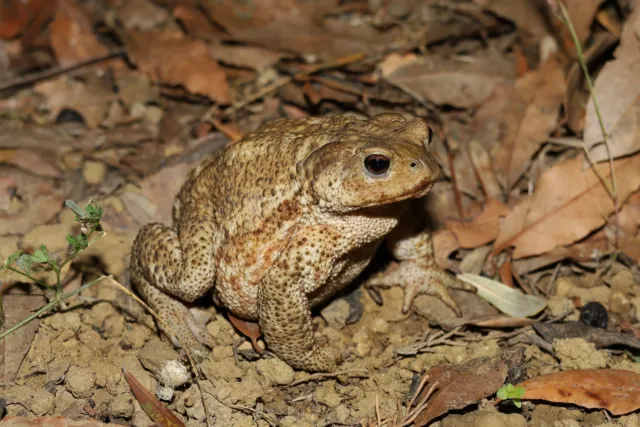
- Bufotenin Frogs: These frogs, such as the Colorado River toad, secrete bufotenin, which can cause severe reactions in dogs, including seizures and heart failure.
- Poison Dart Frogs: Native to Central and South America, these brightly colored frogs have potent toxins that can be lethal to dogs.
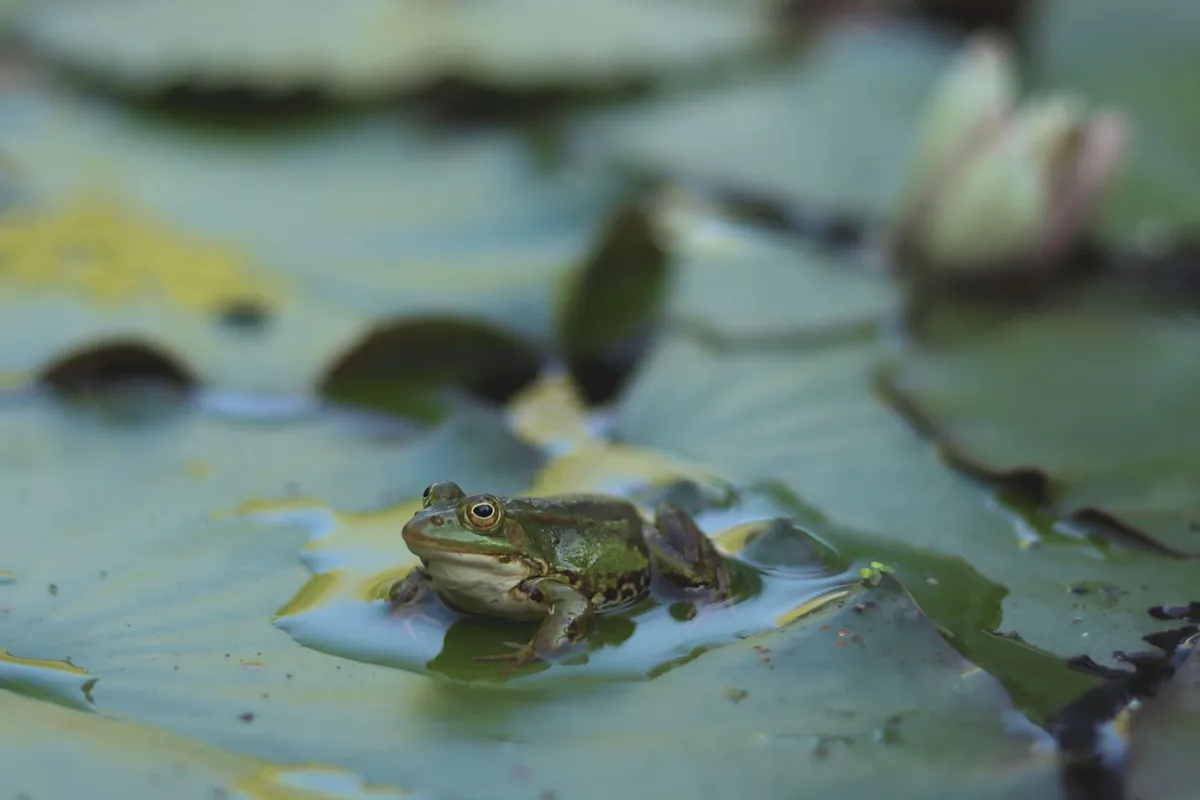
- Green Frogs: While not as toxic as others, they can still cause mild gastrointestinal upset if ingested.
These examples highlight the risks associated with frogs, but it’s important to note that not all frogs are toxic. Many frogs pose little to no risk to dogs, but caution is always advised.
Signs of Toxicity in Dogs
If your dog consumes a toxic frog, it can lead to serious health issues. Recognizing the signs of toxicity early can be life-saving:
- Vomiting: One of the first signs that something is wrong.
- Diarrhea: Gastrointestinal distress can occur.
- Seizures: More severe reactions may include seizures or loss of coordination.
- Difficulty Breathing: In severe cases, your dog may struggle to breathe.
If you notice any of these symptoms after your dog has eaten a frog, contact your veterinarian immediately.
What to Do If Your Dog Eats a Frog
If you suspect that your dog has eaten a frog, the first step is to stay calm. Panic can make the situation worse. Here’s what you should do:
Immediate Actions
1. Assess the Situation: Determine if you can identify the type of frog your dog ate. If it’s a known toxic species, this information can be critical for your vet.
2. Monitor for Symptoms: Keep a close eye on your dog for any signs of toxicity. This can help you provide accurate information to your veterinarian.
3. Contact Your Veterinarian: Regardless of symptoms, it’s always best to consult with your vet if your dog has ingested a frog. They will provide guidance on the next steps.
Veterinary Treatment
The treatment your vet may recommend will depend on the symptoms observed and the type of frog ingested:
- Induced Vomiting: If the ingestion was recent, your vet may induce vomiting to prevent further absorption of toxins.
- Activated Charcoal: This can help absorb any remaining toxins in the gastrointestinal tract.
- Supportive Care: In severe cases, your dog may require hospitalization for monitoring and supportive treatment, such as intravenous fluids.
Always follow your veterinarian’s advice, as they have the expertise to handle such situations effectively.
Preventing Frog Ingestion
Prevention is always better than cure. Here are some strategies to help keep your dog safe from frogs:
Supervising Outdoor Time
When your dog is outside, especially in areas known for frog populations, supervision is key. Here are some tips:
- Stay Alert: Keep an eye on your dog and be aware of their surroundings.
- Leashing: Using a leash can help you control your dog’s movements and prevent them from exploring areas where frogs may be present.
- Training Commands: Teach your dog commands such as “leave it” or “come” to discourage them from approaching frogs.
Creating a Frog-Free Zone
If you have a backyard or garden, consider these measures:
- Remove Standing Water: Frogs are attracted to water sources. Removing standing water can make your yard less appealing to them.
- Use Fencing: Installing a fence can help keep frogs away from your dog’s play area.
- Plant Non-Attractive Flora: Certain plants can deter frogs, helping to create a less inviting environment for them.
Alternative Protein Sources for Dogs
If you’re considering enriching your dog’s diet with protein sources, it’s important to know that there are safer alternatives than frogs. Here are some options:
Safe Protein Sources
1. Chicken: A lean protein that is generally safe for dogs when cooked without seasoning.
2. Beef: Another protein-rich food that dogs usually love, as long as it is cooked properly.
3. Fish: Salmon and sardines are great options, but ensure they are cooked and free of bones.
4. Turkey: Lean turkey meat is also a safe and healthy protein option for dogs.
By providing a balanced diet with these safe protein sources, you can ensure your dog stays healthy without the risks associated with frogs.

Identifying Safe and Unsafe Frog Species
Common Frog Species in North America
Understanding the types of frogs that your dog may encounter is crucial for pet safety. In North America, several common species can be found in various habitats, including ponds, marshes, and gardens. Some of the prevalent species include the American Bullfrog, the Green Frog, and the Leopard Frog. While these frogs are often harmless, it’s important to note that some can secrete toxins that are dangerous to dogs.
Here are a few common frog species you might encounter:
- American Bullfrog
- Green Frog
- Leopard Frog
- Wood Frog
- Tree Frog
Identifying Toxic Frogs
Some frogs are known for their toxic secretions, which can pose serious health risks to dogs if ingested. The most notorious among them is the Colorado River toad, also known as the Sonoran Desert toad. This toad produces a potent toxin called bufotenin, which can be fatal to dogs. Other toxic species include certain types of poison dart frogs found in tropical regions. It’s essential for pet owners to familiarize themselves with these species to protect their dogs effectively.
Here are some characteristics of toxic frogs:
- Bright colors, which often serve as a warning signal
- Distinctive markings or patterns
- Typically found in specific geographic regions (e.g., tropical areas)
Effects of Frog Consumption on Dogs
The effects of frog consumption can vary greatly depending on the species ingested and the amount. Ingestion of a non-toxic frog may lead to mild gastrointestinal upset, such as vomiting or diarrhea. However, if a dog consumes a toxic frog, the symptoms can be severe and may include tremors, seizures, and even death. Pet owners should be observant of their dog’s behavior after any frog encounter.
Here are some symptoms to monitor for after potential frog ingestion:
- Salivation or drooling
- Vomiting
- Diarrhea
- Tremors
- Seizures
Understanding Dog Behavior Around Frogs
Why Dogs Are Attracted to Frogs
Dogs are naturally curious animals, and their playful instincts often lead them to chase and play with small creatures, including frogs. The movement of frogs can trigger a dog’s prey drive, making them more likely to engage with these amphibians. Additionally, the scent of frogs can intrigue dogs, making them investigate further. Understanding this behavior can help pet owners anticipate and prevent potential encounters.
Training Your Dog to Avoid Frogs
Training your dog to avoid frogs can be an effective strategy, especially if you live in an area where toxic species are prevalent. Positive reinforcement training can be utilized to teach dogs commands like “leave it” or “come,” which can redirect their attention when they spot a frog. Training sessions should be short and engaging while gradually increasing distractions to simulate real-life scenarios.
Here are some training tips to consider:
- Use high-value treats to reward your dog for obeying commands.
- Practice in different environments to generalize the behavior.
- Introduce the command near safe, non-toxic frogs as a controlled exercise.
Recognizing Signs of Frog Encounter
Understanding your dog’s body language can provide insights into their encounters with frogs. For example, if your dog is fixated, barking, or lunging, they may have spotted a frog. Recognizing these signs early can help you intervene before they have a chance to consume the frog. Additionally, if your dog returns with wet paws or a muddy coat, this might indicate they have been playing near a pond or marsh where frogs are present.
Some signs of a frog encounter include:
- Excited barking or whining
- Excessive sniffing or pawing at the ground
- Wet or muddy fur
The Ecological Impact of Dogs on Frog Populations
How Dogs Can Affect Local Frog Habitats
While dogs are beloved companions, their presence can inadvertently impact local wildlife, including frog populations. Dogs can disturb frog habitats through foraging, digging, and trampling vegetation. This can lead to the degradation of breeding sites and nesting areas for frogs, which are already facing threats from climate change and habitat loss.
Responsible Pet Ownership and Wildlife Conservation
Responsible pet ownership includes being mindful of your dog’s impact on local wildlife. Keeping dogs leashed in areas where frogs are present can minimize disturbances. Additionally, pet owners can participate in local conservation efforts aimed at protecting amphibian habitats, such as supporting wildlife reserves or participating in clean-up events.
Ways to practice responsible pet ownership include:
- Leashing your dog in natural areas
- Cleaning up after your dog to prevent pollution
- Educating others about the importance of wildlife conservation
Benefits of Frogs to Ecosystems
Frogs play a significant role in their ecosystems as both predators and prey. They help control insect populations by feeding on pests like mosquitoes and flies. Additionally, frogs serve as a food source for many larger animals, from birds to mammals. Understanding the ecological role of frogs can help pet owners appreciate the importance of protecting these amphibians while also taking precautions to ensure their dog’s safety.
Here are some ecological benefits of frogs:
- Natural pest control
- Indicators of environmental health
- Part of the food web
Signs of Frog Toxicity in Dogs
Initial Symptoms
When a dog ingests a toxic frog, the initial symptoms can manifest quite rapidly. Common signs include excessive drooling, vomiting, and diarrhea. These reactions often occur within minutes to hours after ingestion, depending on the type of toxin involved. Other symptoms may include tremors, seizures, or difficulty breathing, which require immediate veterinary attention.
Long-term Effects
In some cases, the long-term effects of frog toxicity can lead to serious health issues. Dogs that have ingested toxic frogs may suffer from lasting neurological damage, which can manifest as behavioral changes or motor skill difficulties. Additionally, kidney damage is a potential risk, as certain toxins can cause renal failure over time. Monitoring your dog’s health after an incident is essential, and regular veterinary check-ups can help catch any lingering issues early.
Behavioral Changes
Aside from physical symptoms, a dog may exhibit behavioral changes after experiencing frog toxicity. Owners should be vigilant for signs of anxiety, lethargy, or unusual aggression. Dogs may also become more fearful of outdoor environments, especially those with water bodies where frogs are commonly found. Keeping a close eye on your pet’s behavior can provide valuable insights into their recovery and overall well-being.

Safe Outdoor Practices
Supervised Outdoor Time
One of the best practices for ensuring your dog’s safety around frogs is to supervise their outdoor time. Always accompany your dog during walks or playtime in areas where frogs may be present. This supervision allows you to quickly intervene if your dog shows interest in a frog, thus preventing ingestion.
Training Commands
Training your dog to respond to commands can also minimize the risk of frog ingestion. Commands such as “leave it” or “come” can be particularly effective in redirecting your dog’s attention away from potential hazards. Here are a few training tips:
- Start training in a distraction-free environment.
- Use positive reinforcement, such as treats or praise.
- Gradually introduce distractions like frogs during training sessions.
Creating a Safe Environment
Designating frog-free zones in your yard can be another effective strategy. You can achieve this by removing standing water sources and discouraging vegetation that attracts frogs. Consider installing barriers or using natural repellents to create a safer environment for your dog.
Consulting Your Veterinarian
Regular Health Check-ups
Regular veterinary visits play a crucial role in your dog’s overall health and well-being. During these check-ups, you can discuss any concerns regarding your dog’s exposure to frogs and other wildlife. Your veterinarian can provide insights into preventative measures and may recommend vaccinations or treatments that can help mitigate the risks associated with frog toxicity.
Emergency Preparedness
Being prepared for emergencies is essential in case your dog does ingest a frog. Keep your veterinarian’s contact information handy, and consider having a pet first aid kit available. Knowing the symptoms of toxicity can also help you act quickly, potentially saving your dog’s life.
Tailored Advice for Specific Breeds
Different dog breeds may have varying levels of curiosity and risk when it comes to exploring their environment. Consulting with your veterinarian can provide tailored advice based on your dog’s breed, size, and individual personality. This personalized approach can help you implement effective strategies to keep your dog safe from frog-related hazards.
Frequently Asked Questions
Can all frogs be harmful to dogs?
No, while many frogs are toxic, not all species pose a danger. However, it is best to avoid allowing your dog to eat frogs altogether.
What should I do if my dog shows symptoms after eating a frog?
If your dog shows any signs of toxicity, contact your veterinarian immediately for advice and potential treatment.
Are there any safe types of frogs?
Generally, it is best to avoid any interaction with frogs, as identifying safe species can be difficult. Some frogs may not be harmful, but caution is advised.
Can I prevent my dog from eating frogs?
Yes, you can supervise your dog outdoors, use training commands, and create a frog-free zone in your yard to minimize encounters.
The Bottom Line
In essence, while some frogs may not be toxic, the risks associated with dogs eating frogs are significant. It’s essential to be vigilant and proactive in preventing your dog from consuming any frogs. Always consult your veterinarian if you have concerns about your dog’s health or if they have ingested something potentially harmful. By taking preventive measures, you can help ensure your dog’s safety and well-being.
Was this article helpful?

Writer at Mad4Pets. Lifelong animal lover who turns research and vet guidance into practical tips for everyday pet parents.