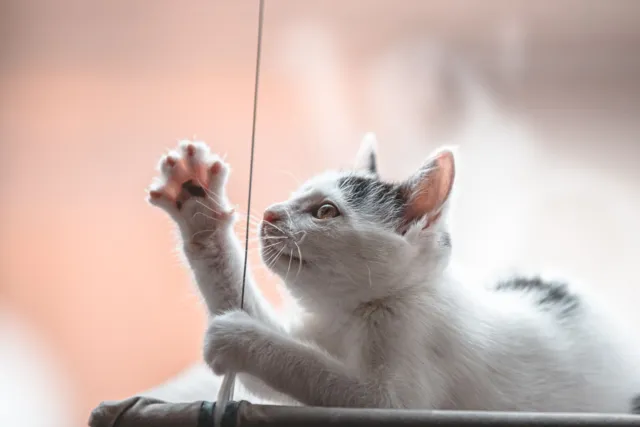
Engaging Cat Toys for Bored Cats to Keep Them Active
Discover the best cat toys for bored cats that will keep them engaged, active, and happy. Find tips and recommendations in this comprehensive guide.


Key takeaways
- Variety of toys to keep cats engaged
- Importance of mental stimulation for cats
- Toys that mimic natural hunting behavior
- Interactive options to bond with your cat
Every cat owner knows that our feline friends can often display signs of boredom. A bored cat may engage in destructive behaviors, such as scratching furniture or knocking items off shelves. To keep your cat entertained and mentally stimulated, providing a variety of engaging toys is essential. In this article, we will explore the best cat toys for bored cats, helping you choose the right options to keep your furry companion happy.
Understanding your cat’s playstyle is crucial in selecting the appropriate toys. Cats are natural hunters, and their play behavior often mimics hunting skills. Offering toys that cater to these instincts can help alleviate boredom and provide the physical exercise they need. This guide will present various toy categories and offer tips on how to choose the best options for your pet.
From interactive gadgets to simple DIY solutions, there are countless possibilities to enrich your cat’s playtime. Let’s dive into the details and discover the best cat toys to keep your bored cat entertained.
Understanding Cat Play Behavior
To select the best toys for your cat, it’s essential to understand their play behavior. Cats are instinctual hunters, and their play often reflects this. They enjoy chasing, pouncing, and batting at objects that mimic prey. Playtime is not just fun; it also serves important developmental and physical purposes.
Cats can be divided into different play personalities. Some cats are solitary hunters, preferring to stalk and capture toys on their own. Others are social and enjoy interactive play with their owners. Identifying your cat’s play style can help you choose toys that will engage them the most.
Types of Play
1. **Solo Play**: Cats often enjoy playing alone, using toys they can bat around, chase, or pounce on by themselves. These toys provide a good outlet for their energy.
2. **Interactive Play**: Many cats thrive on interaction with their owners. Toys that involve you, like wand toys or laser pointers, can strengthen your bond and provide essential physical activity.
3. **Exploratory Play**: Cats are curious creatures. Toys that allow them to explore new textures, scents, and sounds can stimulate their senses and keep them occupied for hours.
Top Categories of Cat Toys
When searching for the best cat toys for bored cats, consider the following categories that cater to various play styles and preferences.
Interactive Toys
Interactive toys are designed to engage both you and your cat. They encourage physical activity and mental stimulation, making them an excellent choice for bored felines. Here are some popular options:
- Wand Toys: These toys typically consist of a long stick with a feather, string, or other enticing object attached. They encourage your cat to jump, pounce, and chase.
- Laser Pointers: A simple yet effective way to engage your cat. Cats love to chase the elusive light, which can get them moving and jumping.
- Automated Toys: Battery-operated toys that move or make noise can mimic prey behavior, spurring your cat’s hunting instincts.
Puzzle Toys
Puzzle toys offer mental challenges for your cat, requiring them to solve a problem to access a treat or toy hidden inside. These toys are great for keeping bored cats mentally stimulated. Here are some examples:
- Feeder Toys: These toys dispense food or treats as your cat interacts with them, encouraging both play and feeding.
- Hide-and-Seek Toys: Toys that have compartments for hiding treats can keep your cat engaged as they figure out how to access the goodies.
- Interactive Ball Toys: These toys roll or make sounds when batted, prompting your cat to engage with them.
Catnip Toys
Many cats are attracted to catnip, a herb that can create a euphoric response in felines. Catnip toys can be a great addition to your cat’s toy collection:
- Stuffed Toys: Soft toys filled with catnip can provide comfort and stimulation for your cat.
- Catnip Bubbles: Special bubble solutions infused with catnip can create a fun and interactive experience for your cat.
- Catnip-infused Balls: These balls encourage your cat to chase and bat around while enjoying the scent of catnip.

DIY Cat Toys
If you are looking for budget-friendly options, you can create engaging toys for your cat using everyday household items. DIY toys can be just as effective as store-bought options and offer the added benefit of customization:
Simple DIY Ideas
- Paper Balls: Crumple up some paper into a ball for your cat to bat around. It’s an easy and free option that many cats enjoy.
- String Toys: Attach a string or ribbon to a stick for your cat to chase. Always supervise playtime with string toys to prevent accidental ingestion.
- Cardboard Boxes: Cats love to explore and hide in boxes. Create a playhouse by cutting holes for them to jump in and out of.
Creating DIY toys not only saves money but also allows you to observe what types of toys your cat enjoys most.
Choosing the Right Toys
When selecting toys for your cat, consider their age, personality, and activity level. A kitten will have different play needs compared to an older cat. Here are a few tips to help you choose the best toys:
Age Considerations
1. **Kittens**: Young cats have a lot of energy and curiosity. They often enjoy toys that allow them to jump and chase. Soft toys and lightweight balls are excellent choices.
2. **Adult Cats**: Adult cats may enjoy a mixture of interactive toys and puzzle toys. They often appreciate toys that mimic hunting behaviors.
3. **Senior Cats**: Older cats may prefer gentler toys that are easier to handle. Look for soft, plush toys or low-energy interactive toys.
Safety First
Always prioritize safety when choosing toys for your cat. Avoid toys with small parts that could be swallowed or pose a choking hazard. Regularly inspect toys for wear and tear, and replace them if they become damaged.
Trial and Error
Every cat is unique, and what works for one may not work for another. Experiment with different types of toys to see what your cat enjoys the most. It may take some time, but finding the right toys will make a significant difference in your cat’s playtime experience.
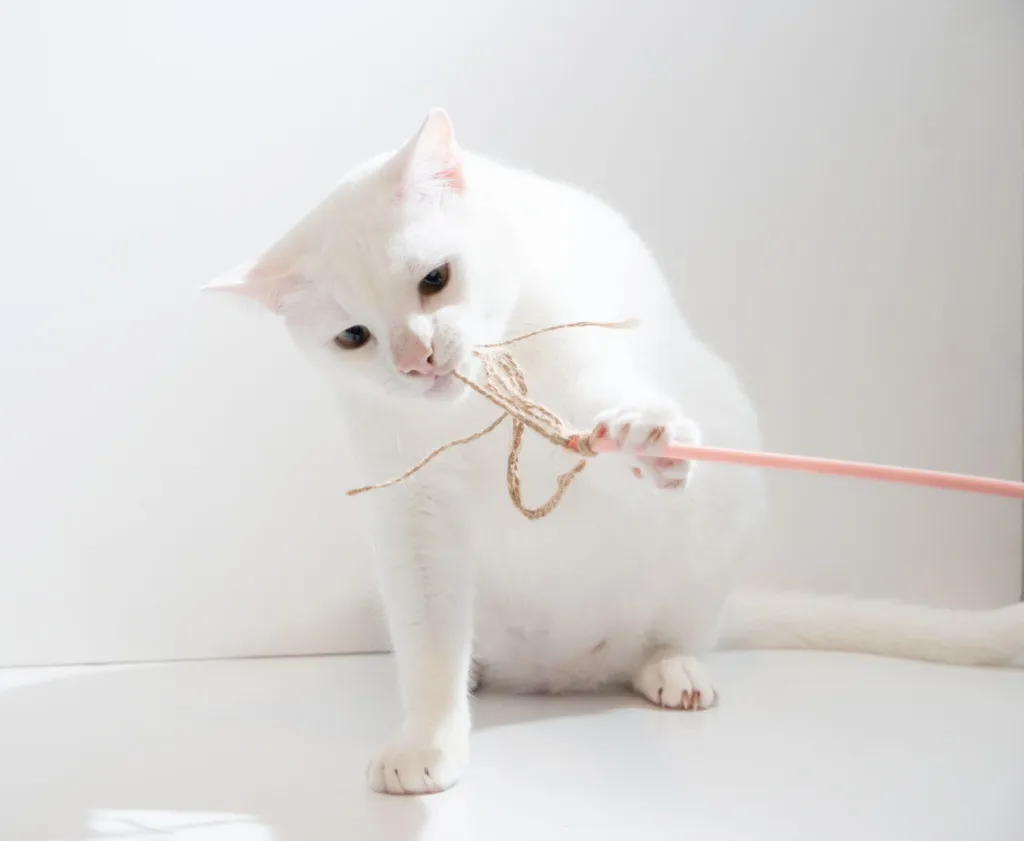
Benefits of Play for Cats
Providing your cat with appropriate toys has numerous benefits that go beyond mere entertainment. Regular playtime can improve your cat’s physical and mental health:
Physical Health
Engaging in regular play helps maintain a healthy weight and keeps your cat physically fit. Exercise prevents obesity and related health issues, such as diabetes and joint problems.
Mental Stimulation
Playtime provides mental challenges that can help reduce boredom and anxiety. Toys that require problem-solving skills can keep your cat’s mind sharp and engaged.
Behavioral Benefits
Regular play can help alleviate behavioral issues, such as scratching furniture or aggression. A well-stimulated cat is less likely to exhibit destructive behaviors, making for a more harmonious home.
Interactive Technology-Based Toys
Smart Toys for Mental Stimulation
Interactive technology-based toys have revolutionized how we engage our cats. These toys often feature sensors, cameras, and even artificial intelligence, allowing them to adapt to a cat’s play style. Smart toys can mimic the movements of prey, providing an engaging and stimulating environment for indoor cats. This technology not only entertains but also encourages problem-solving skills, which can improve cognitive function.
Some popular options include laser pointers that can be controlled via smartphone apps, feather toys that mimic the erratic movements of birds, and automated ball launchers. These toys keep cats physically active while also challenging their mental faculties, ensuring a well-rounded play experience. Here’s a brief list of notable smart toys:
- Petcube Play 2: A camera and laser toy combination.
- SmartyKat Hot Pursuit: An electronic toy that simulates the movements of small animals.
- Catit Senses 2.0: A range of interactive toys that stimulate sight, sound, and touch.
Remote-Controlled Toys
Remote-controlled toys offer a unique way for pet owners to engage with their cats from a distance. These toys often resemble small animals or balls that can be maneuvered around the living space, allowing cats to chase them as if they were real prey. The remote control aspect also means that owners can stimulate their cat’s interest and energy levels without needing to be physically present in the same room.
Using remote-controlled toys can be an excellent way to bond with your cat while also providing them with the exercise they need. It encourages them to run, jump, and pounce, which are essential behaviors for their physical health. Popular choices include remote-controlled mice and balls that can be driven around the house.
Automated Feeders as Play Tools
Automated feeders can serve a dual purpose: they not only provide food but can also be integrated with interactive play. Some feeders are designed to dispense treats at random intervals, encouraging cats to engage in play as they wait for their next reward. This method can help replicate hunting behavior, keeping cats active and engaged.
These devices often come with built-in timers and can be programmed to dispense food at specific times, which can also help manage a cat’s diet. Here are a few examples of automated feeders that can be turned into play tools:
- PetSafe Healthy Pet Simply Feed: Programmable and can dispense treats.
- Cat Mate C500: A multi-compartment feeder that can be used for treats and food.
- Feed and Play: A combination of feeding and playtime in one device.

Environmental Enrichment Strategies
Creating a Cat-Friendly Space
Environmental enrichment is essential for keeping indoor cats stimulated and engaged. A cat-friendly space can include various elements that promote exploration and play. For example, cat trees, shelves, and perches can create vertical spaces that allow cats to climb and observe their surroundings. Adding scratching posts and interactive play areas helps fulfill their natural instincts.
Another effective strategy is to incorporate various textures and materials. Cats are naturally curious and often enjoy exploring new surfaces. Providing different types of scratching materials, such as sisal, cardboard, and carpet, can keep their claws healthy and satisfy their scratching instincts. Additionally, rotating toys regularly can help maintain their interest and prevent boredom. Consider the following elements when designing a cat-friendly environment:
- Vertical spaces: Cat trees and shelves.
- Interactive areas: Play mats and tunnels.
- Natural elements: Safe plants and climbing opportunities.
Utilizing Window Views for Engagement
Setting up a designated viewing area can significantly enhance a cat’s daily experience. Cats are natural observers, and having a window perch allows them to watch birds, squirrels, and other outdoor activities. This stimulation can keep them entertained for hours and reduce behavioral issues that arise from boredom.
To create an engaging window view, consider adding a cat perch or hammock that is securely positioned. You can also enhance this area with bird feeders or outdoor cat enclosures that allow for safe outdoor exposure. Some cat owners even opt for window films that create a more inviting aesthetic. Here are some ideas to optimize window views:
- Install a cat perch or hammock for comfort.
- Add a bird feeder outside the window to attract wildlife.
- Consider outdoor cat enclosures for safe exploration.
Incorporating Scent and Sound
In addition to visual stimulation, incorporating scent and sound can greatly enrich a cat’s environment. Cats have a highly developed sense of smell, and introducing various scents can keep them intrigued. You can use catnip, silvervine, or even safe essential oils specifically designed for cats to create an engaging atmosphere.
Sound also plays a crucial role in a cat’s playtime. Toys that make noise, such as crinkly balls or squeaky mice, can capture their attention and encourage active play. To further enhance this sensory experience, consider playing soft nature sounds or cat-specific music while they play. Here are some tips for incorporating scent and sound:
- Use catnip or silvervine to stimulate interest.
- Invest in toys that produce sound for added engagement.
- Play calming nature sounds or cat-friendly music during playtime.
Understanding and Responding to Play Preferences
Observing Individual Play Styles
Cats, much like humans, have unique play preferences that can vary significantly from one cat to another. Some may prefer high-energy chase games, while others might enjoy slower, more methodical exploration. Observing these individual play styles can help pet owners select toys that align with their cat’s preferences, leading to more engaging play sessions.
For example, a cat that displays a strong pouncing behavior may appreciate toys that mimic the movement of small animals, whereas a more laid-back cat may prefer toys that they can bat around gently. By paying attention to how your cat interacts with different toys, you can curate a collection that caters specifically to their needs. Consider the following observations when analyzing your cat’s play style:
- Does your cat prefer chasing or pouncing?
- Is your cat more interested in solo play or interactive sessions?
- What types of toys do they show the most interest in?
Engaging with Your Cat During Playtime
Interactive play is essential for strengthening the bond between you and your cat. Engaging directly with your cat during playtime can help build trust and improve their overall happiness. This interaction not only stimulates their physical activity but also provides mental engagement, making playtime a valuable experience for both the cat and the owner.
Using a variety of techniques, such as wand toys or feather strings, allows you to guide the play and make it more dynamic. Incorporating tricks and commands during play can also enhance the experience and make it more mentally stimulating. Here are a few ways to engage with your cat during playtime:
- Use a variety of interactive toys to keep their interest.
- Incorporate commands or tricks for added challenge.
- Schedule regular play sessions for consistency.
Adjusting Playtime as Cats Age
As cats age, their play needs and abilities can change significantly. Kittens may be relentless in their pursuit of toys, while senior cats might prefer gentler, less strenuous play. Understanding these changes and adapting playtime accordingly can help keep older cats active and prevent health issues related to inactivity.
Incorporating softer toys, slow-moving games, and mental stimulation through puzzle feeders can help older cats remain engaged without overexerting themselves. Always consult with your veterinarian to ensure that the chosen activities align with your cat’s health and physical capabilities. Some recommendations for adjusting playtime for older cats include:
- Choose softer, lightweight toys for easier handling.
- Incorporate slow-moving or stationary toys for less strenuous play.
- Focus on mental stimulation through puzzles and treat-dispensing toys.
Frequently Asked Questions
What are the best cat toys for indoor cats?
Indoor cats benefit from a variety of toys, including interactive toys, puzzle feeders, and catnip-infused items. Engaging their senses and encouraging movement is key.
How often should I play with my cat?
Aim for at least 15-30 minutes of interactive play each day. Regular playtime helps keep your cat active and mentally stimulated.
Are there any toys that are dangerous for cats?
Toys with small parts, strings, or those that can easily break apart can pose choking hazards. Always supervise your cat during playtime and inspect toys regularly.
Can I make my own cat toys?
Absolutely! DIY cat toys can be fun to make and effective for play. Simple items like crumpled paper balls or string toys can provide hours of entertainment.
The Bottom Line
Finding the best cat toys for bored cats is essential for their well-being and happiness. By understanding your cat’s play behavior and preferences, you can select engaging toys that cater to their instincts. Whether you choose interactive gadgets, puzzle toys, or DIY creations, the goal is to keep your feline friend active and mentally stimulated.
Was this article helpful?

Writer at Mad4Pets. Lifelong animal lover who turns research and vet guidance into practical tips for everyday pet parents.