Engaging Cat Toys for Indoor Cats: Best Options Reviewed
Discover the best cat toys for indoor cats that stimulate their minds and keep them active. Explore various types and their benefits for your feline friend.

Key takeaways
- Indoor cats need stimulation to stay healthy and happy.
- Interactive toys encourage exercise and mental engagement.
- Diverse toy types cater to different feline preferences.
- Safety is paramount; always choose non-toxic materials.
Indoor cats often face challenges when it comes to exercise and mental stimulation. Unlike their outdoor counterparts, they lack the natural opportunities for play and exploration. This makes it crucial for cat owners to provide engaging toys that cater to their feline friend’s instincts.
The best cat toys for indoor cats not only keep them entertained but also encourage physical activity. From interactive gadgets to simple plush toys, there is a wide variety available to suit every cat’s unique personality. This guide will explore the top choices, their benefits, and tips for selecting the right toys.
When choosing toys for your indoor cat, consider their age, activity level, and preferences. By understanding what motivates them, you can create a stimulating environment that promotes health and happiness.
Types of Cat Toys
Interactive Toys
Interactive toys are designed to engage your cat’s mind and body. These toys often involve movement or sound, which can pique your cat’s natural hunting instincts. Some popular types of interactive toys include:
- Laser pointers: A classic choice, laser pointers can provide endless entertainment. Cats love to chase the elusive red dot, which helps them exercise.
- Automated toys: Battery-operated toys that move unpredictably can captivate a cat’s attention and encourage them to pounce and chase.
- Puzzle feeders: These toys require cats to solve a problem to access treats, stimulating their minds while rewarding them with a tasty snack.
Interactive toys not only entertain your cat but also promote physical activity and cognitive development. They can help prevent boredom and the development of destructive behaviors.
Wand Toys
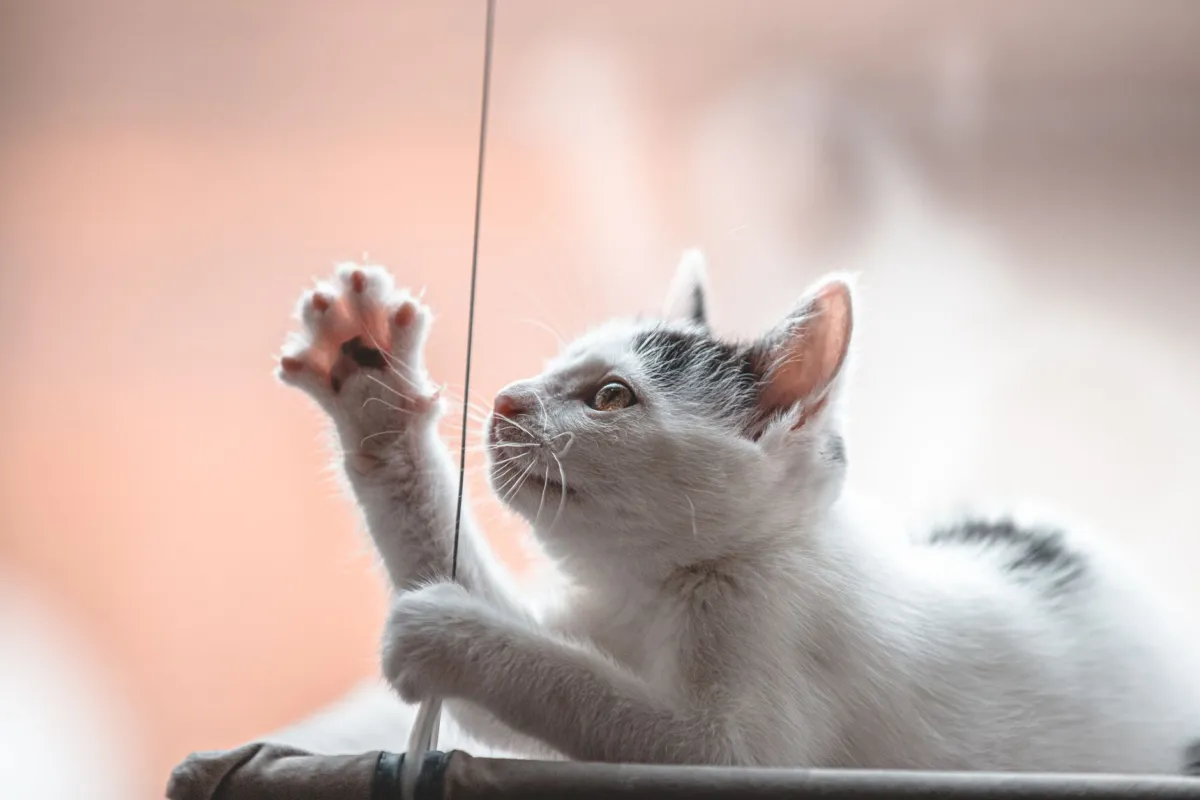
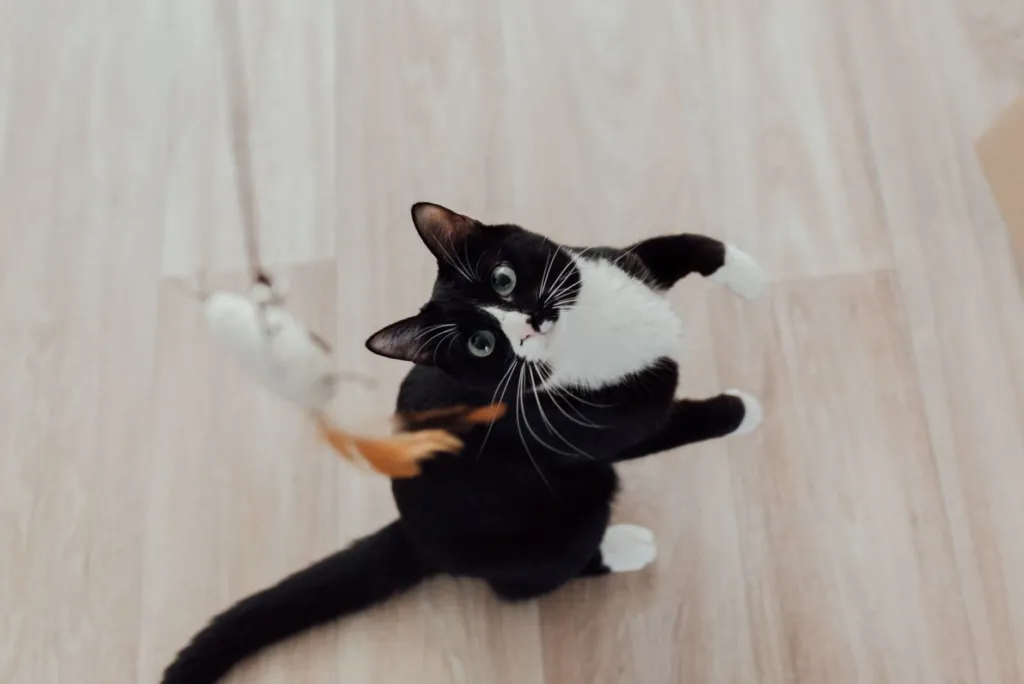
Wand toys consist of a long stick with a dangling toy at the end, often resembling prey. They encourage interactive play between you and your cat. Here are some benefits of wand toys:
- Promotes bonding: Wand toys encourage direct interaction, enhancing the bond between you and your cat.
- Exercise: They allow your cat to jump, run, and pounce, providing excellent physical exercise.
- Variety: Many wand toys come with interchangeable attachments, keeping playtime fresh and exciting.
Using wand toys can result in a more engaged and active indoor cat. Rotate the attachments regularly to maintain your cat’s interest.
Soft Toys and Plushies
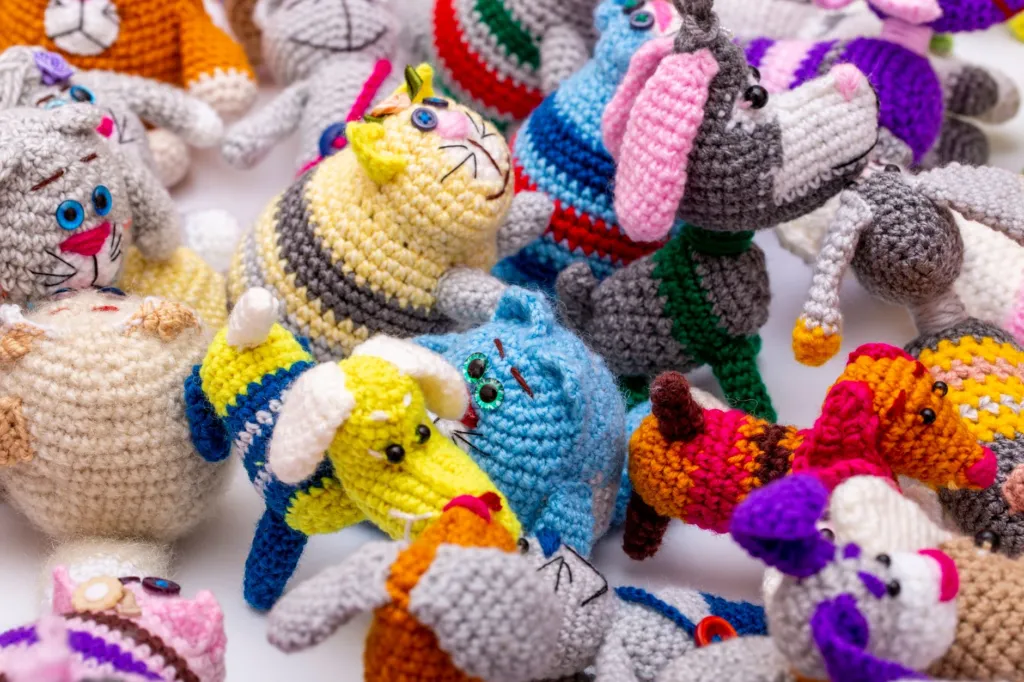
Soft toys can provide comfort and a sense of security for indoor cats. Many cats enjoy carrying these toys around, kneading them, or even cuddling with them. Consider the following:
- Material safety: Ensure that the soft toys are made from non-toxic materials and do not have small parts that can be chewed off.
- Variety in shapes: Cats enjoy various shapes and sizes, from small mice to larger stuffed animals. Experiment to see which your cat prefers.
- Catnip infusion: Toys infused with catnip can entice your cat to play more, as many cats are attracted to its scent.
While soft toys may not provide the same level of physical exercise as other types, they play an essential role in your cat’s emotional well-being.
Choosing Safe Toys
Material Considerations
When selecting toys for your indoor cat, the materials used are crucial for safety. Cats are known to chew and sometimes swallow parts of their toys. Here are some guidelines:
- Non-toxic materials: Always opt for toys made from non-toxic, pet-safe materials. Avoid toys with harmful chemicals or dyes.
- No small parts: Ensure that toys do not have small components that can be chewed off and pose a choking hazard.
- Durability: Choose sturdy toys that can withstand your cat’s play style. Fragile toys can break easily and create hazards.
Regularly inspect your cat’s toys for wear and tear. Discard any toys that have become damaged to ensure your cat’s safety.
Size Matters
The size of the toy is another important factor. Choose toys that are appropriate for your cat’s size and play style:
- Small toys: Kittens and smaller cats may prefer smaller toys that they can easily bat and carry.
- Larger toys: Bigger cats or those that like to wrestle may benefit from larger plush toys or interactive gadgets.
- Variety: Offering a range of toy sizes can cater to different moods and play preferences.
Remember, the right size enhances the play experience and reduces the risk of accidents.
Monitoring Playtime
Always supervise your cat during playtime, especially with new toys. Monitoring allows you to:
- Ensure safety: Keep an eye on how your cat interacts with the toy to prevent any accidents.
- Detect preferences: Watch your cat to see which toys they gravitate towards and how they play.
- Encourage play: Use playtime as an opportunity to bond and engage with your cat, creating a positive environment.
Consider setting aside specific play sessions each day to give your cat the attention they need and deserve.
Engaging Toys for Different Cat Personalities
Active Cats
If your cat is highly active and loves to play, consider toys that encourage vigorous movement. Toys that mimic prey, such as feather wands or laser pointers, are ideal. Here are some additional options:
- Cat tunnels: These provide a fun space for your cat to hide and stalk their “prey.” They can jump in and out, adding to the excitement.
- Ball toys: Simple balls that roll or bounce can stimulate a cat’s natural hunting behavior.
- Automated laser toys: These devices can keep your cat entertained even when you are busy.
Laid-back Cats
For more relaxed cats, soft toys or puzzle feeders might be the best choice. Here are some suggestions:
- Catnip toys: These can encourage gentle play and provide a comforting scent.
- Interactive puzzle toys: These engage their minds without requiring too much energy.
- Comfort toys: Soft plushies can provide a sense of security and a place to cuddle.
Curious Cats
Curious cats enjoy exploring their environment. Toys that offer new experiences can be captivating. Consider:
- Feather toys: These mimic the movement of real birds, sparking curiosity and promoting active play.
- Moving toys: Little robots or toys that move unpredictably can intrigue a curious cat.
- Scratchers with toys: Some scratchers come with attached toys, combining two activities in one and keeping your cat engaged.
Combining Play with Training
Using Toys for Training
Toys can also be powerful tools for training your indoor cat. Here’s how to effectively use toys during training sessions:
- Positive reinforcement: Use toys as rewards for positive behavior, such as using a litter box or following commands.
- Clicker training: Pair toys with clicker training to teach your cat new tricks. This method can make learning fun.
- Establish routines: Incorporate playtime into training routines to keep your cat engaged and motivated.
Encouraging Healthy Habits
Using toys strategically can promote healthy habits in your cat. Here are some ideas:
- Regular play sessions: Establish a consistent schedule for playtime to keep your cat active.
- Combining toys: Rotate toys to maintain interest and prevent boredom.
- Interactive feeding: Use puzzle feeders to slow down eating and stimulate mental engagement.
Socialization Through Play
Playtime can also serve as a form of socialization for your indoor cat. Here are some tips:
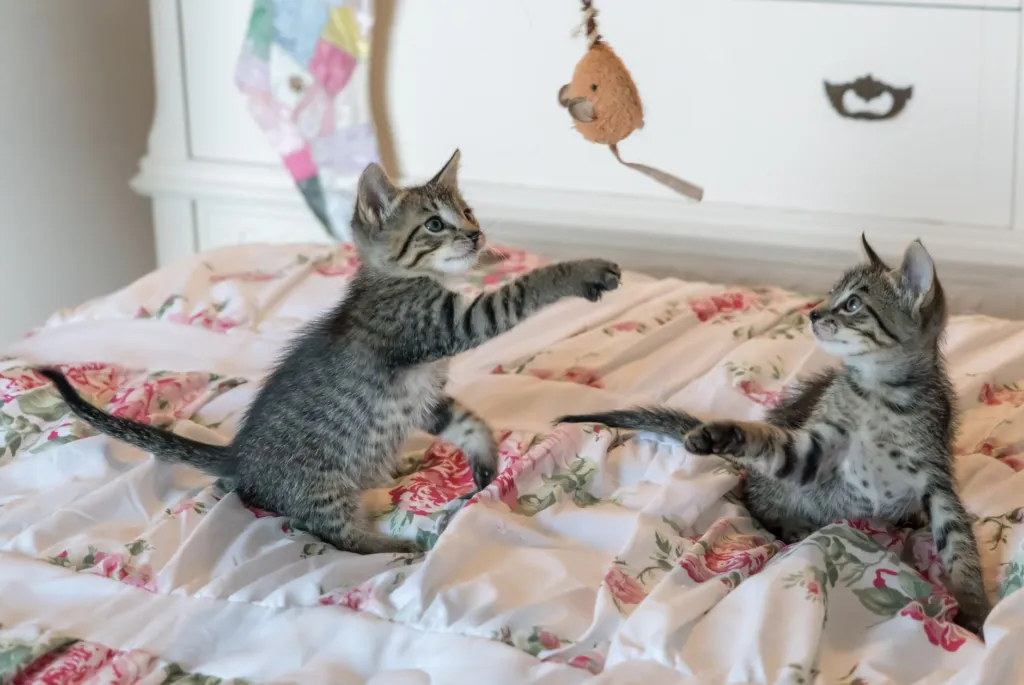
- Multi-cat households: Encourage play sessions with multiple cats to promote bonding and reduce territorial behavior.
- Introduce new toys gradually: When adding toys, monitor how your cats interact to ensure positive experiences.
- Interactive play: Engage with your cats to foster healthy social behavior.
DIY Cat Toys: Creative and Budget-Friendly Options
Creating your own cat toys can be a rewarding experience for both you and your feline friend. Homemade toys can be tailored to your cat’s preferences and can often be made from materials you already have at home. Here are some simple yet effective DIY toys you can create.
1. Sock and Ball Toys
Old socks can be transformed into engaging toys. Simply take a clean sock, fill it with crumpled paper or catnip, and tie off the opening to secure the filling. This simple toy can provide hours of entertainment, as cats enjoy batting and pouncing on it.
- Materials needed: clean sock, crumpled paper or catnip
- Instructions: Fill sock, tie off, and let your cat play!
2. Feather Wands
Feathers are irresistible to cats. To create a feather wand, attach feathers to a string and tie it to a stick. This toy not only encourages your cat to chase but also reinforces their hunting instincts. You can customize the length and style of the wand to suit your personal preferences.
- Materials needed: a stick (like a dowel or chopstick), string, feathers
- Instructions: Secure feathers to string, attach to stick, and enjoy playtime!
3. Puzzle Feeders
Puzzle feeders are a fantastic way to engage your cat mentally while also providing a challenge. You can create a DIY puzzle feeder by cutting holes in a plastic container and filling it with treats or kibble. This encourages your cat to work for their food, making mealtime more stimulating.
- Materials needed: plastic container, treats or kibble
- Instructions: Cut holes, fill with food, and let your cat figure it out!
Interactive Play Sessions: Building Bonds Through Play
Playtime is not just about keeping your cat entertained; it also strengthens the bond between you and your pet. Engaging in interactive play sessions can help build trust and improve your relationship. Here are some tips to enhance your playtime experience.
1. Scheduled Playtime
Establishing a routine can help your cat understand when to expect playtime. Aim for at least 15-20 minutes of interactive play each day. This can be broken into shorter sessions if your cat prefers. Regular playtime helps to maintain your cat’s physical health and mental stimulation.
- Benefits of scheduled playtime:
- Improves physical fitness
- Reduces anxiety and boredom
- Strengthens human-animal bond
2. Using Different Play Techniques
Varying your play techniques can keep your cat engaged and excited. Try different types of toys, such as feather wands, laser pointers, or balls. Observing your cat’s reactions will help you determine which types of play they enjoy the most.
- Play techniques to try:
- Chasing with laser pointers
- Hiding toys for them to find
- Teasing with feather wands
3. Incorporating Training into Play
Integrating training into play can make sessions more rewarding. Teach your cat simple commands like “sit” or “high five” while using treats as a reward. This not only reinforces the bond but also encourages your cat to learn new skills. Training through play can be a fun way to stimulate your cat mentally.
- Training tips:
- Keep sessions short and positive
- Use high-value treats as rewards
- Be patient and consistent
Choosing Toys for Multi-Cat Households
In multi-cat households, selecting toys that cater to different dynamics and personalities is crucial. Not all cats play the same way, and some may be more territorial or shy than others. Here are strategies to choose toys that will engage all your feline friends.
1. Variety is Key
Providing a range of toys can ensure that every cat has something they enjoy. Consider toys that cater to different play styles, such as interactive toys for active cats and soft toys for those who prefer to cuddle. Having a mix of toys can help reduce conflict and promote shared play.
- Types of toys to include:
- Interactive toys (like laser pointers)
- Solo toys (like plush mice)
- Puzzle feeders for mental stimulation
2. Rotating Toys
Rotating toys can keep the play environment fresh and exciting. Every week, switch out a few toys for others that have been put away. This can reignite interest in toys that may have been previously ignored and can help to prevent boredom.
- Benefits of rotating toys:
- Maintains interest and excitement
- Encourages exploration
- Reduces territorial disputes
3. Observing Play Behavior
Taking the time to observe how each cat interacts with toys can provide valuable insights. Some may prefer solo play, while others thrive on interactive sessions with their human or other cats. Tailoring the play experience based on these observations can lead to happier and more fulfilled cats.
- What to look for:
- Preferred play styles (solo vs. interactive)
- Frequency of play with certain toys
- Signs of stress or aggression during play
Frequently Asked Questions
What are the best types of toys for indoor cats?
The best types of toys for indoor cats include interactive toys, wand toys, and soft plush toys. Each type caters to different play styles and preferences.
How often should I replace my cat’s toys?
Inspect your cat’s toys regularly for wear and tear. Replace any damaged toys promptly to ensure safety. It is also beneficial to rotate toys every few weeks to keep things fresh.
Can toys help prevent behavioral issues in cats?
Yes, providing a variety of engaging toys can help prevent behavioral issues such as scratching furniture or excessive meowing. Toys stimulate your cat’s mind and provide necessary physical exercise.
Should I supervise my cat while they play?
Yes, supervising your cat during playtime is important, especially with new toys. It ensures their safety and allows you to monitor their preferences and play styles.
The Bottom Line
Choosing the best cat toys for indoor cats is essential for their well-being. Engaging toys promote physical activity, stimulate mental engagement, and prevent boredom. By understanding your cat’s personality and needs, you can select the right toys to keep them happy and healthy. Always prioritize safety, and enjoy the playful moments with your furry friend.
Was this article helpful?

Writer at Mad4Pets. Lifelong animal lover who turns research and vet guidance into practical tips for everyday pet parents.