Choosing the Right Dog Harness for Your Pet
Learn how to choose the right dog harness to ensure comfort and control for your pet during walks and outings.


Key takeaways
- Consider your dog's size and breed when choosing a harness.
- Select a harness style that fits your dog's activity level.
- Always measure your dog before purchasing a harness.
Selecting the right dog harness is crucial for the comfort, safety, and control of your furry friend. With various styles and sizes available, it can be overwhelming to decide which one is the best fit for your dog. This comprehensive guide aims to simplify that process by walking you through the essential considerations.
A harness is not just a trendy accessory; it plays a significant role in your dog’s safety during walks and outings. Unlike collars, which can put pressure on a dog’s neck, a harness distributes that pressure across the chest and back. This is particularly important for dogs that pull on the leash or those prone to neck injuries.
Whether you have a small puppy or a large breed, understanding the different types of harnesses and their specific benefits will help you make an informed decision. Let’s delve into the various aspects of choosing the right dog harness.
Understanding Harness Types
There are several types of dog harnesses available, each designed for specific needs and situations. Understanding these differences is the first step in selecting the right harness for your pet.
1. Back-Clip Harnesses
Back-clip harnesses are the most common type. They feature a clip on the back of the harness, allowing you to attach the leash easily. They are great for dogs that do not pull excessively and are generally simple to put on and take off.
- Pros: Easy to use, comfortable for dogs, and available in various styles.
- Cons: Not suitable for dogs that pull, as it can encourage this behavior.
2. Front-Clip Harnesses
Front-clip harnesses have the leash attachment on the front of the dog’s chest. This design helps to redirect the dog’s attention back to the owner when they pull, making it a good choice for training.
- Pros: Effective for discouraging pulling, provides better control.
- Cons: Can be more complicated to put on and adjust.
3. Dual-Clip Harnesses
Dual-clip harnesses offer versatility, with attachment points on both the back and front. This allows you to switch between styles based on your dog’s needs.
- Pros: Provides flexibility for training and everyday use.
- Cons: May require more adjustments and can be pricier.
Measuring Your Dog for the Right Fit
Before purchasing a harness, accurate measurements of your dog are crucial. A well-fitting harness will prevent chafing and discomfort while ensuring safety during walks.
1. Tools Needed
- Soft measuring tape or a piece of string.
- Paper and pen for recording measurements.
2. Key Measurements
- Chest Girth: Measure around the widest part of the chest, just behind the front legs.
- Neck Size: Measure around the base of the neck, where the collar would sit.
- Back Length: Measure from the base of the neck to the base of the tail for harnesses that cover the back.
3. Sizing Charts
When you have your measurements, refer to the manufacturer’s sizing chart. Each brand may have different sizing standards, so it’s essential to check this before purchasing.

Consider Your Dog’s Activity Level
Your dog’s lifestyle significantly impacts the type of harness you should choose. Different activities require different harness features.
1. Active Dogs
If your dog is energetic and enjoys running or hiking, look for a harness designed for active use. These harnesses often feature additional padding, breathable materials, and reflective elements for safety.
2. Training Needs
For dogs undergoing training, a front-clip or dual-clip harness can help manage pulling and encourage good leash manners. Ensure it allows for enough freedom of movement while providing control.
3. Senior or Health-Conscious Dogs
Older dogs or those with health issues may benefit from a harness that offers extra support. Look for models with a handle on the back for easy lifting and assistance.
Material and Durability
The material of the harness is another critical factor. It affects both comfort and durability, which can impact your dog’s experience.
1. Types of Materials
- Nylon: Lightweight and durable, but can cause chafing if not padded.
- Neoprene: Offers cushioning and is water-resistant, making it ideal for wet conditions.
- Mesh: Breathable and comfortable but may not be as durable as other materials.
2. Padding and Comfort
Choose a harness with adequate padding, especially in areas that may rub against your dog’s skin. This is crucial for long walks or for dogs with sensitive skin.
3. Reflective Features
If you often walk your dog at night or in low-light conditions, consider a harness with reflective strips. This enhances visibility and keeps your dog safe from traffic.
Adjustability and Ease of Use
An adjustable harness allows for a customized fit, which is essential for comfort and effectiveness. Look for harnesses with multiple adjustment points.
1. Adjustment Points
- Shoulder straps should be adjustable to allow for a snug fit.
- Chest straps should also offer adjustability to accommodate different body shapes.
2. Ease of Putting On
Some harnesses are designed to slip over the dog’s head, while others offer a step-in design. Choose one that you find easy to put on your dog, as this will make walks more enjoyable.
3. Cleaning and Maintenance
Consider how easy it is to clean the harness. Many can be machine washed, but check the care instructions to ensure longevity.

Price Range and Budgeting
Dog harness prices can vary widely, so it’s essential to establish a budget before shopping. However, remember that investing in a quality harness is crucial for your dog’s safety and comfort.
1. Budget Options
There are many affordable options that provide decent quality. Look for harnesses that have good reviews and meet safety standards.
2. Mid-Range Choices
Mid-range harnesses often offer a balance between quality and price, providing better materials and features without breaking the bank.
3. Premium Harnesses
If your dog has specific needs or if you walk frequently, investing in a premium harness may be worthwhile. These often feature advanced designs and materials.
Consider Your Dog’s Temperament
Understanding Behavioral Traits
When selecting a harness, it is crucial to consider your dog’s temperament. Some dogs may be more anxious or excitable, while others may be calm and collected. A harness that works for an energetic, playful dog may not be suitable for a more timid pet. Understanding your dog’s behavioral traits can help you choose a harness that provides comfort and security.
For example, a dog that tends to pull on the leash may benefit from a front-clip harness, which discourages pulling by redirecting their movement. Conversely, a harness with a back clip may be better suited for a calm dog that walks gently on a leash. Observing how your dog reacts to different situations, such as meeting new people or encountering other animals, can also guide your choice of harness.
Choosing the Right Design for Your Dog’s Disposition
The design of the harness can greatly affect your dog’s comfort and behavior while wearing it. For dogs that are anxious or sensitive to pressure, a padded harness may provide a softer fit, reducing the likelihood of irritation or discomfort. Additionally, some dogs may feel more secure in a vest-style harness that hugs their body more closely.
- Padded harnesses for sensitive dogs
- Vest-style designs for added security
- Traditional designs for calm, well-behaved dogs
Each of these designs has its benefits, so understanding your dog’s needs will help you make an informed decision.
Hiking and Outdoor Activities
Features to Look for in a Hiking Harness
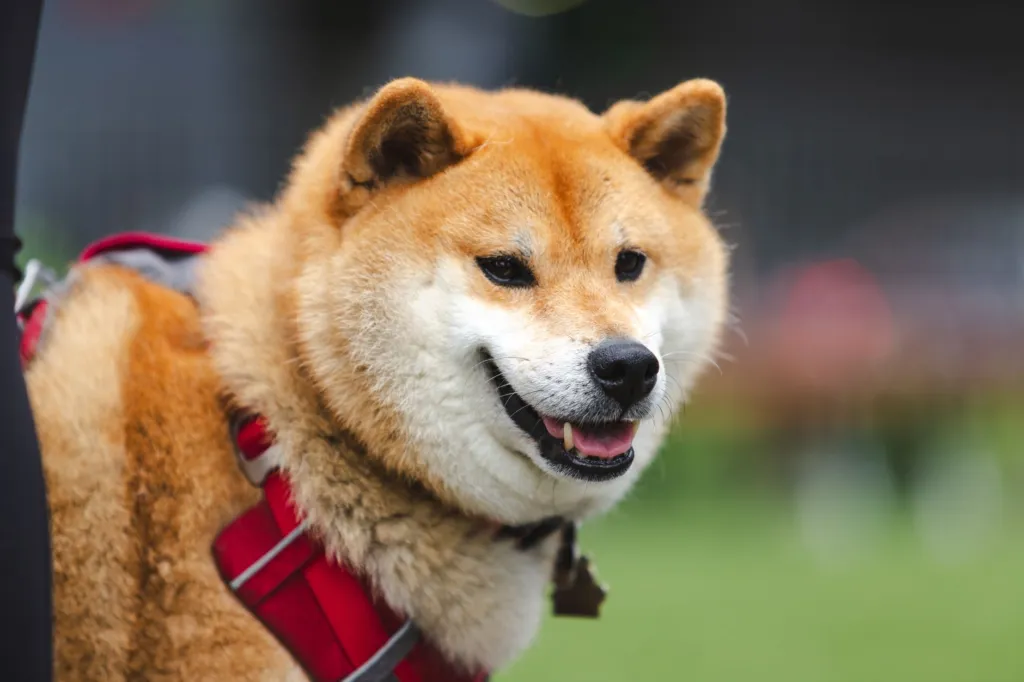
If you and your dog enjoy hiking or outdoor adventures, selecting a harness designed for these activities is essential. A good hiking harness should include features such as durability, comfort, and safety. Look for materials that can withstand rough terrain and weather conditions, as well as designs that allow for ease of movement.
Additionally, consider harnesses with reflective strips or bright colors for increased visibility during early morning or late evening hikes. A harness with a handle on the back can also be beneficial for assisting your dog over obstacles or steep terrain. When choosing a harness for hiking, remember to prioritize safety and comfort to ensure an enjoyable experience for both you and your pet.
Water-Resistant or Quick-Dry Materials
For dogs that love to splash in streams or puddles, a harness made from water-resistant or quick-dry materials is a must. These materials help prevent chafing and discomfort that can result from wet fabric rubbing against your dog’s skin. Look for harnesses that specify water-resistant properties and are designed to dry quickly after exposure to moisture.
- Water-resistant fabrics to prevent soaking
- Quick-dry technology for comfort
- Breathable designs to keep your dog cool
These features will ensure that your dog stays comfortable during your outdoor adventures, regardless of the weather conditions.
Seasonal Considerations
Choosing the Right Harness for Summer
In warmer months, it’s essential to select a harness that promotes airflow and keeps your dog cool. Look for harnesses made from lightweight, breathable materials that allow for proper ventilation. Mesh designs can be particularly effective in hot weather, as they allow heat and moisture to escape, preventing overheating.
Additionally, consider harnesses with adjustable features to accommodate your dog’s summer coat, as many dogs shed during this season. This will ensure a comfortable fit without being too tight or restrictive, especially if your dog is prone to panting or overheating.
Winter Harness Features
During the colder months, your dog’s harness needs may change. A winter harness should ideally provide insulation and protection against the elements. Look for harnesses that offer added padding and coverage to keep your dog warm, while still allowing for freedom of movement.
- Insulated padding for warmth
- Waterproof materials to keep dry
- Reflective elements for visibility in low light
These features will ensure that your dog remains comfortable and protected during winter walks, making outdoor activities enjoyable even in colder temperatures.
Frequently Asked Questions
1. How do I know if a harness fits properly?
A harness should fit snugly but allow for two fingers to fit between the harness and your dog’s body. It should not be too tight or too loose.
2. Can I use a harness for a puppy?
Yes, a harness can be used for puppies. Just ensure it’s adjustable to accommodate their growth.
3. What if my dog doesn’t like wearing a harness?
Introduce the harness slowly, allowing your dog to explore it without pressure. Use positive reinforcement to create a positive association.
4. Are there harnesses for specific breeds?
Some harnesses are designed specifically for certain breeds, especially those with unique body shapes. Always check the sizing guidelines provided by the manufacturer.
The Bottom Line
Choosing the right dog harness is a vital decision that impacts your pet’s comfort and safety. By understanding the various types, fits, and features available, you can select a harness that meets your dog’s specific needs. Remember to measure your dog accurately, consider their activity level, and choose a harness that is easy to use and maintain. With the right harness, both you and your dog can enjoy your walks together safely and comfortably.
Was this article helpful?

Writer at Mad4Pets. Lifelong animal lover who turns research and vet guidance into practical tips for everyday pet parents.