Can Dogs Eat Hamster Food? A Detailed Guide
Wondering if can dogs eat hamster food? This guide explores the implications and safety of dogs snacking on hamster pellets.

Key takeaways
- Hamster food is not suitable for dogs.
- Dogs have different nutritional needs than hamsters.
- Consult your vet for safe dietary choices for your dog.
As a pet owner, you may find yourself wondering about the dietary habits of your furry friends. If you have both a dog and a hamster, you might be curious: can dogs eat hamster food? It’s a common question among pet owners, especially those with multiple types of pets. This article will delve into the implications of dogs consuming hamster food, exploring whether it is safe, the potential risks involved, and what alternatives are better suited for your canine companion.
Understanding the dietary needs of your pets is crucial for their overall health and well-being. Dogs and hamsters have vastly different nutritional requirements due to their distinct biological and metabolic differences. While it may seem convenient to share food between pets, doing so can lead to unexpected health issues.
This guide aims to provide you with comprehensive insights into the topic, ensuring you make informed decisions about your pet’s diet.
Understanding Hamster Food
Hamster food typically consists of a blend of seeds, grains, and pellets formulated to meet the specific dietary needs of these small rodents. Hamsters are omnivores, which means their diet includes both plant-based materials and small amounts of animal protein. The ingredients in hamster food are carefully balanced to provide essential nutrients, vitamins, and minerals necessary for their health.
Common components of hamster food include:
- Seeds: Sunflower seeds, pumpkin seeds, and other nut varieties.
- Grains: Oats, barley, and corn.
- Pellets: Nutritionally complete pellets often fortified with vitamins.
- Fruits and Vegetables: Dried fruits and vegetables may be included for added nutrition.
While these ingredients are suitable for hamsters, they might not provide the necessary nutrients that dogs require. Dogs require a diet rich in protein, fat, and certain vitamins and minerals that are not adequately supplied by hamster food.
Can Dogs Digest Hamster Food?
Dogs possess a different digestive system compared to hamsters, designed to process different types of food. While dogs are capable of digesting a variety of foods, their digestive systems primarily thrive on a diet rich in animal protein.
Here are some key differences to consider:
- Protein Sources: Dogs require high-quality animal proteins, such as chicken or beef, while hamster food primarily contains plant-based proteins.
- Fats: Dogs need healthy fats for energy and cell function, which may not be present in hamster food.
- Vitamins and Minerals: The vitamin and mineral content in hamster food may not meet the needs of dogs.
In short, while dogs might be able to digest hamster food in small amounts, it is not advisable as a dietary staple. The nutritional imbalance can lead to deficiencies or health issues over time.
Potential Risks of Feeding Dogs Hamster Food
Feeding your dog hamster food can pose several risks. Dogs have different dietary needs, and consuming hamster food can lead to various health complications. Here are some of the potential risks:
- Imbalanced Nutrition: Hamster food lacks essential nutrients that dogs need, which can lead to nutritional deficiencies.
- Digestive Issues: The high fiber content in hamster food can lead to gastrointestinal upset in dogs, including diarrhea or vomiting.
- Weight Gain: Some hamster foods are high in calories and fats, which could contribute to obesity in dogs if consumed regularly.
- Allergic Reactions: Some ingredients in hamster food, such as certain seeds or grains, could trigger allergic reactions in dogs.
Given these risks, it is essential to avoid allowing your dog to consume hamster food as a regular part of their diet. If your dog accidentally eats a small amount, it is unlikely to cause severe harm, but it should not be a habit.
What to Feed Your Dog Instead
To ensure your dog receives the proper nutrition, it is vital to provide them with a balanced diet specifically designed for their species. Here are some recommended dietary options:
- High-Quality Dog Food: Look for commercial dog food that meets the standards set by the Association of American Feed Control Officials (AAFCO). These foods contain a balanced mix of protein, carbohydrates, fats, vitamins, and minerals.
- Homemade Meals: Consult with a veterinarian to create a homemade diet that includes lean meats, vegetables, and grains that are safe for dogs.
- Treats: Use dog-safe treats made from natural ingredients. Avoid giving your dog human food that can be toxic to them.
Always consult your veterinarian before making significant changes to your dog’s diet to ensure you meet their specific needs.
Signs Your Dog Is Not Eating Properly
Monitoring your dog’s health is essential to catch any dietary issues early. Here are some signs that may indicate your dog is not eating properly:
- Weight Loss: If your dog is losing weight unexpectedly, it may indicate nutritional deficiencies or health issues.
- Changes in Energy Levels: A sudden decrease in activity or energy can signal that your dog is not getting adequate nutrition.
- Digestive Disturbances: Watch for signs of diarrhea, vomiting, or constipation, which can result from an improper diet.
- Skin and Coat Changes: A dull coat, excessive shedding, or skin problems can indicate nutritional deficiencies.
If you notice any of these signs, consult your veterinarian for further evaluation and dietary recommendations.
Consulting with Your Veterinarian
Your veterinarian is your best resource when it comes to your pet’s diet. They can provide personalized recommendations based on your dog’s breed, age, weight, and health status. Here are a few tips for discussing your dog’s dietary needs with your vet:
- Be Prepared: Keep a record of your dog’s eating habits, weight changes, and any health concerns.
- Ask Questions: Inquire about the best types of food for your dog’s specific needs and any potential allergens.
- Discuss Treats and Snacks: Talk about safe treats and snacks that can be incorporated into your dog’s diet.
Regular veterinary check-ups can help you keep your dog’s nutrition on track and prevent potential health issues.
Nutritional Differences Between Hamster Food and Dog Food
Protein and Fat Content
Hamster food typically contains a higher percentage of plant-based proteins and fats compared to dog food. This is primarily because hamsters are omnivores that require specific nutrients for their smaller bodies and faster metabolisms. Dog food, on the other hand, is formulated for larger animals with different nutritional requirements. The protein content in hamster food can range from 15% to 25%, while most dog foods balance between 18% and 30% protein, depending on the formulation.
Furthermore, the type of protein differs. Hamster food may include ingredients such as seeds, grains, and legumes, which can be less digestible for dogs. Dogs thrive on animal protein, which is more bioavailable and provides the essential amino acids they need. While an occasional nibble of hamster food may not harm a dog, a consistent diet of it can lead to nutritional deficiencies.
Carbohydrates and Fiber
Another significant difference lies in the carbohydrate and fiber content of hamster food compared to dog food. Hamster food is often loaded with grains and seeds, which provide high levels of carbohydrates. However, dogs have different carbohydrate needs. While they can digest carbohydrates, a diet overly rich in them can lead to obesity and other health issues.
Dogs generally require fiber to aid digestion but in lower quantities than hamsters. The fiber content in hamster food can be beneficial for hamsters but may cause gastrointestinal distress in dogs if consumed in excess. It’s crucial to assess how much fiber your dog requires based on their age, size, and health status.
- Typical Fiber Content in Hamster Food: 10% – 15%
- Typical Fiber Content in Dog Food: 2% – 5%
- Recommended Fiber Intake for Dogs: 2g – 5g per day, depending on size
Alternatives to Hamster Food for Treats
Safe Treats for Dogs
If you are considering swapping out hamster food for treats for your dog, there are numerous options that are both safe and nutritious. Many pet owners often seek alternatives that provide sensory stimulation without compromising their dog’s health.
Some popular treats include:
- Carrots: Low in calories and high in fiber, carrots are great for dogs.
- Apples: Rich in vitamins A and C, just be sure to remove the seeds.
- Peanut Butter: A favorite among dogs, it must be free from xylitol.
- Commercial Dog Treats: Look for those made with natural ingredients and no fillers.
Homemade Dog Treat Recipes
Creating homemade dog treats can be a rewarding experience, ensuring that you know exactly what your dog is eating. Here are a few simple recipes that require minimal ingredients:
- Peanut Butter Biscuits: Combine 1 cup of whole wheat flour, 1/2 cup of peanut butter, and 1/4 cup of water. Roll out the dough, cut into shapes, and bake at 350°F for 20 minutes.
- Sweet Potato Chews: Slice sweet potatoes into 1/4-inch thick rounds and bake at 250°F for 3 hours until dried and chewy.
- Chicken Jerky: Slice chicken breast thinly, marinate in low-sodium soy sauce, and dehydrate at 175°F for 2 hours.
Monitoring Your Dog’s Health Post-Consumption
Behavioral Changes After Eating Hamster Food
Even if a dog only occasionally consumes hamster food, it’s important to monitor their behavior closely. Some dogs may not exhibit immediate adverse reactions, but subtle changes can indicate discomfort or digestive issues. Owners should observe for signs such as lethargy, excessive thirst, or unusual stool consistency.
Changes to look out for include:
- Increased Flatulence: A sign that they may not be digesting food properly.
- Vomiting: If this occurs shortly after eating, it may indicate an upset stomach.
- Change in Appetite: A sudden refusal to eat could signal that something is wrong.
Regular Veterinary Check-Ups
To ensure your dog remains in optimal health, regular veterinary check-ups are essential. Discuss any dietary changes or peculiar eating habits with your vet. They can provide tailored advice to meet your dog’s specific needs and can perform tests to detect any underlying issues.
During these visits, your veterinarian may:
- Perform a physical exam to assess overall health.
- Conduct blood tests to check for nutrient deficiencies.
- Offer dietary recommendations based on your dog’s lifestyle and health status.
Understanding the Ingredients in Hamster Food
Common Ingredients Found in Hamster Food
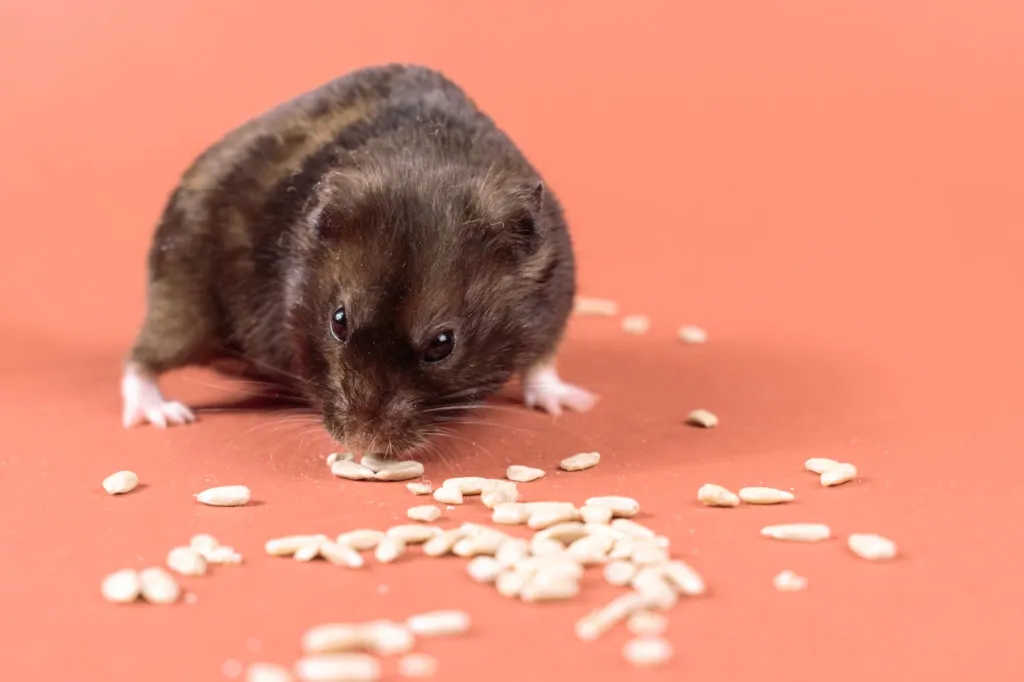
Hamster food typically contains a variety of ingredients designed to meet the nutritional needs of small rodents. These ingredients often include grains, seeds, vegetables, and pellets. Each component serves a specific purpose in providing essential nutrients. For example, seeds provide fats, while grains offer carbohydrates. Here are some common ingredients:
- Sunflower seeds
- Oats
- Barley
- Pelleted food
- Dried fruits and vegetables
How Ingredients Affect Dogs
Dogs and hamsters have vastly different digestive systems and nutritional requirements. While some ingredients in hamster food may not be harmful to dogs, they might not provide the necessary nutrients that dogs require. For instance, sunflower seeds, which are often found in hamster mixes, are high in fat. This can lead to digestive issues or obesity in dogs if consumed in large quantities.
Moreover, certain additives, like preservatives and colorings, might not be suitable for dogs. It is essential to examine the ingredient list before considering any food meant for other animals. Always prioritize foods specifically formulated for canine health.
Behavioral Considerations When Dogs Consume Hamster Food
Curiosity and Food Preferences
Dogs are naturally curious creatures, and they often explore their environment through taste. If a dog gets into hamster food, it might be due to the intriguing smells and textures. However, this behavior can lead to unhealthy eating habits. Dogs might begin to prefer the taste of hamster food over their regular dog food, which can lead to nutritional imbalances.
Training Your Dog to Avoid Non-Dog Foods
To prevent dogs from consuming hamster food or other inappropriate snacks, training is essential. Here are some strategies:
- Positive reinforcement: Reward your dog for ignoring non-dog food items.
- Consistent commands: Use commands like ‘leave it’ to deter them from unwanted snacks.
- Creating boundaries: Store hamster food in a secure location, out of reach from pets.
Long-term Implications of Inadvertent Hamster Food Consumption
Potential Allergies and Sensitivities
Consuming hamster food may expose dogs to new ingredients that they are not accustomed to. This can lead to allergic reactions or sensitivities. Symptoms can include itching, gastrointestinal upset, or even more severe reactions. If you notice any unusual signs after your dog consumes hamster food, consult your veterinarian.
Overall Health Monitoring
Monitoring your dog’s overall health is crucial, especially if they have ingested hamster food. Regular check-ups and attention to their diet can help prevent potential health issues. Here are some aspects to monitor:
- Changes in appetite
- Stool consistency
- Energy levels
- Skin and coat condition
Frequently Asked Questions
Can dogs eat hamster food in small amounts?
While dogs may consume small amounts of hamster food without immediate harm, it should not be a regular part of their diet due to nutritional imbalances.
What should I do if my dog eats hamster food?
If your dog accidentally eats hamster food, monitor them for any unusual symptoms such as vomiting or diarrhea. If any concerning symptoms occur, consult your veterinarian.
Are there any benefits to feeding dogs hamster food?
There are no significant benefits to feeding dogs hamster food. Dogs require a diet formulated specifically for their needs, which hamster food does not provide.
What are some safe treats for dogs?
Safe treats for dogs include small pieces of cooked chicken, carrots, or commercial dog treats made from wholesome ingredients. Always avoid toxic foods.
The Bottom Line
In summary, dogs should not eat hamster food. The nutritional needs of dogs differ significantly from those of hamsters, and feeding them hamster food can lead to various health issues. Always prioritize a balanced diet that caters specifically to your dog’s dietary requirements. If you have any doubts or questions about your dog’s nutrition, consulting with your veterinarian can provide the needed guidance for a healthy and happy pet.
Was this article helpful?

Writer at Mad4Pets. Lifelong animal lover who turns research and vet guidance into practical tips for everyday pet parents.